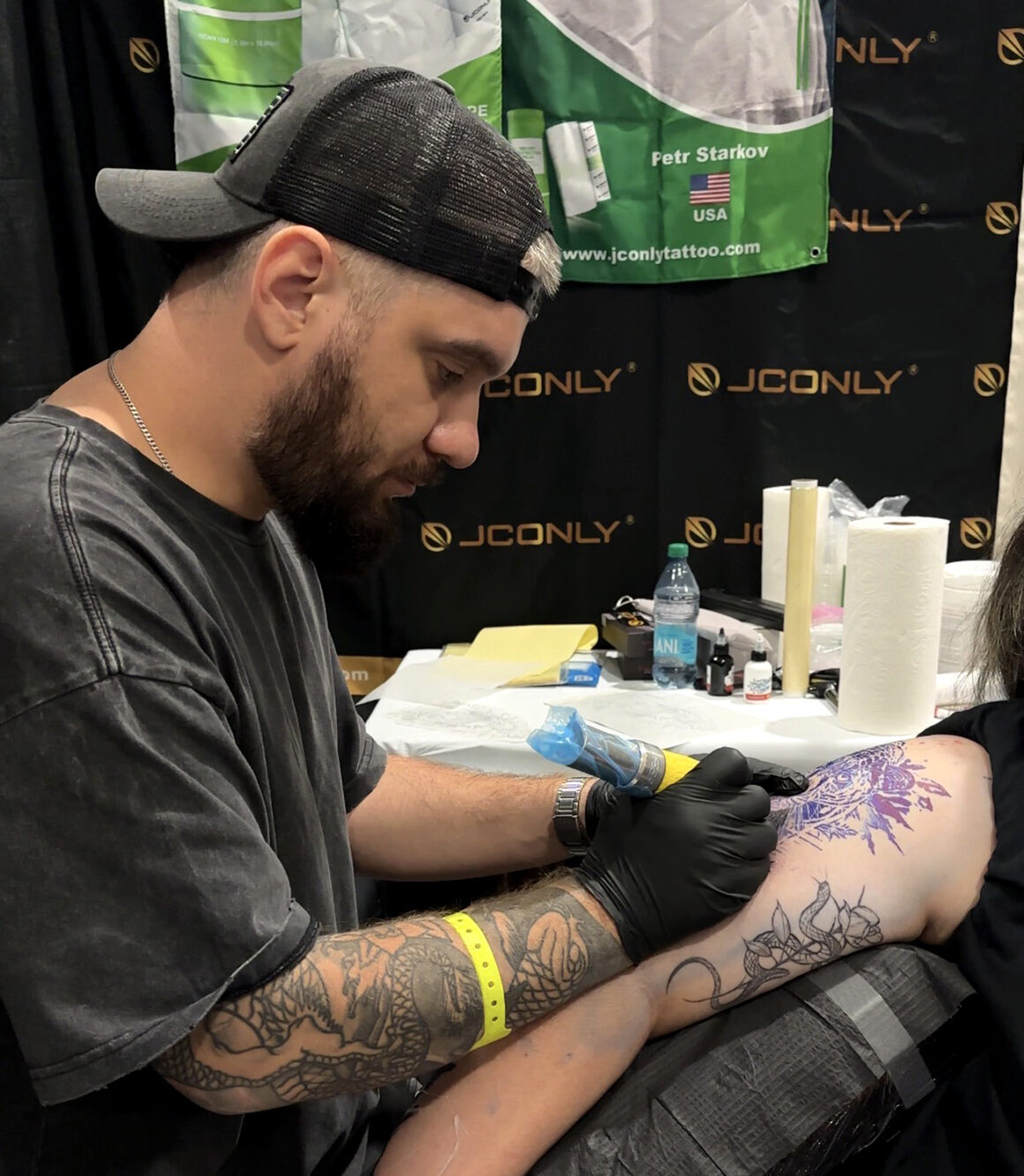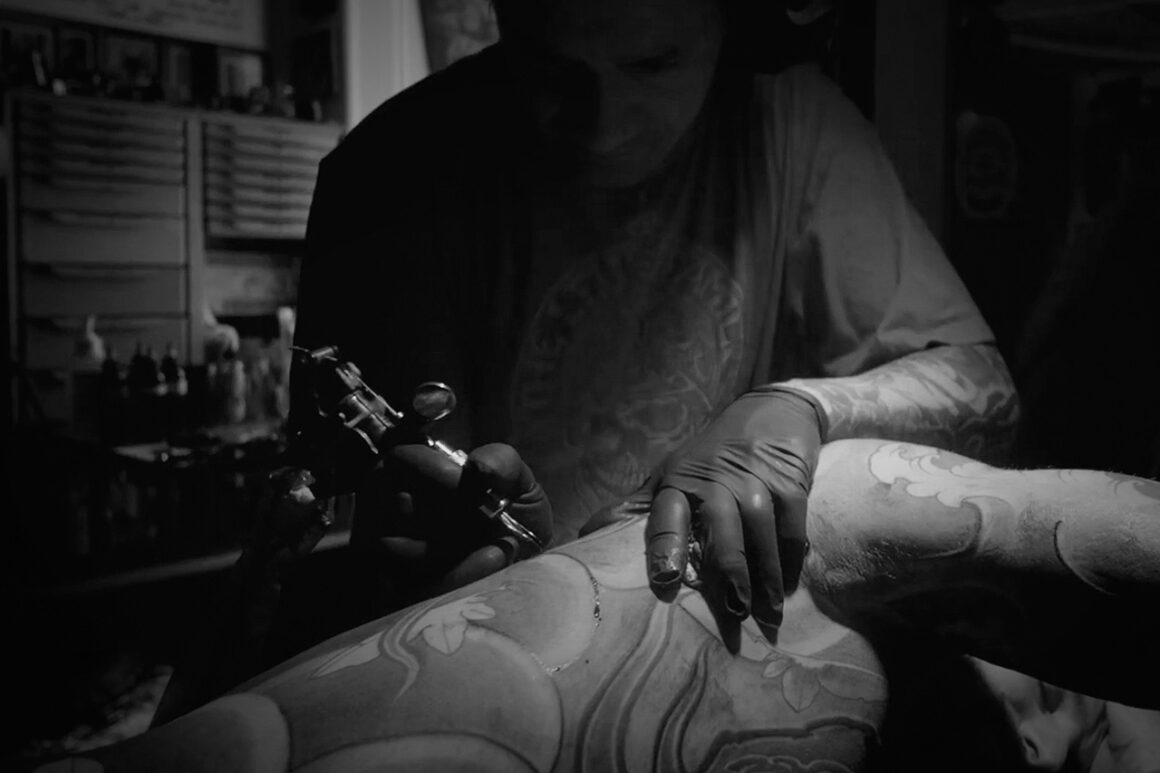
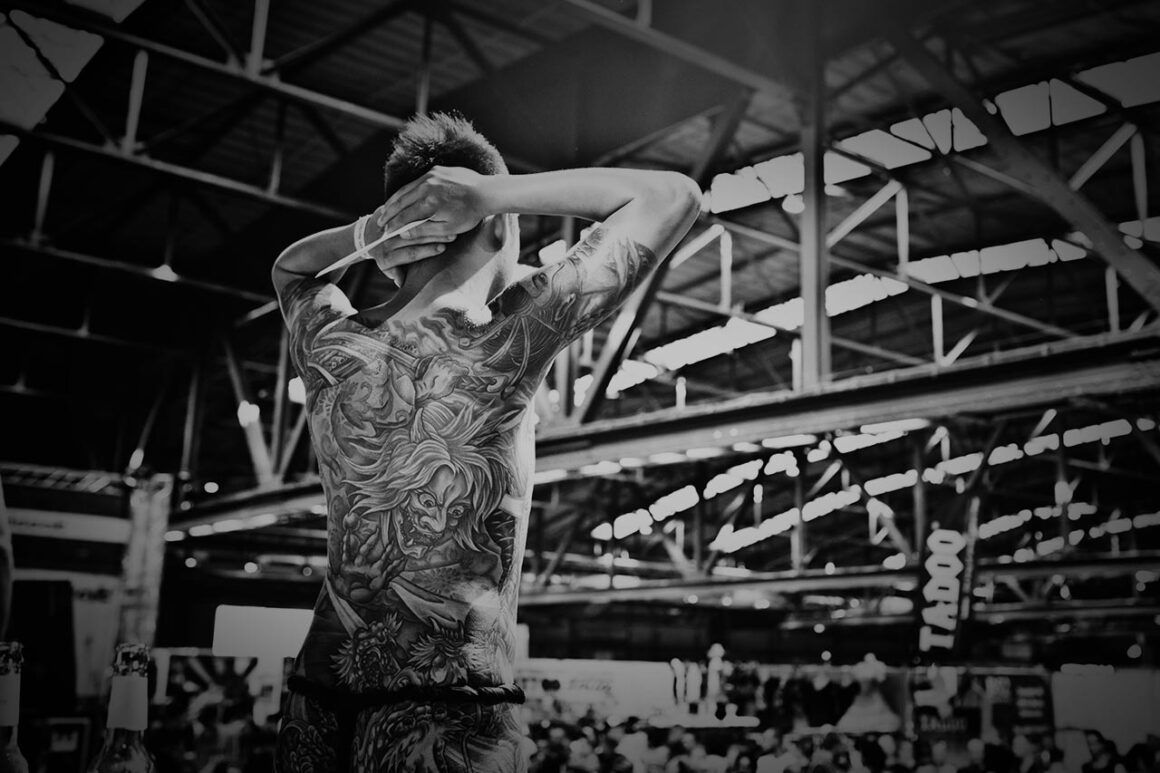


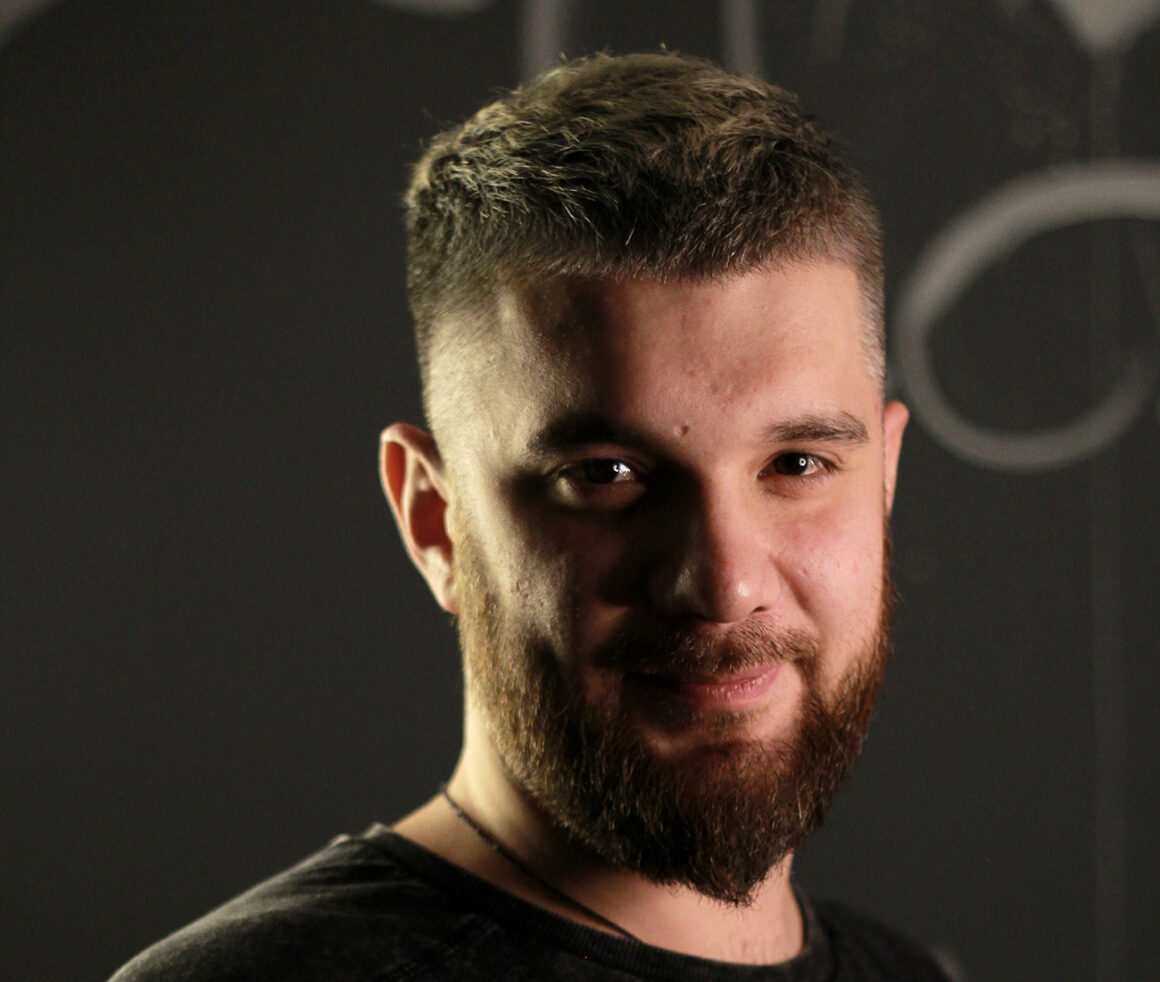
Born in Kazakhstan and now based in New York City, Petr Starkov has spent more than eighteen years refining a personal approach to realism, color and large-scale composition. A resident artist at First Class Tattoo in Manhattan, Petr combines academic art training with a background in design to create tattoos defined by strong contrast, custom color tones and fluid movement.
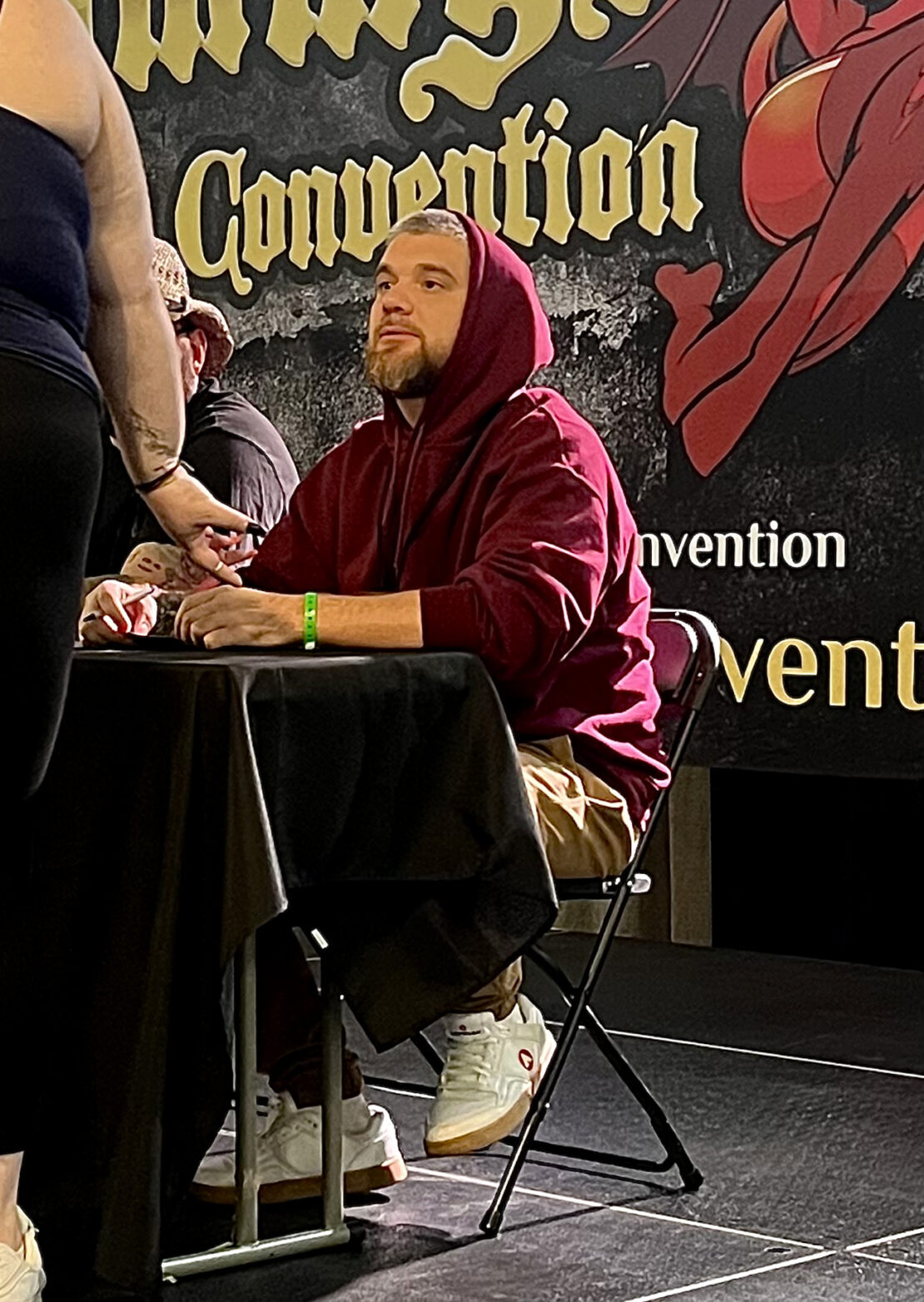
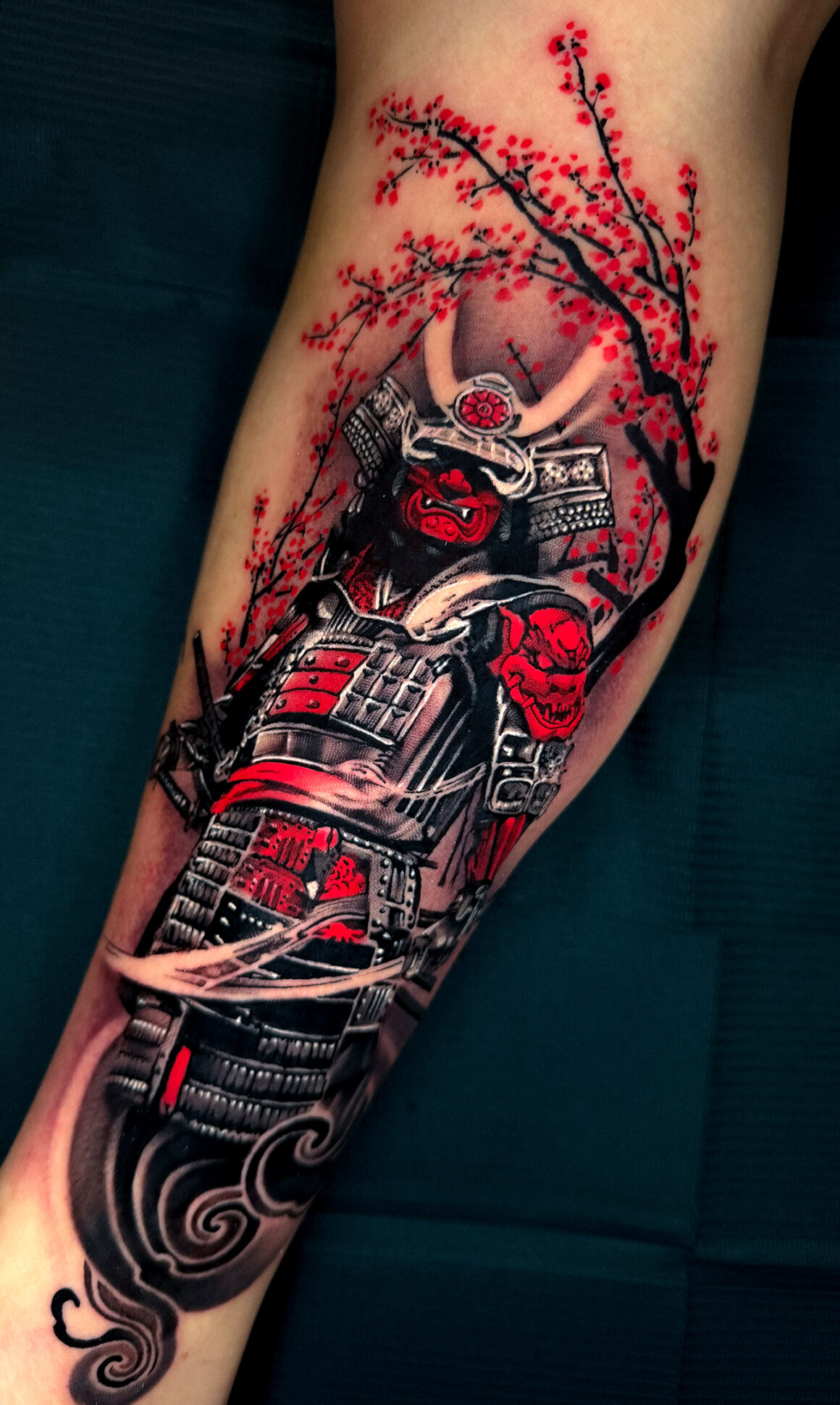
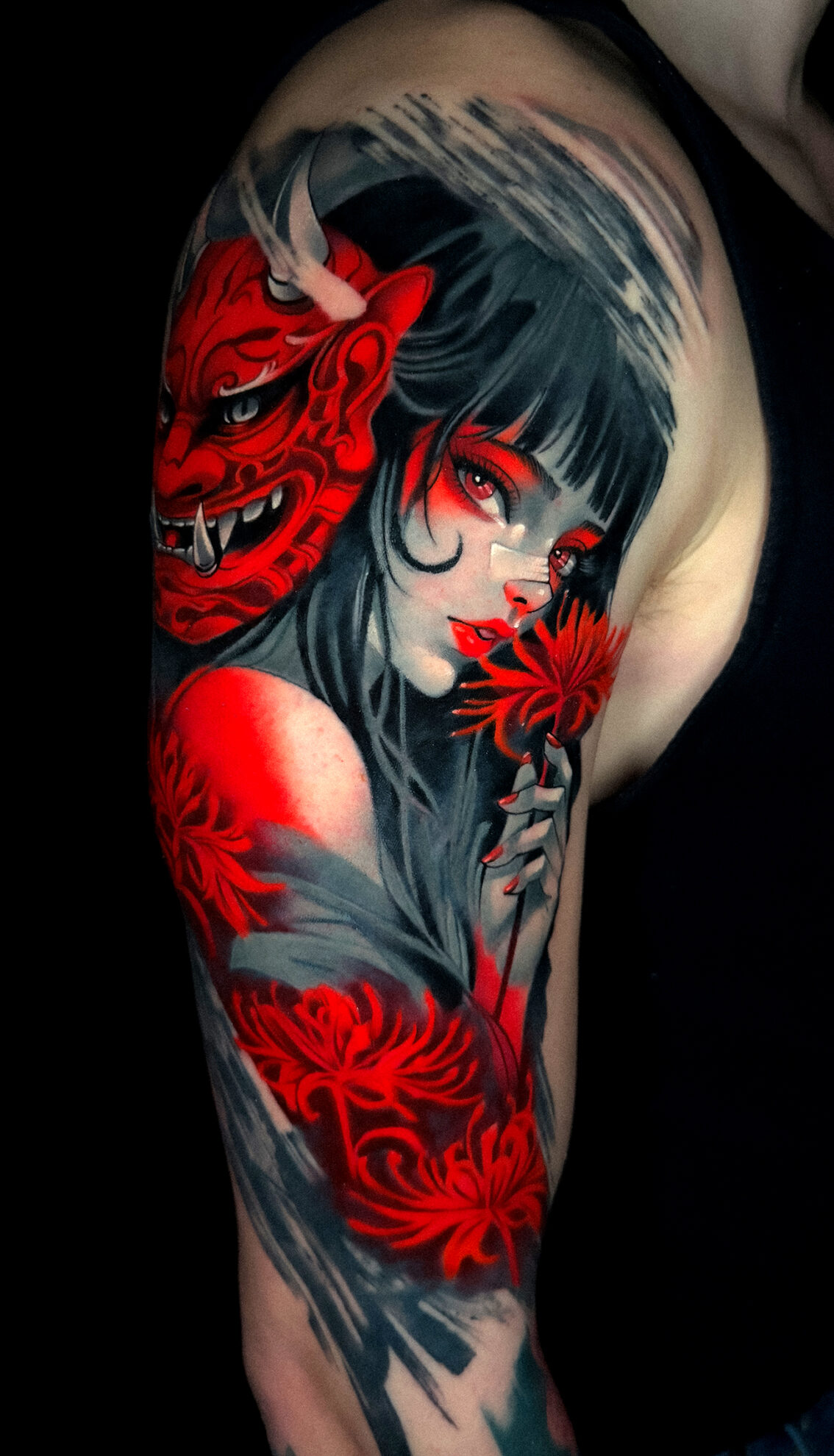
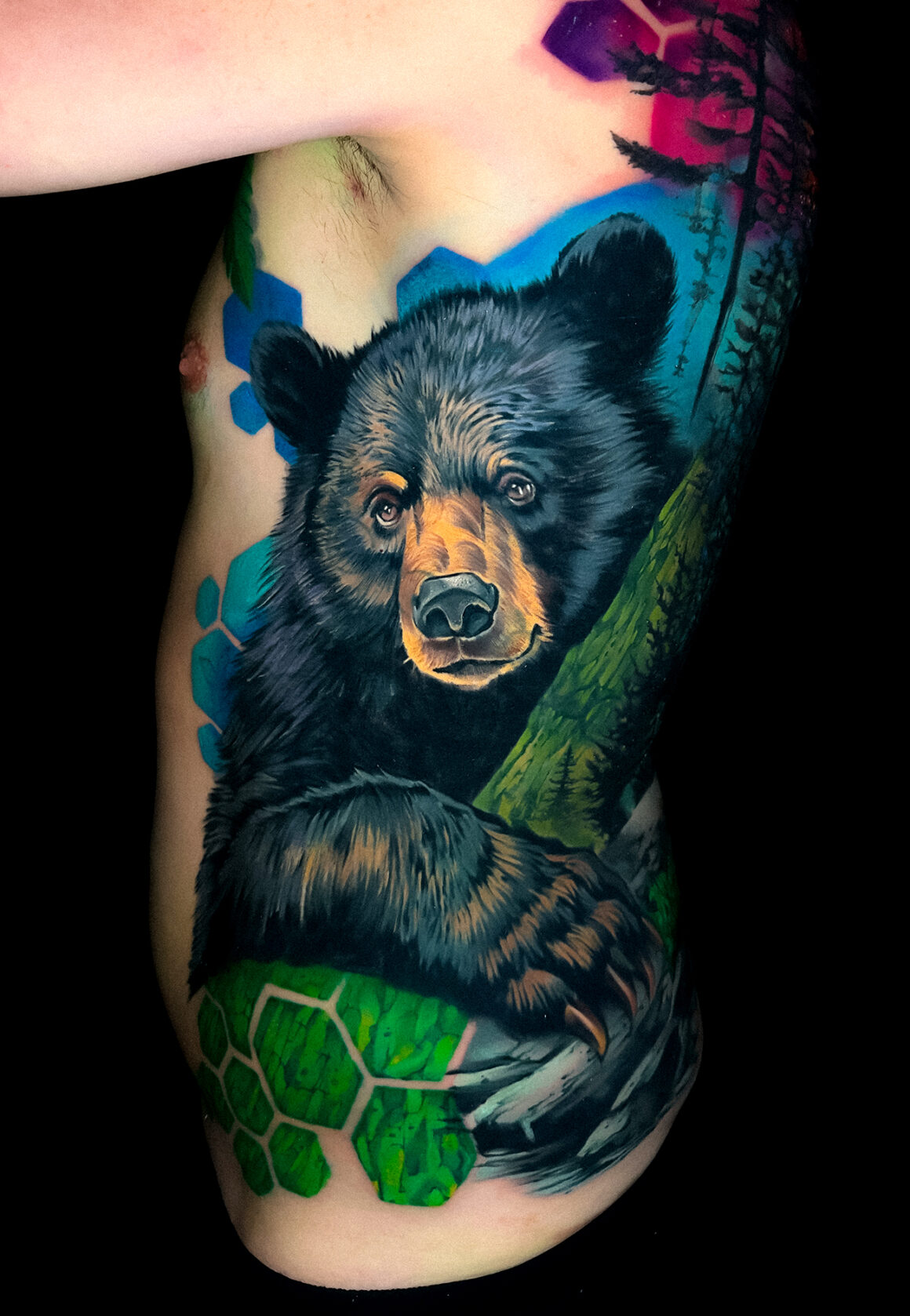
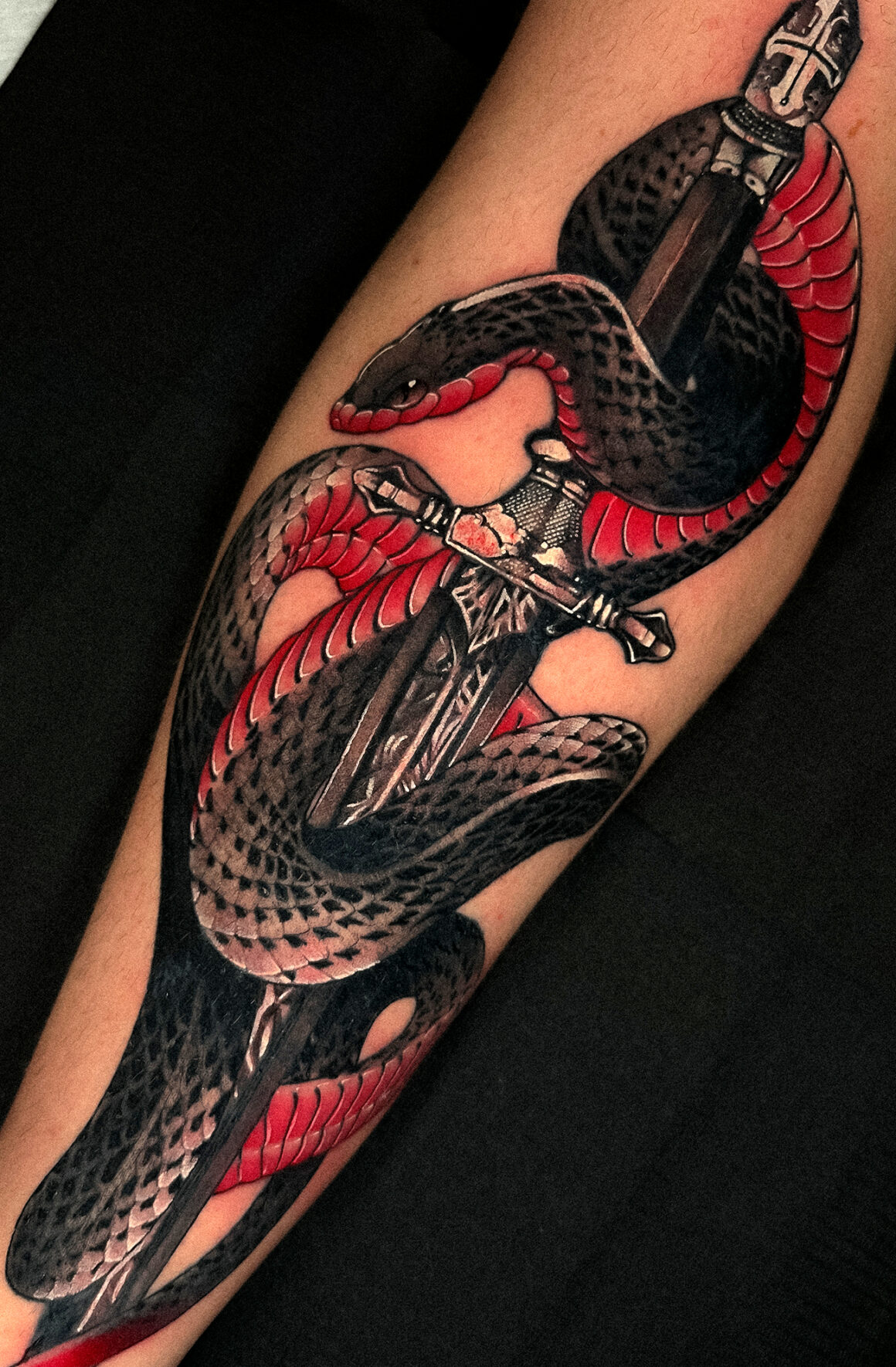
His style, often described as watercolor realism, blends realistic subjects with abstract transitions and expressive brushstroke-like effects, always maintaining a clear structure and long-term readability. Between international conventions, guest spots and his role as a convention judge in the United States, Petr continues to push his artistic evolution while remaining deeply connected to the global tattoo community.
Petr would you like to share a few details about yourself—where you were born, where you live, and where you are currently working?
I was born in Kazakhstan, where I began my professional tattoo career and developed my artistic foundation. Today, I live and work in New York City and am part of the team at First Class Tattoo in Manhattan, one of the recognized studios within the New York tattoo industry.
Why did you choose to settle in New York, and how did you come to work at the studio you are in now?
For many years, I closely followed the American tattoo industry, especially the professional studio culture and artistic standards associated with New York. To me, New York represented one of the strongest and most influential tattoo environments in the world, both creatively and professionally. Over time, that path led me to First Class Tattoo. The studio has a long-standing reputation within the industry, so becoming part of that environment was an important professional step for me. Working in New York also gave me the opportunity to continue developing within a highly competitive and internationally connected tattoo community.
What did you do before becoming a tattoo artist?
Before tattooing became my full profession, I was already involved in visual art and design. While studying, I worked as a designer, which helped me develop a strong understanding of composition, color balance, visual structure, and client-oriented creative work. At the same time, drawing had always been an important part of my life.
My interest in realism, composition, and visual storytelling naturally led me toward tattooing.
Even in the early stages, I approached tattooing not simply as a hobby, but as a professional artistic direction that required both technical discipline and continuous development. My background in design and academic art education later became an important foundation for the way I approach large-scale tattoo compositions, color structure, and overall visual flow in my work today.
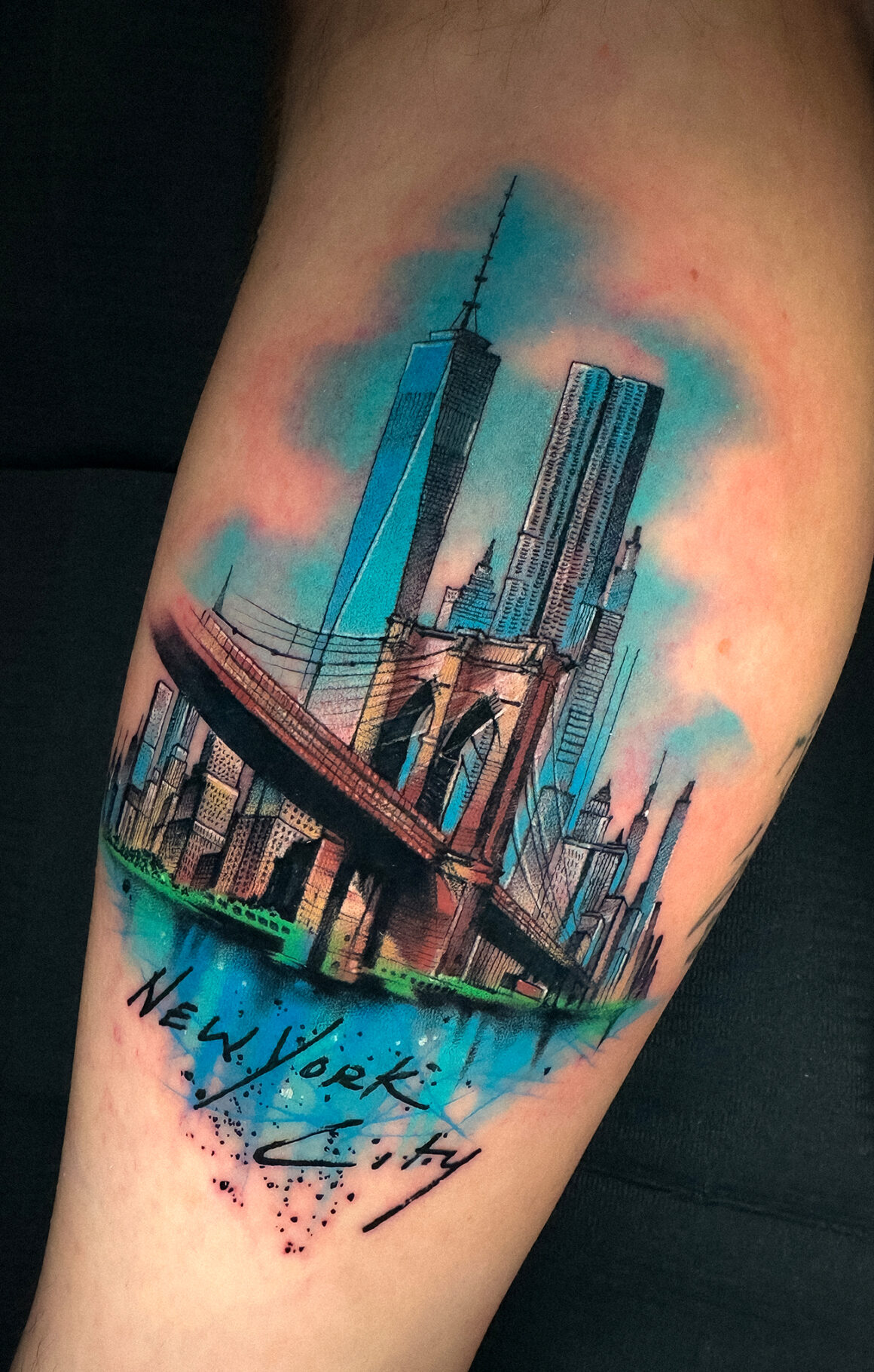
Looking at your tattoos, the first word that comes to mind is “full colour.” Is colour the central element of your style?
Color is definitely one of the central elements of my work, but for me it is closely connected to contrast, composition, and tonal structure. I rarely use pigments directly from the bottle without modification — I usually build custom tones during the process itself to achieve smoother transitions and stronger visual depth. Over time, this approach evolved into what many clients describe as watercolor realism: combining realistic subjects with dynamic color movement, brush strokes, and abstract transitions while maintaining strong readability and structure.
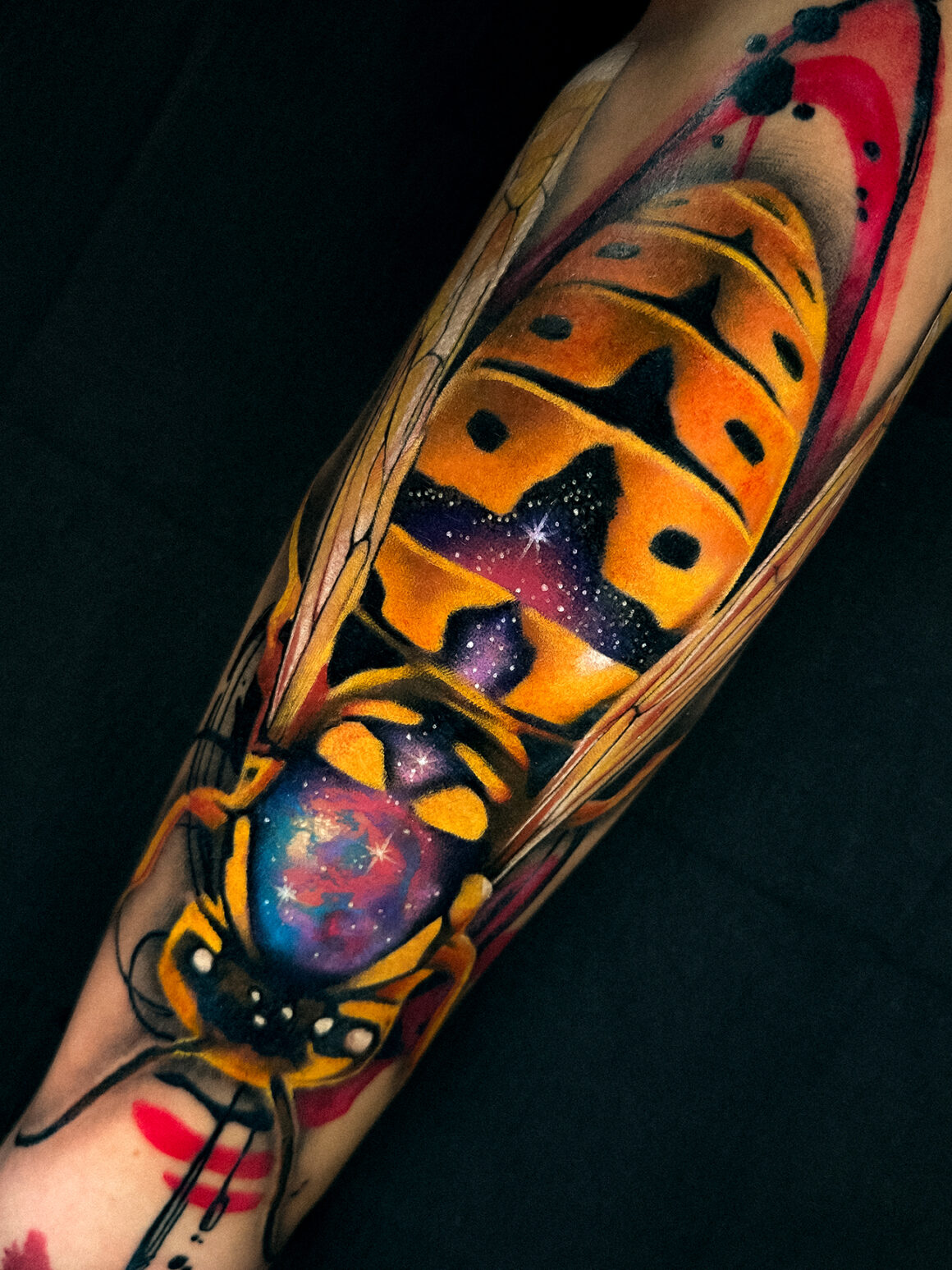
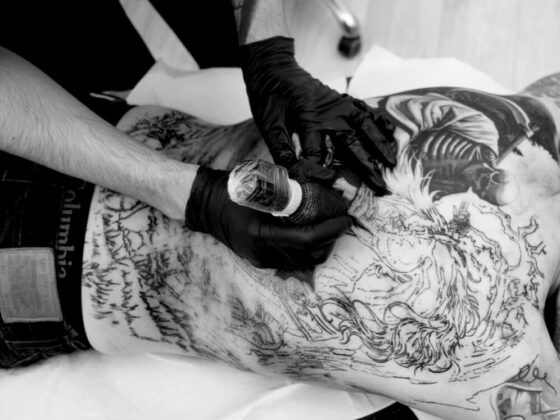
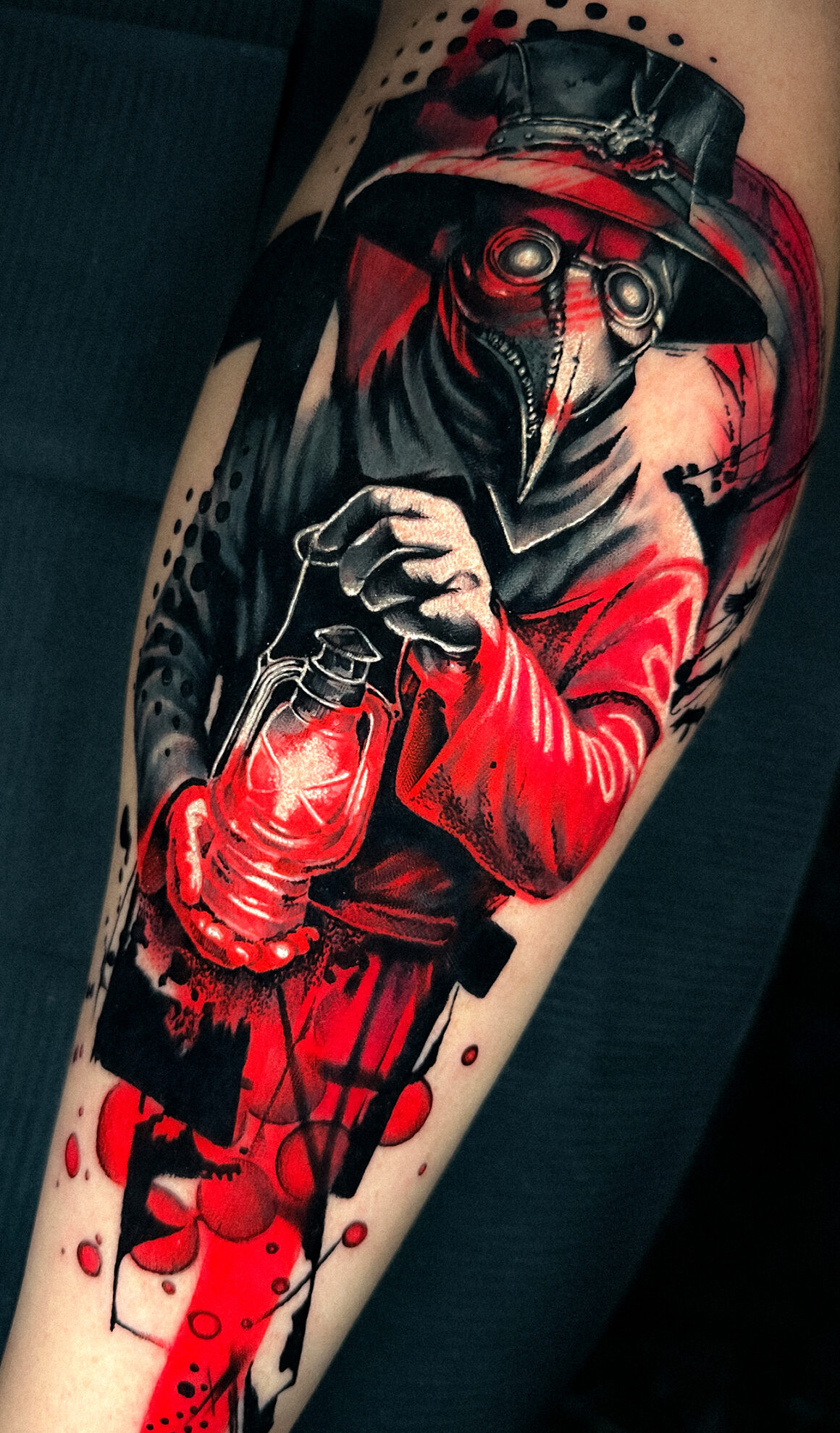
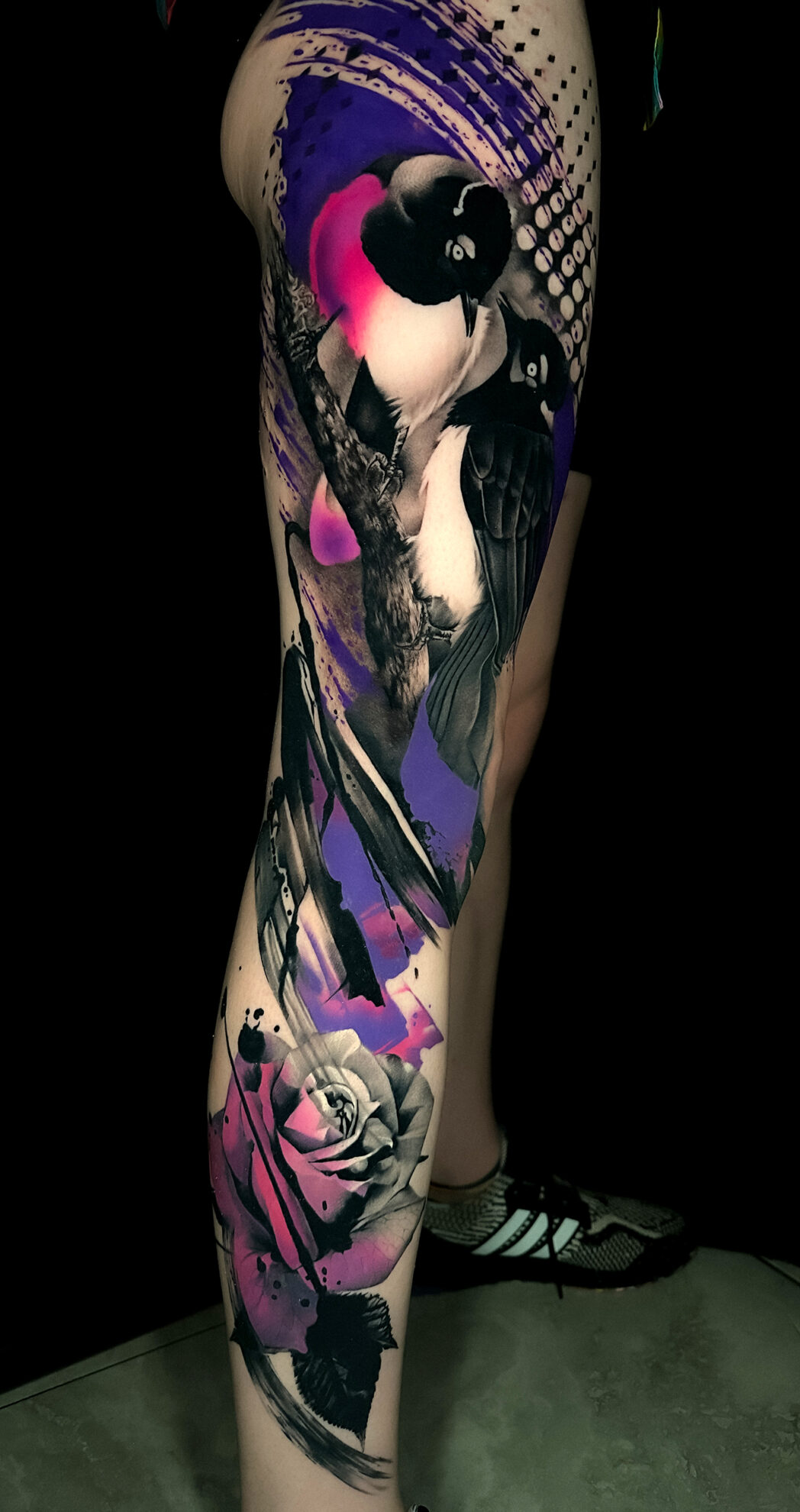
I enjoy creating realistic subjects because they allow me to work deeply with anatomy, light, texture, depth, and composition. At the same time, I like combining realism with more dynamic and abstract elements, which helps create movement and stronger visual energy within the tattoo. That balance between realism and expressive composition became an important part of my artistic identity over the years. For me, one of the most important aspects is long-term quality. I focus heavily on contrast, readability, smooth transitions, and minimal skin trauma so the tattoo heals cleanly and remains visually strong over time.
Did you attend any art school?
Yes, drawing has always been an important part of my artistic foundation. I studied at an art college, where I developed an academic understanding of composition, light, anatomy, form, and color theory. That educational background strongly influenced the way I approach tattooing today, especially when building large-scale compositions and realism-based work. Academic training helped me better understand visual balance and how to adapt compositions naturally to the human body.
In your career as an artist, what have been the most important steps, and what have you gained from this world?
One of the most important steps in my career was opening the first fully dedicated tattoo studio in my hometown, Pavlodar, Kazakhstan, at a time when the professional tattoo industry there was still developing. Later, moving to New York and becoming part of First Class Tattoo became another major stage of my professional growth.
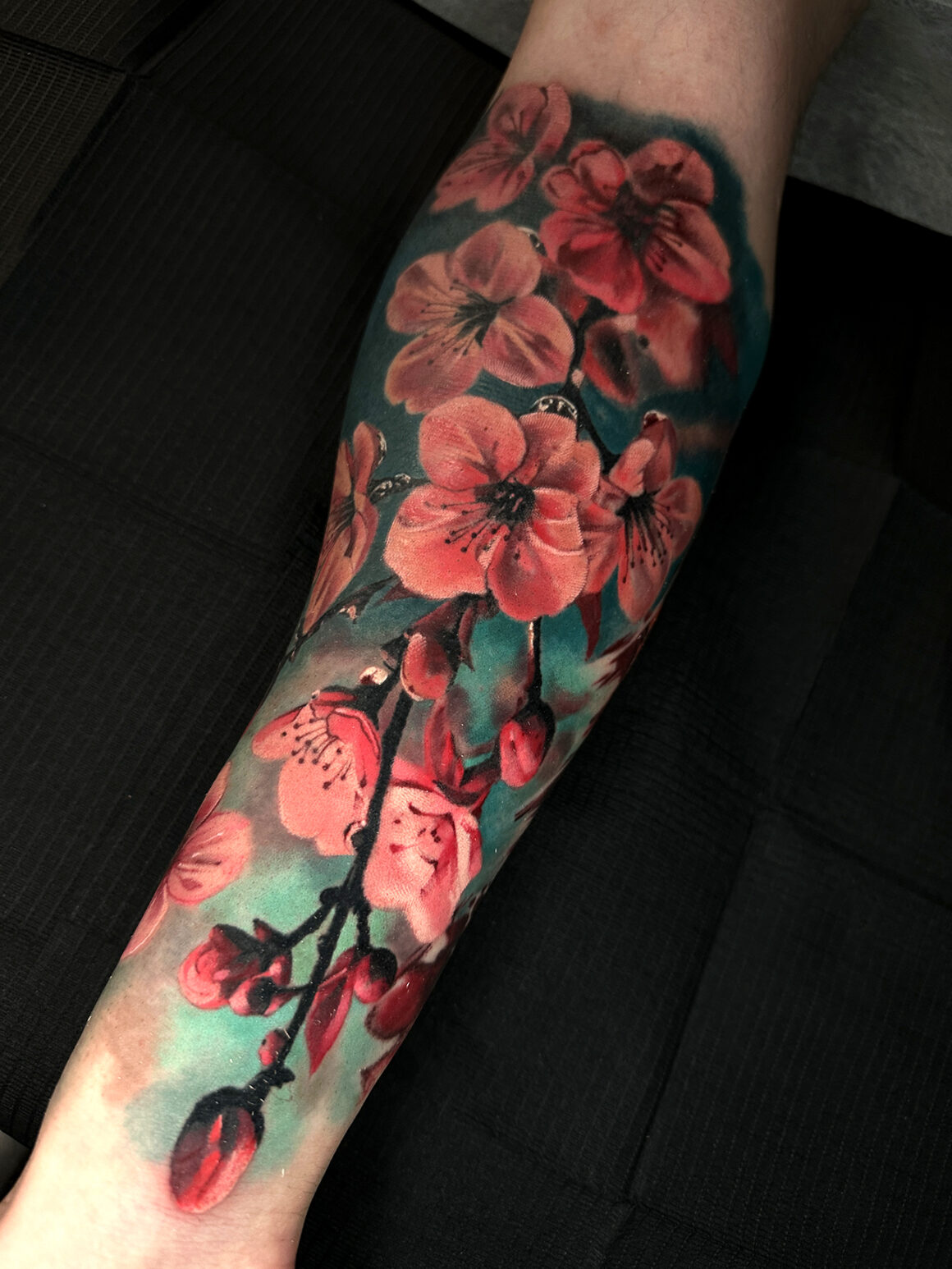
Tattooing has allowed me to participate in major conventions, work internationally as a guest artist in countries including Turkey, Poland, and Germany, and exchange experience with artists from different parts of the world. Receiving awards such as “Tattoo Artist of the Year” at the People Awards, along with being invited to serve as a convention judge, became important forms of professional recognition and part of my contribution to the continuing growth and development of the tattoo industry
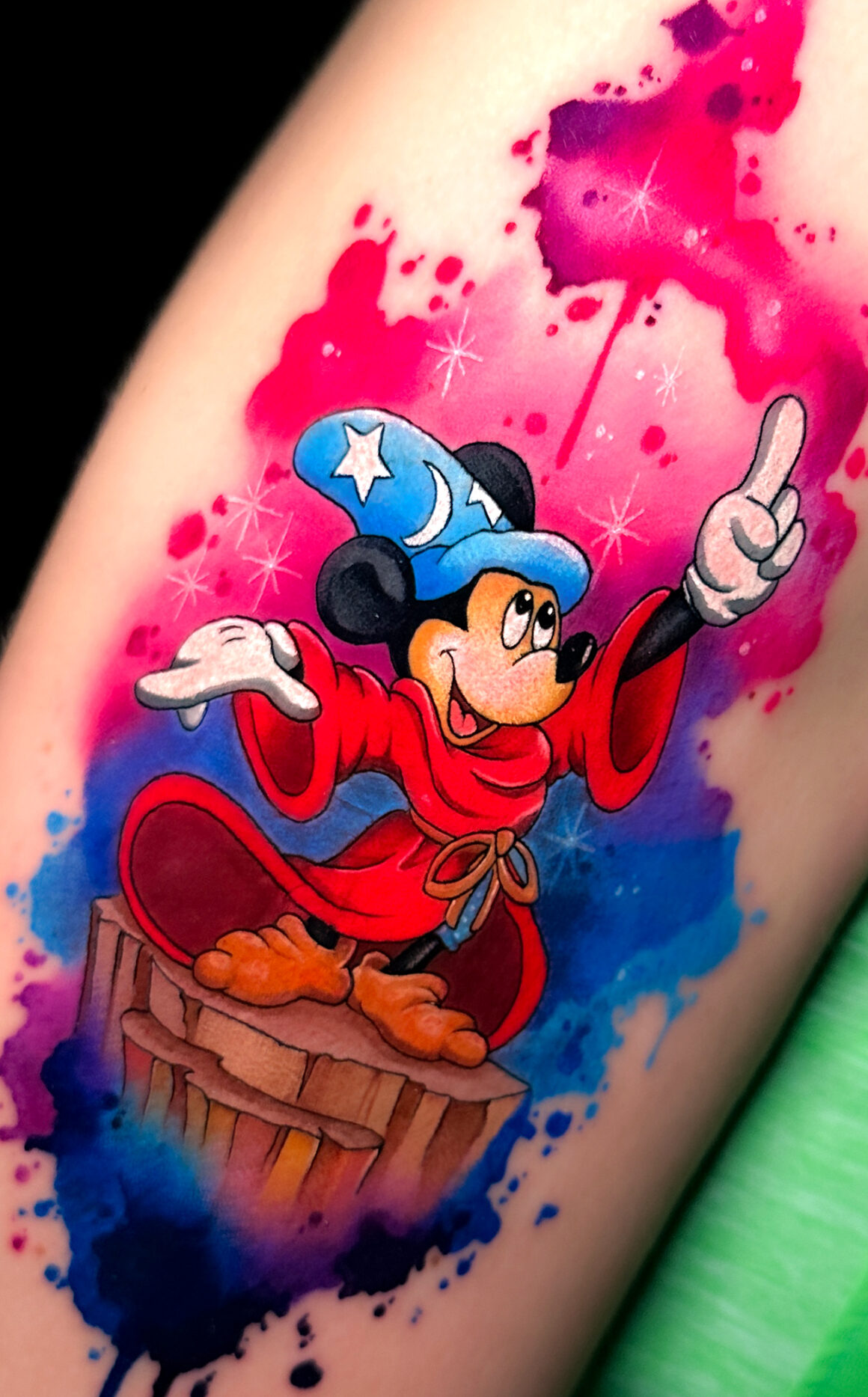
From New York, would you like to move to another place in the world one day?
At the moment, New York remains an important place for my professional and artistic growth because it keeps me surrounded by a very strong and competitive creative environment. The city constantly pushes artists to evolve and maintain a high professional level.
At the same time, I enjoy traveling and experiencing different cultures through tattooing.
I’m open to future opportunities, but for now my main focus remains on continuing to grow professionally and artistically where I am. Conventions, guest spots, and collaborative projects are an important part of the modern tattoo industry because they allow artists to exchange experience, meet new clients, and stay connected to the international tattoo community.
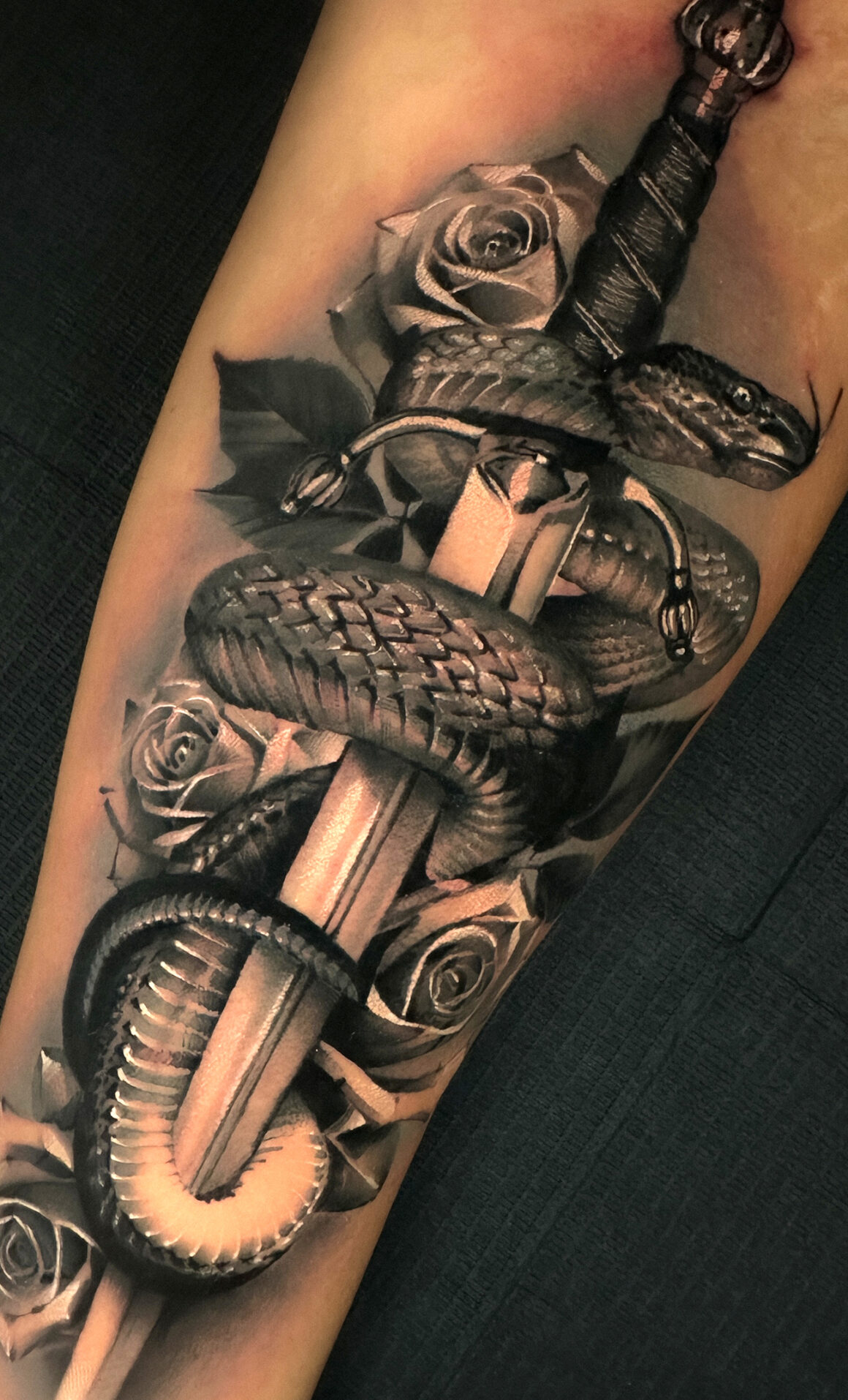
Even while based in New York, I continue participating in professional events and projects connected to the industry. Traveling also allows me to observe different artistic approaches and continue learning from other experienced professionals.
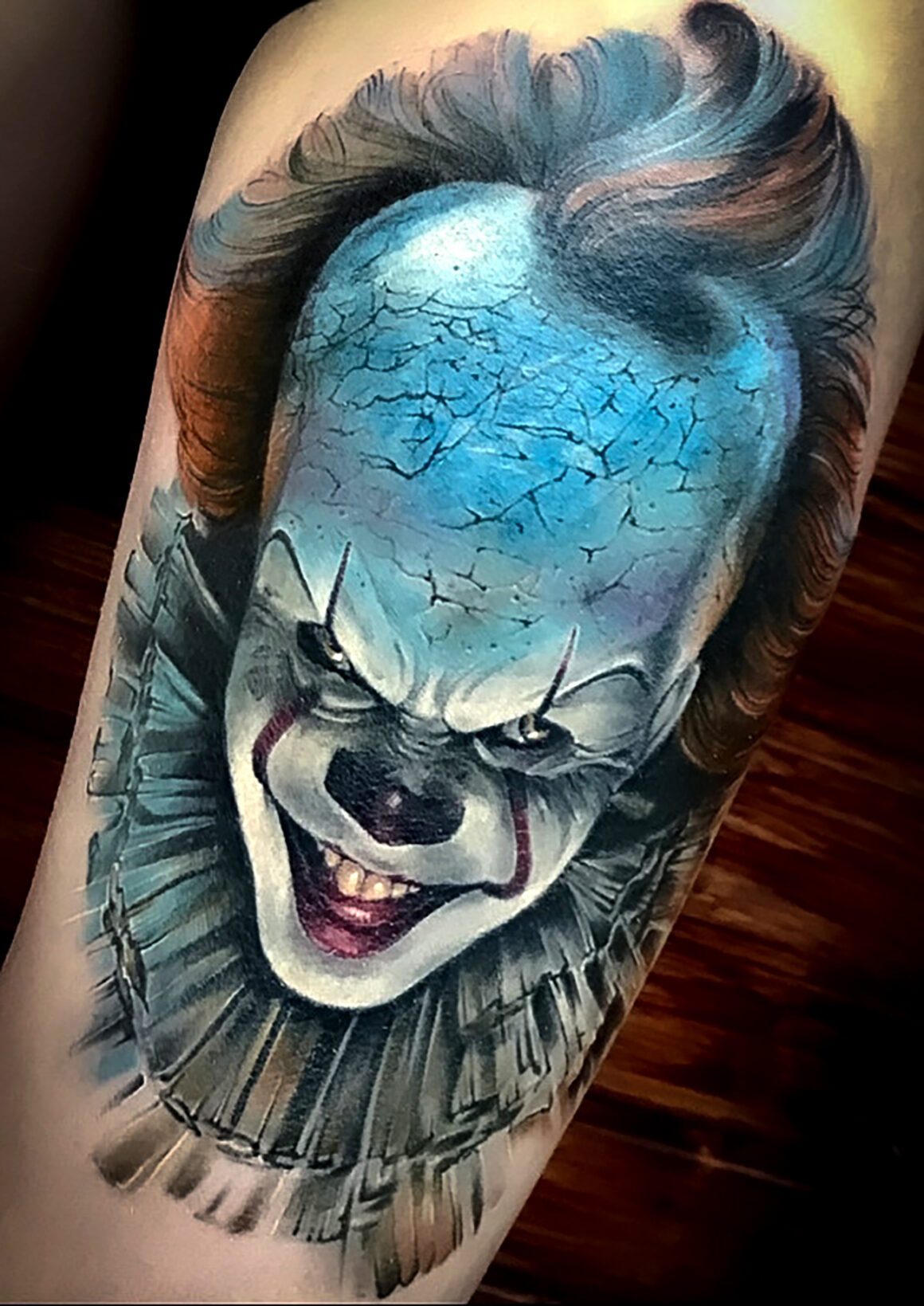
You are also a convention judge; can you tell us more about that side of your work?
Yes, I have been invited to serve as a judge at various internationally attended tattoo conventions in the United States. One of them is the Villain Arts USA convention tour, which is considered one of the largest tattoo convention circuits in the country. As a judge, I evaluate tattoos based on composition, technical execution, saturation, contrast, smoothness of transitions, and overall artistic quality. I take this responsibility seriously because it reflects professional recognition and trust within the tattoo industry. For me, conventions are also an important place for professional exchange, where artists from different countries share experience, techniques, and artistic approaches while continuing to push the industry forward.
Future goals? What would you like to reveal to our readers?
My main goal is continued artistic growth. With every new project, I try to push myself further technically and creatively while maintaining high long-term quality standards. I also want to continue contributing to the industry through conventions, education, professional collaboration, and the development of my own artistic direction. For me, tattooing is not only a profession — it is a lifelong craft and form of artistic expression that continues to evolve with experience.