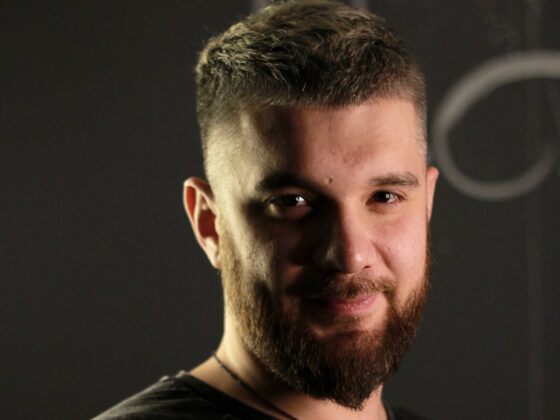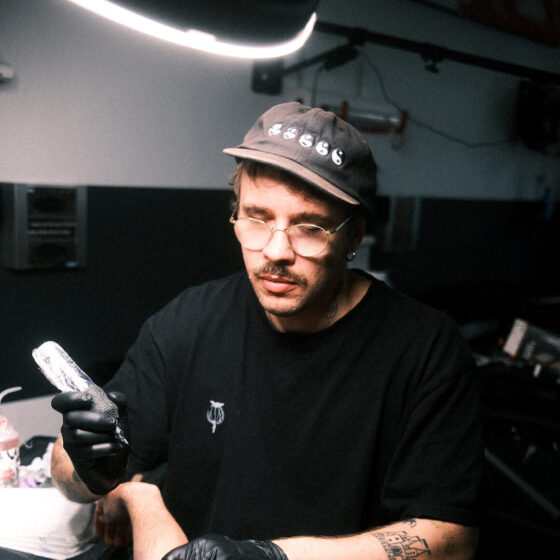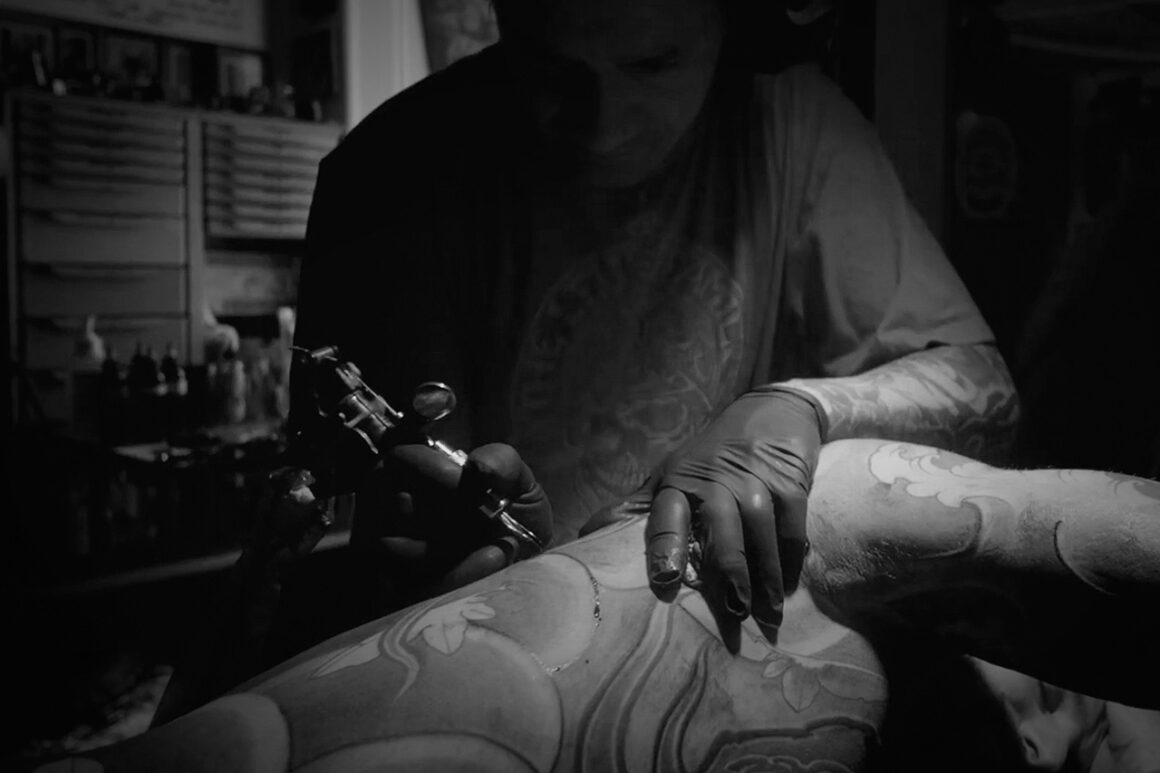
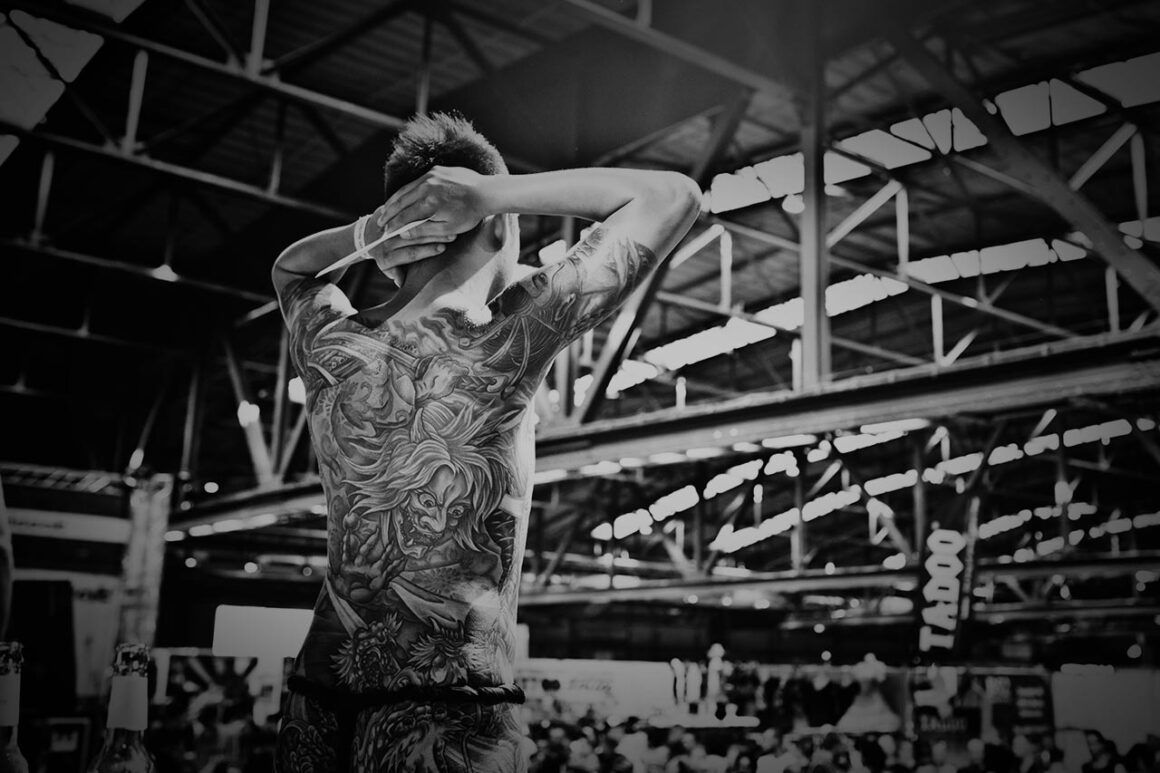


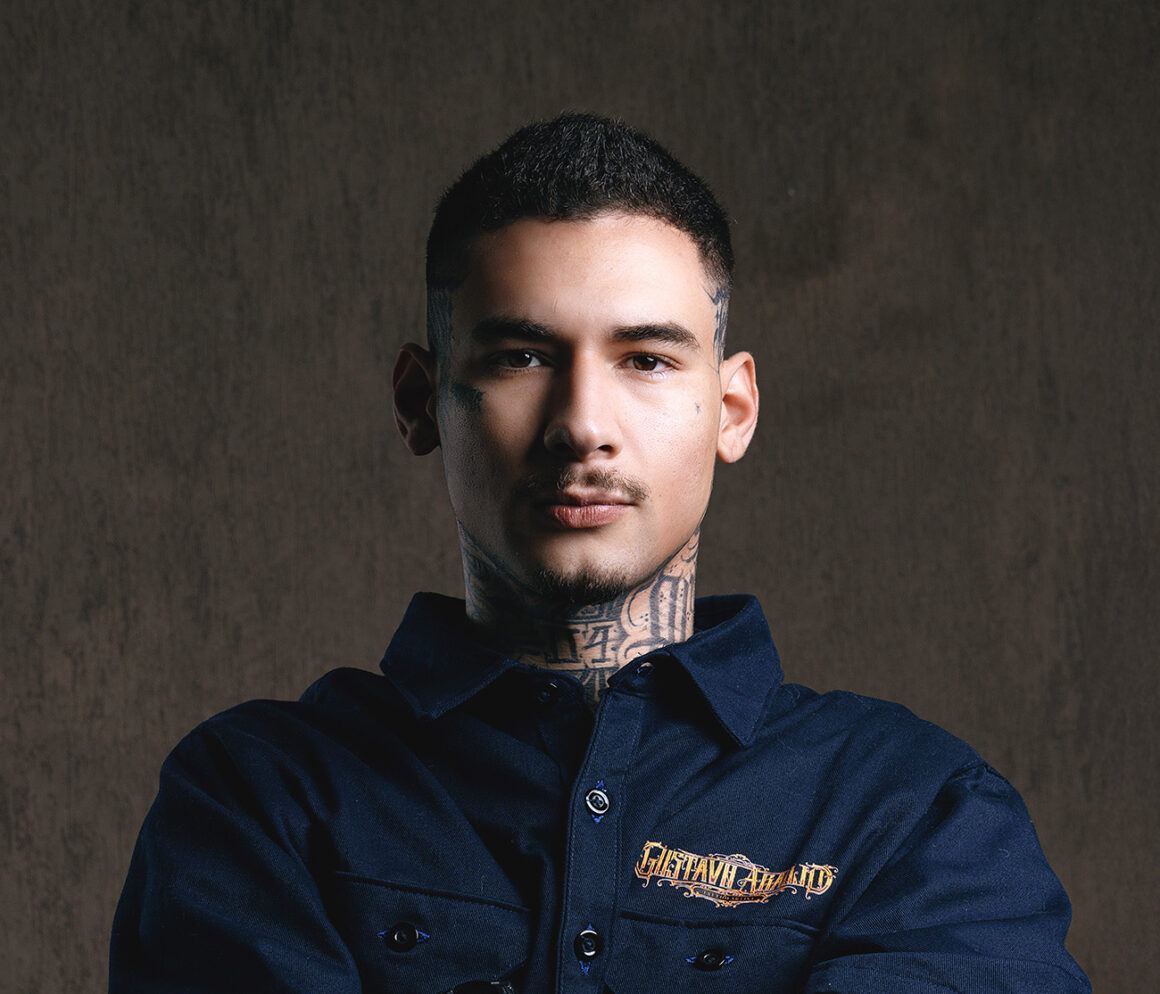
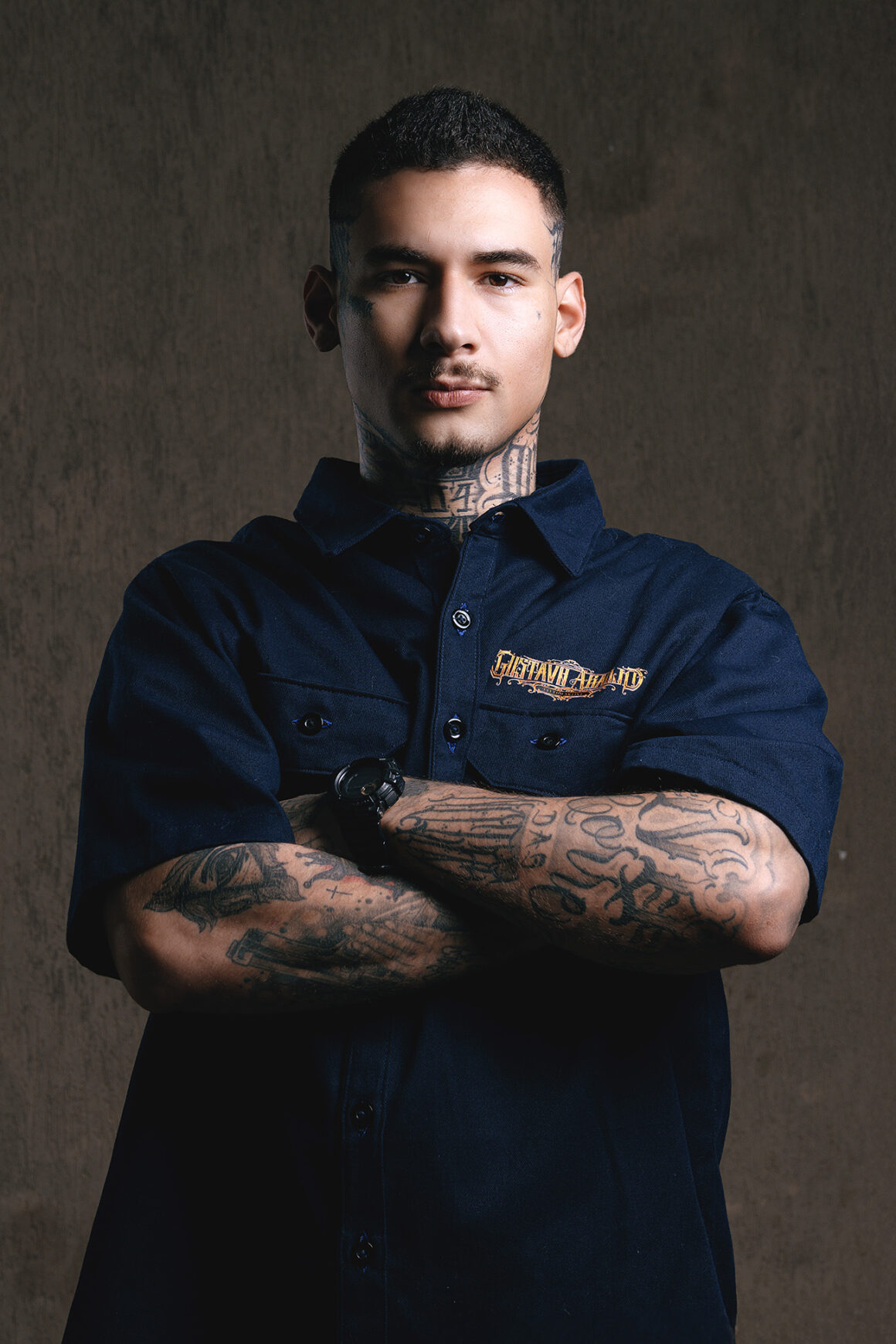
For Gustavo, a cover-up is not simply about hiding an old tattoo, but about completely transforming the perception of what already exists on the skin. Born in Vilhena, in the state of Rondônia, and moved to Curitiba, in southern Brazil, when he was 17 years old, he has developed over the years a personal language that combines Black and Grey Realism, depth, control of light, and emotional sensitivity. Influenced by the great Renaissance masters, especially Caravaggio and Leonardo da Vinci, he has built a technique capable of adapting even to the most complex situations while maintaining lightness, balance, and readability. In this interview, he talks about his journey, the research behind his cover-ups, and his desire to bring his art further into the international tattoo scene.
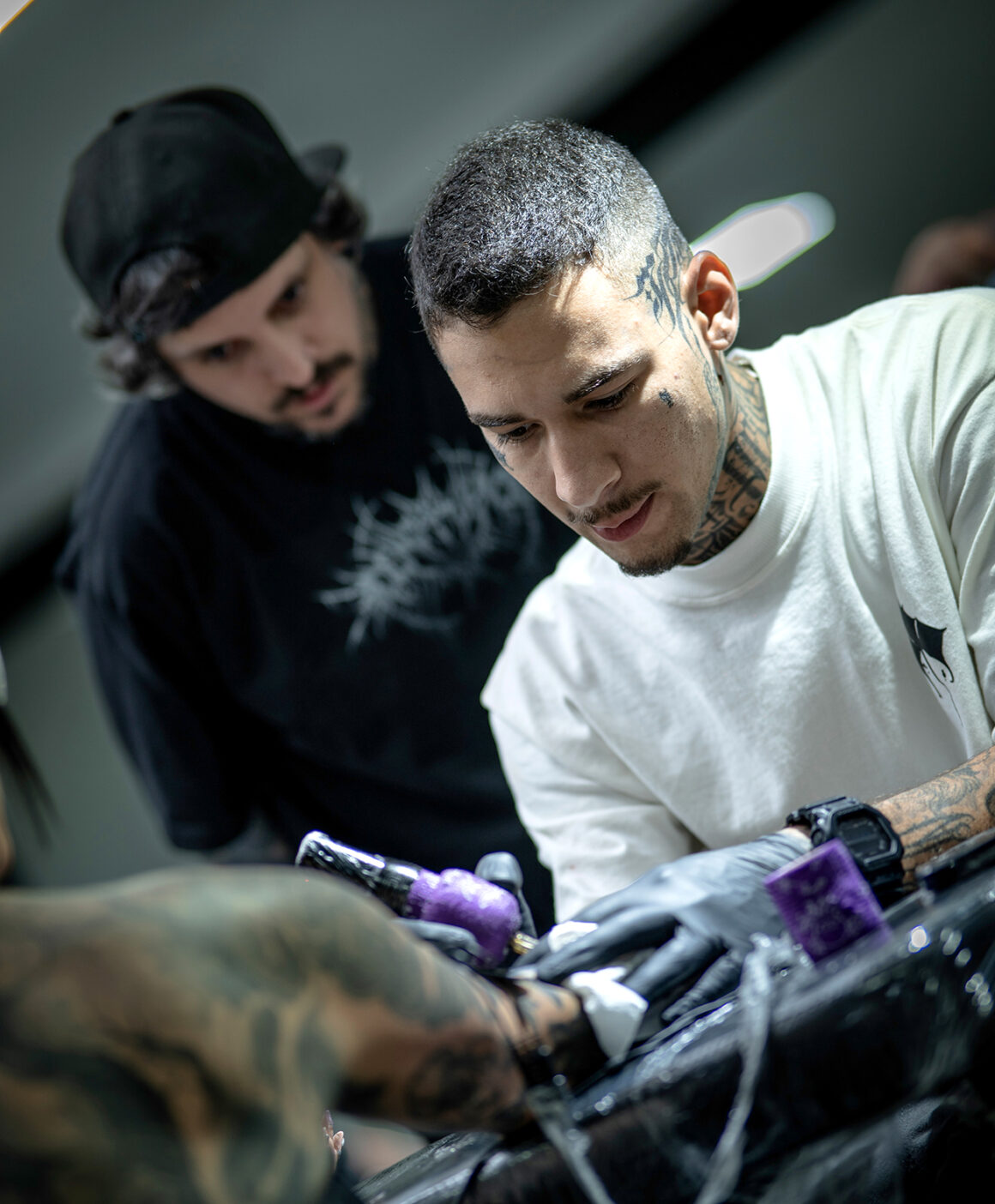
Hello Gustavo, welcome on Tattoo Life, you live in Curitiba, in southern Brazil. Would you like to tell us something about your roots and the place where you work today?
I live in Curitiba, the capital of the state of Paraná, in southern Brazil. It’s a city with a very distinctive climate and a rich cultural mix, something reflected both in its architecture and history. I believe this environment has also influenced my artistic sensitivity throughout the years.
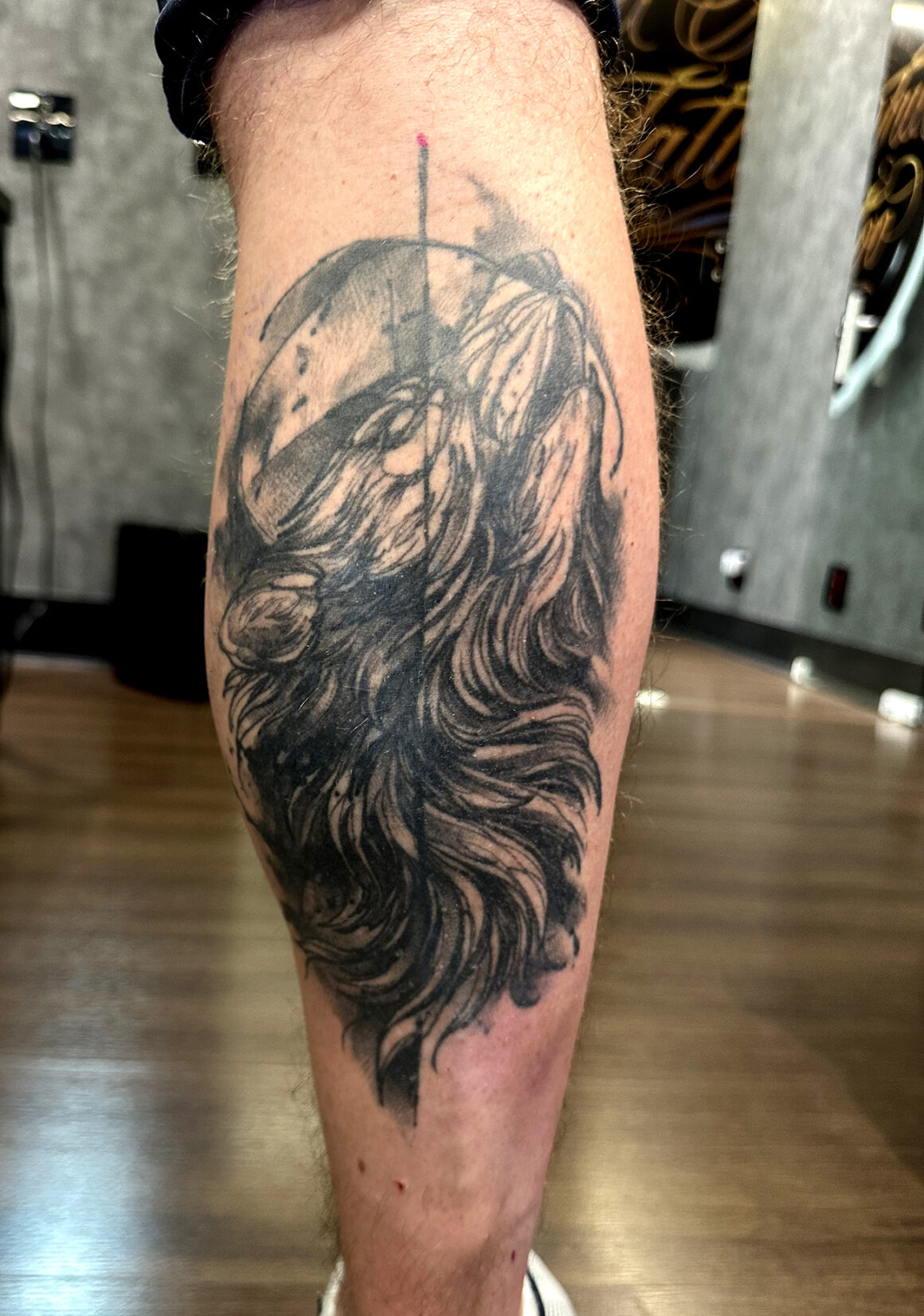
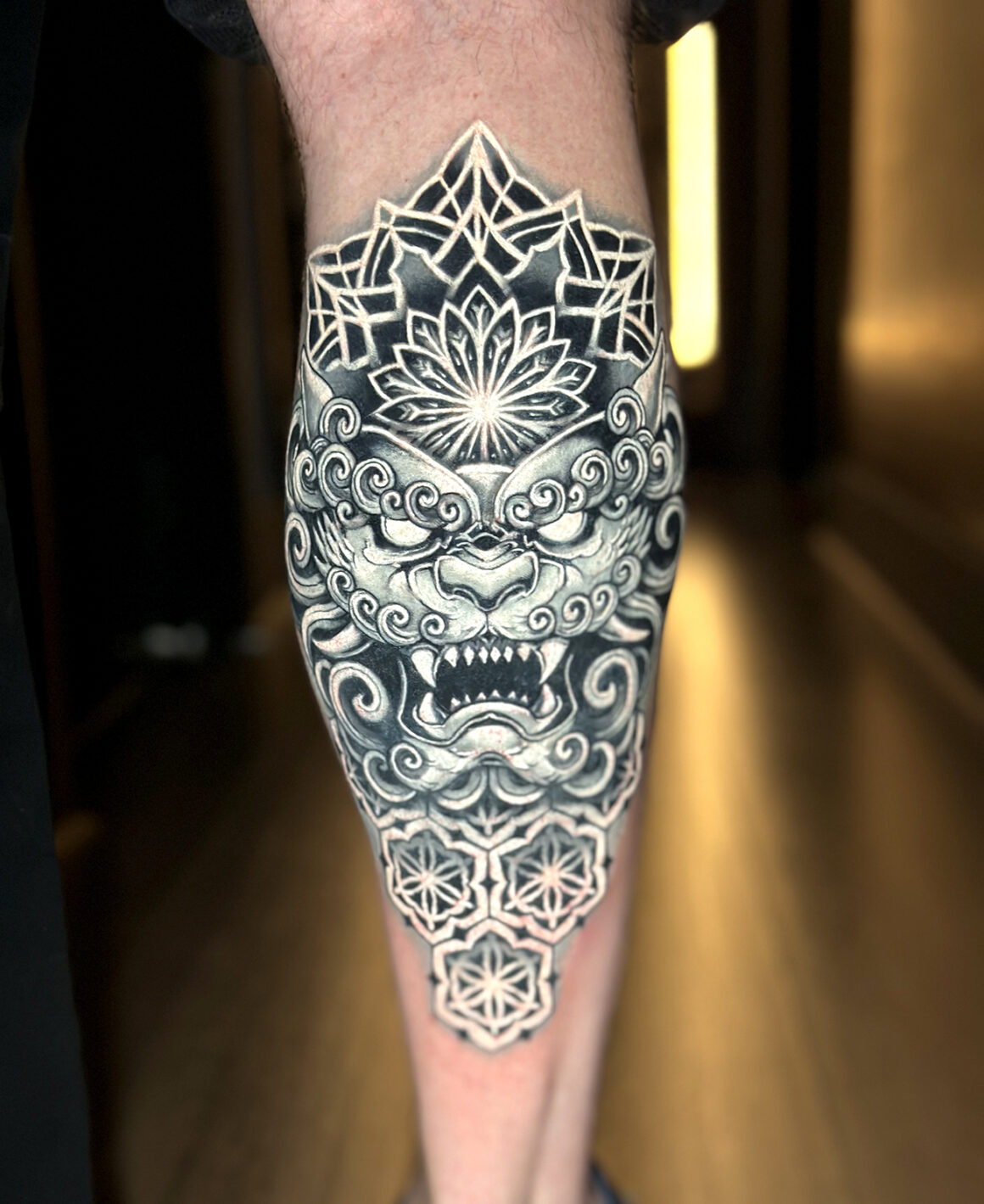
How long have you been part of the tattoo world, and how did everything begin?
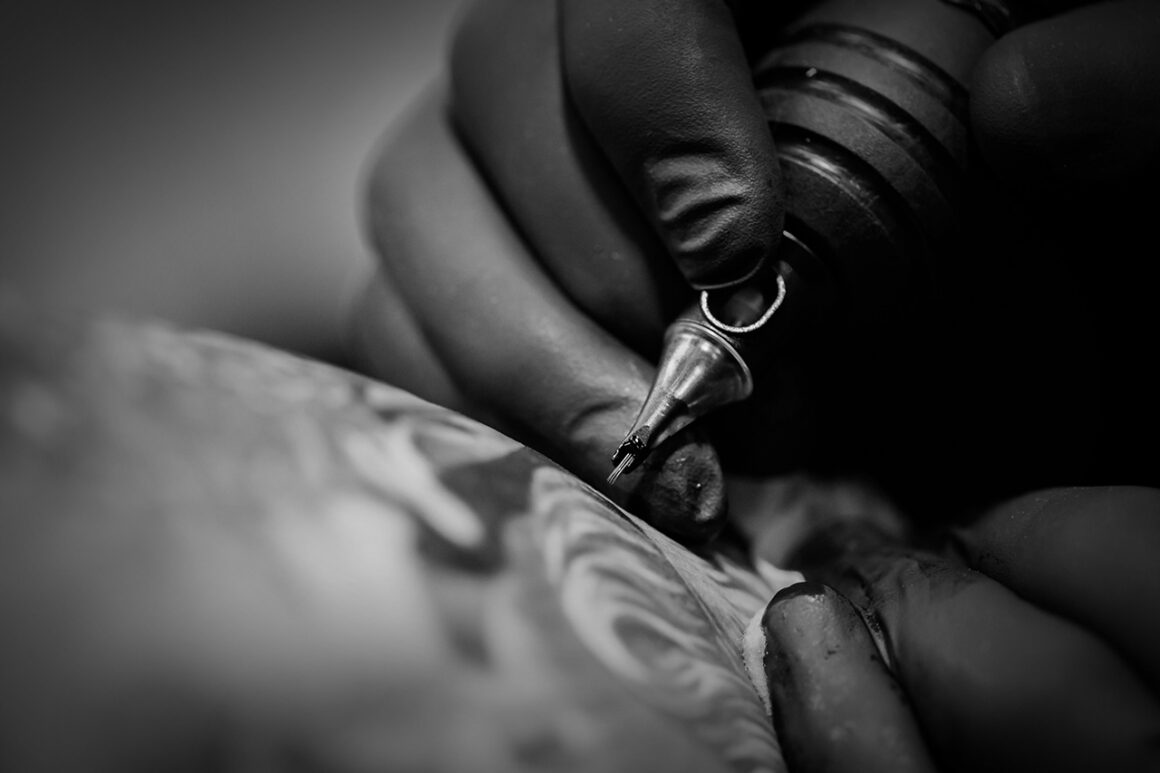
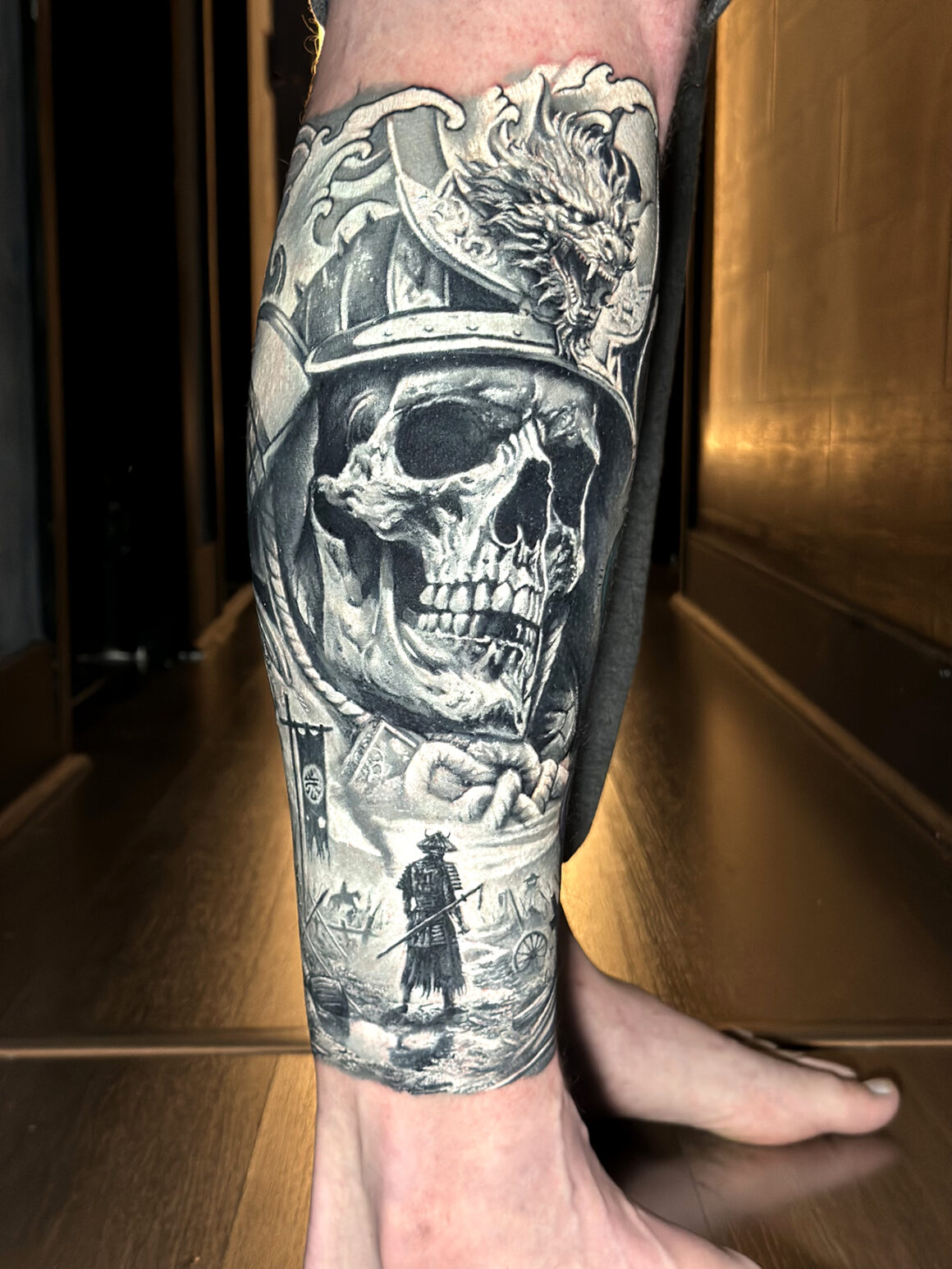
I started my journey in tattooing ten years ago, and for the past six years I’ve been developing my own cover-up techniques. This process has been fundamental in building my artistic identity and gaining recognition in the field. My first contact with tattooing happened when I was sixteen years old. I went to get tattooed and, while observing the artists’ lifestyle up close, I became completely fascinated by it. From that moment on, I decided I wanted to become a tattoo artist and began a journey that completely transformed both my personal and professional life.
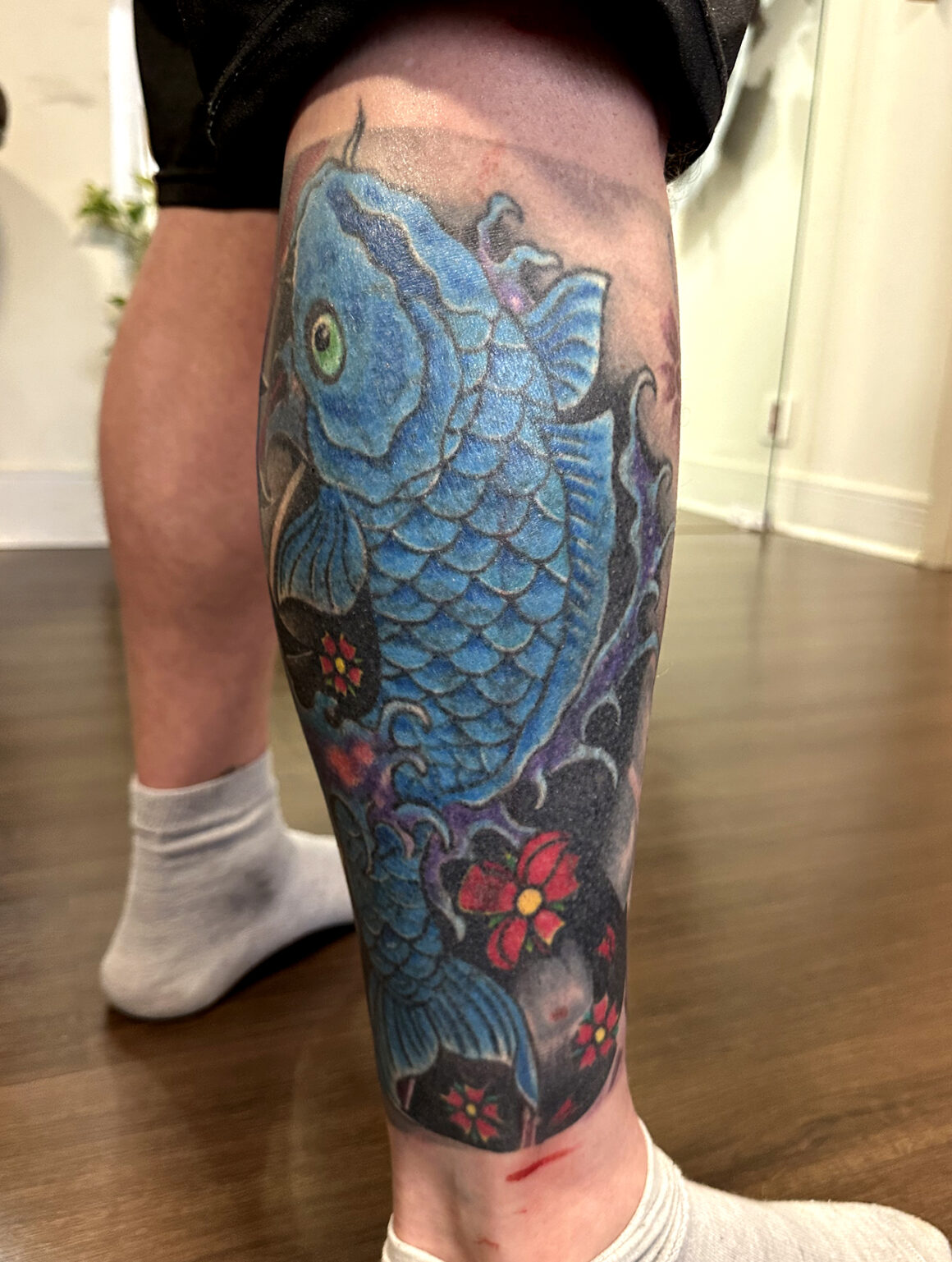
What did you do before becoming a tattoo artist?
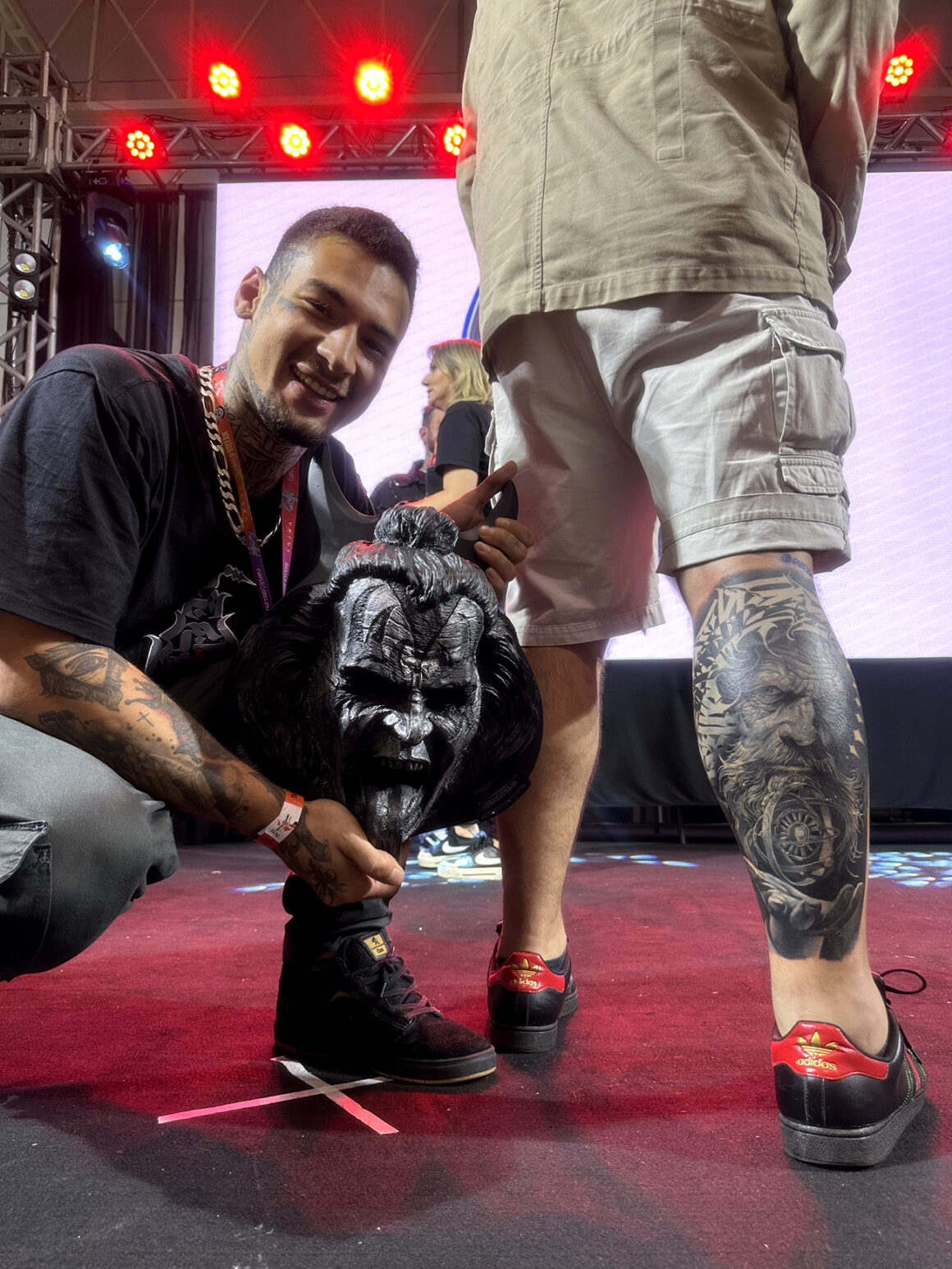
Since I was very young, I dreamed of working in tattooing, but living in a small Brazilian town I quickly understood that I would need to get closer to that world to make it happen. That’s why I decided to move to another city in search of opportunities. During that period, I worked as a waiter, delivery driver, and salesperson until, at seventeen, I managed to save enough money to buy my first tattoo kit. In the beginning, since I had no clients, I had to combine tattooing with other jobs, continuing every single day without stopping until art slowly began opening its own paths for me.
Looking at your more classical works, Renaissance sculpture immediately comes to mind. Do you have a particular fascination with that period or with specific artists?
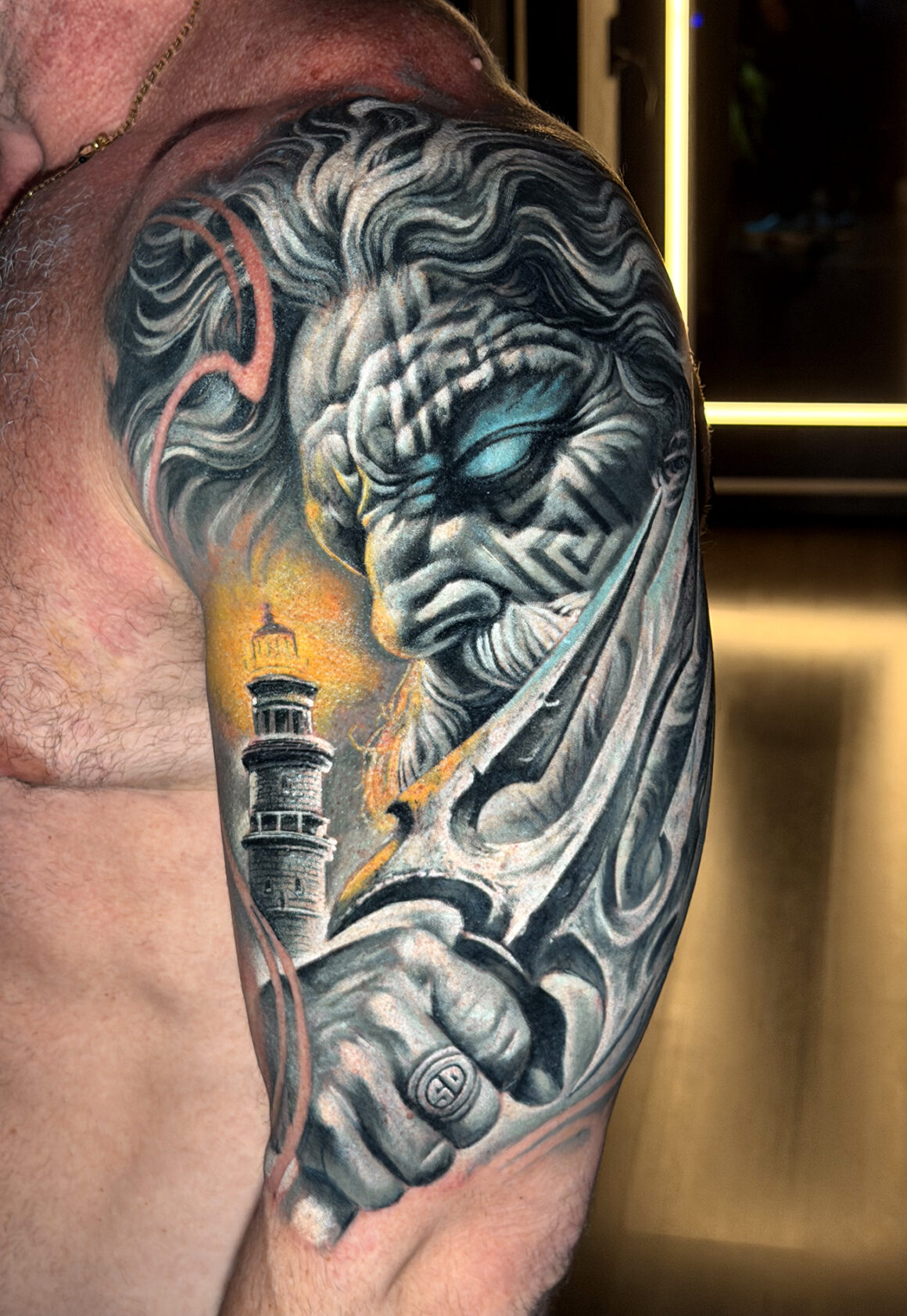
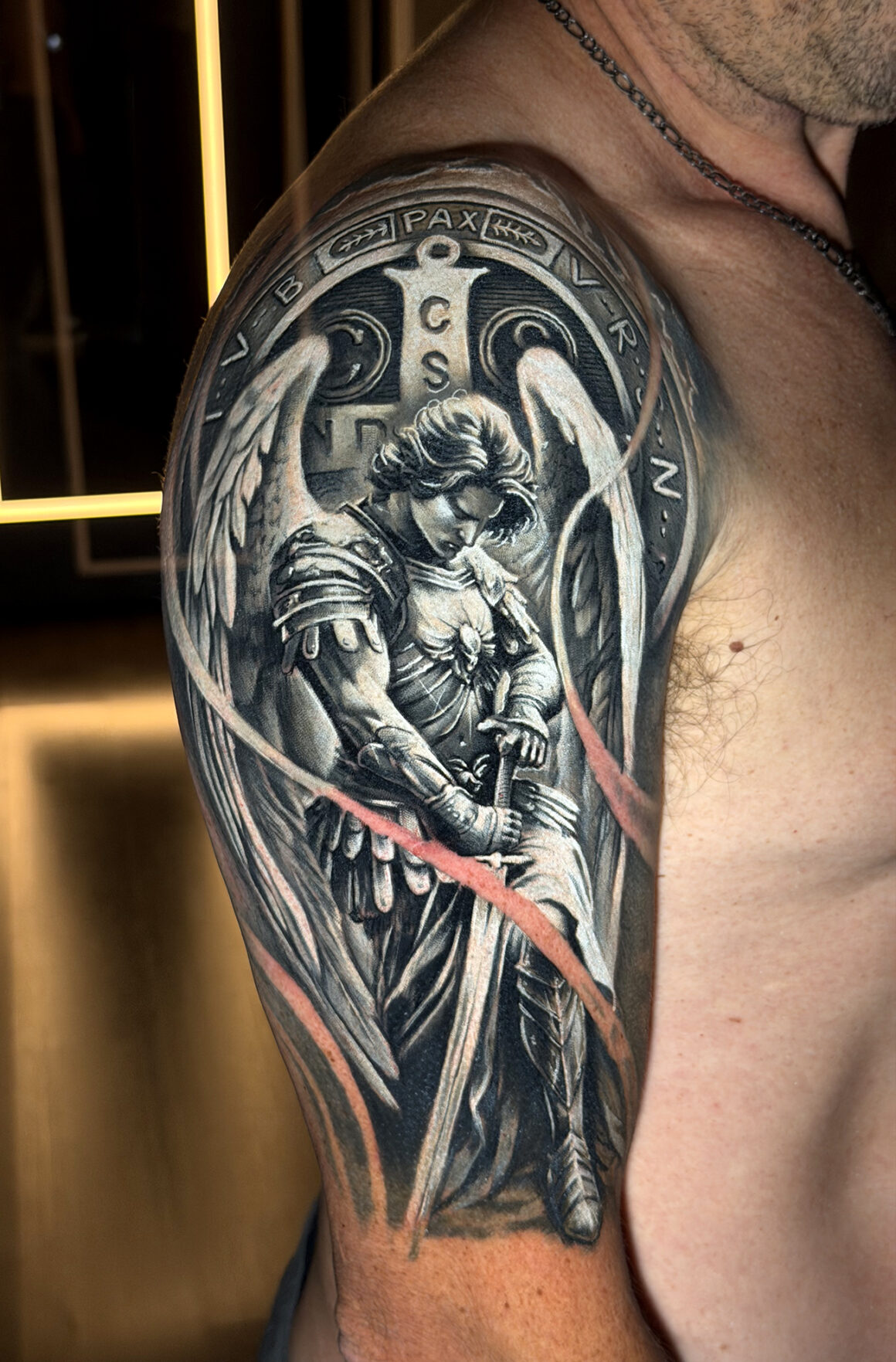
I’ve always deeply admired the way Renaissance artists worked with light, shadow, anatomy, and narrative. I believe this still strongly influences my artistic vision in tattooing today, especially in realism and in the way I build depth and emotion. An artist who has always stood out to me is Caravaggio, mainly because of his dramatic use of light and the emotional impact he created through contrast. I also greatly admire Leonardo da Vinci for his anatomical construction and the softness of his transitions. Even though today I work with a modern tattoo language, I feel that much of the artistic foundation behind my work comes directly from these great masters.
How did you develop your style, and how would you describe your artistic approach today?
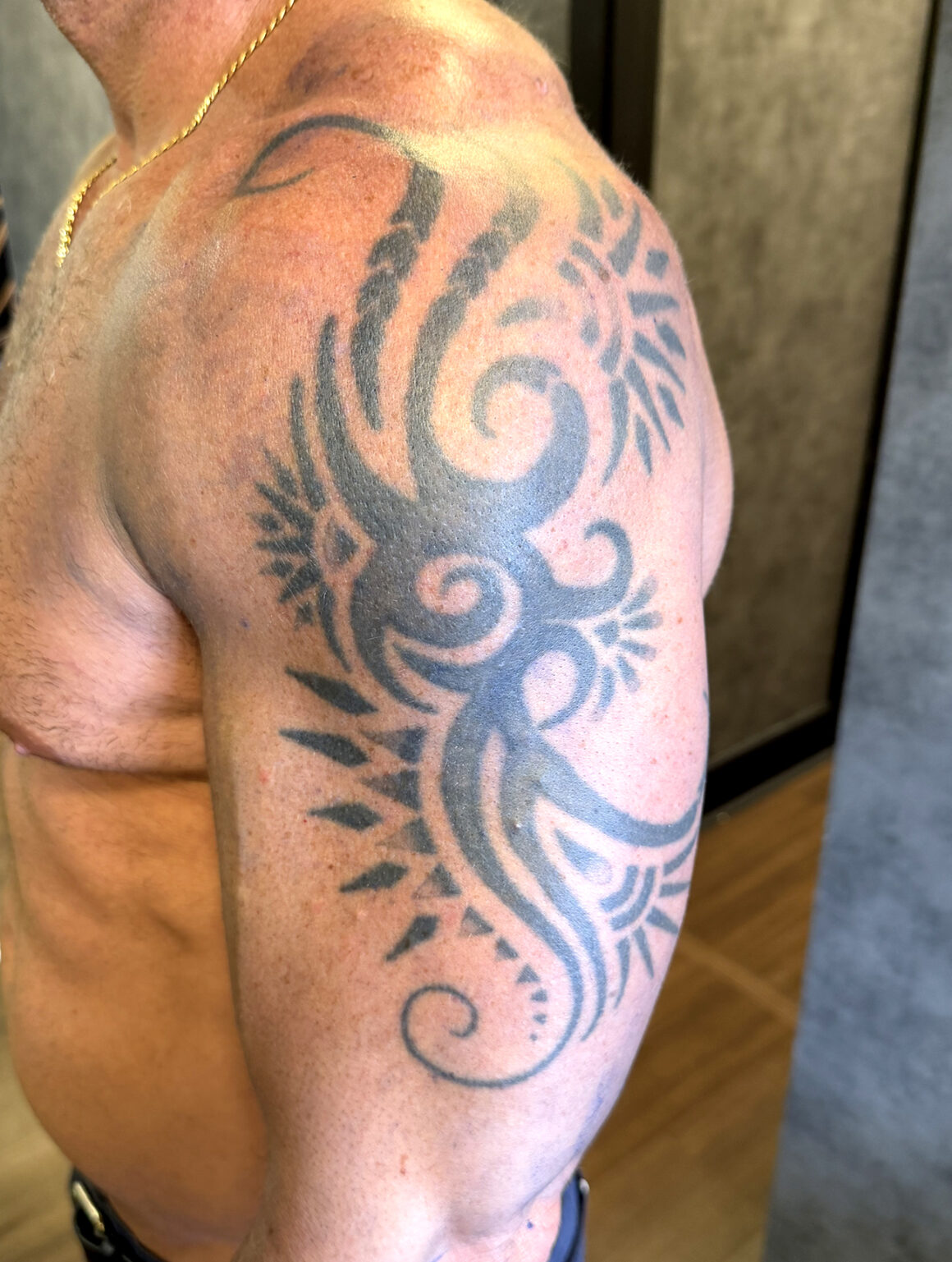
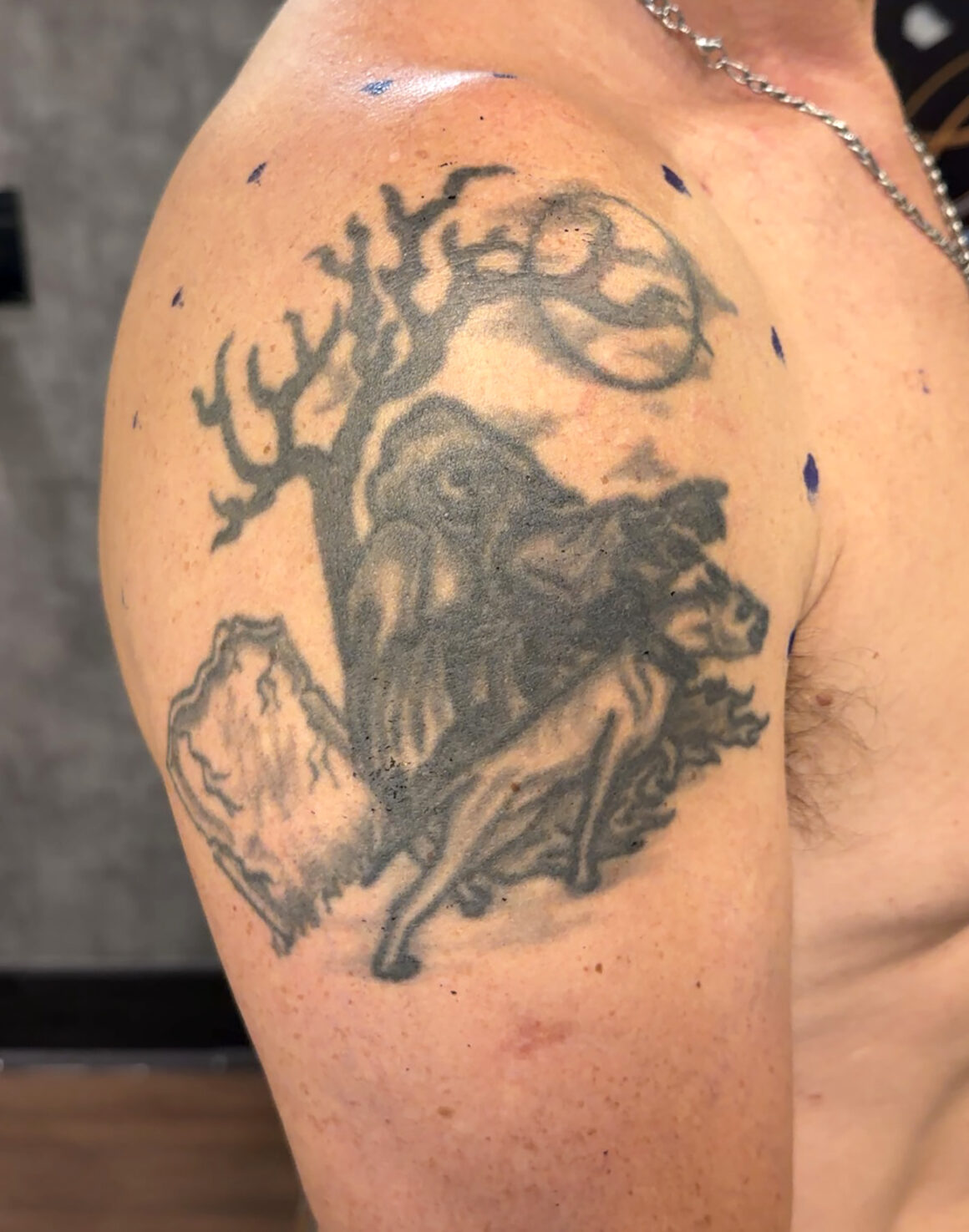
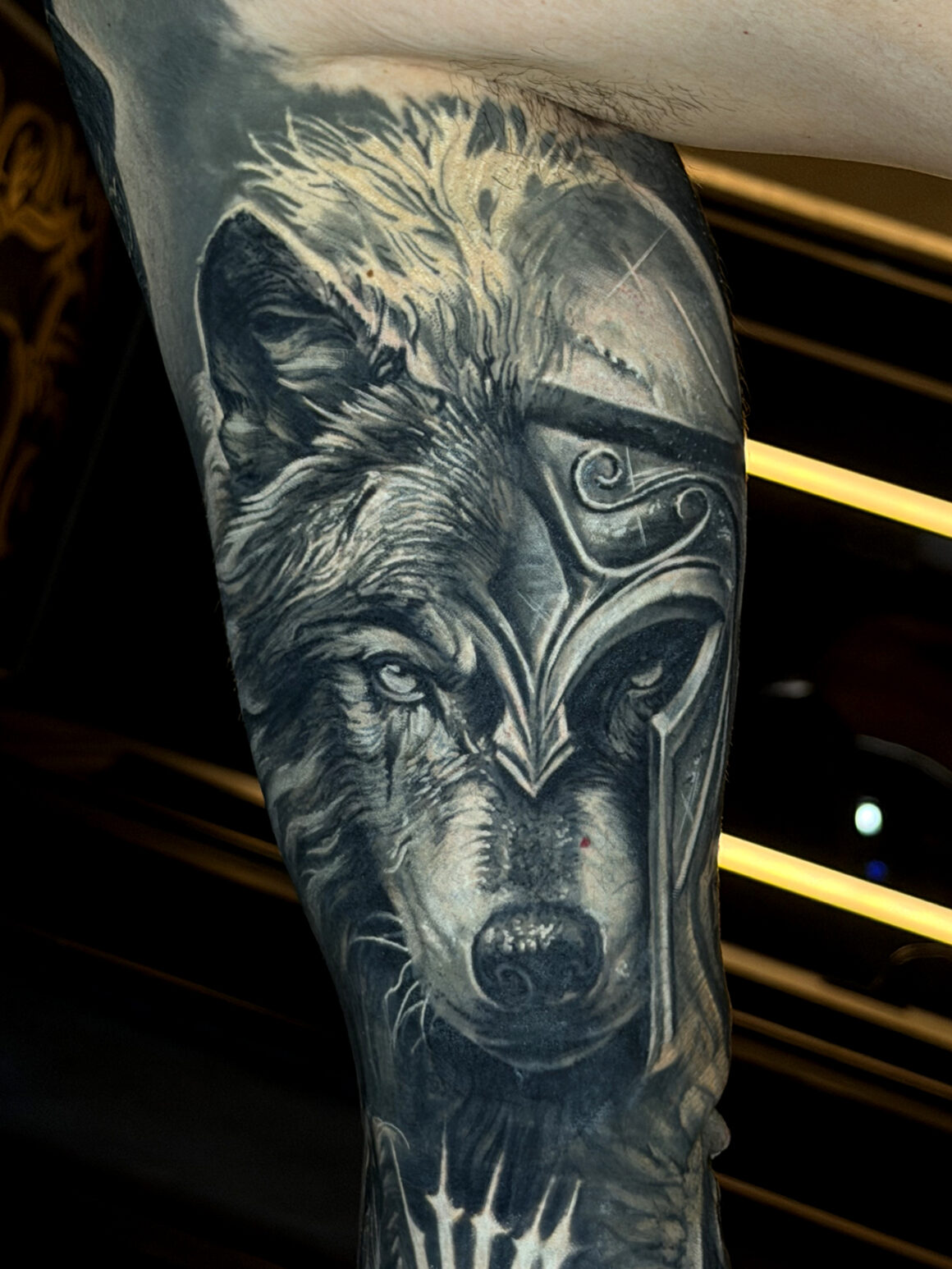
I’ve always had a strong connection with realism. Even before working with cover-ups, I was already creating black and grey tattoos focused on depth, contrast, and a more artistic interpretation of tattooing. I also experimented with pointillism, but always with the intention of building realistic images through dots, so this language has always been part of my work. When I started working with cover-ups, I found myself facing an important challenge: tattooed skin does not offer the same freedom as untouched skin.
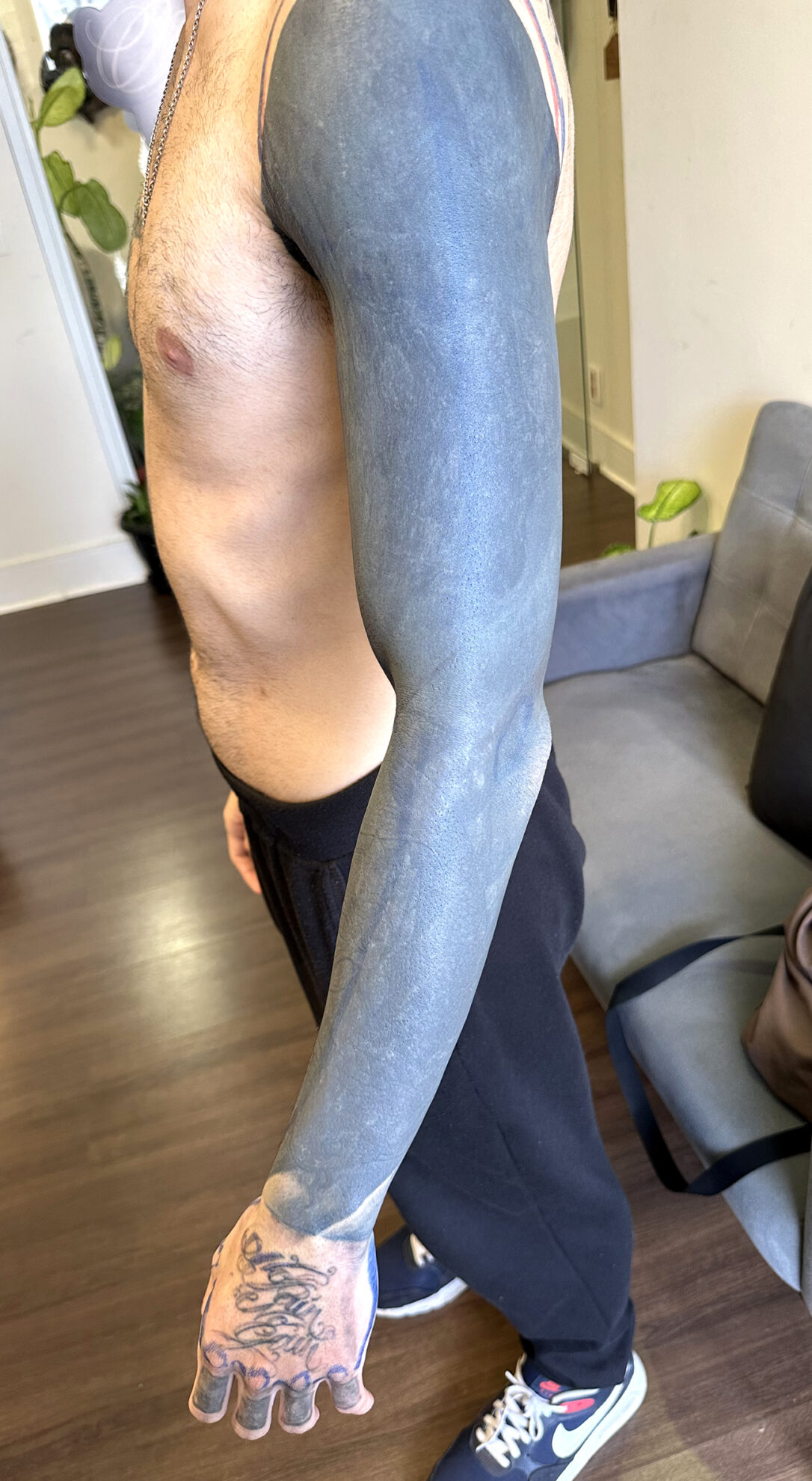
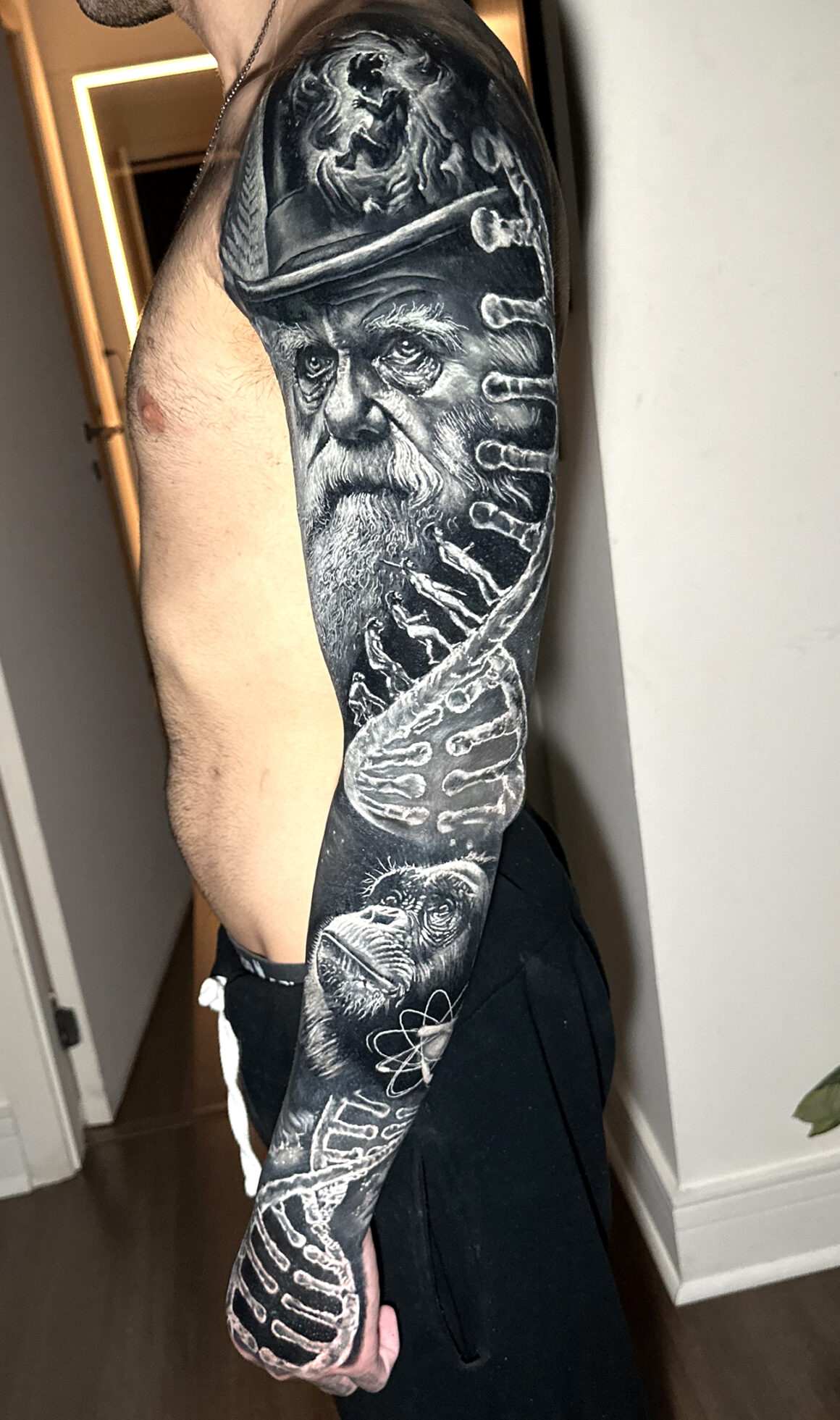
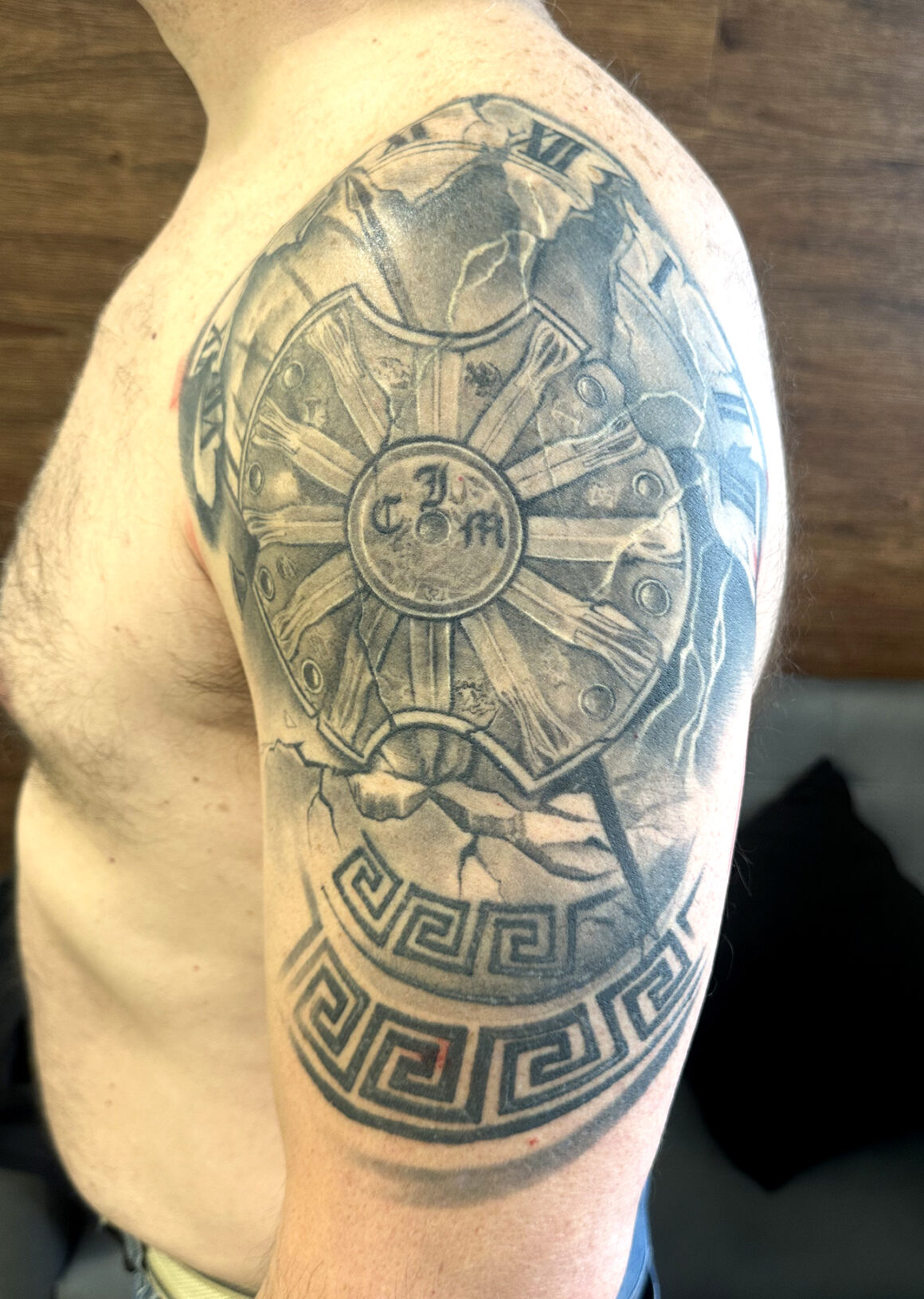
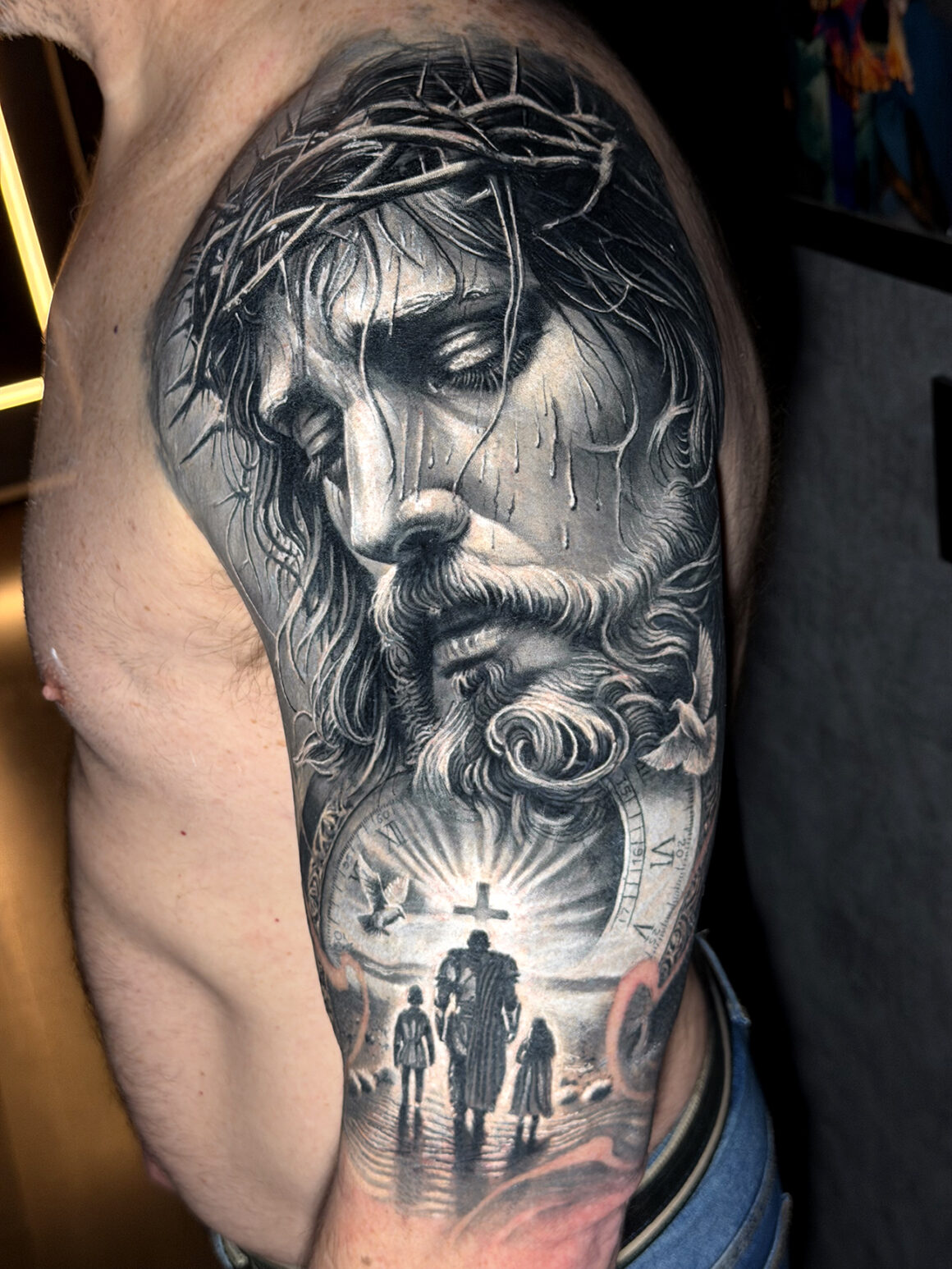
That was the moment when I began developing a personal approach, creating an identity based on realism applied to these more complex situations. I didn’t want to give up that aesthetic just because I was working over old tattoos, so I started studying ways to apply realism even in the most difficult cases. The real turning point came when I understood that the result depends on respecting the process: first understanding and balancing what already exists on the skin, then building the new image from there. Over time, this method became my signature style. Today I’m able to adapt realism to the limitations and specificities of every skin, from simpler cases to extremely complex situations. One of the most important aspects of my work is the control of light and shadow.
I always aim for lighter compositions with a strong sense of depth and contrast, without making the tattoo too heavy or too dark.
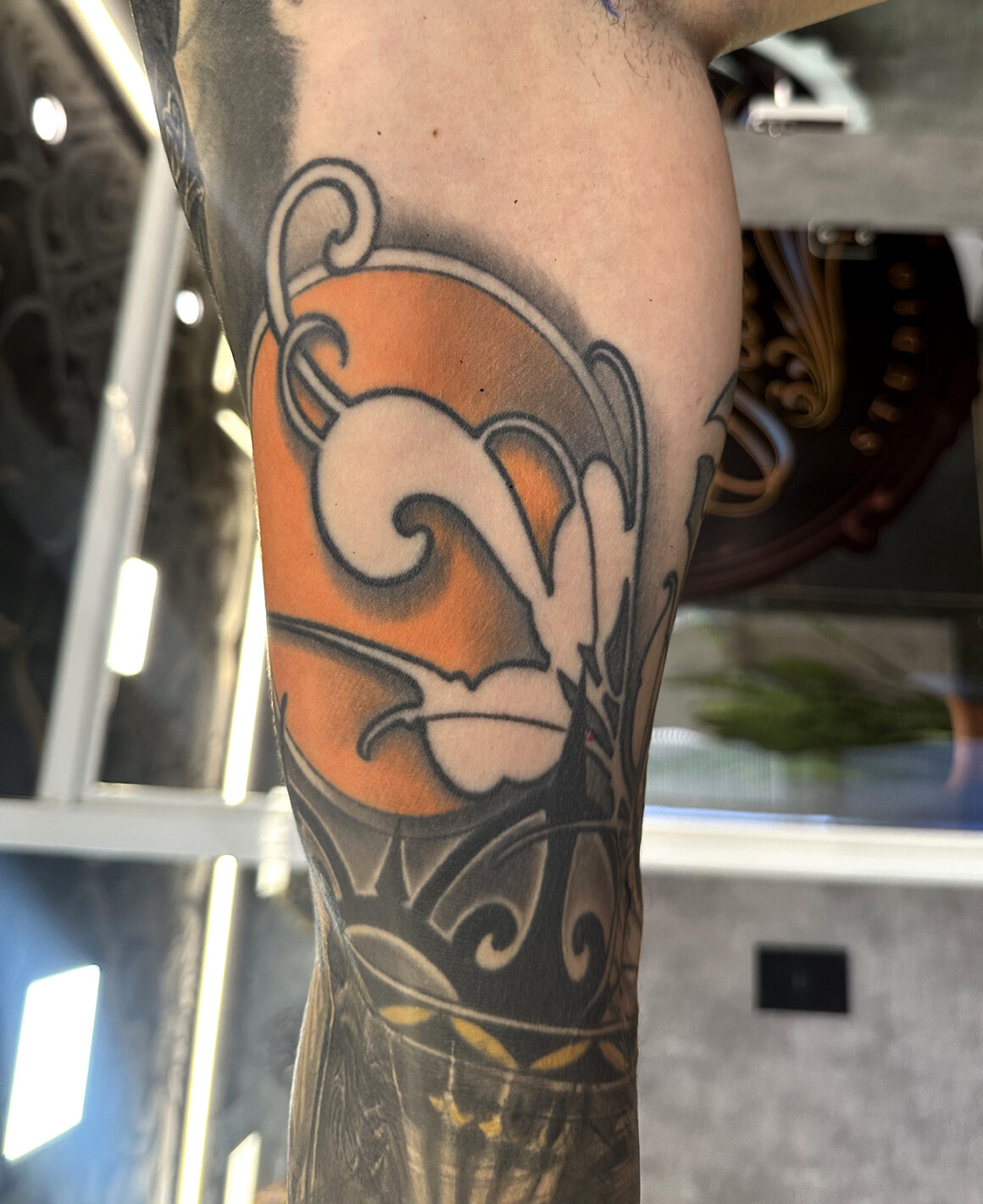
Even over highly saturated or dark tattoos, I developed techniques that allow lighter tones to remain stable within the composition so that, once healed, the work still maintains readability, impact, and naturalness. Today I see my work as a combination of technique, strategy, and artistic sensitivity. More than hiding an old tattoo, my goal is to reorganize the information already present on the skin and transform it into a new visual interpretation with more balance and harmony.
What matters most to you when tattooing someone?
For me, it’s essential to see much more than just a tattoo when someone enters my studio. I see the opportunity to understand their story, their pain, and what they are trying to transform through this experience. Every session is unique because behind every piece of skin there are life experiences, emotions, and marks that go far beyond what is visible on the surface. My work always begins with dialogue and takes shape through art. Every project is fully customized and carefully developed in every detail so that the result is not simply the covering of an unwanted tattoo, but a true transformation. I believe my defining characteristic is precisely this sensitive and personal approach, capable of giving new meaning to pain, restoring confidence and self-esteem, and creating a piece that represents a new chapter in each client’s life.
What have been the most important steps in your artistic journey?
Since the beginning of my journey, I’ve invested heavily in technical study and in developing personal techniques. In most cases, I had to learn on my own because when I started there were no specific courses dedicated to cover-ups.
I sacrificed a lot of free time to understand that, just like cover-ups, learning itself is also part of a process.
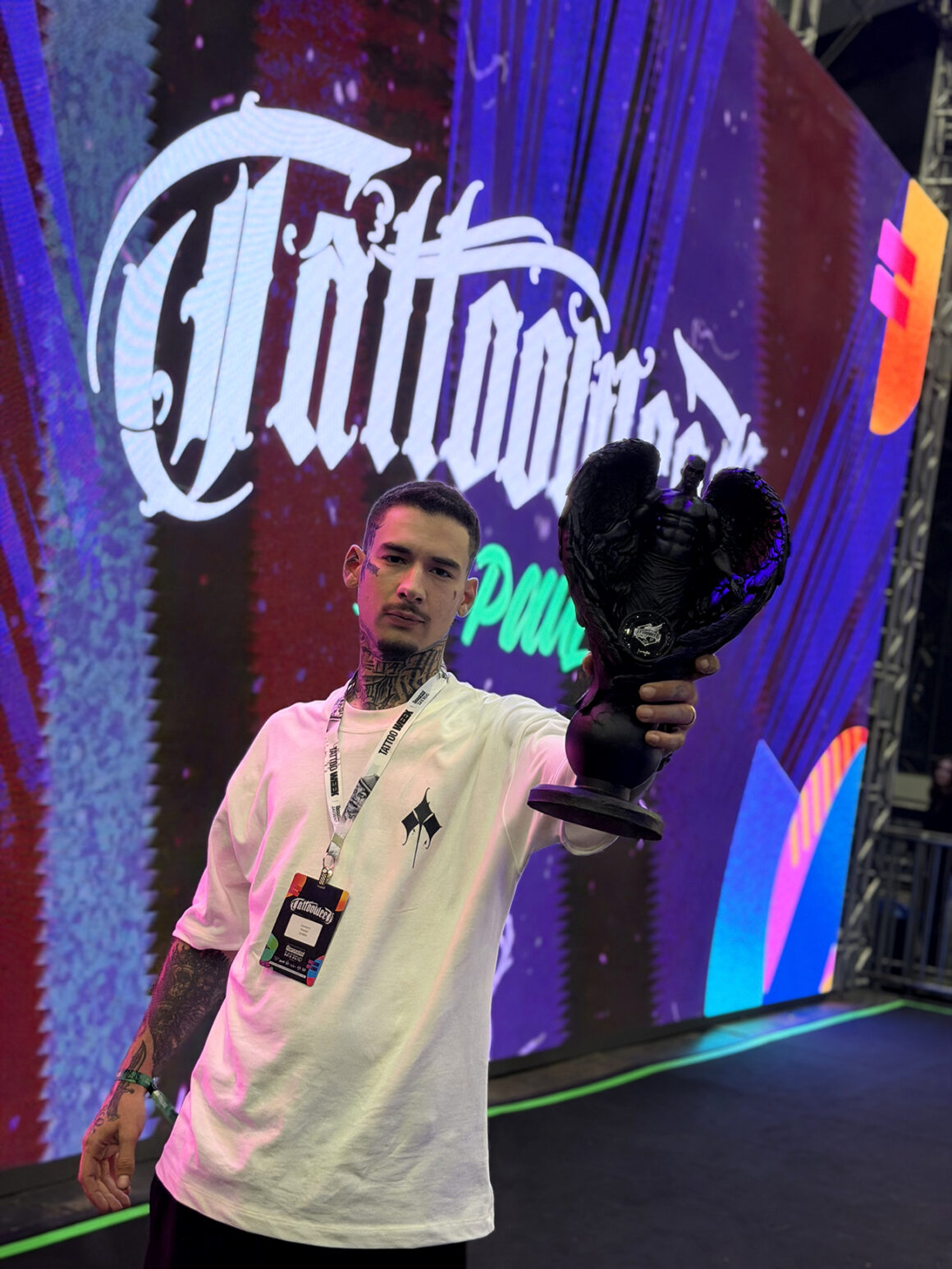
A decisive moment came when I chose to place art at the center of everything, going beyond the simple technical execution of tattooing. From that point on, I began building my own visual language and seeing every challenge as part of my artistic and professional growth. Tattooing has given me far more than professional achievements: it has allowed me to meet artists who once were only inspirations, to travel, to experience different cultures, and to broaden my creative vision. Among the most important milestones in my career is certainly the honor of serving as a judge at international tattoo conventions, including Tattoo Week, one of the largest in the world. I’ve also had the opportunity to teach workshops and share my experience, understanding even more how art should be collectively shared. Above all, I have the privilege of working with what I love most and of being able to positively impact people’s lives through tattooing.
Do you think you will one day leave Brazil?
I have the desire to travel across different continents, bringing my art to various parts of the world and sharing it with different cultures. At the same time, I want to absorb the history and essence of every place I visit, transforming these experiences into creative and personal growth.
How do you organize your professional life today? Do you travel for guest spots or tattoo sessions?
Because of the high demand, I need to organize my travels and guest spots very carefully. Whenever possible, I always try to expand my work toward new destinations, increasing these exchanges and experiences. For next year, my goal is to bring my art onto the international scene as well, in addition to the work I already do in Brazil. I can say that new opportunities and new paths are coming.
What are your future goals?
I would like to present my work in other countries, expanding my career internationally. Today tattooing is a global language, present in different cultures and styles, capable of connecting artists and people through a continuous exchange of techniques, references, and stories. For me, Europe and the United States represent extremely important realities. Europe has a deep connection with the history of art and culture, while the United States played a fundamental role in the development of modern tattooing. More than simply getting to know these realities, I want to immerse myself completely in these contexts, exchange experiences with other artists, and broaden my perspective on tattooing through different cultures. I believe this direct contact with the global scene will have a very important impact on my artistic and professional journey.