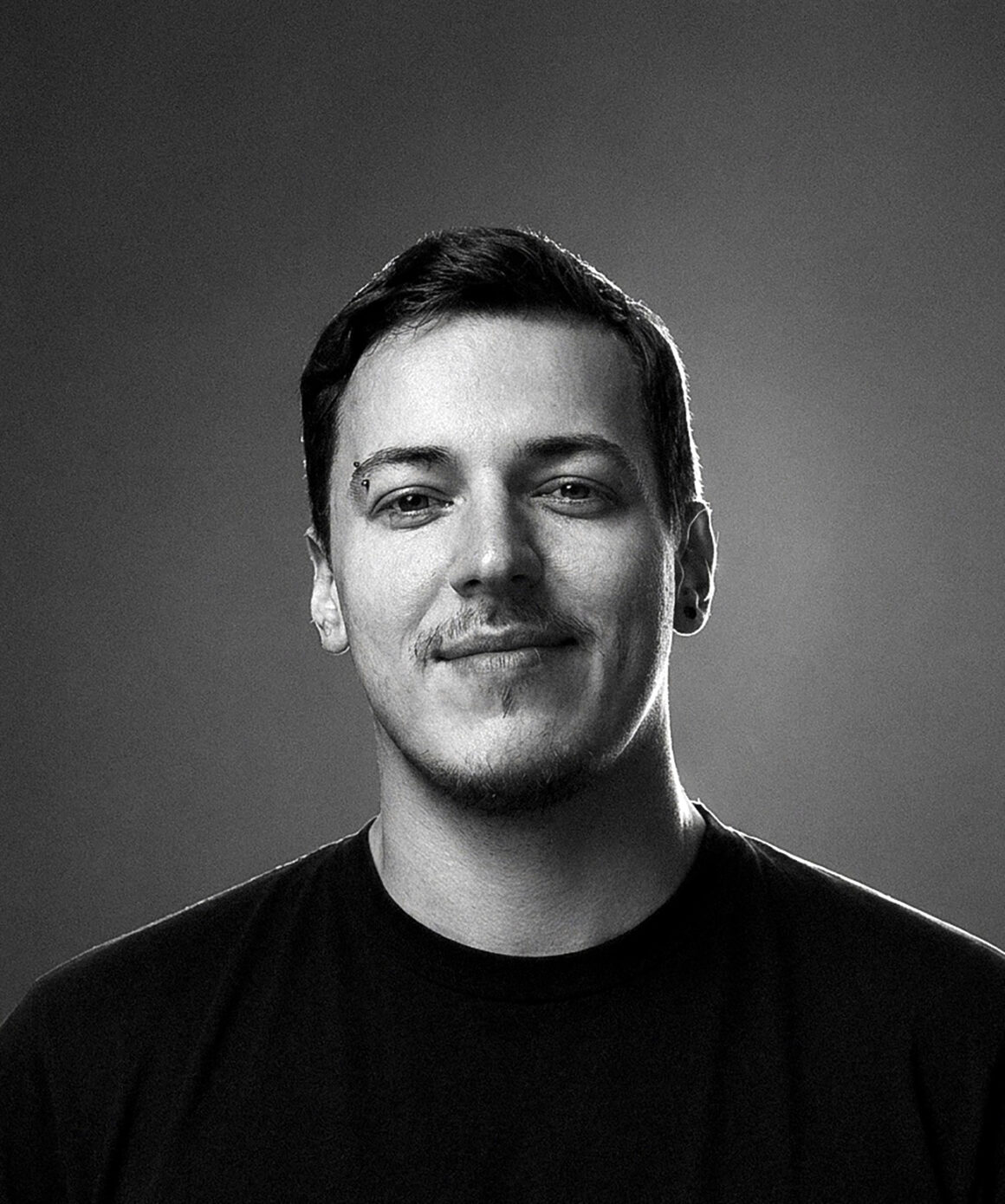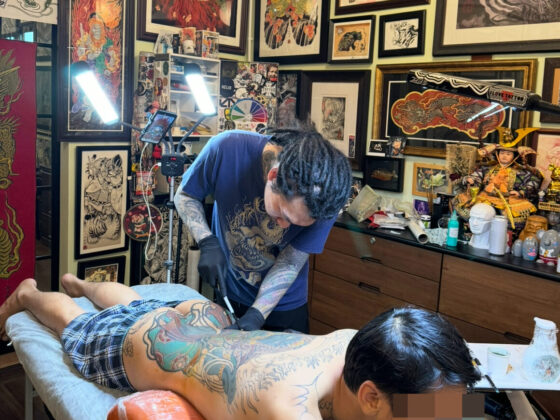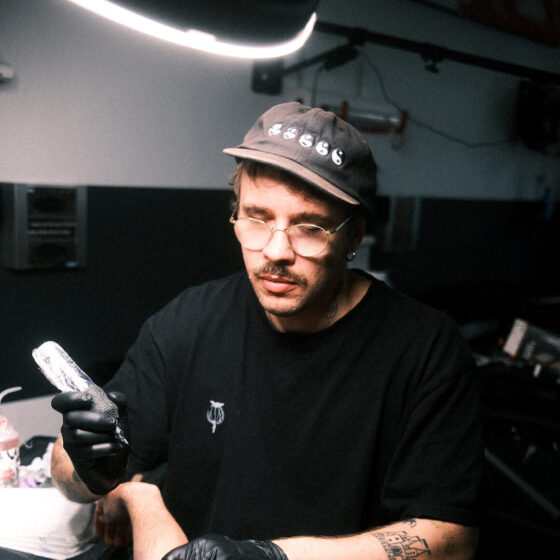
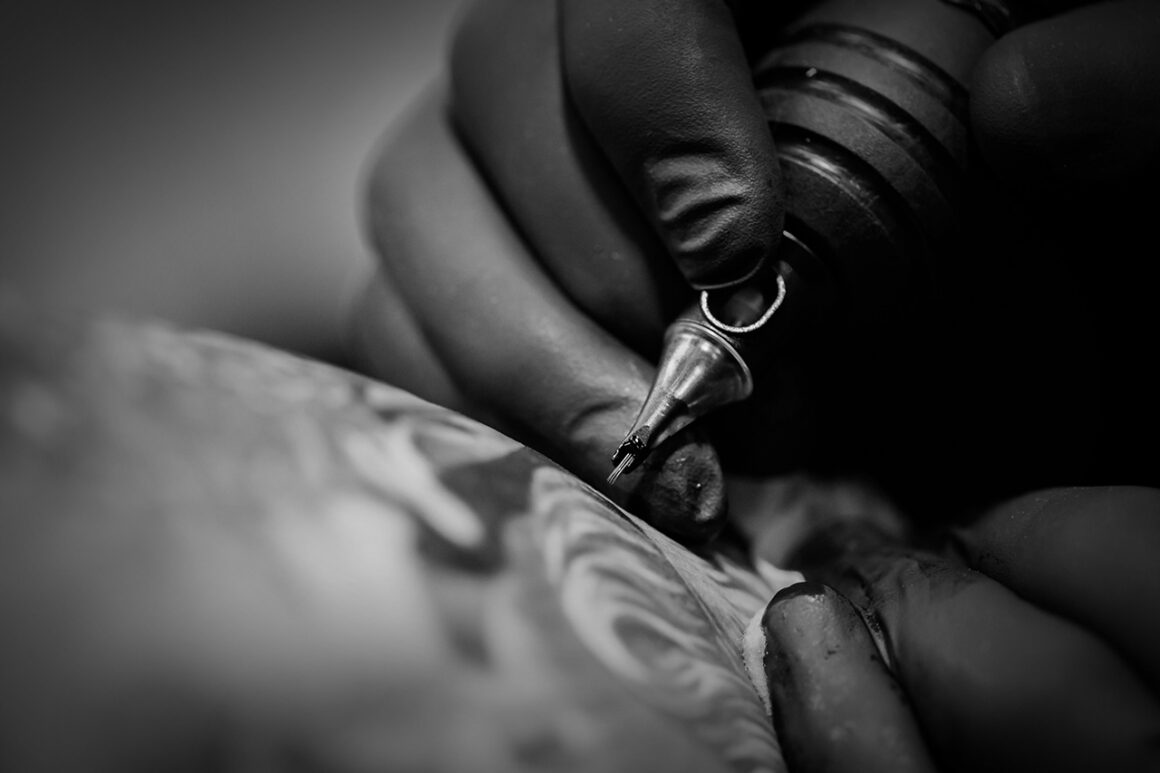

From Kazakhstan to Germany and back again, Vladolla has built a tattoo career shaped by international experience, artistic curiosity, and a constant drive to evolve. His work blends realism with influences drawn from movies, music, graffiti, video games, and contemporary pop culture, creating bold compositions that are both visually striking and instantly recognizable.
In this interview, he discusses the natural development of his Pop Realism style, the importance of strong composition and readability, and his ambition to push his artistic vision beyond tattooing into the broader world of contemporary art.
Vlad, welcome to Tattoo Life. How did your journey into the world of tattooing begin?
I’m originally from Almaty, Kazakhstan, where my journey into tattooing began and the foundations of my career were established. Over the past few years, I lived and worked in Germany, gaining valuable professional experience, working with clients from different countries, and taking part in major conventions and industry events. At the moment, I’m back in Kazakhstan, where I continue to work while applying everything I learned during my time in Europe. It all started quite simply. I’ve loved drawing since childhood and have always been drawn to creativity, but at the time I wasn’t really thinking about tattooing as a career. When I was 18, I got my first tattoo.
That was the moment I was truly introduced to the tattoo world and the atmosphere of a tattoo studio. I was fascinated by the environment—the artwork on the walls, the creative people around me, and the entire process of creating tattoos. At some point, I realized that I didn’t just want to watch it from the outside. I wanted to create tattoos myself and bring my ideas from paper onto skin. What started as simple curiosity gradually turned into a profession, and eventually into the work I’ve dedicated my life to.
How did you get into your “Pop Realist style” and why did you choose this particular style?
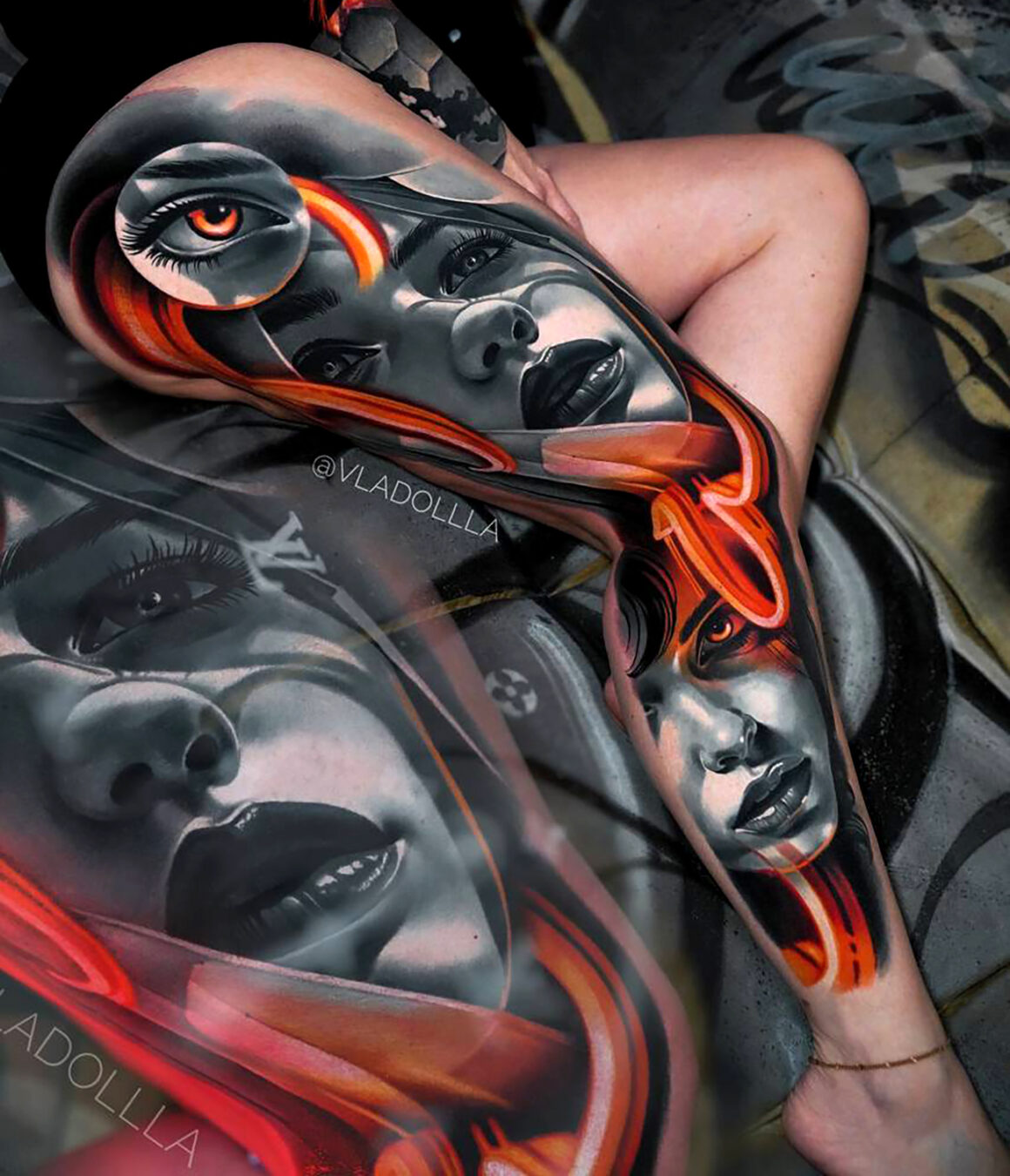
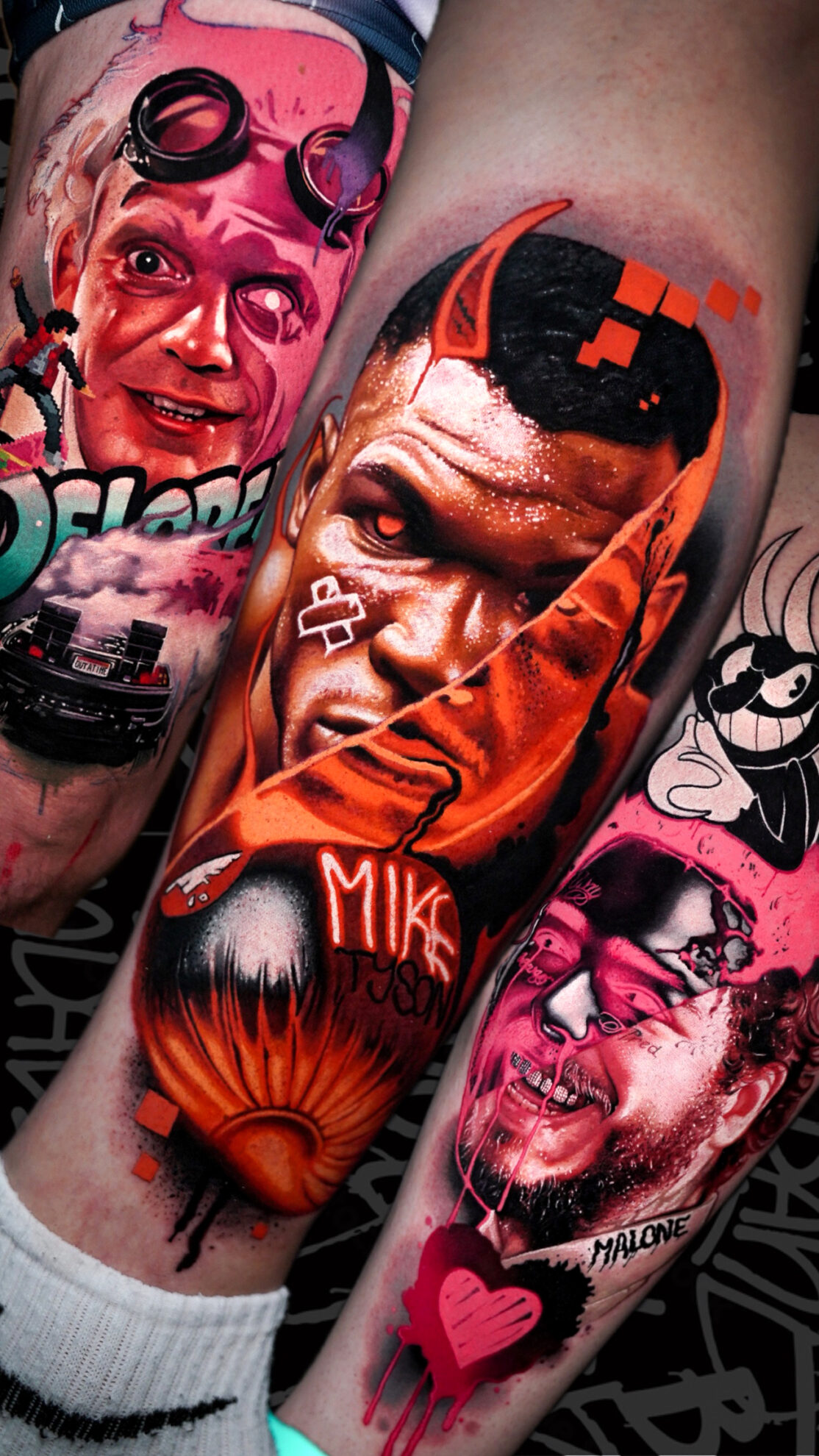
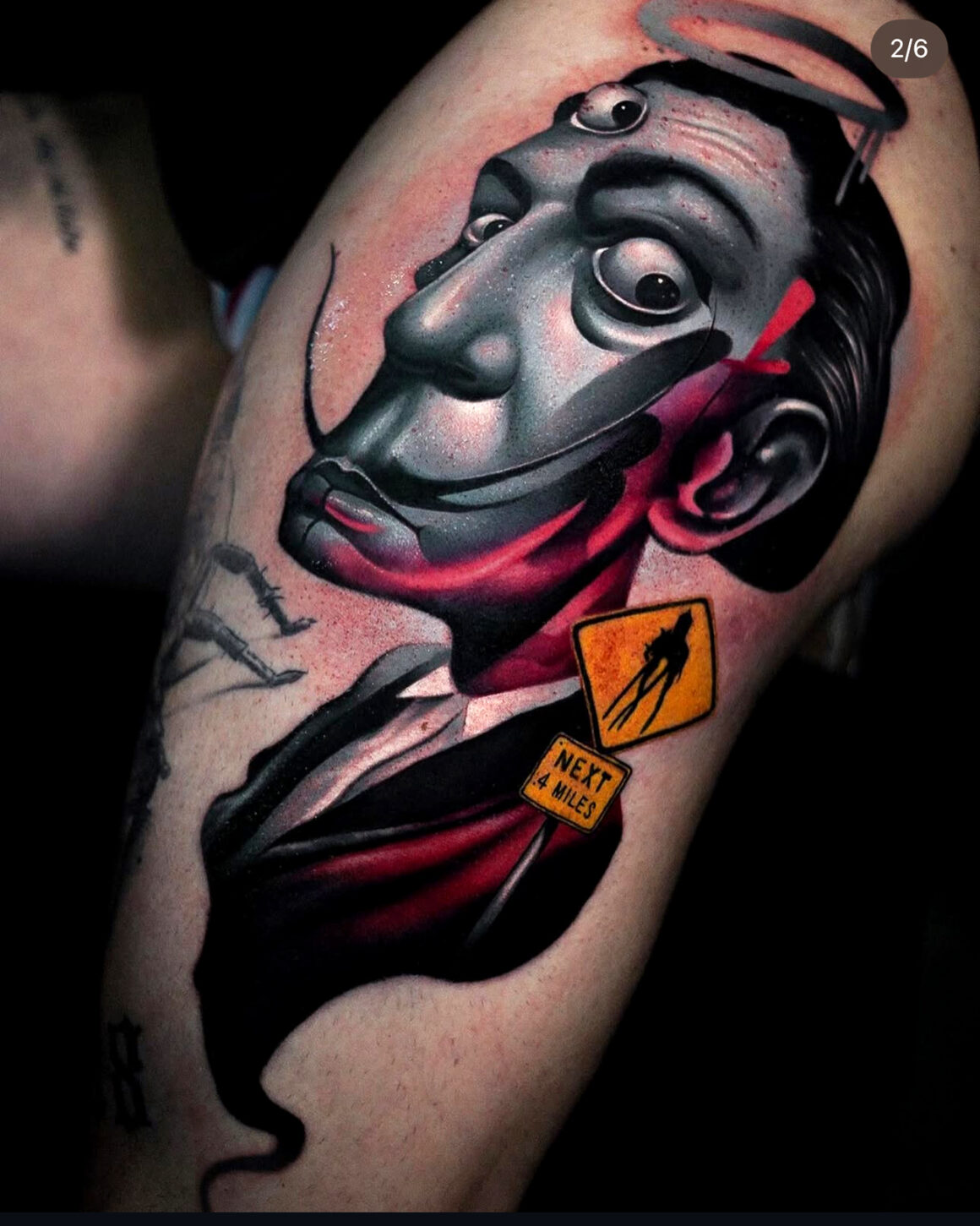
To be honest, I can’t point to a specific moment when I decided, “That’s it, I’m going to become a Pop Realism artist.” My style developed naturally over time. In the beginning, I experimented with different approaches, but gradually became more focused on realism. As my work evolved, I started incorporating elements of pop culture, graffiti, surrealism, films, video games, and iconic characters.
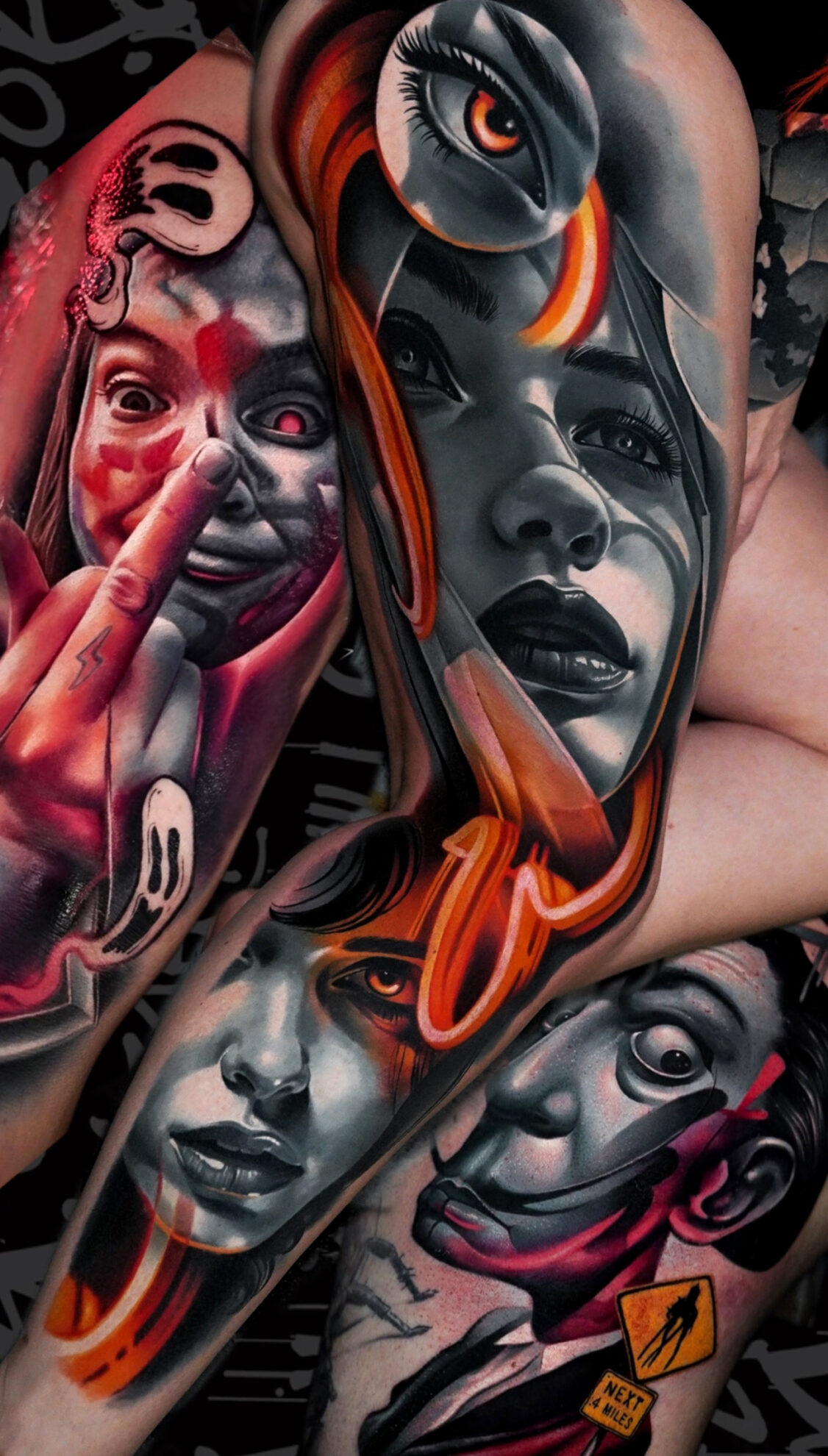
American culture has had a strong influence on me, which is why many of my tattoos are inspired by movies, music, comics, and recognizable characters. Eventually, all of those influences came together and formed what people now describe as my style. I enjoy combining realism with strong visual elements, unusual ideas, and imagery that people instantly connect with. I think that’s what ultimately led me to what is now known as Pop Realism.
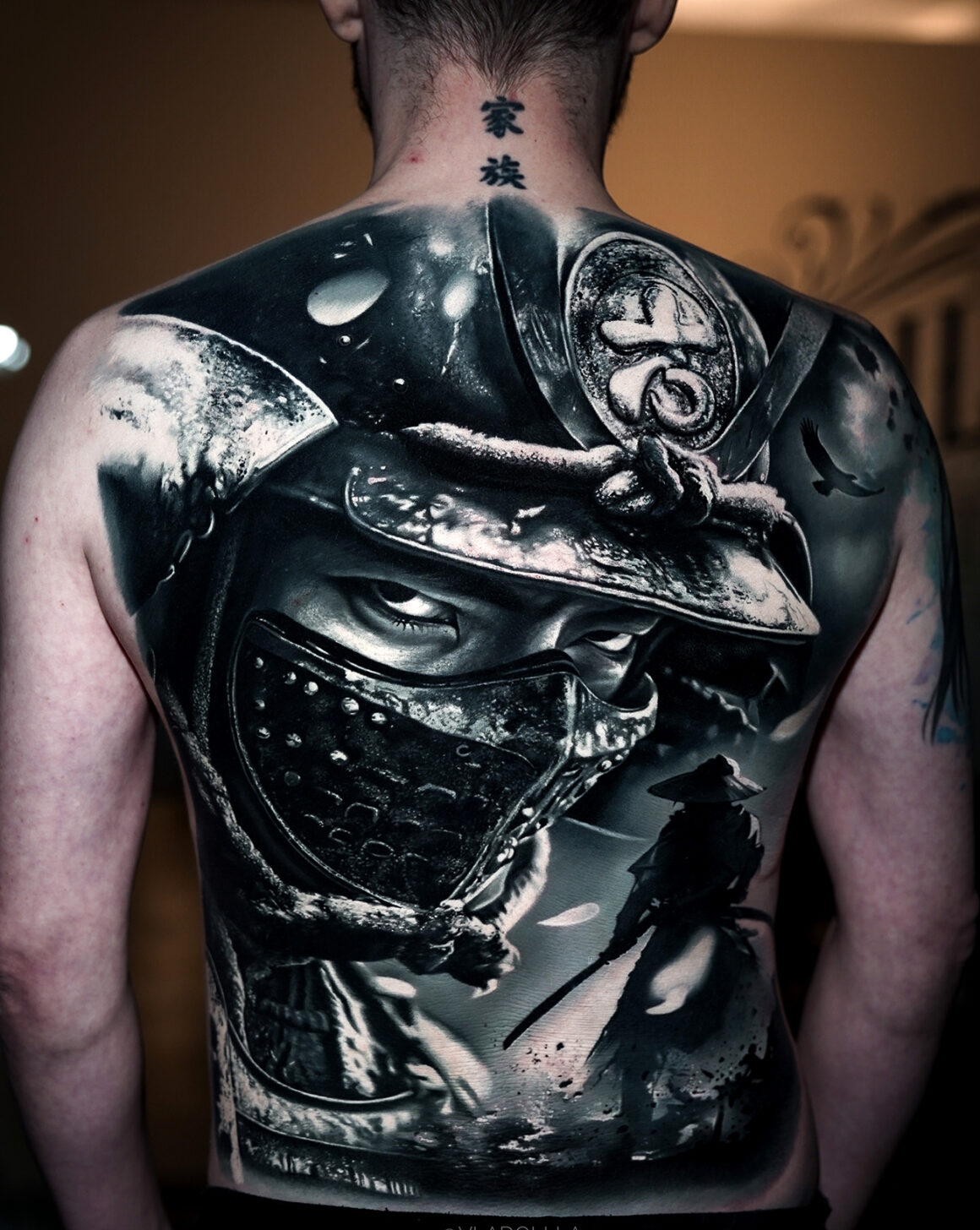
What are your favorite subjects?
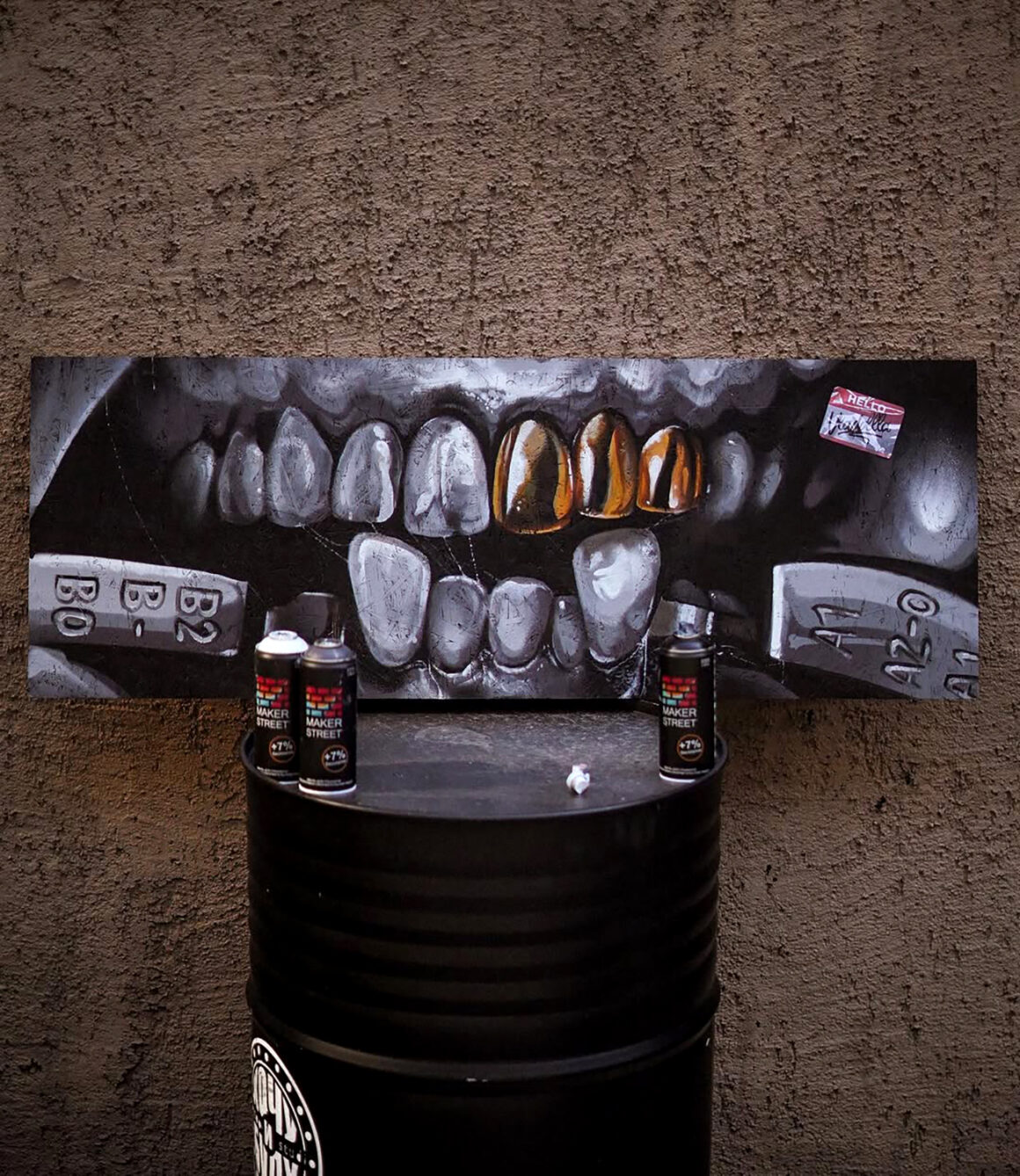
What interests me most is creating something visually striking and memorable. I like mixing realism with unusual details, contrasts, hidden references, and elements that make people stop and look at a tattoo for a little longer. I’m often inspired by movies, video games, music, graffiti, and pop culture in general. Many of my ideas come from things that have left a strong impression on me visually or emotionally.
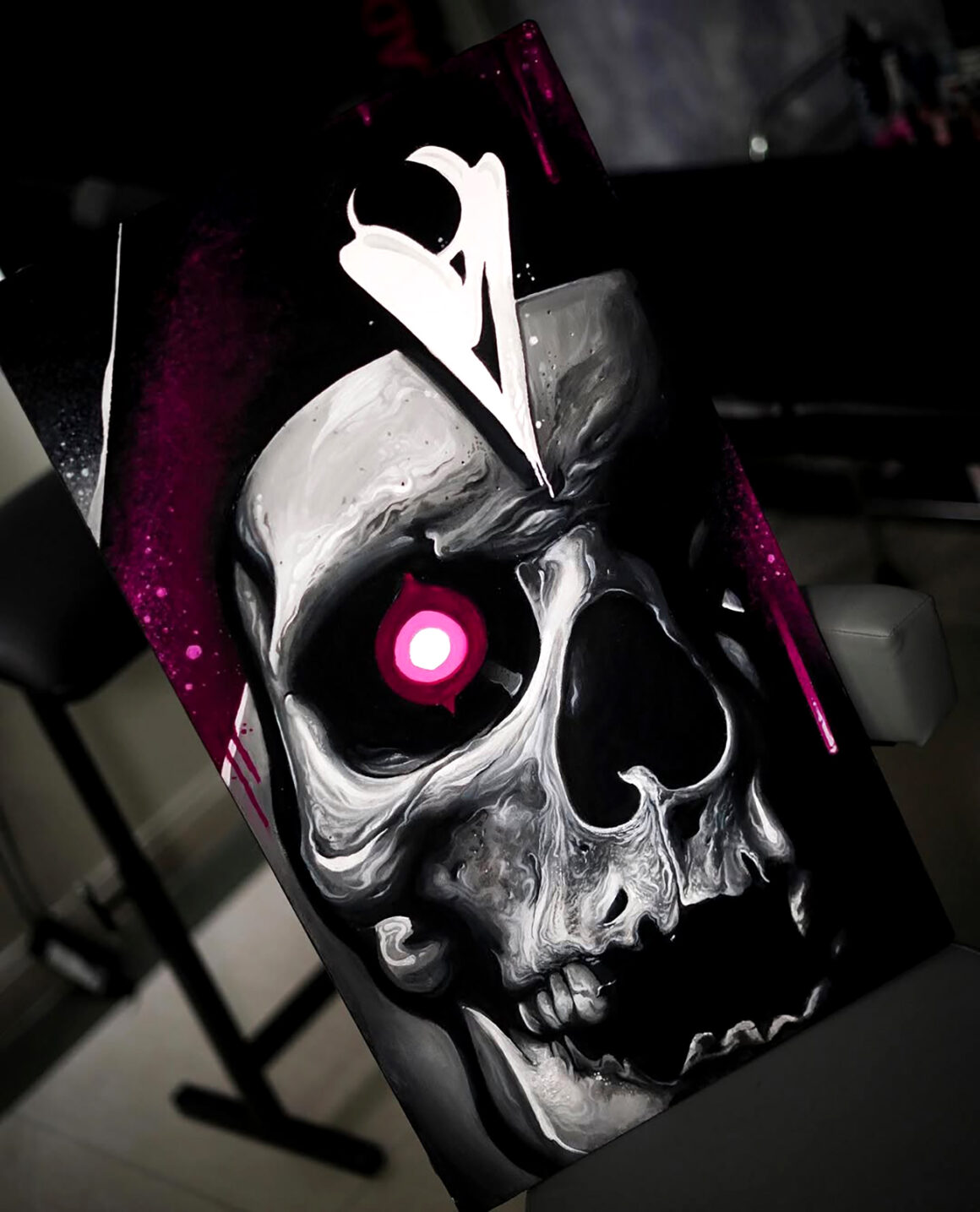
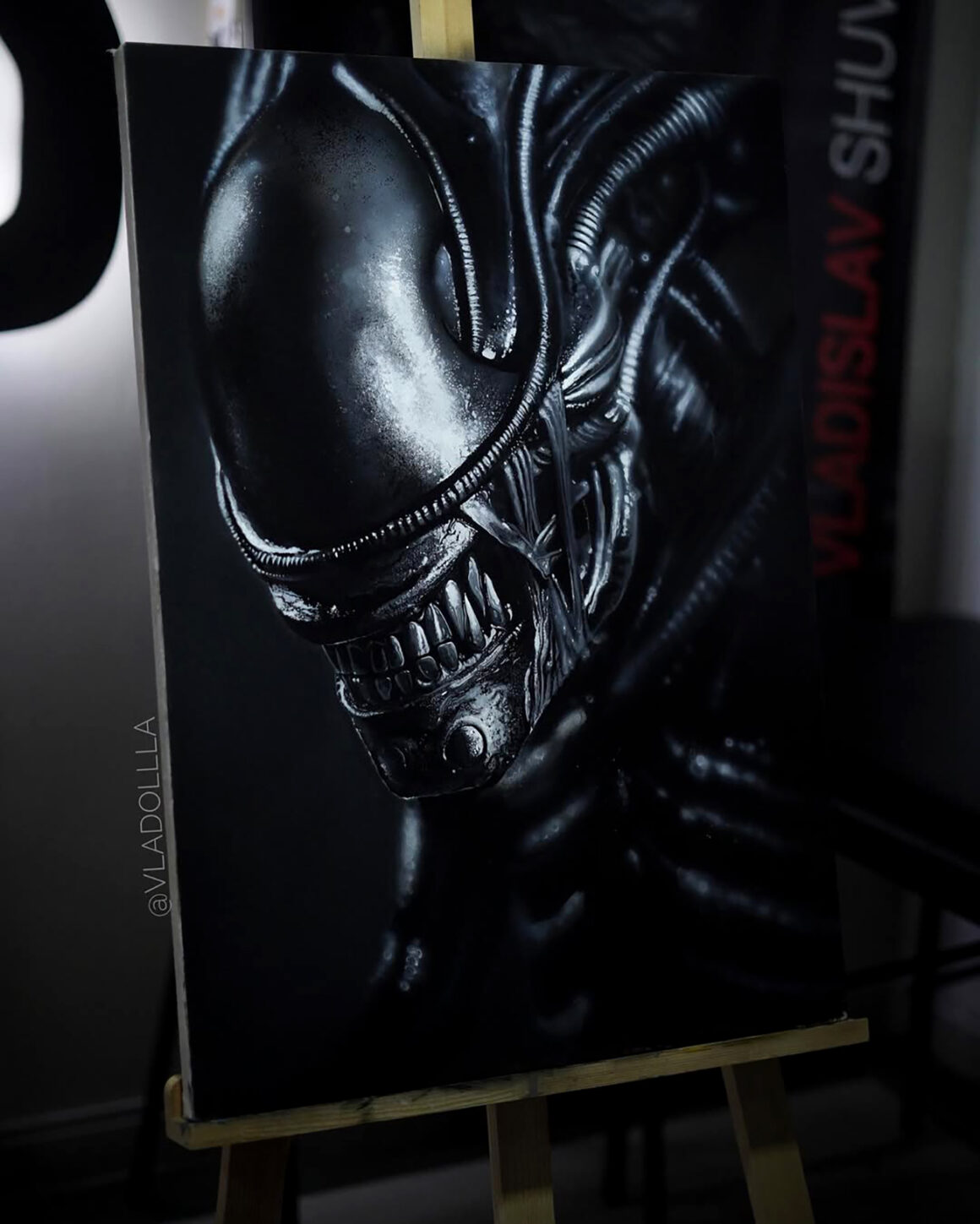
What do you like to express through your work? Is there an emotion, atmosphere, or message that guides what you create?
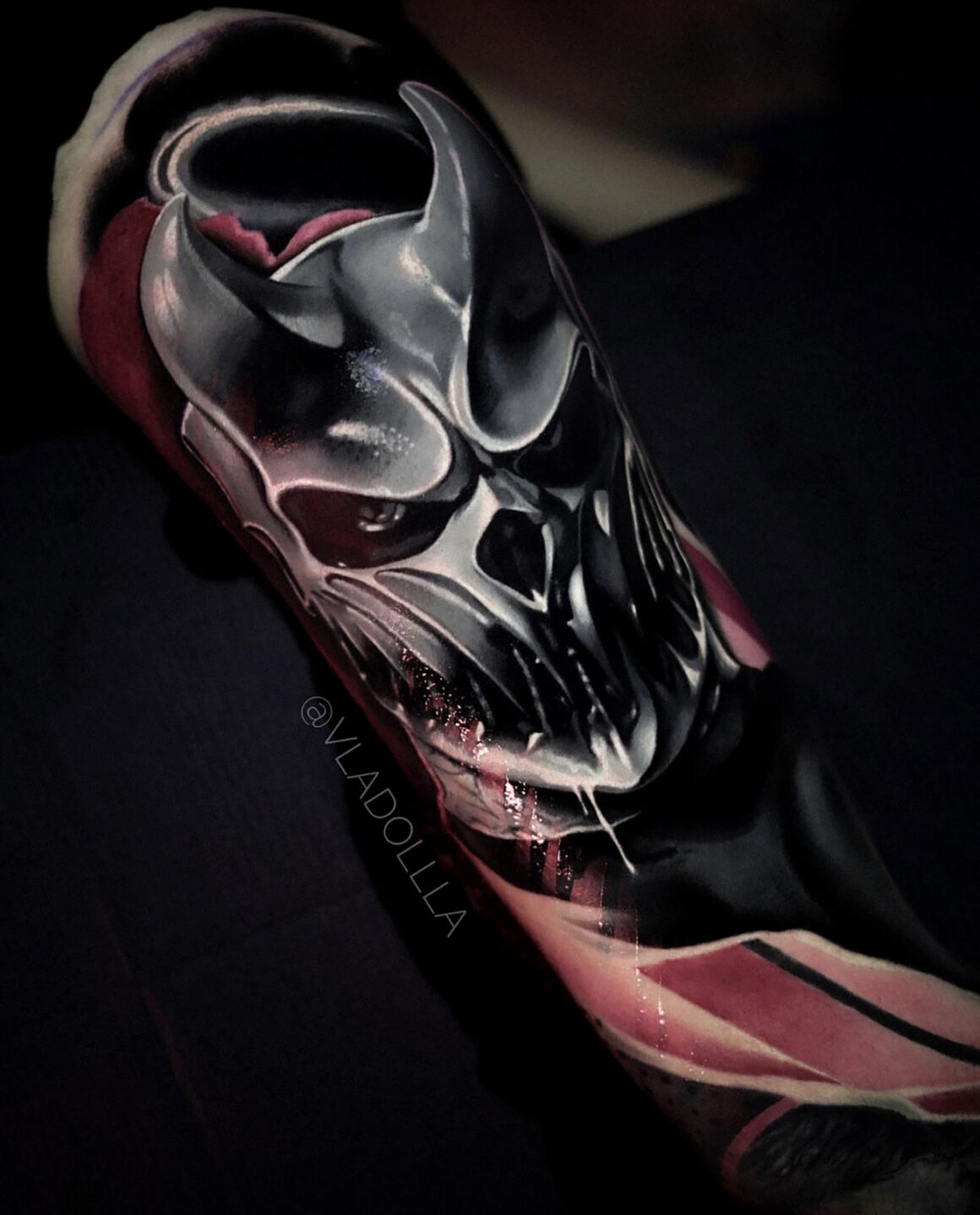
As for atmosphere, I’m usually drawn to contrast. I like combining something serious, dark, or powerful with something unexpected. Those combinations often create the strongest visual impact and make a piece more interesting to me. What I like most are projects that give me room for creativity.
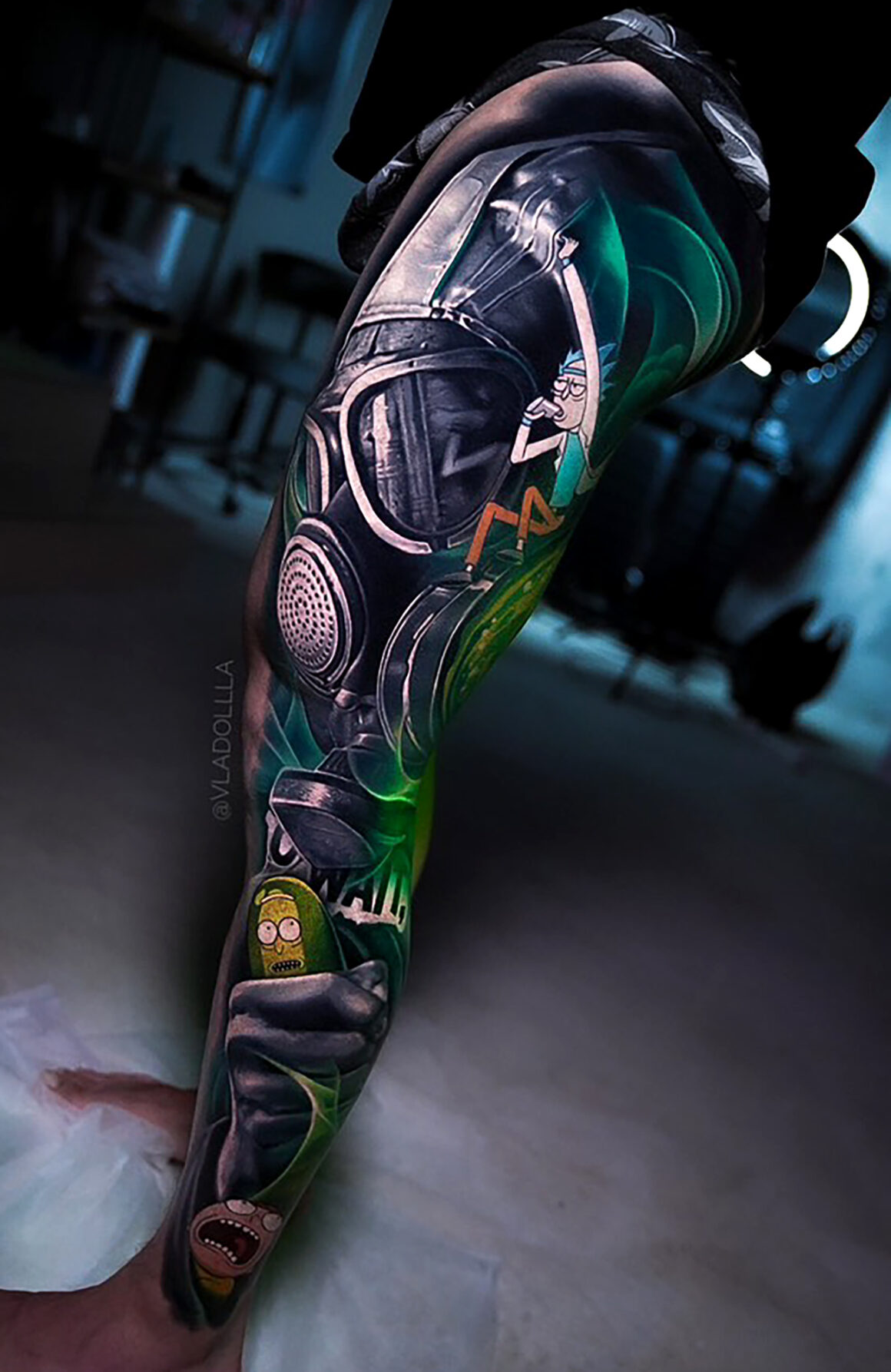
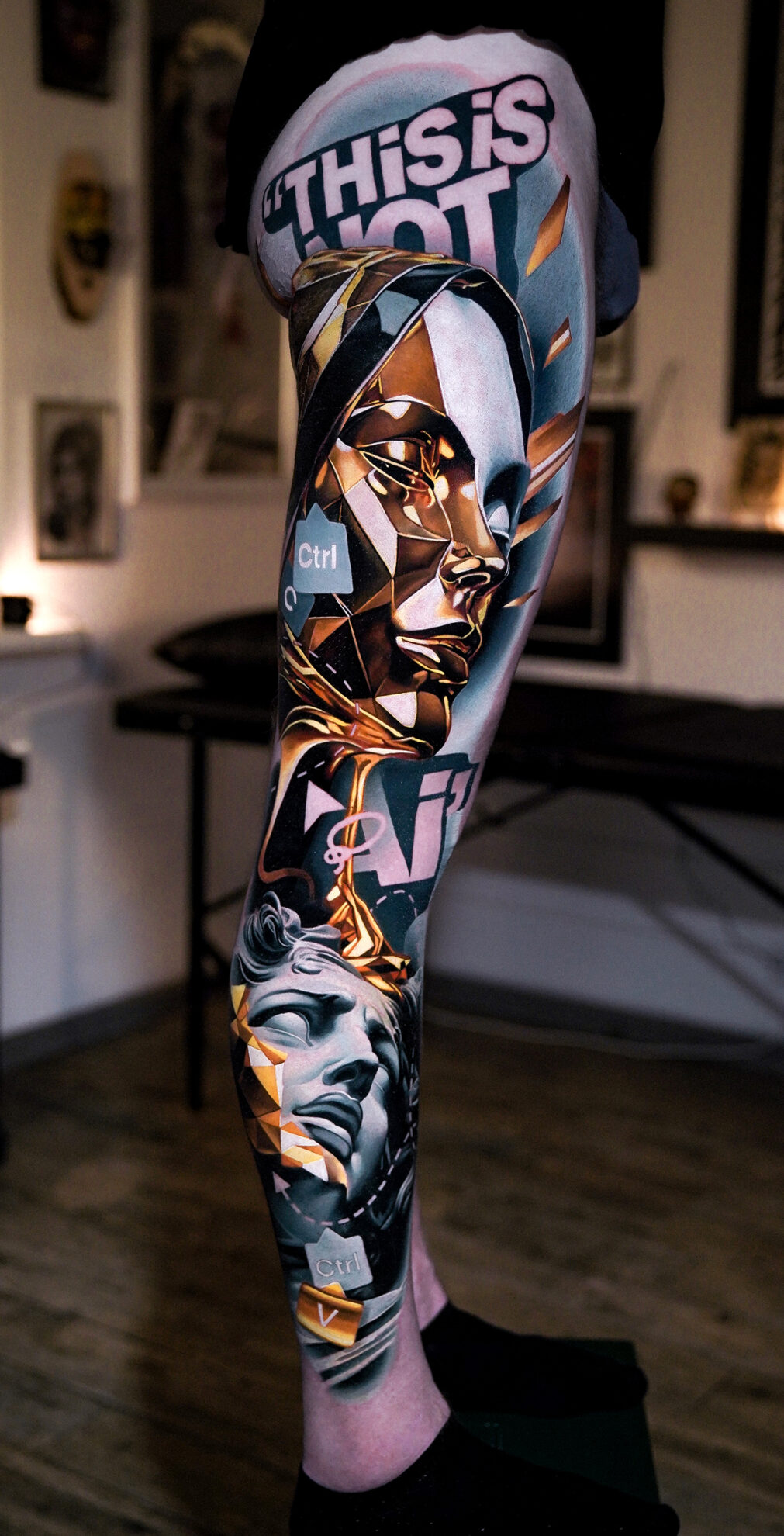
I like having the freedom to build a composition, develop an interesting concept, and bring everything together into one complete piece. I’m especially drawn to tattoos that combine different elements which might seem unrelated at first, but work together to create something unique and interesting.
That’s probably why I enjoy large-scale projects the most.
They give me much more space for creativity, details, and interesting design solutions than smaller pieces. For me, the most exciting part is creating something unique that didn’t exist before. Those are the projects that stay with me the longest.
Which artists — either in tattooing or from other fields — have influenced you the most along your journey?
To be honest, many artists and tattooers have influenced me throughout my journey, and it would be difficult to name just one. If I had to mention a few artists who inspired me the most at different stages of my career, I would name Alexey Mashkow, Waler Montero, Sergey Shanko, Daria Pirojenko, Eliot Kohek and many others.
Each of them has their own approach, vision, and strengths, so I never tried to copy any one artist. Instead, I always tried to learn something valuable from different people and apply it in my own way. I think inspiration can come from anywhere. Sometimes it’s not even a particular artist that influences you the most, but a specific piece, idea, or creative solution that stays in your mind for years.
From when you first started tattooing to today: how has your approach to drawing and technique evolved? Was it a conscious transformation?
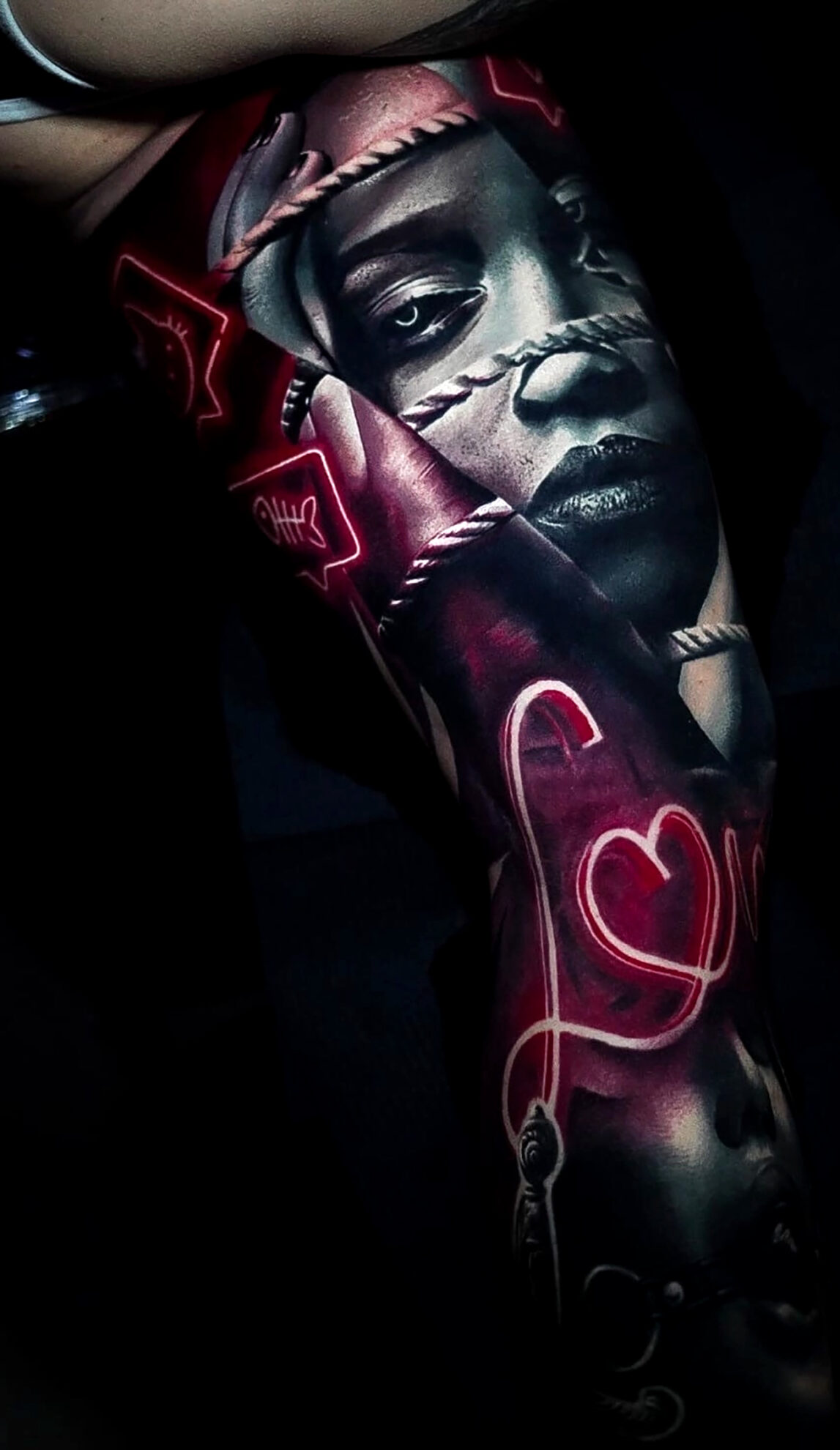
Yes, it was definitely a conscious transformation. When I first started, I experimented with different styles and techniques because I wasn’t yet sure which direction I wanted to pursue. Over time, I became more focused on realism and started paying much more attention to details, lighting, shadows, contrast, and the overall readability of a tattoo.
My approach to design changed as well. In the beginning, I was mostly focused on individual elements.
Today, I think about the entire composition—how it flows on the body, how different elements interact with each other, and how the tattoo will look years down the line. If I compare my early work to what I do today, the difference is huge. But I think that’s a natural part of being an artist. You have to keep evolving, improving, and finding new ways to make your work better.
Do you follow any specific technical tips or philosophies to make sure your tattoos age well over time?
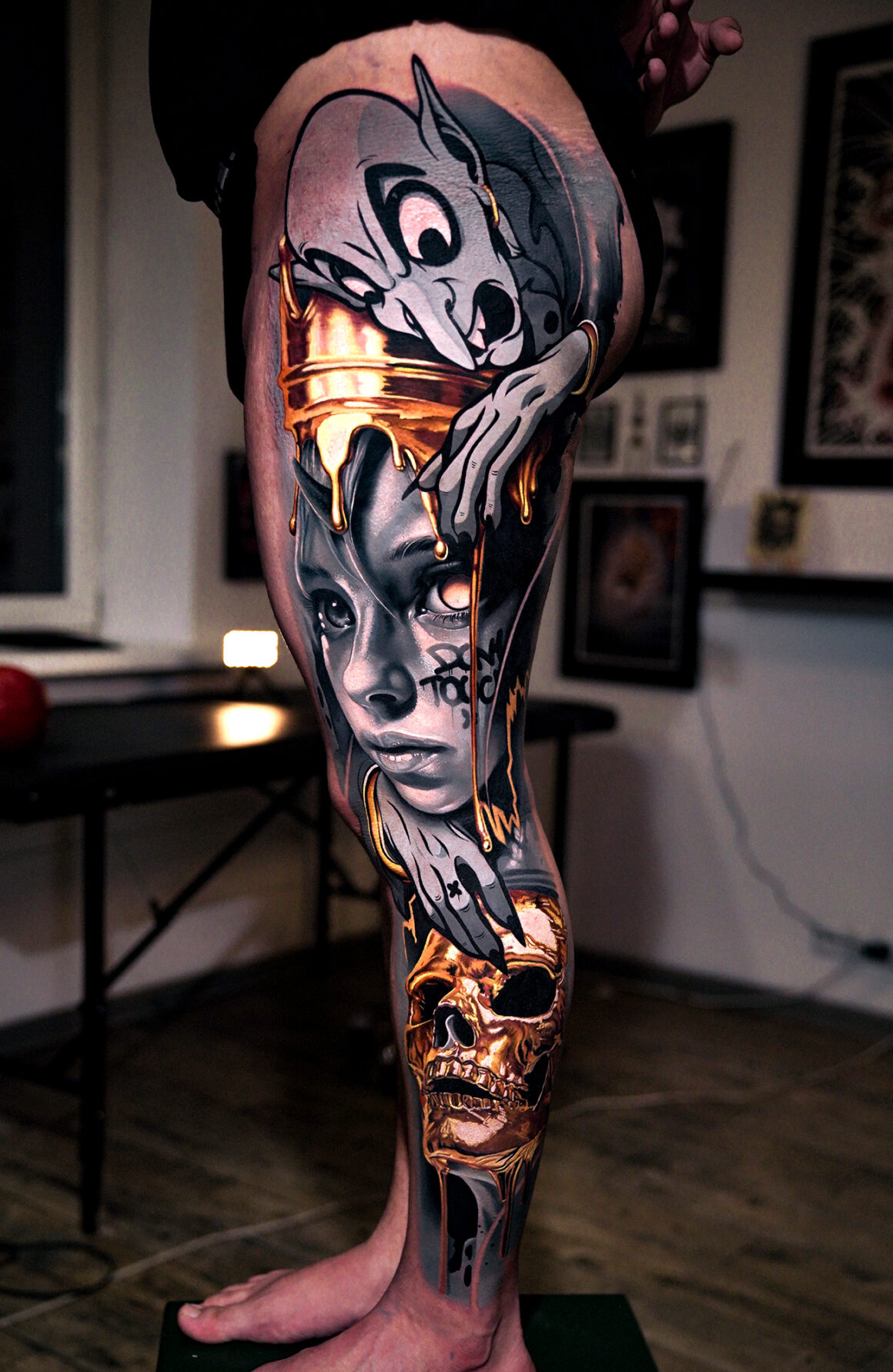
Very often, clients want to fit too many elements into one piece, but I always try to explain that size matters. If the space is limited, it’s usually better to have fewer elements and make them larger and easier to read. I also try to find the right balance between detail and readability. Details are important, but if there are too many of them, some will inevitably get lost over time. And of course, I put a lot of emphasis on contrast. In my opinion, strong contrast, proper sizing of the main elements, and good composition are some of the key factors that help a tattoo look great for many years.
Looking ahead: is there something you still dream of exploring, either within tattooing or beyond it?
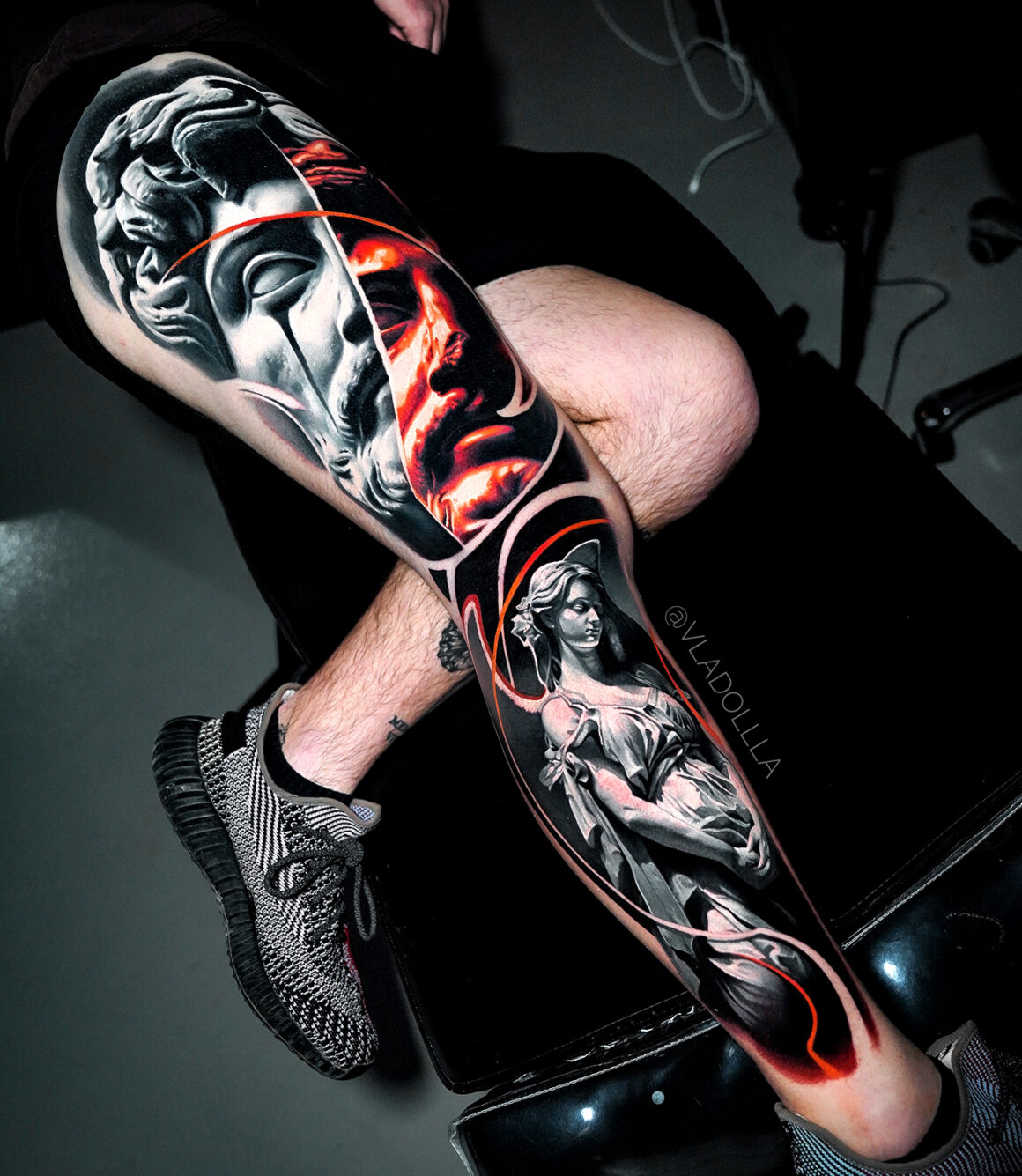
I think I’m still in a stage of exploration and discovery. Even after everything I’ve achieved so far, I’m still interested in trying new things and finding directions that truly feel like my own. One of my goals is to find something that is completely mine and focus on developing it as much as possible. I’d also love to collaborate with major brands, musical artists, and creatives from other fields. I’ve always been interested in projects where different forms of art and creativity come together. Beyond tattooing, drawing remains a huge part of my life. One of my dreams for the future is to open my own art gallery, where I could showcase not only my tattoo work but also my artwork in other forms.