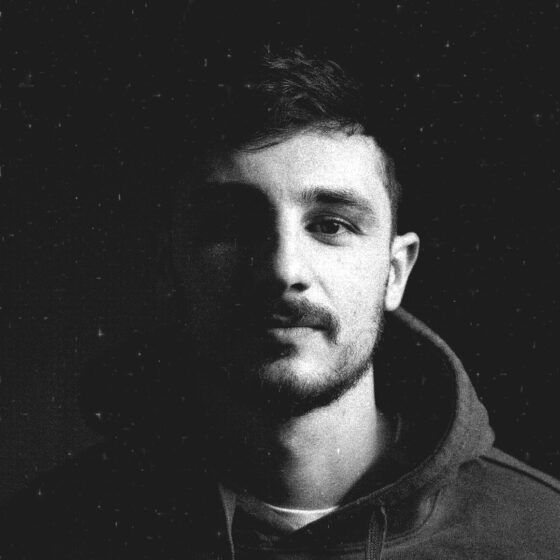
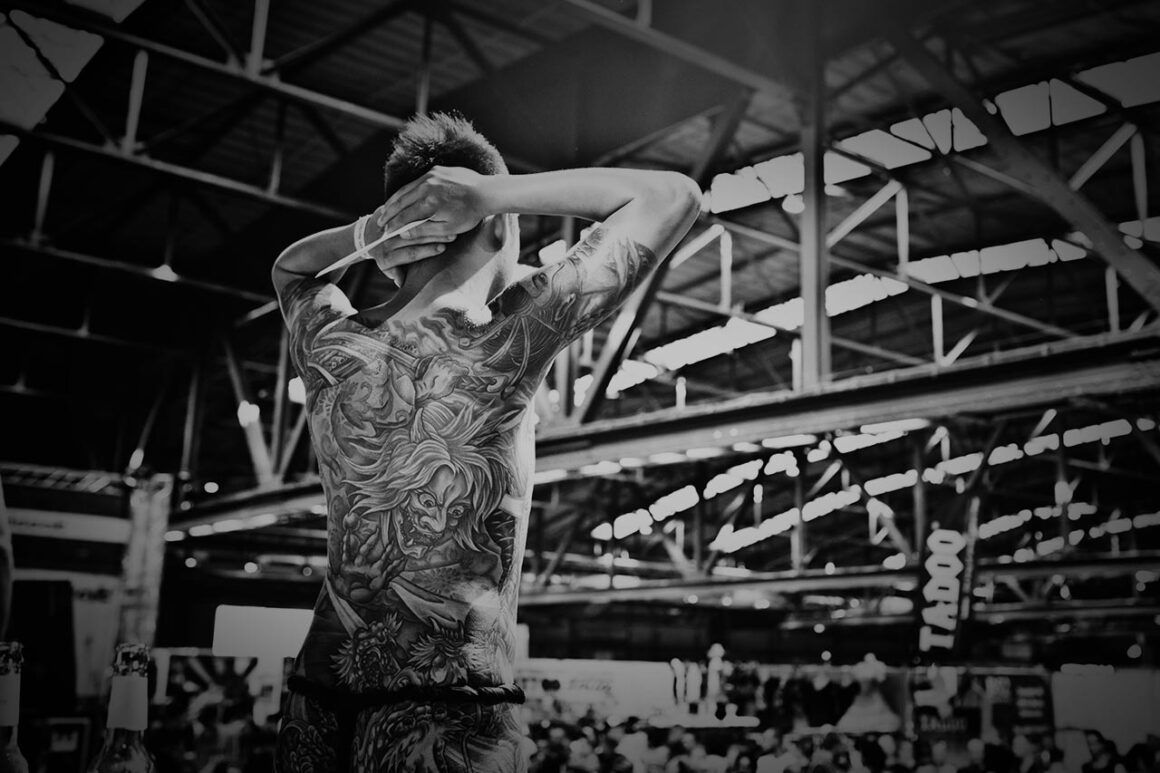


From the quiet village of Villarquemado to the international tattoo scene, Pedro Sanchez has built a visual language deeply rooted in nature, mythology and folklore. Based in Burgos, where he runs the studio GRULLA, the Spanish artist blends blackwork and illustration into highly dynamic compositions inspired by Japanese art, symbolism and spiritual imagery. Working freehand and treating the tattoo machine like a pencil, Sanpedro creates textured, powerful pieces where movement, contrast and storytelling become essential elements of the body itself.
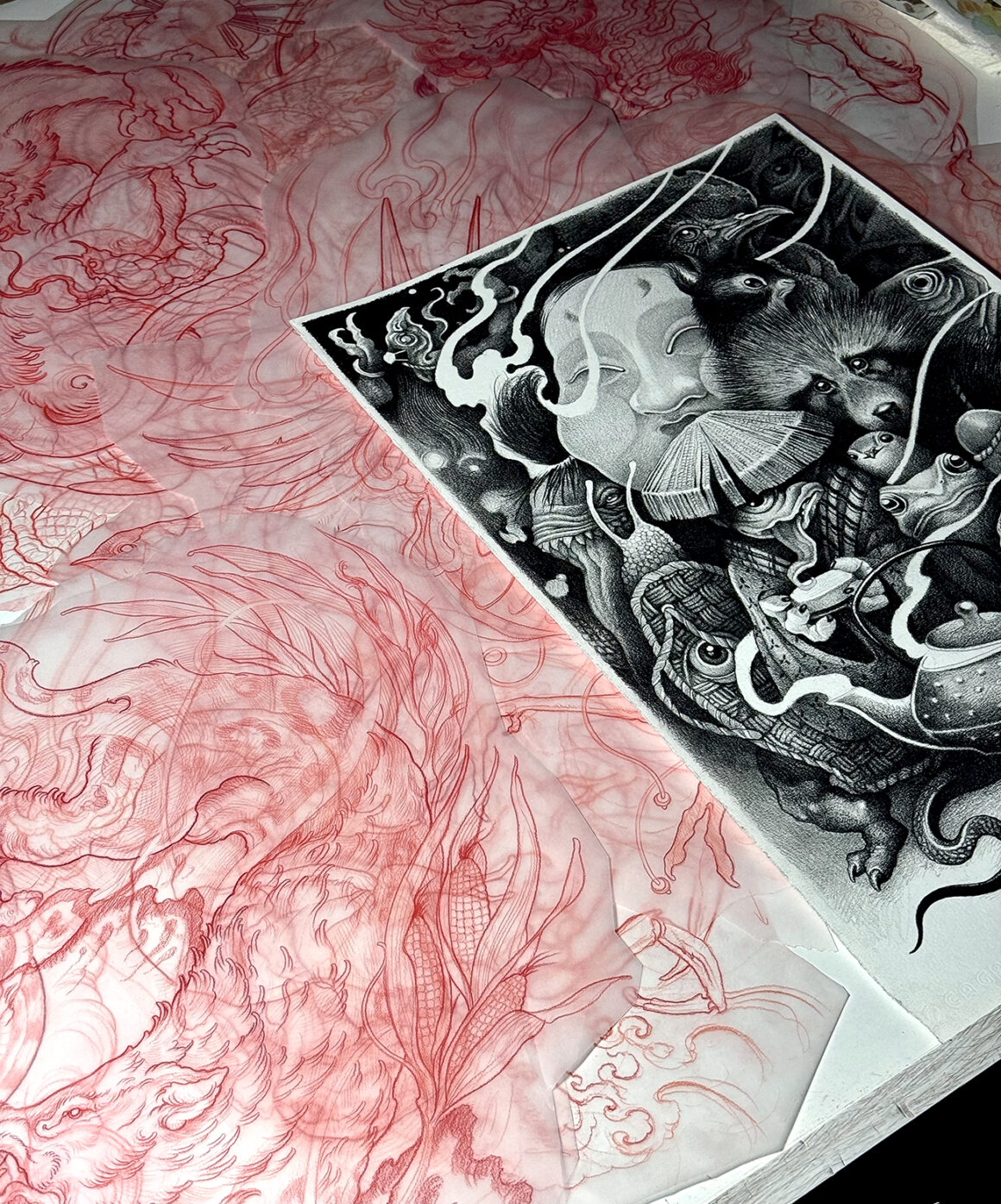
Pedro, your Oriental style is deeply distinctive. What are the main sources of inspiration behind your work, and what influences have shaped your artistic vision the most? Ever since I began working in a style more closely aligned with Oriental aesthetics, I have always tried to remain true to the influences and visual style that have consistently been present in my work. This mainly involves observing nature and interpreting the aspects closest to its mythology – its hybrid beings, animals with a strong symbolic significance… always from a humble perspective and faithful to the naturalistic illustration so skilfully exemplified by its art.
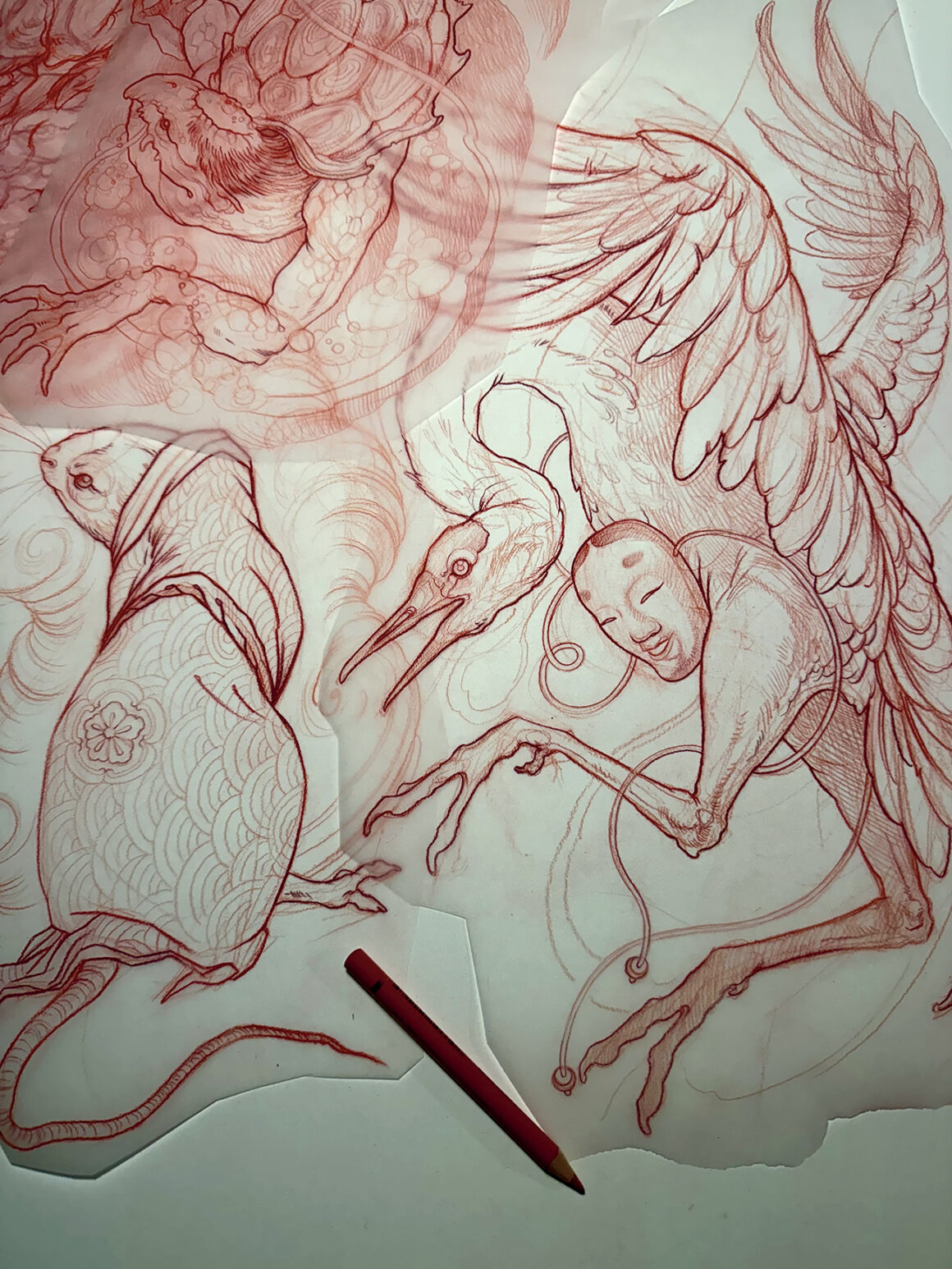
This has helped me a great deal, as I also combine my work as a tattoo artist with my profession as a scientific illustrator, and this aspect contrasts well with the change of medium and format that tattooing entails. I like to focus on the point where drawing and tattooing meet through composition on the body, and how it adapts to the body’s anatomy. I believe it is essential to study and understand fluidity and movement; this is something directly linked to the observation of nature and the Eastern artistic perspective on it, which is indispensable.
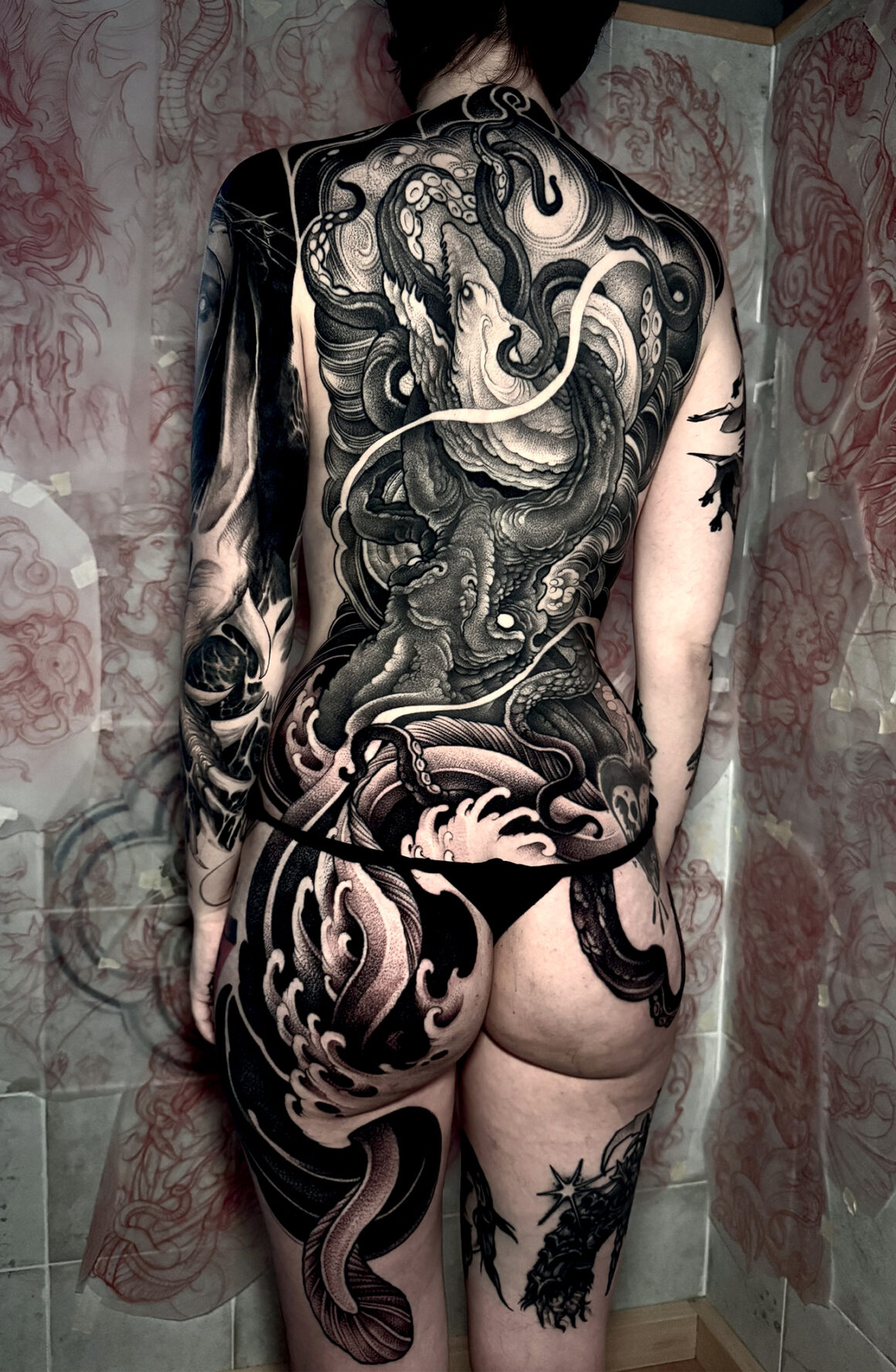
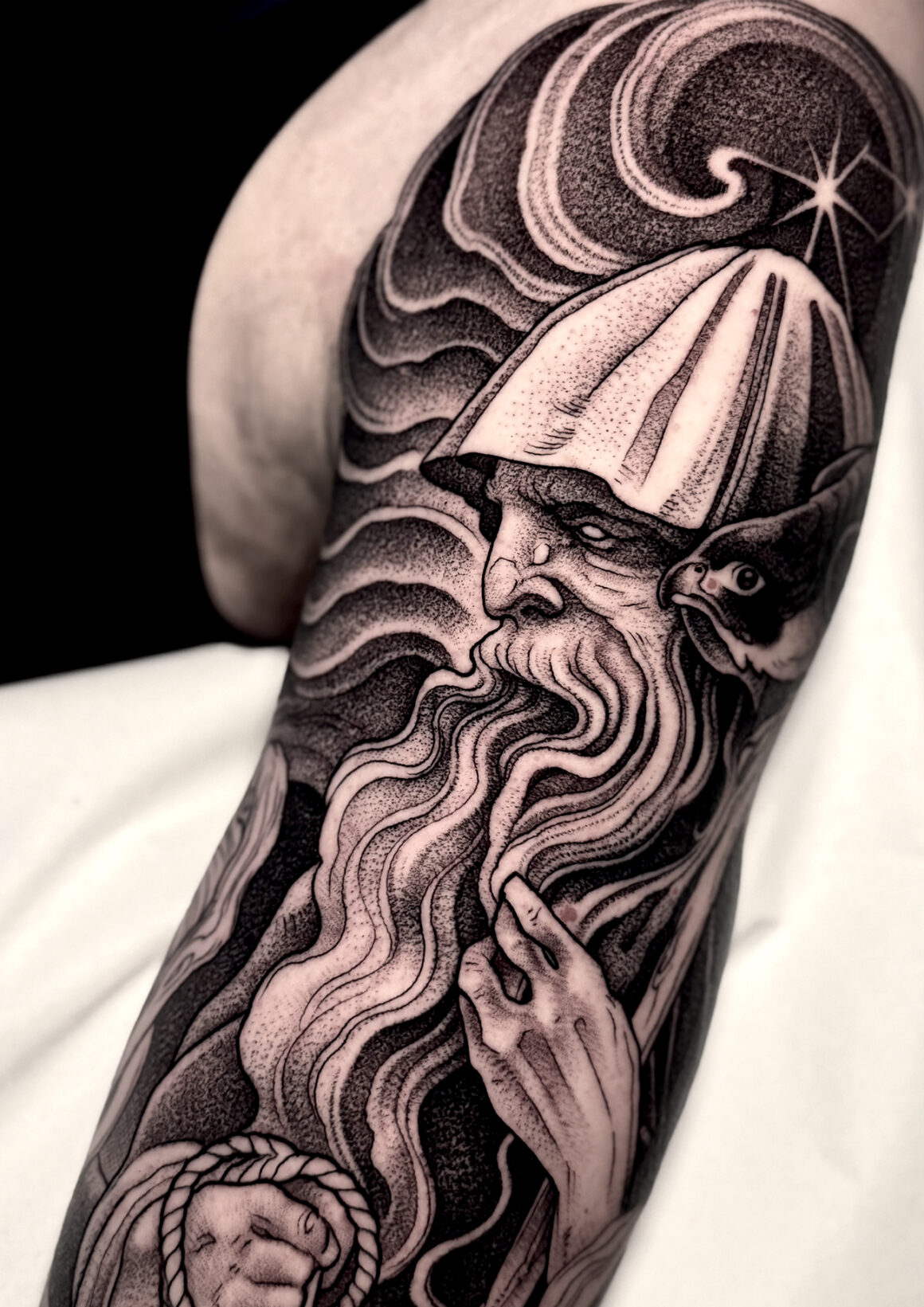
Your new ebook has just been released as the latest title from Tattoo Life tattooebooks.com. Would you like to tell us more about it? What can readers find within the 50 plates that make up the collection? I would love to say that this could be an example of a project that brings together various creatures in the style of a bestiary, developed in a highly personal way, both graphically and in terms of representation. Readers will find beings drawn largely from Japanese mythology, almost always linked to the observation of nature; that is to say, they have an animal component or some connection to a legend that draws directly from it.
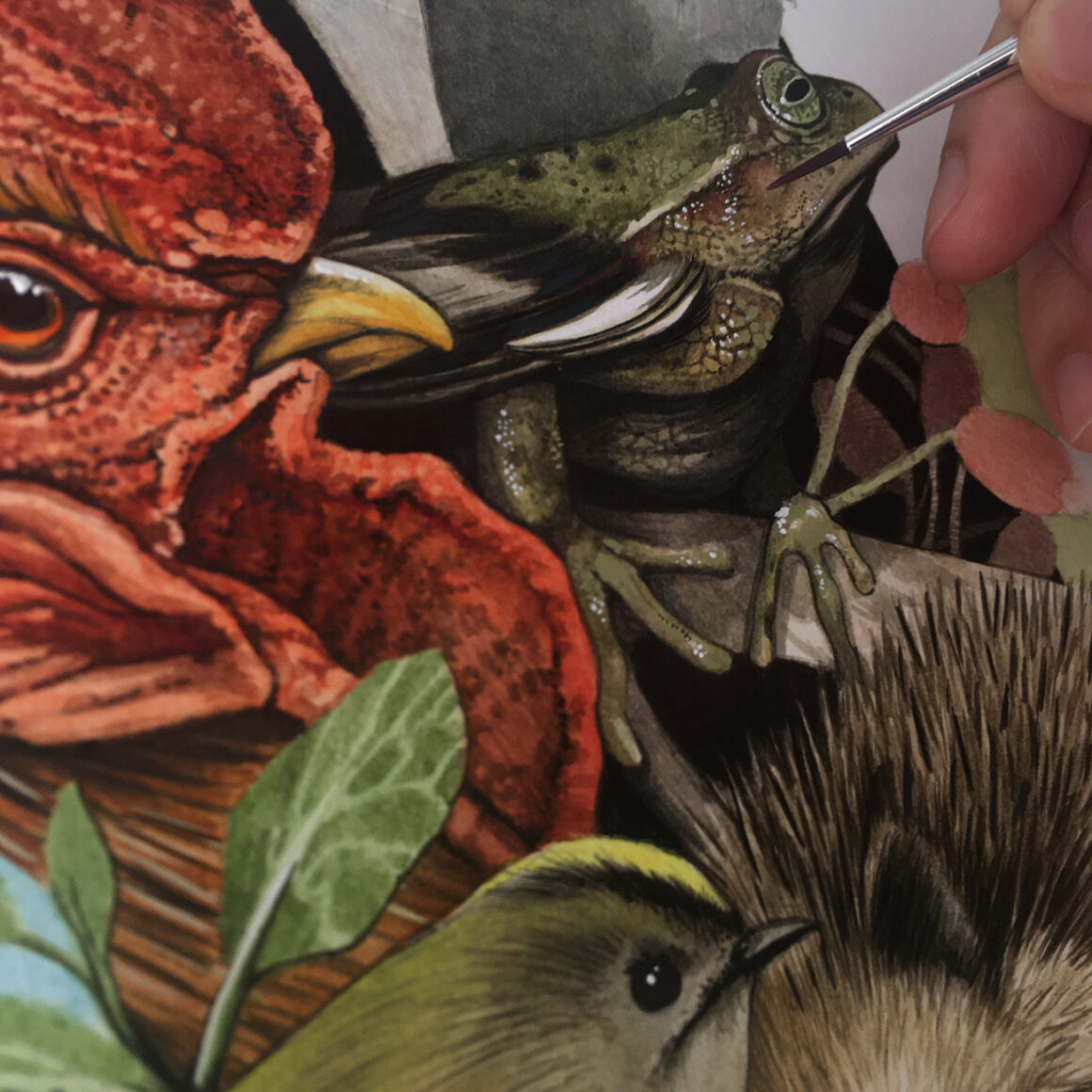
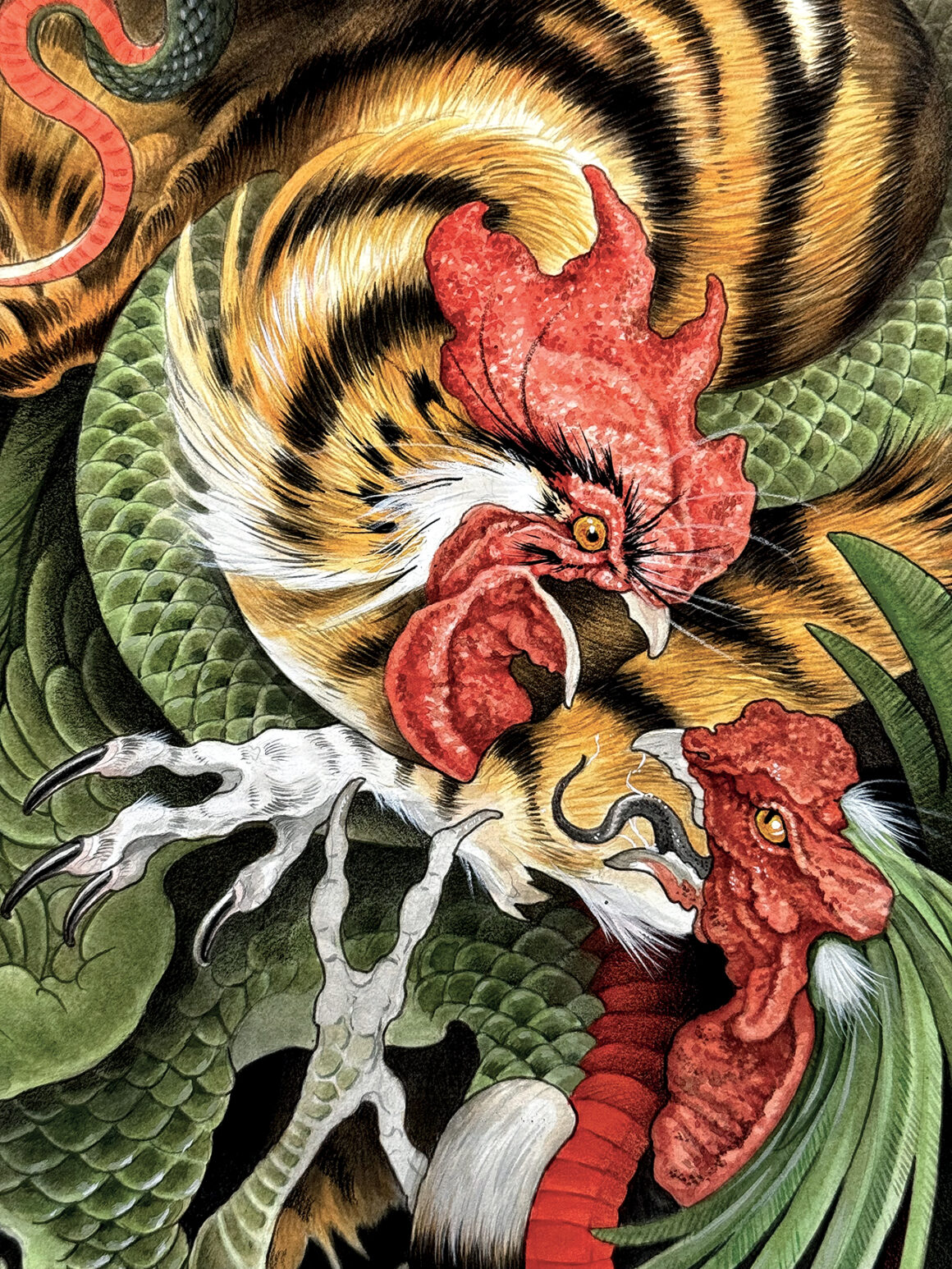
They may also find creatures from my own imagination, the result of animal hybridisations that may well have some significance, or others drawn from folklore such as Spanish folklore, Gaelic tales or Mesoamerican legends. So one could say that it would be a sample of a much larger encyclopaedia… Ild love it!
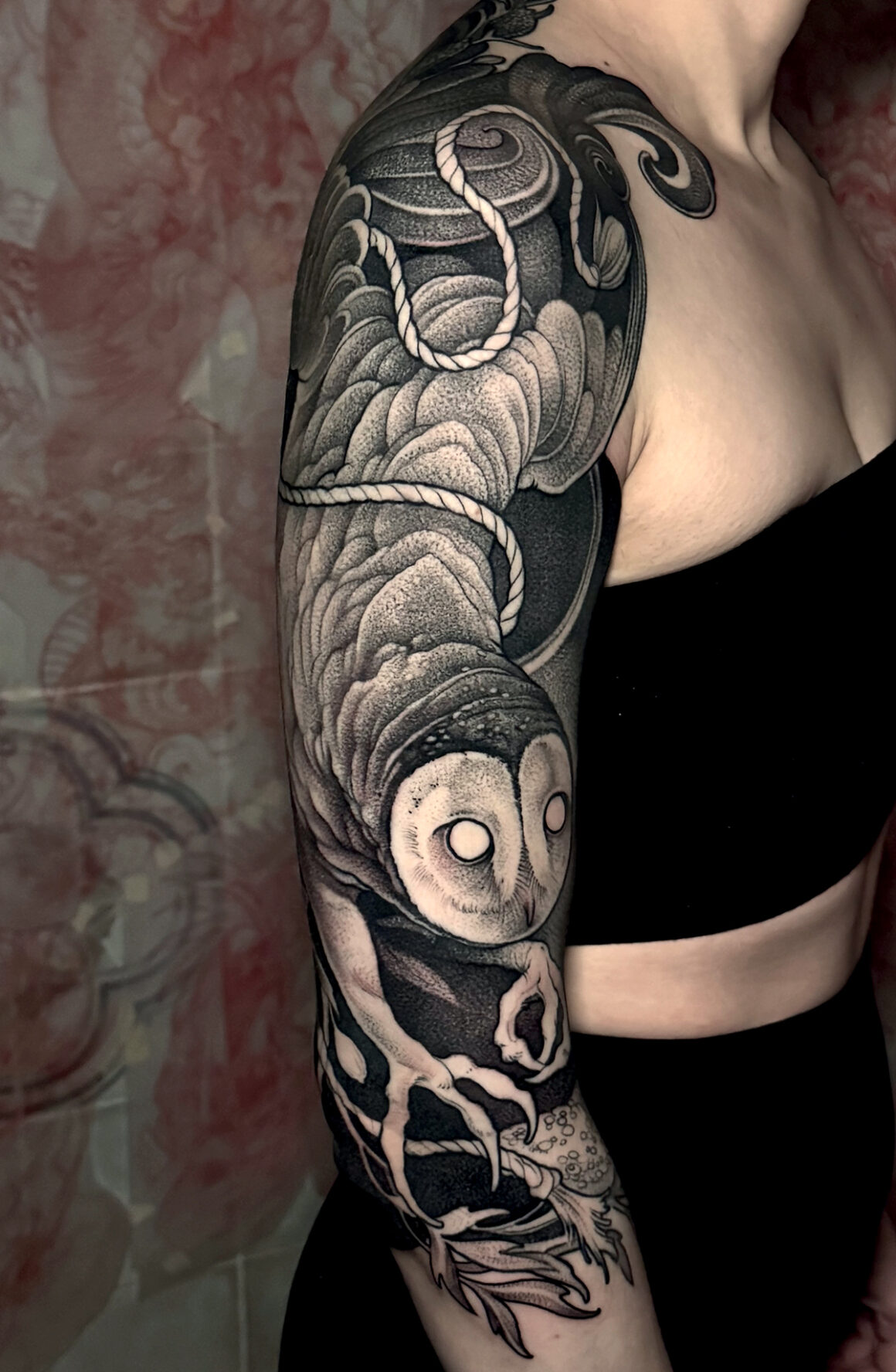
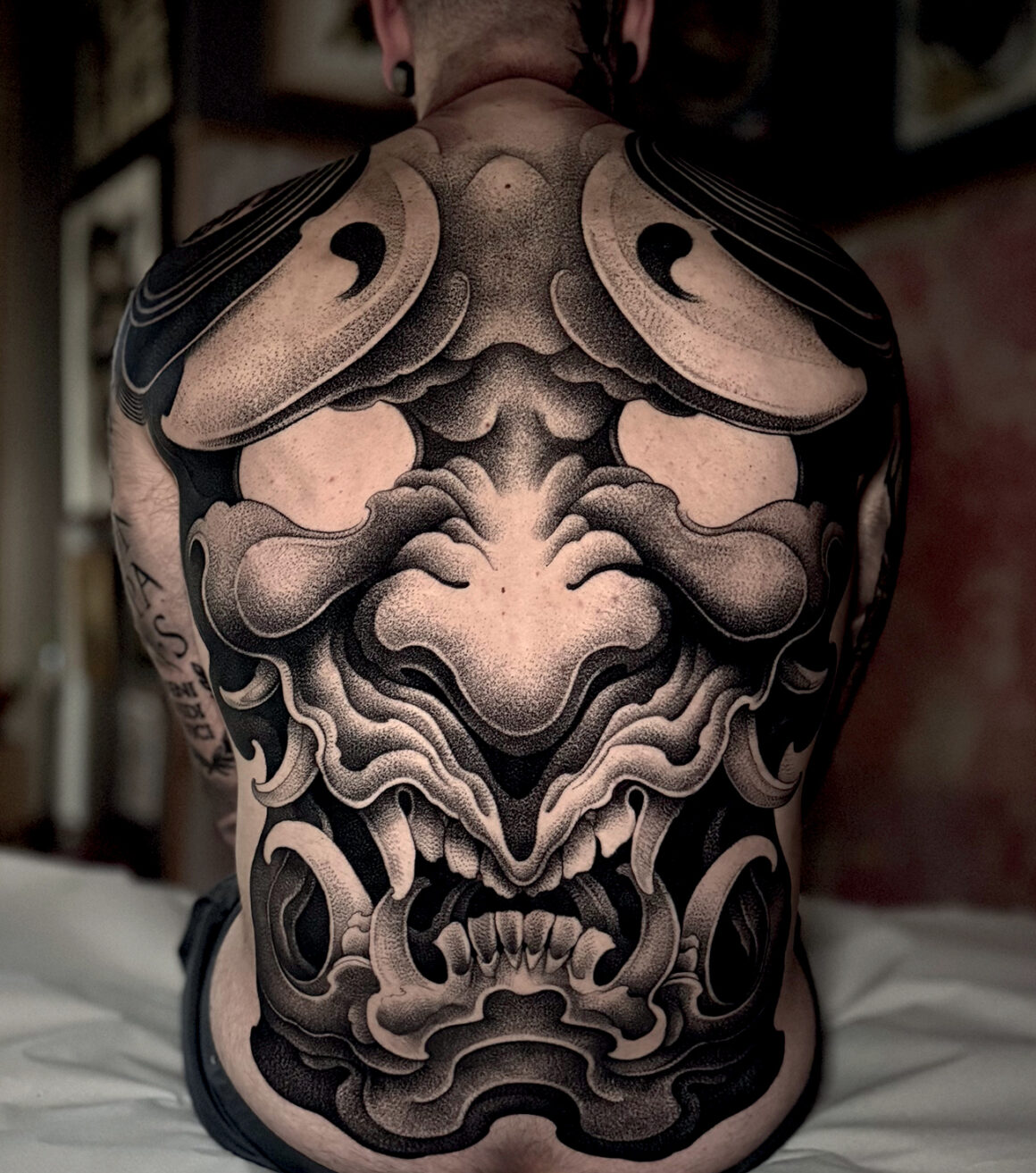
Many of the illustrations feature line drawings, animals, Yokai, and subjects inspired by Japanese folklore. What kinds of themes and creatures did you want to bring together in this project? I really feel a connection with all of them, as I’ve tried to express my own personal vision of each one, shaping them and having a lot of fun in the process. Although I must admit that I’ve particularly enjoyed the hybrid creatures that I love to illustrate in my more personal work.
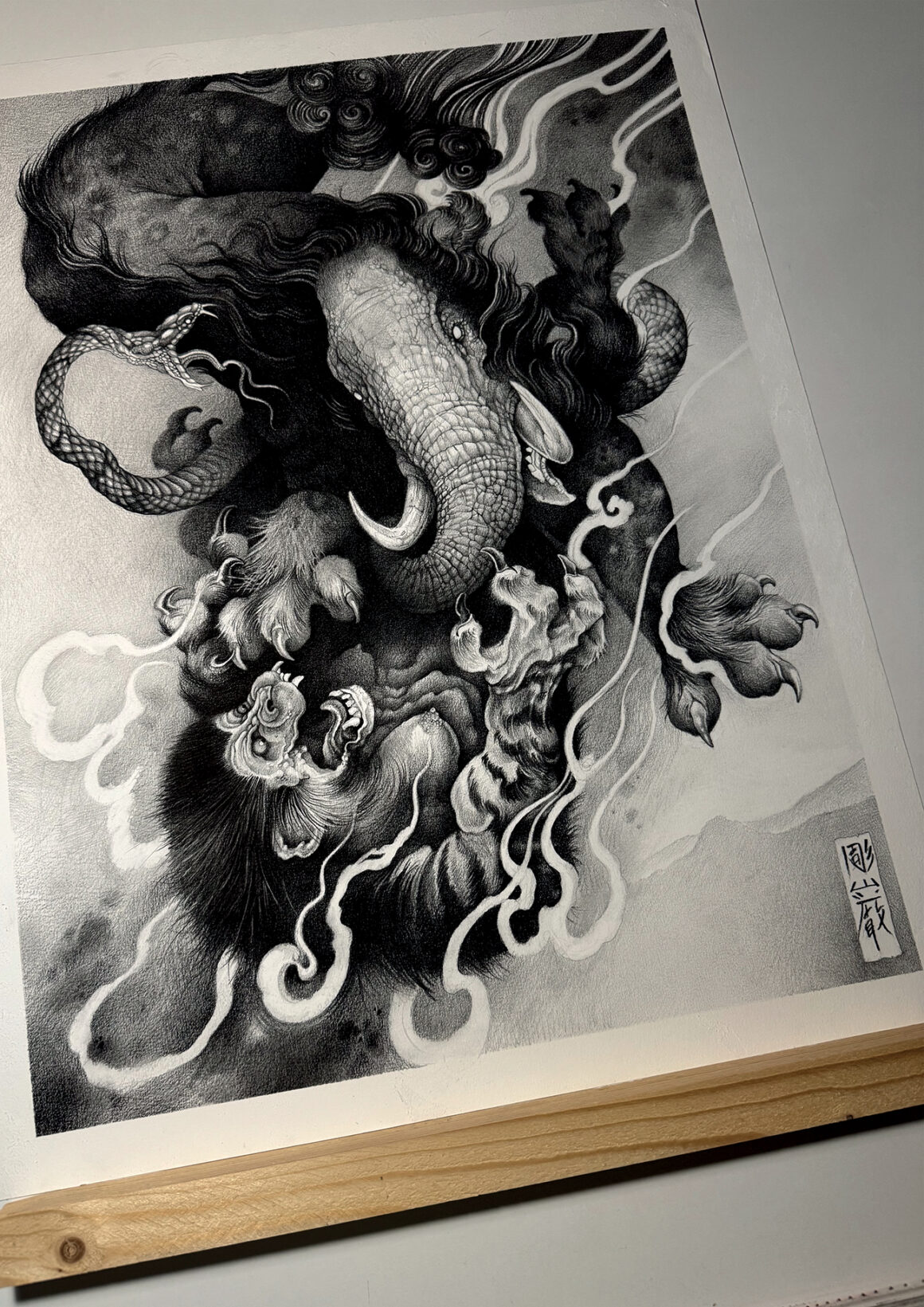
Many of them stem from projects I have been developing, such as small encyclopaedias, alternative bestiaries and illustration projects in which the symbolism of each part combines to create new ones, which can be used to describe beliefs, superstitions, etc.
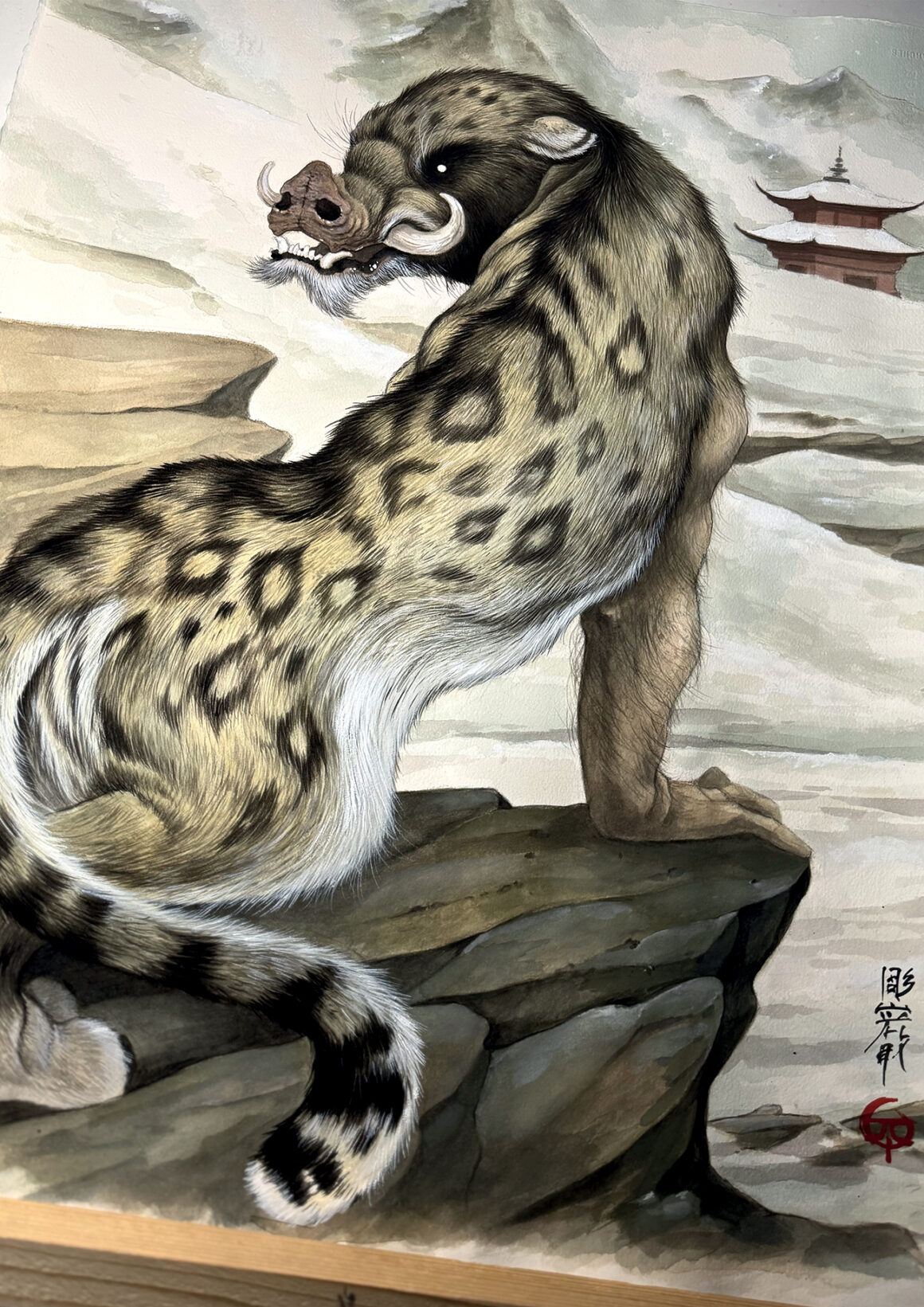
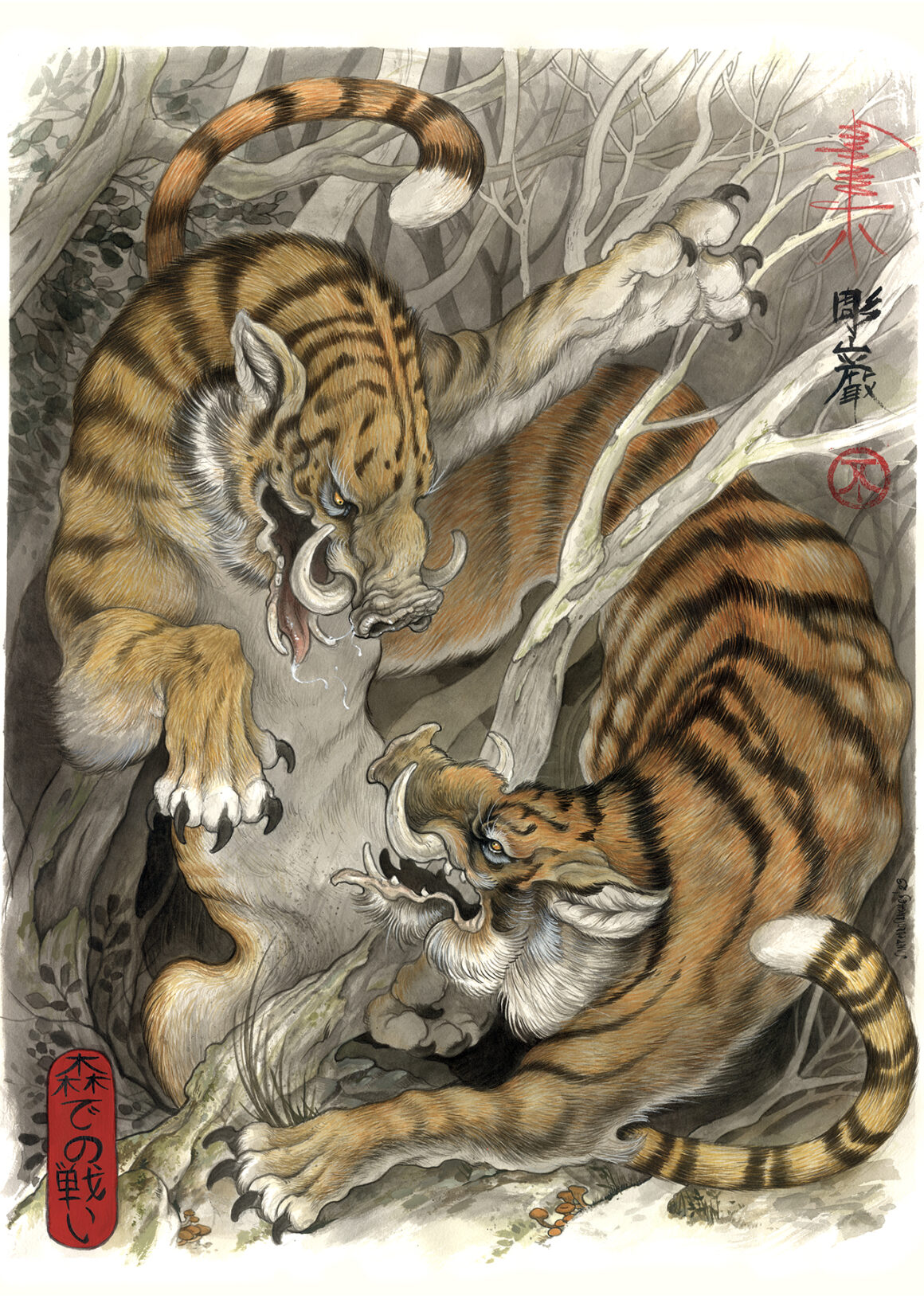
In particular, I would highlight those that are partly wild boar, which I like to depict mixed with some kind of feline, such as tigers…
It is quite a challenge, as the boar’s almost ‘rock-like’ anatomy has to adapt to the agility and flexibility of felines; moreover, I like to bring a figure as significant in the Eastern bestiary as the tiger closer to an animal as common in my homeland as the boar.
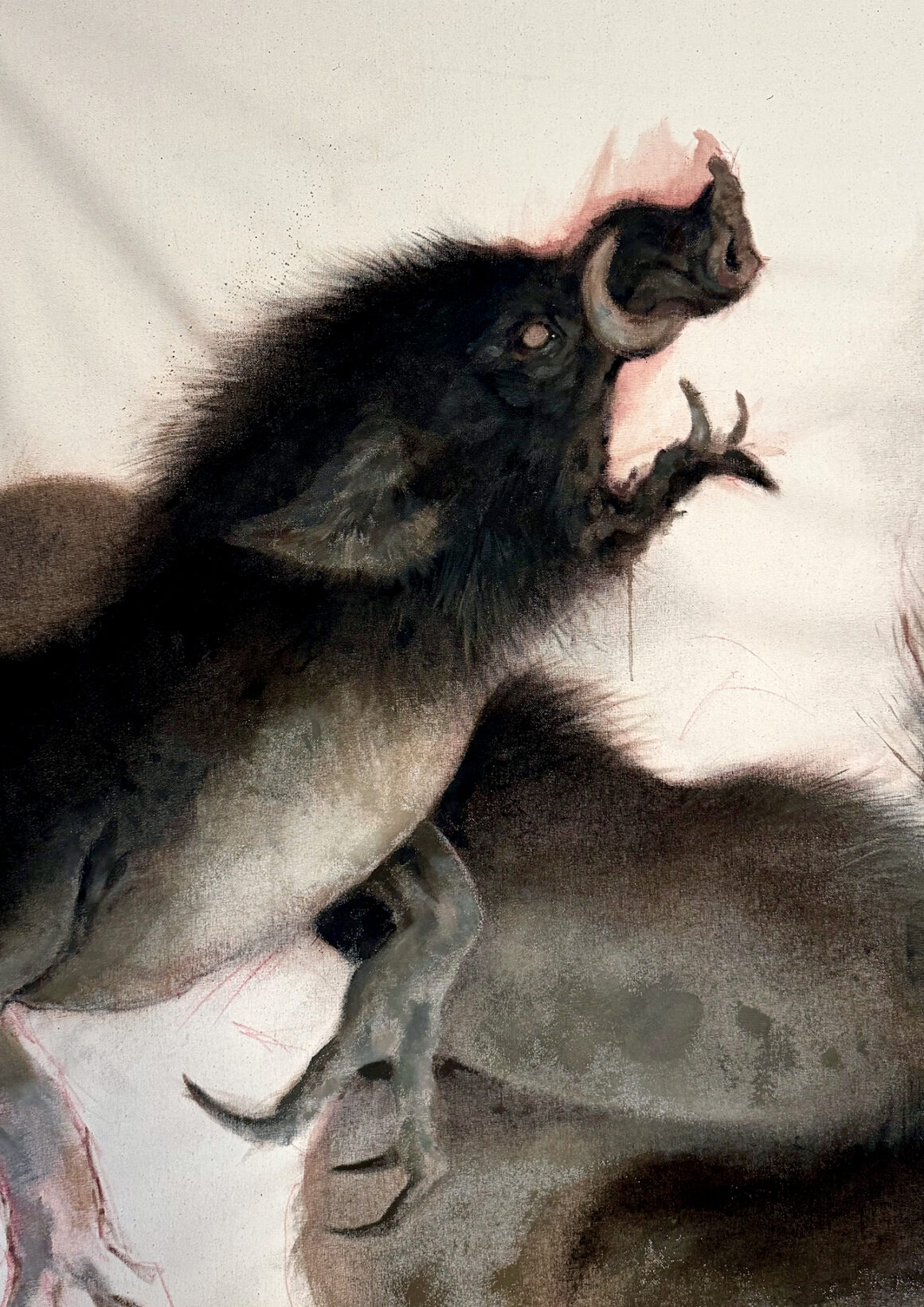
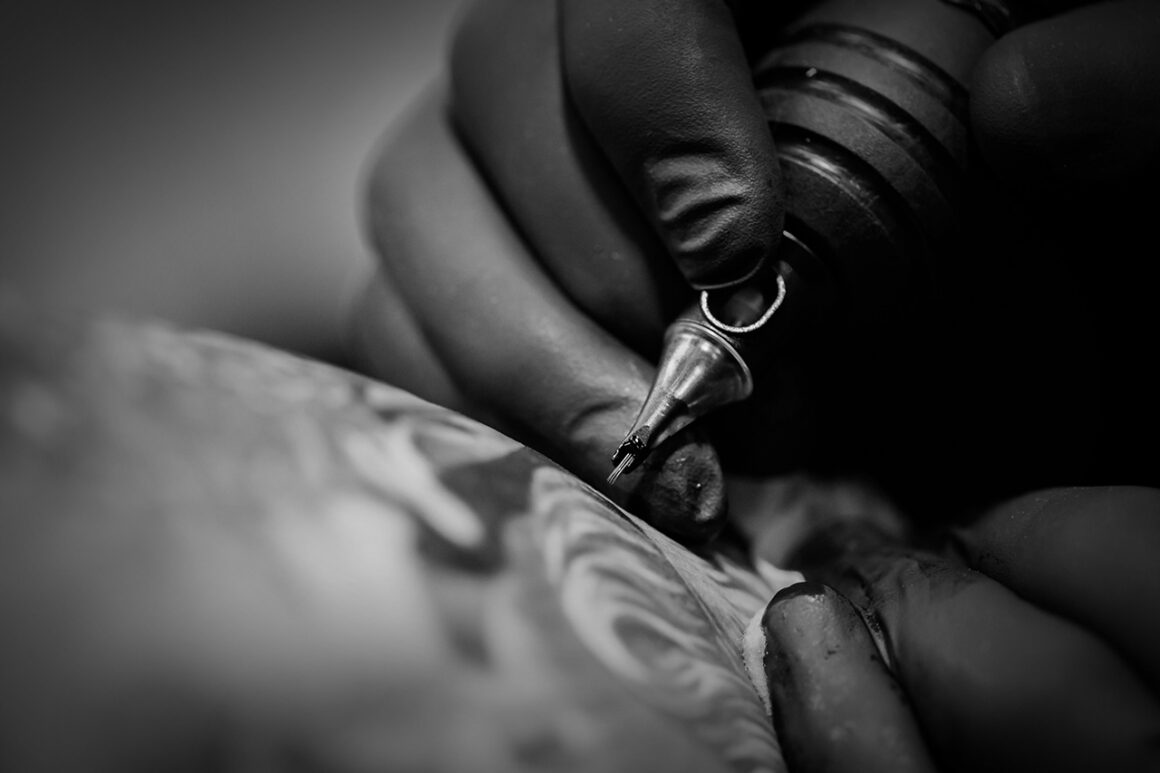
Technically speaking, how do you create movement and a sense of three-dimensionality in your figures? Are there specific details or techniques you pay particular attention to while designing them? On a technical level, I like to develop an approach that is as honest as possible, using lines that modulate volumes, which also serve to describe the creature’s anatomy and which I believe can help to express the action or movement as clearly as possible. I almost always work on the same principle: I draw in pencil—preferably red—so that I can make adjustments and corrections more clearly.
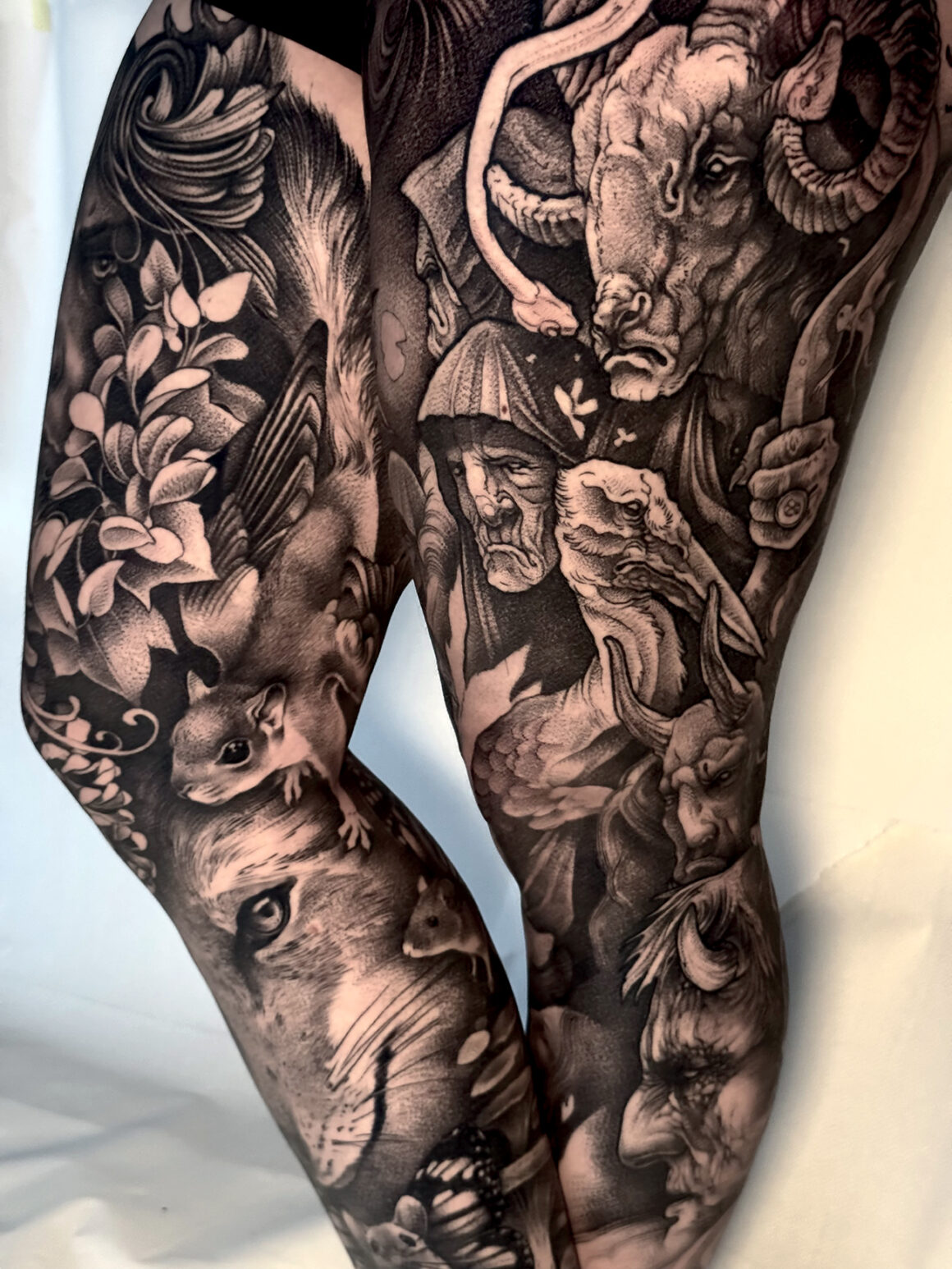
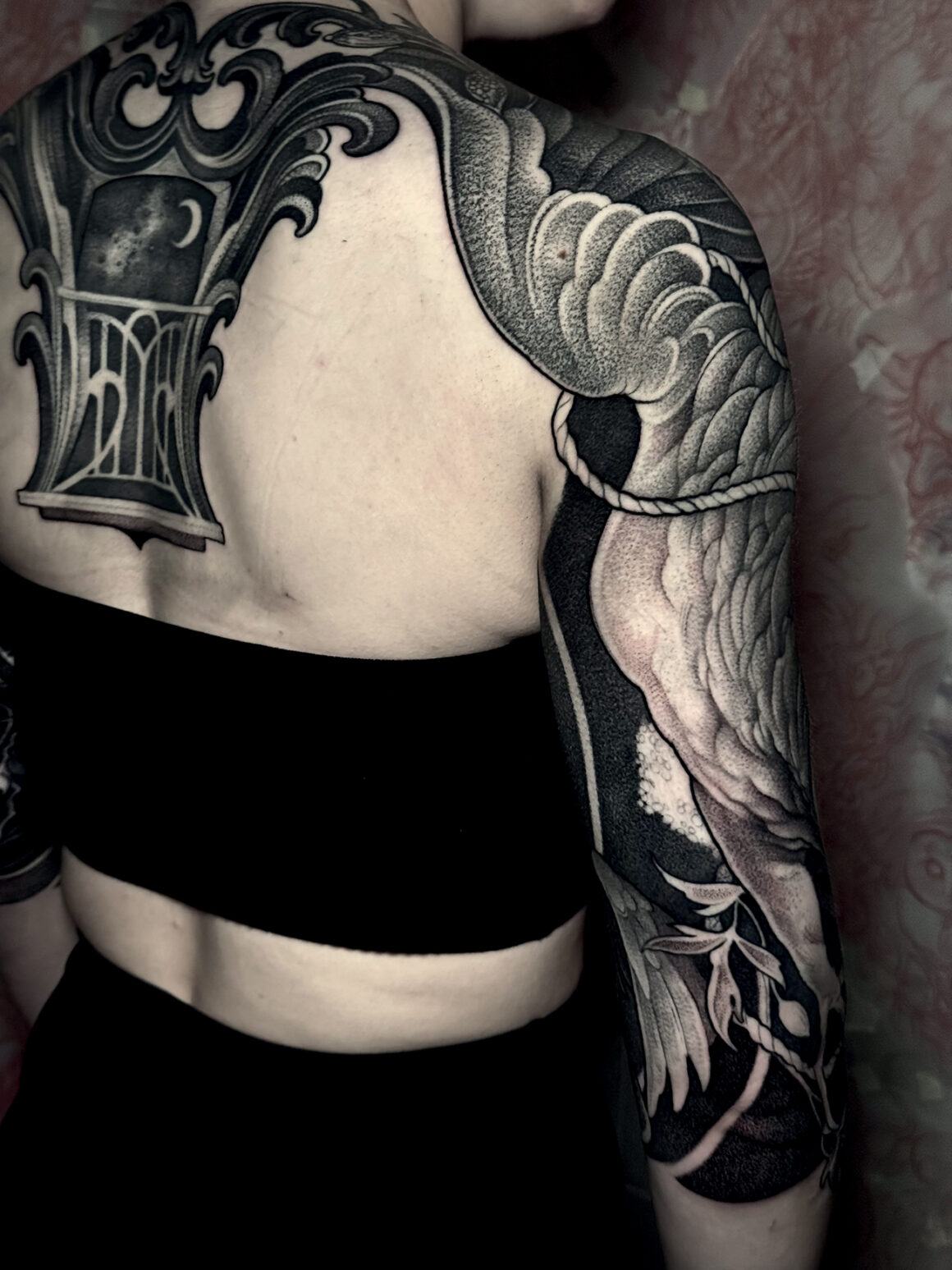
After that, depending on what the drawing is intended for, I can finalise it with graphite or watercolour/oil, always using analogue methods and processes that are as traditional as possible. Similarly, working with red pencils also helps me a great deal when adjusting the design with ink prior to the tattoo. The compositions I like best are large, dynamic and wrap around the body in a natural way. As for the final stage, I like to work in a fresh, not overly aggressive manner so that the tattoo retains the expression of the drawing and the more defined areas remain solid.
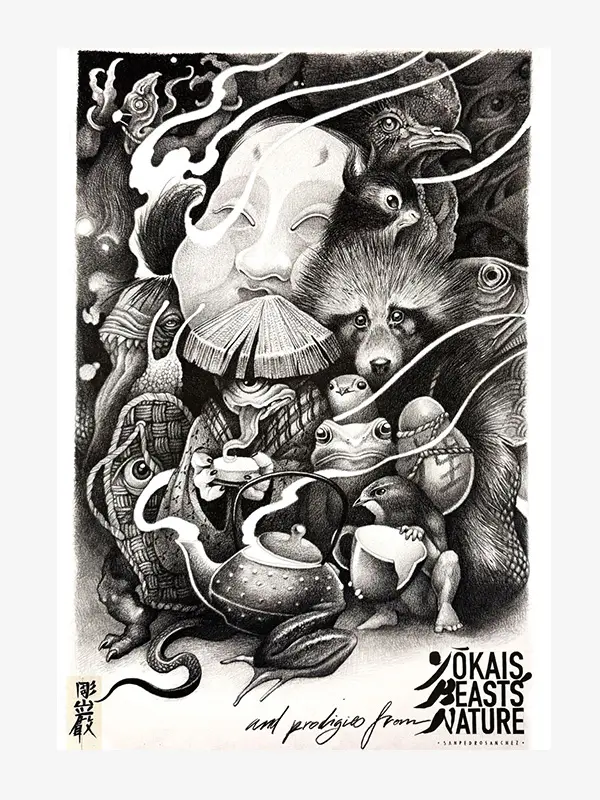
Pedro Sanchez Yokais Beasts Nature
In this ebook Pedro Sanchez explores the world of Japanese Yokai, reinterpreting these fantastic creatures from Eastern tradition through the iconography of tattooing. Among legendary beasts, natural elements, and visionary figures, the artist creates a collection of subjects designed both as standalone tattoos and as scenic elements capable of enriching larger compositions. A visual journey into contemporary Oriental style, where folklore, movement, and dynamism become a source of inspiration for tattoo art.