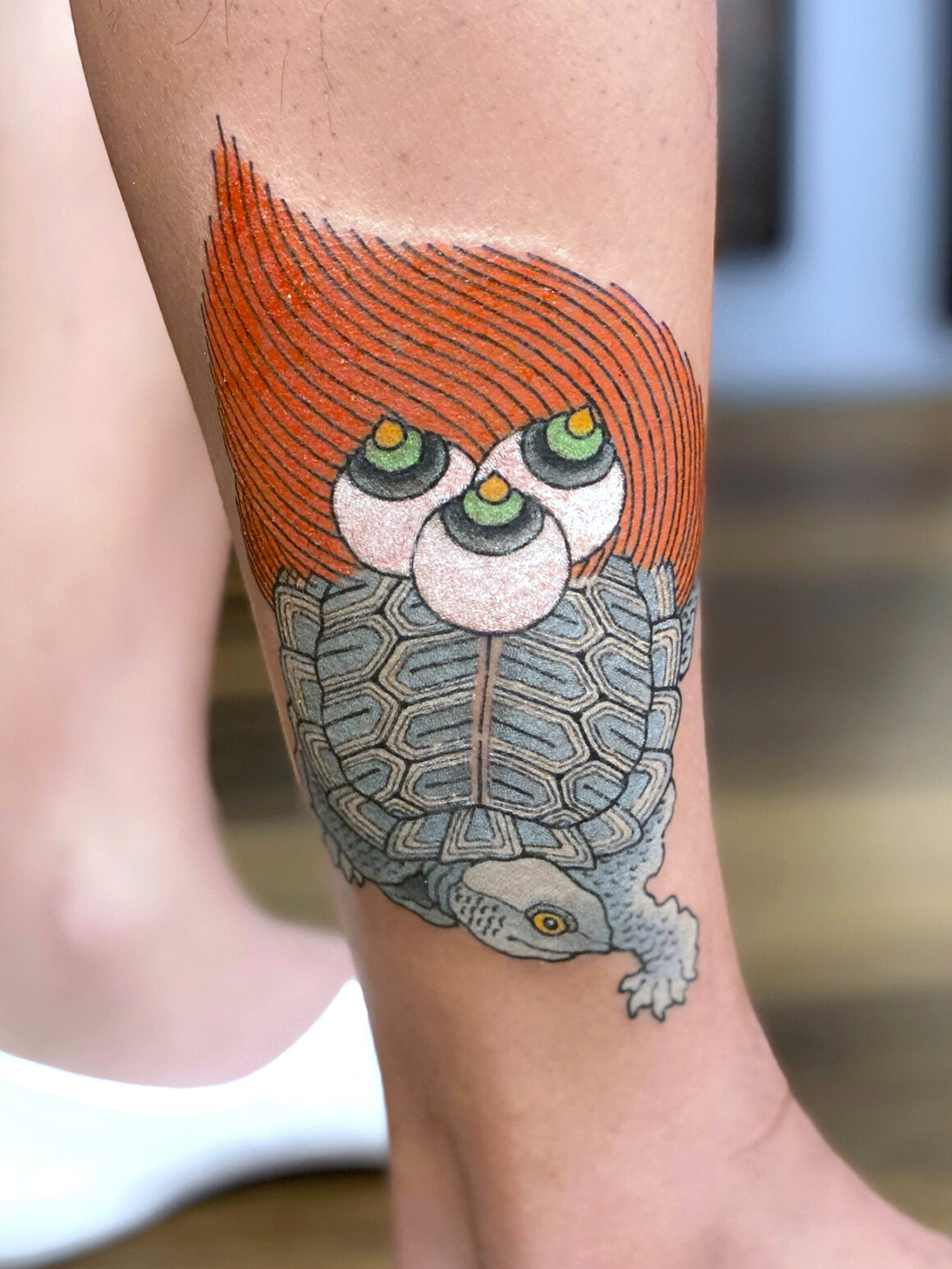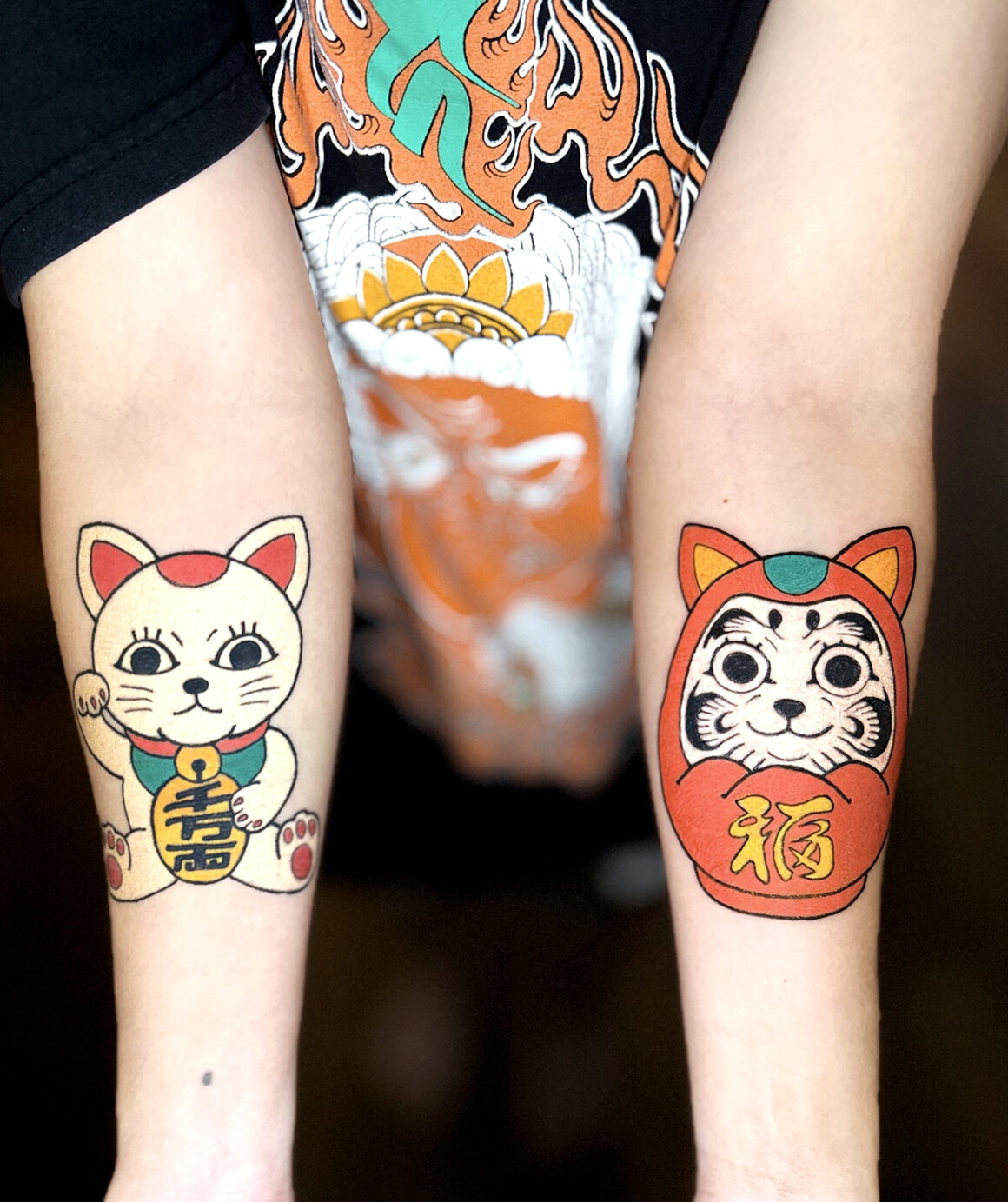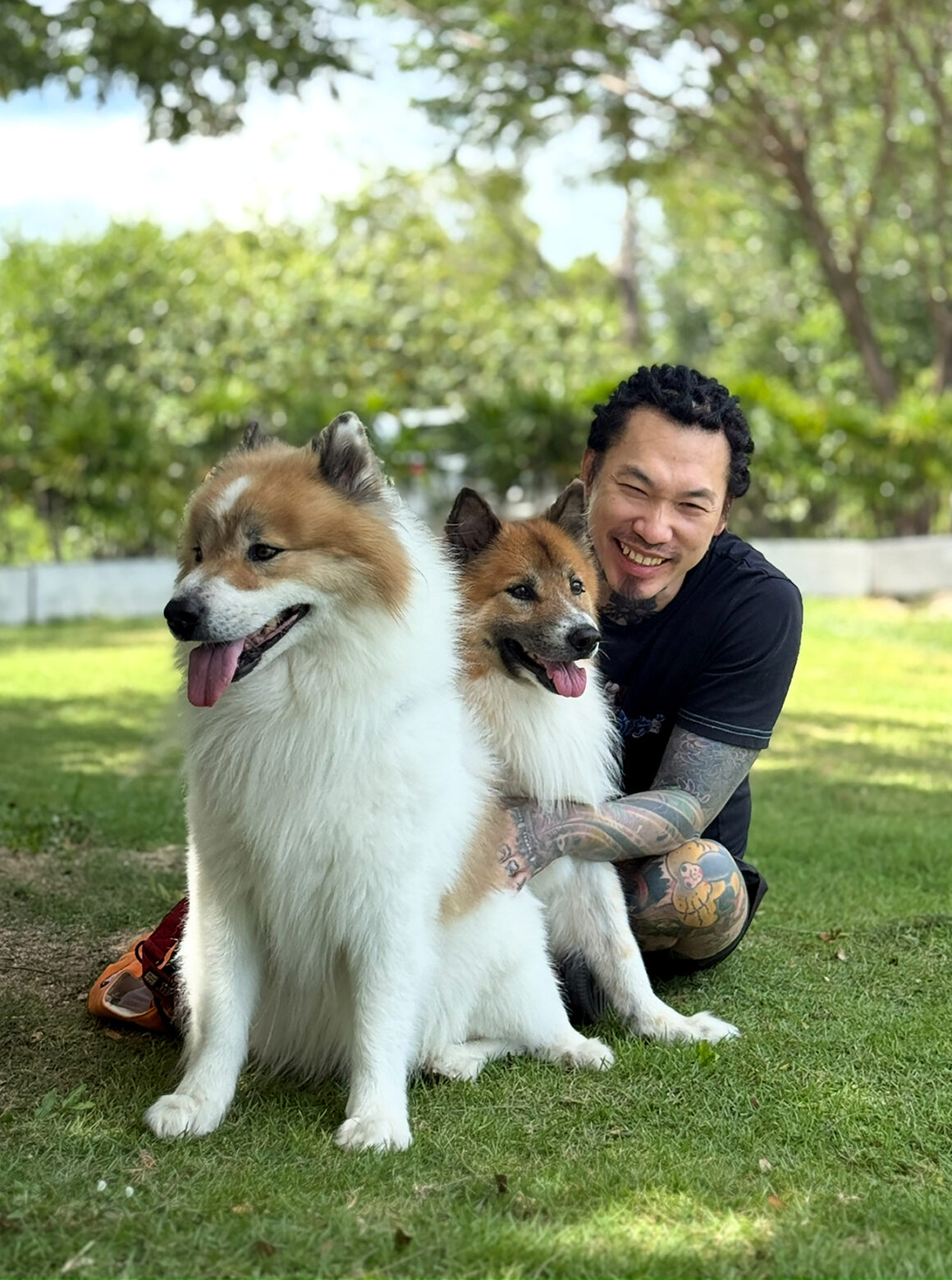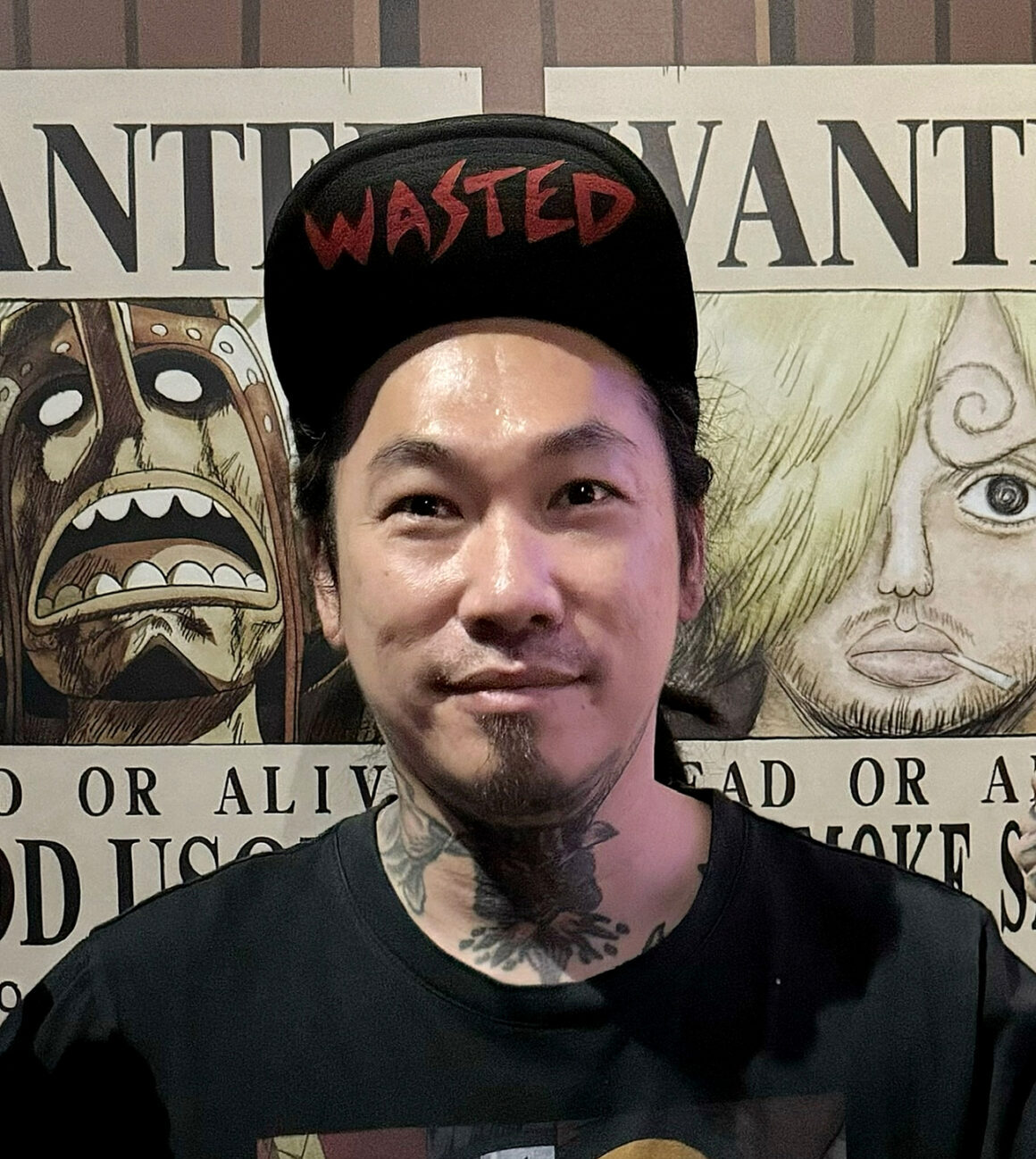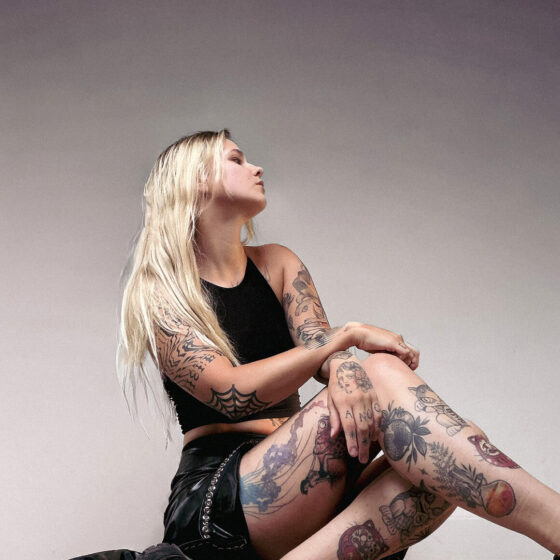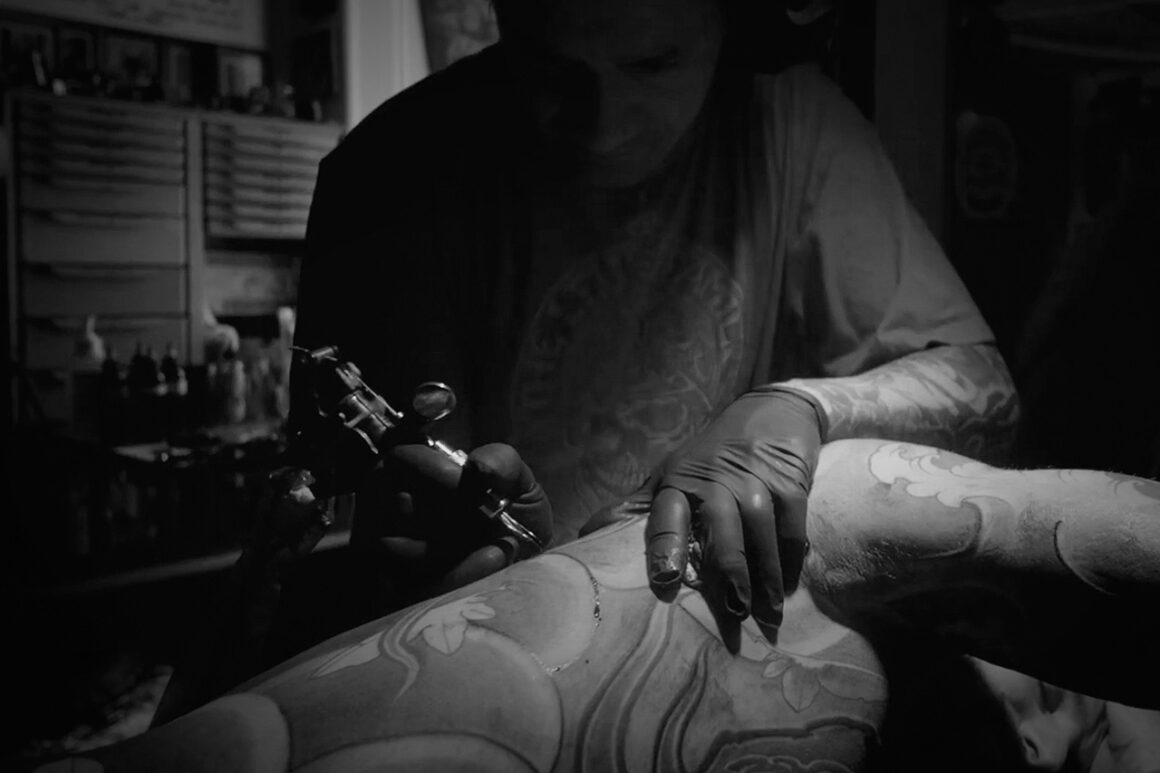
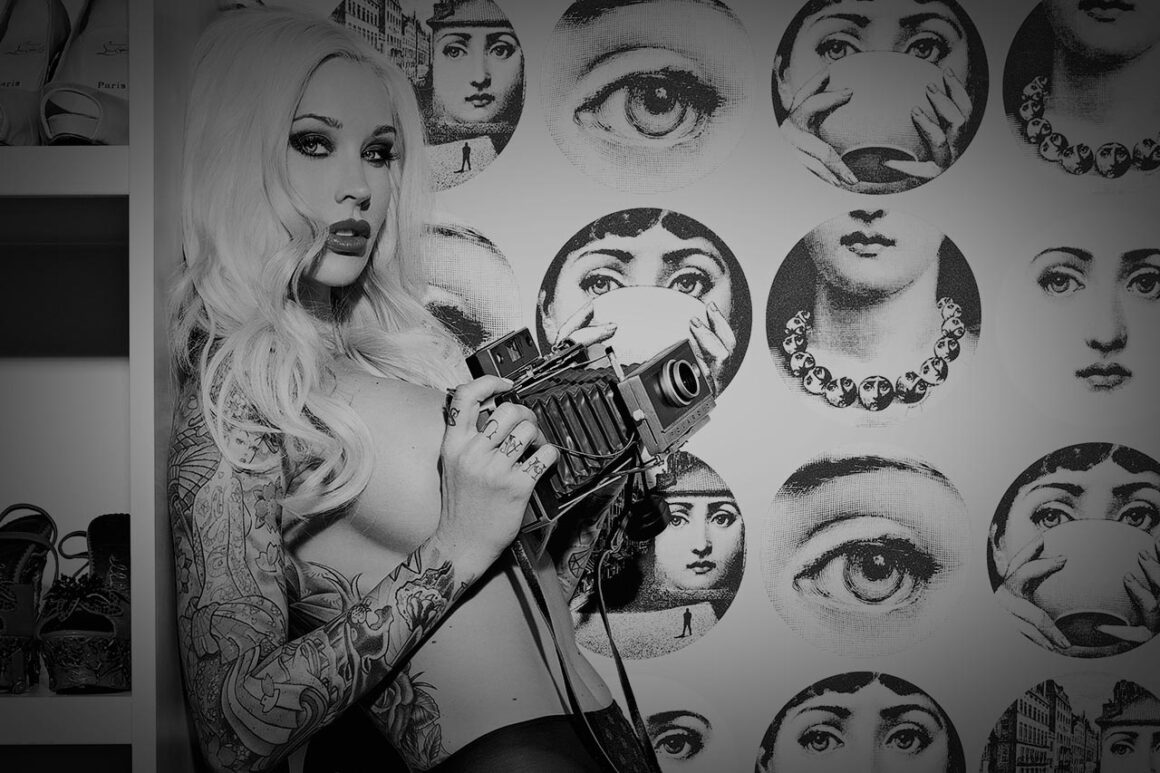
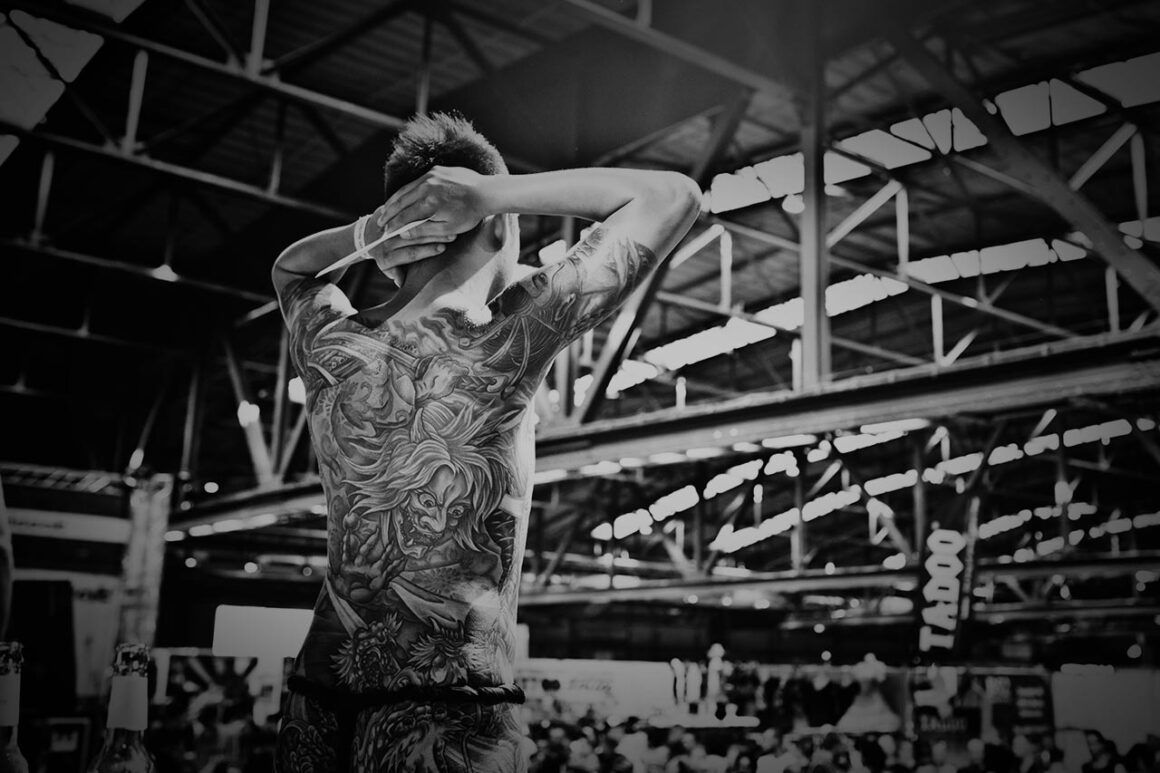

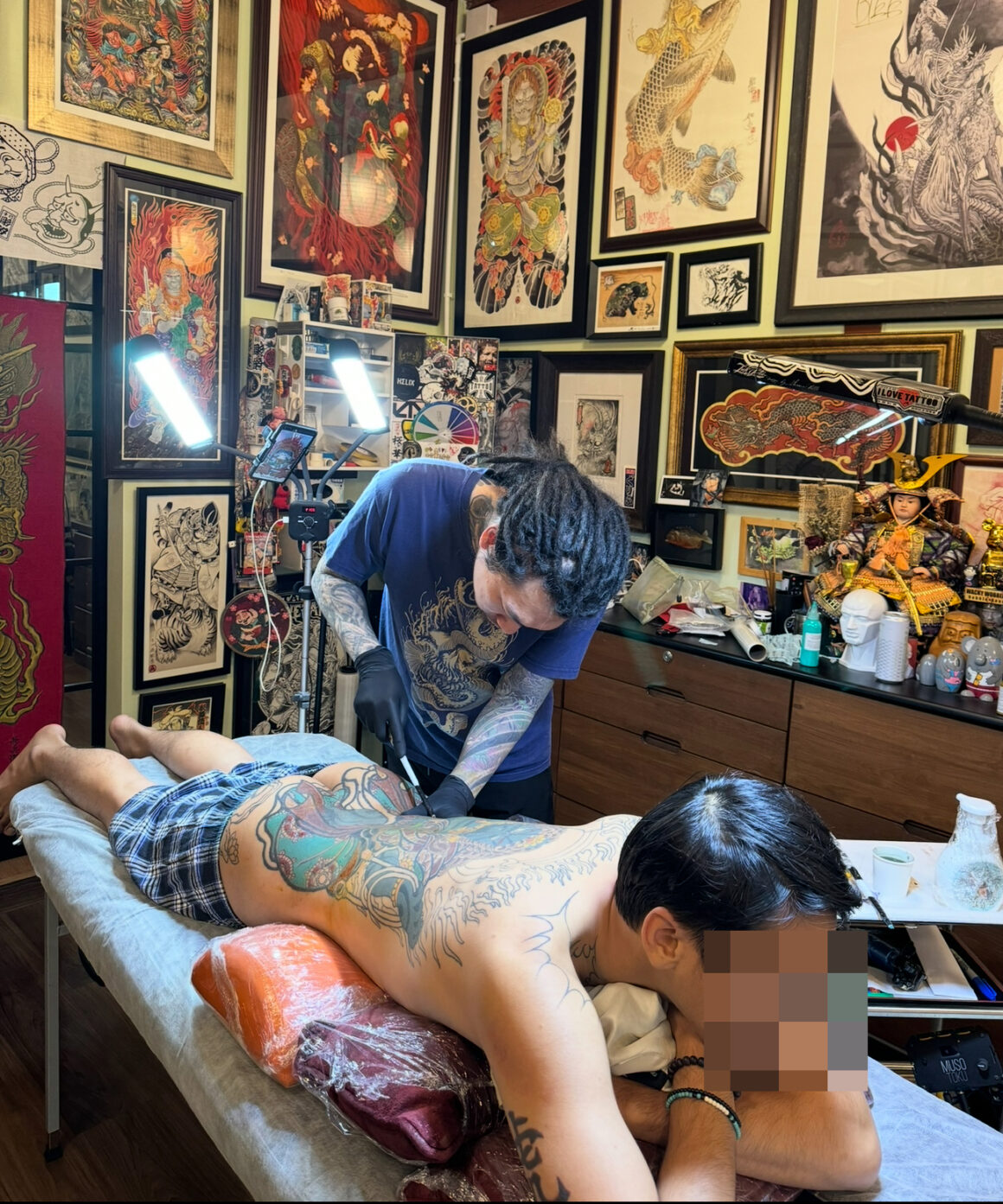
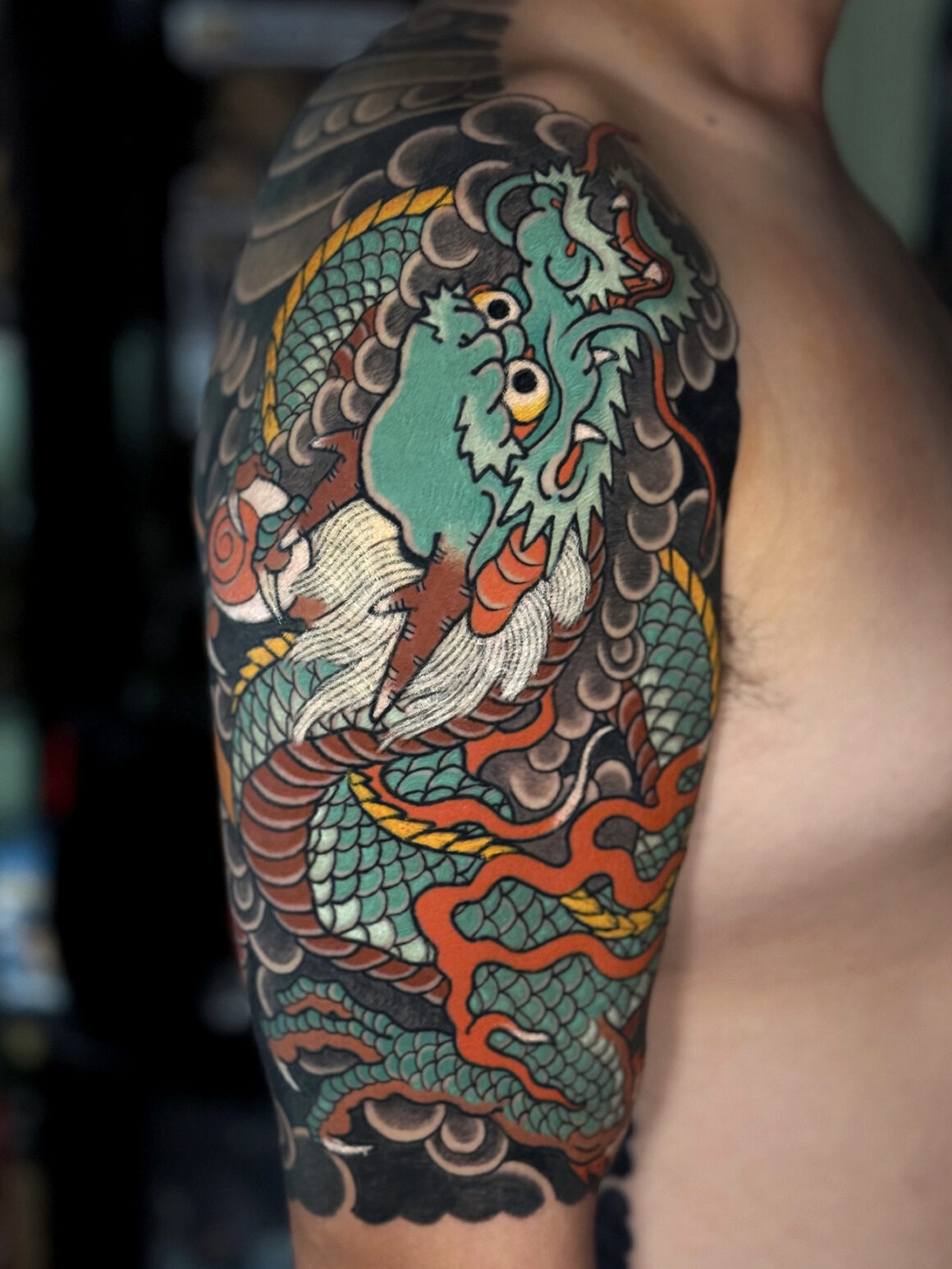
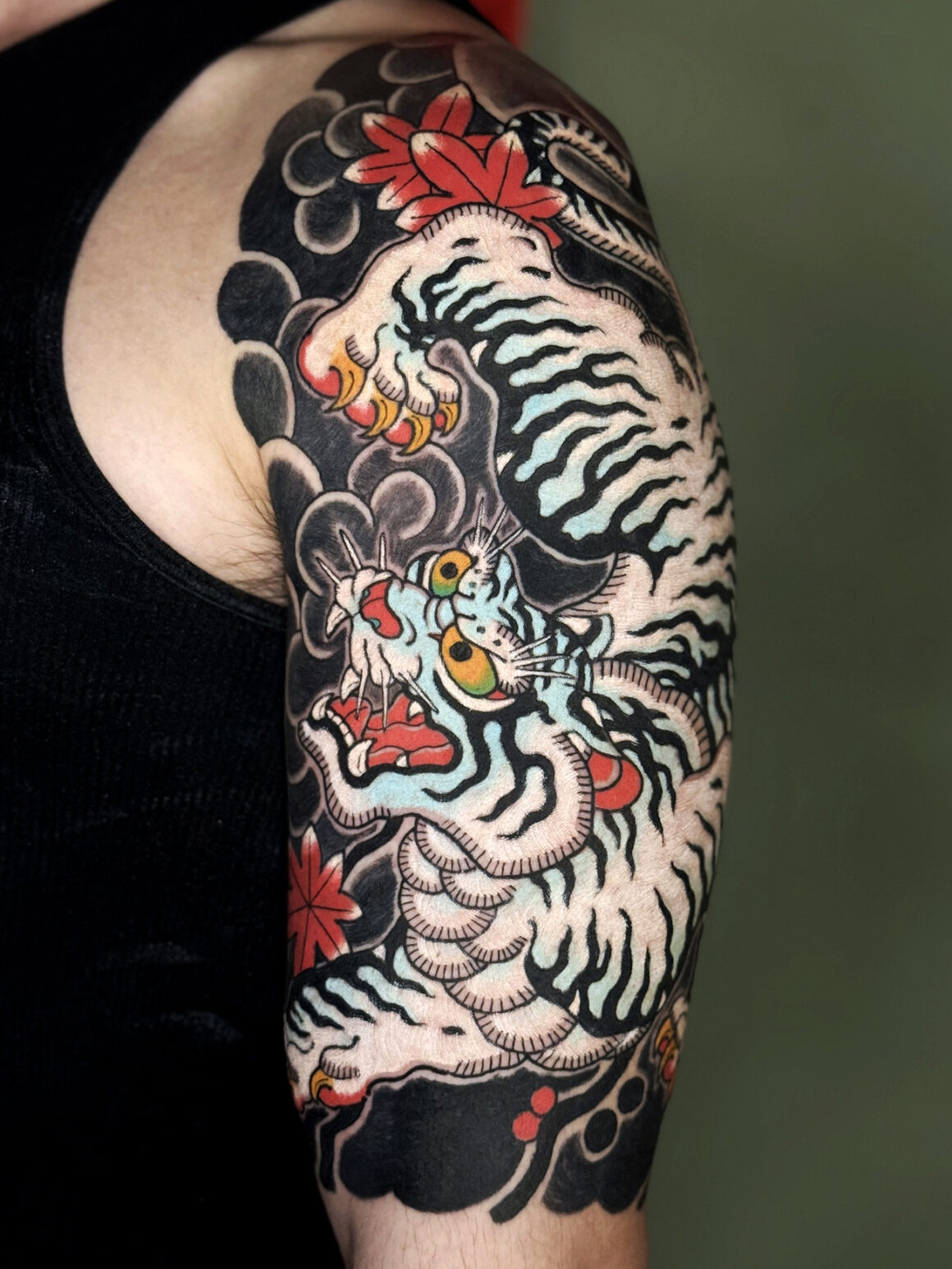
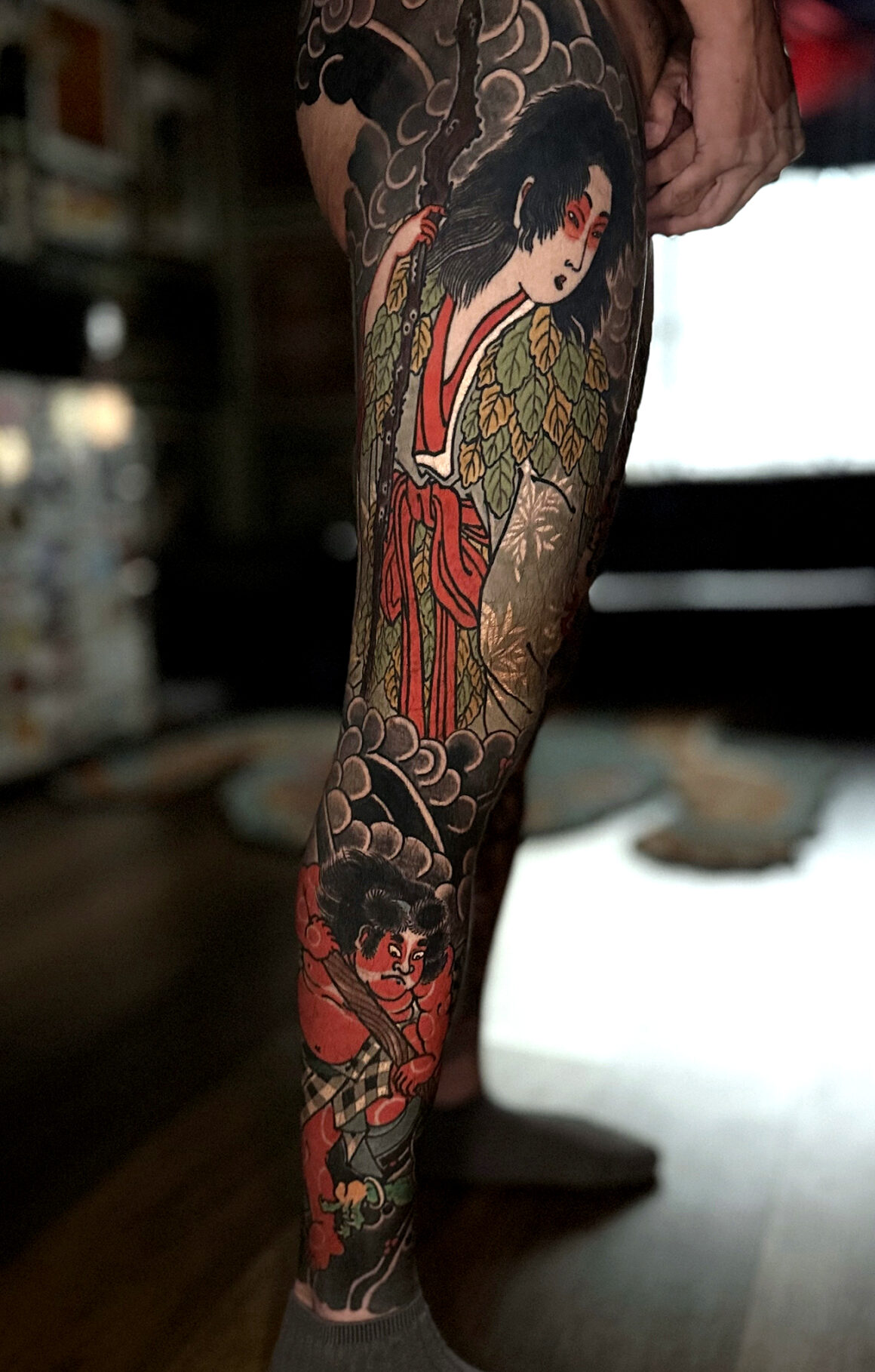
Thanks to the teachings of Master Horimasa and his rigorous interpretation of Japanese tattooing on large body pieces, this Thai artist is making a name for himself at ‘Dark Age Tattoo’ in the Emerald City.
Biee Sae-tang, tell us a little about yourself: how did you get started in tattooing, and what drew you to become a tattoo artist?
My journey began in Thailand. What really sparked my desire to become a tattoo artist was getting my very first tattoo on my upper arm. Back then, I was deeply into rock and metal music.
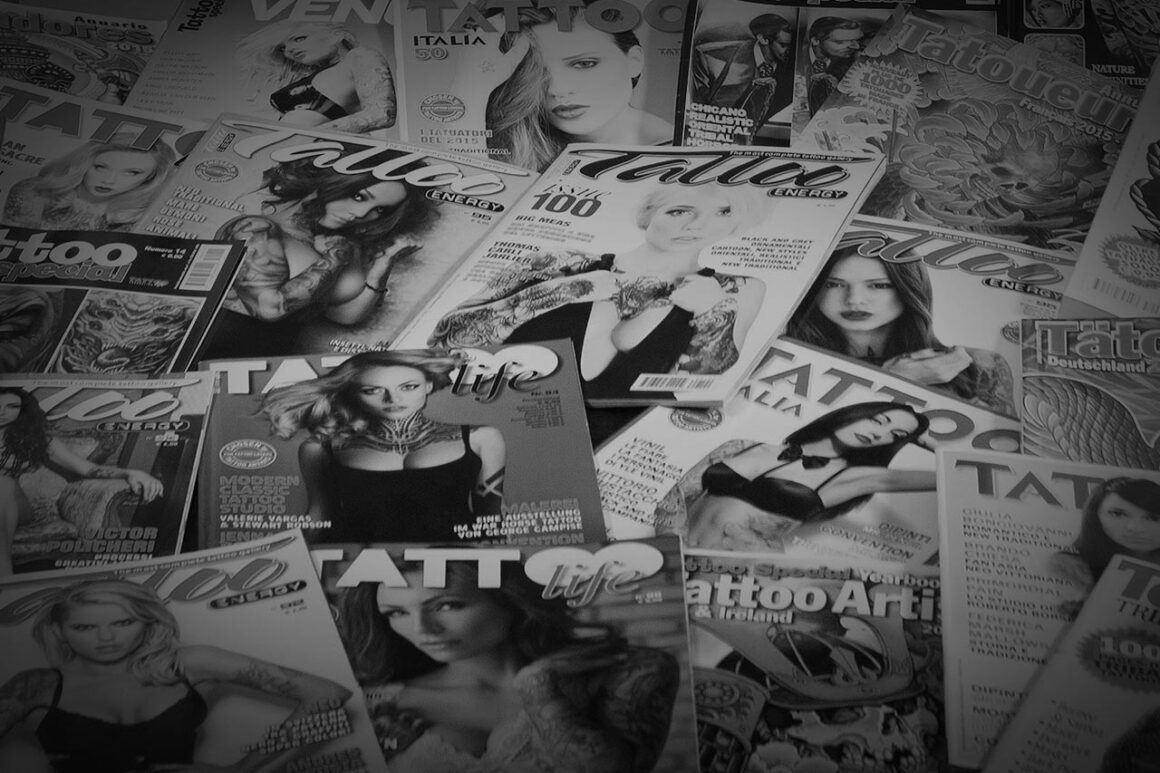
Almost every week, I would visit international bookstores in shopping malls just to flip through pages and look at photos of foreign artists and pretty much all of them had tattoos. That obsession led me to get my first piece on my right upper arm when I was 17. Once I had that first ink on my skin, a thought popped into my head: I want to be a tattoo artist. I hoped that maybe one day, I’d get the chance to leave my mark on the rock and metal artists I grew up listening to and admired.
What have been the most important milestones in your career so far?
Two years later, I asked a tattoo artist I knew to teach me, and I started working with a part-time job on weekends for a brief period of two years. However, the real turning point that made me want to pursue tattooing professionally was meeting a group of Thai tattoo artists called ‘Tattoocore’. At that time in Thailand, it was incredibly rare — almost impossible — to find more than five tattoo artists together, talking shop and sharing techniques. Back then, everything was kept secret; nobody shared their knowledge. Meeting them was a massive turning point that made me want to dive into tattooing full-time.
And to this day, I still hold on to that dream of one day leaving my mark on the musicians who inspired it all.
How did you learn the Tebori technique? Did it take you years to master it?
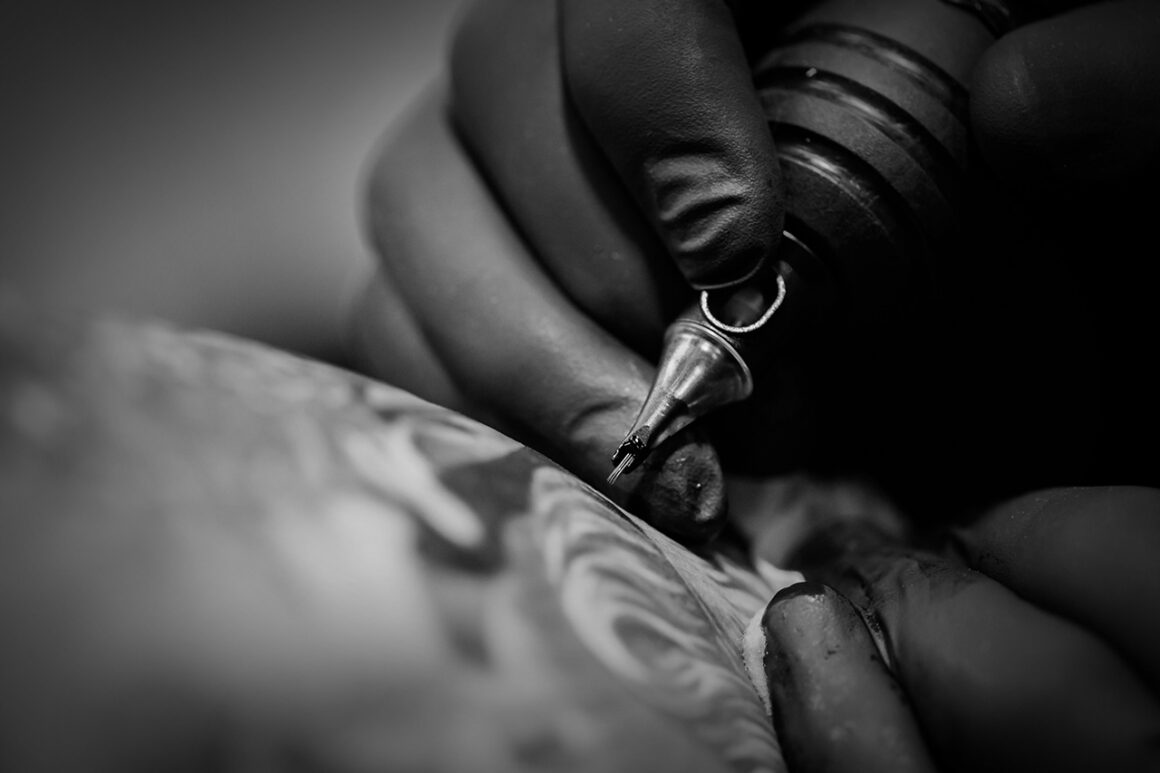
Most of my journey has been about self-learning, experimenting, memorizing and practicing on my own. I was incredibly lucky when I first started, Master Horimasa (IG: @horimasa_tosui) noticed my work and taught me how to make Tebori needles and the basics of traditional tattooing. Since then, it’s been all self-practice. In my first year I only did palm sized pieces. The next year I moved on to larger designs, and the year after that I started focusing on linework, gradually improving over time. Looking back at where I started compared to now, I can see steady progress, even my working speed has improved. To this day I’m still studying and learning every single time I tattoo.
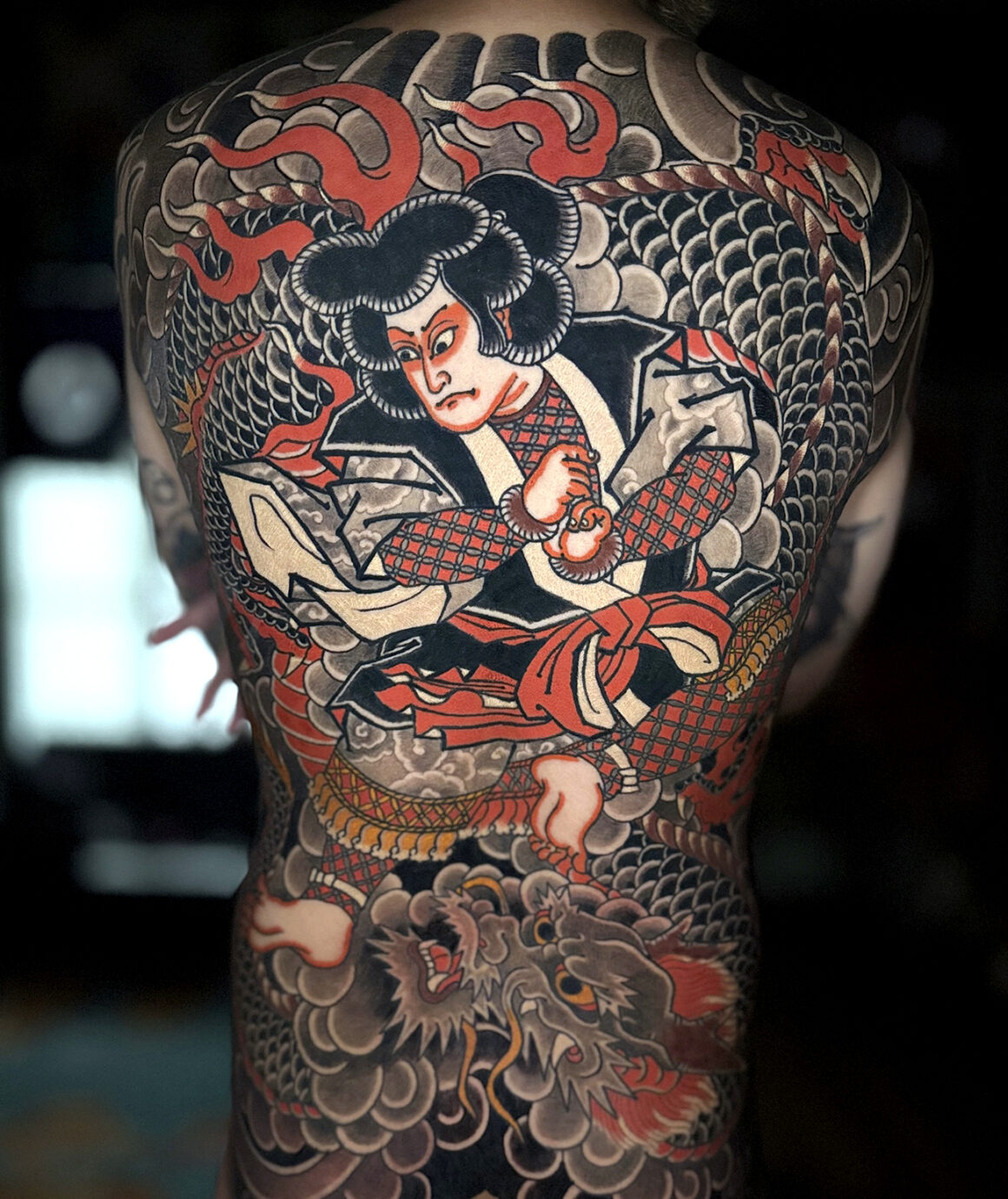
Yours isn’t exactly 100% Oriental/Japanese, is it? You take some freedom with traditional iconography when designing some small subjects…
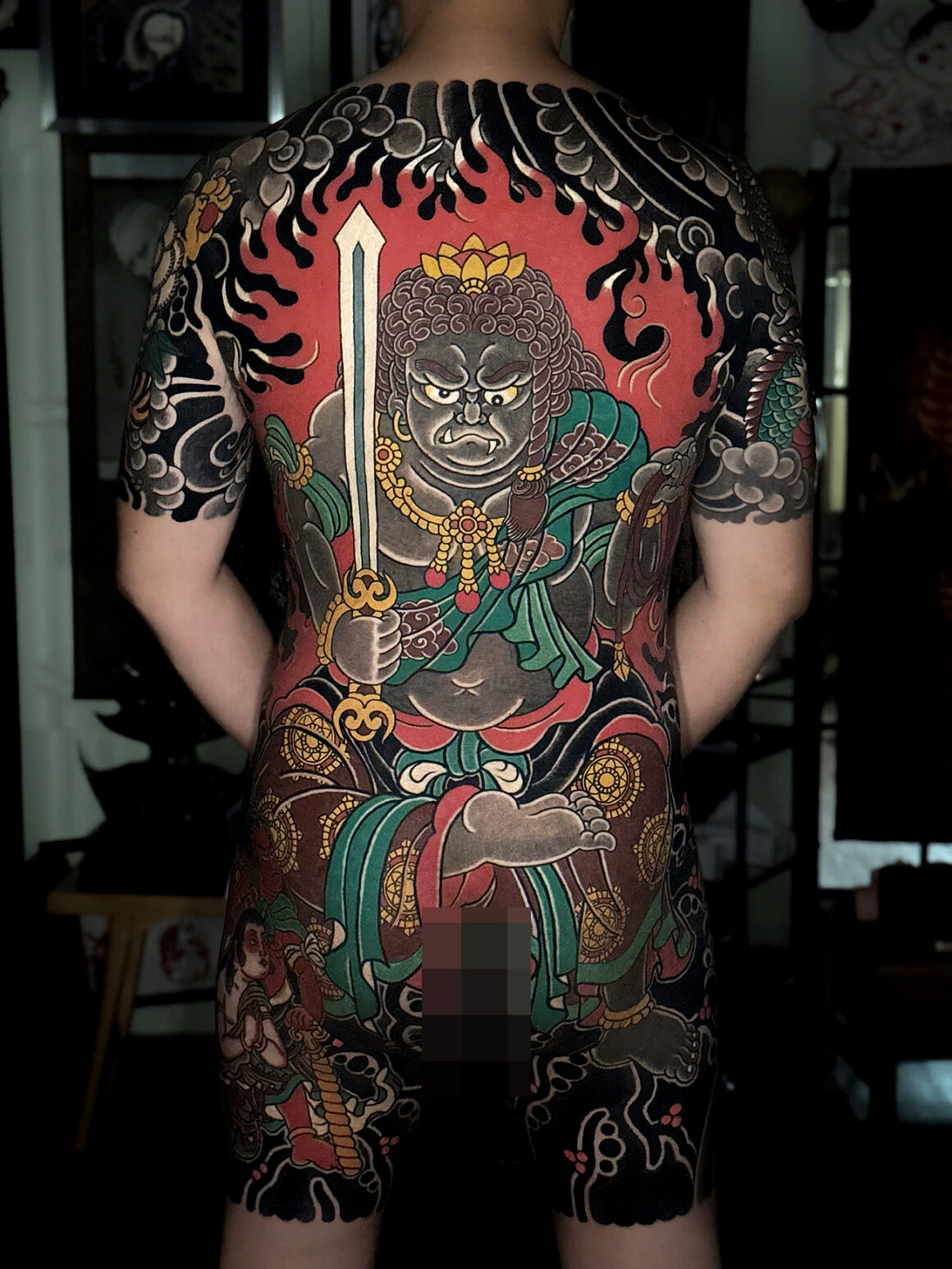
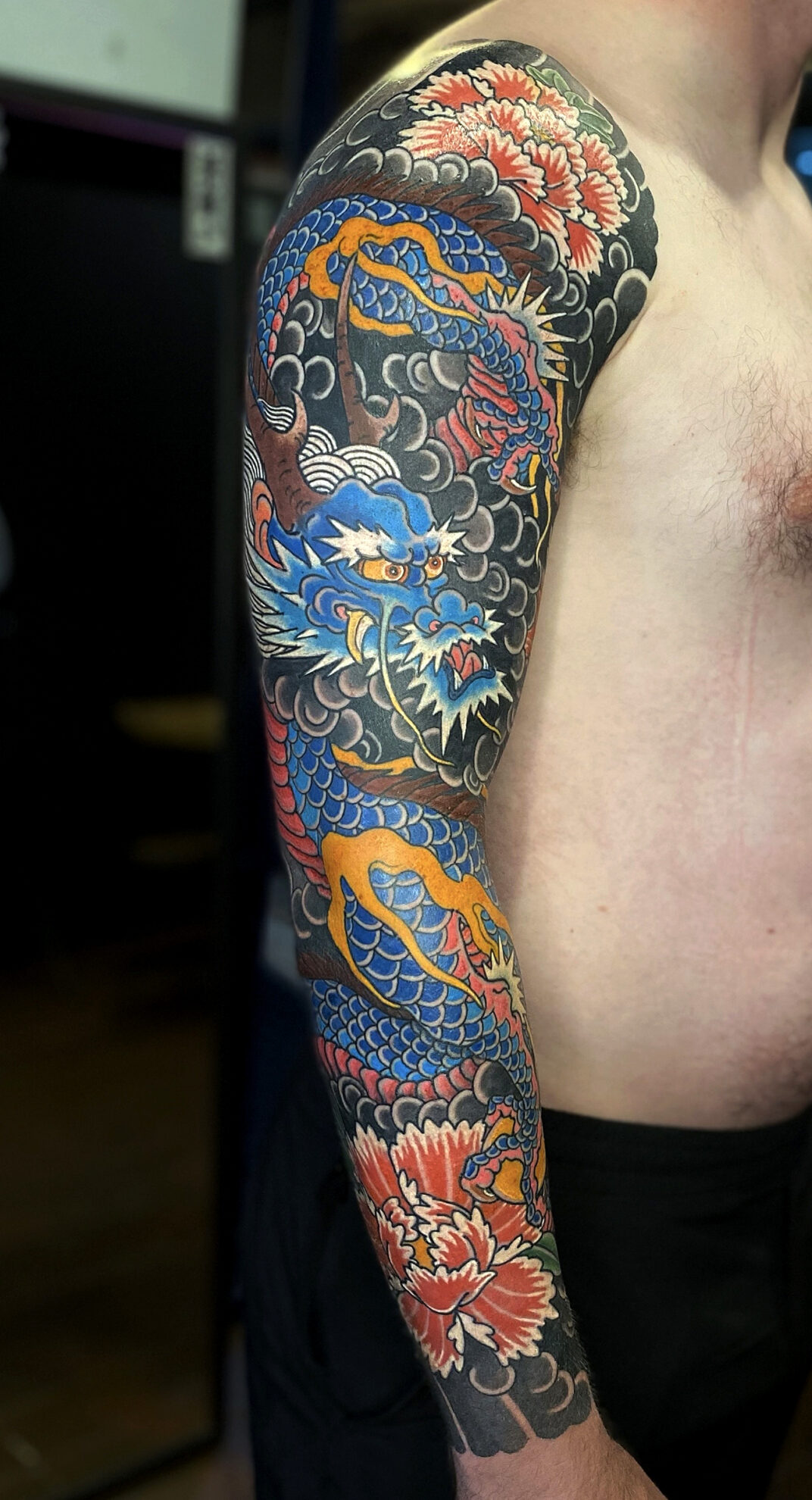
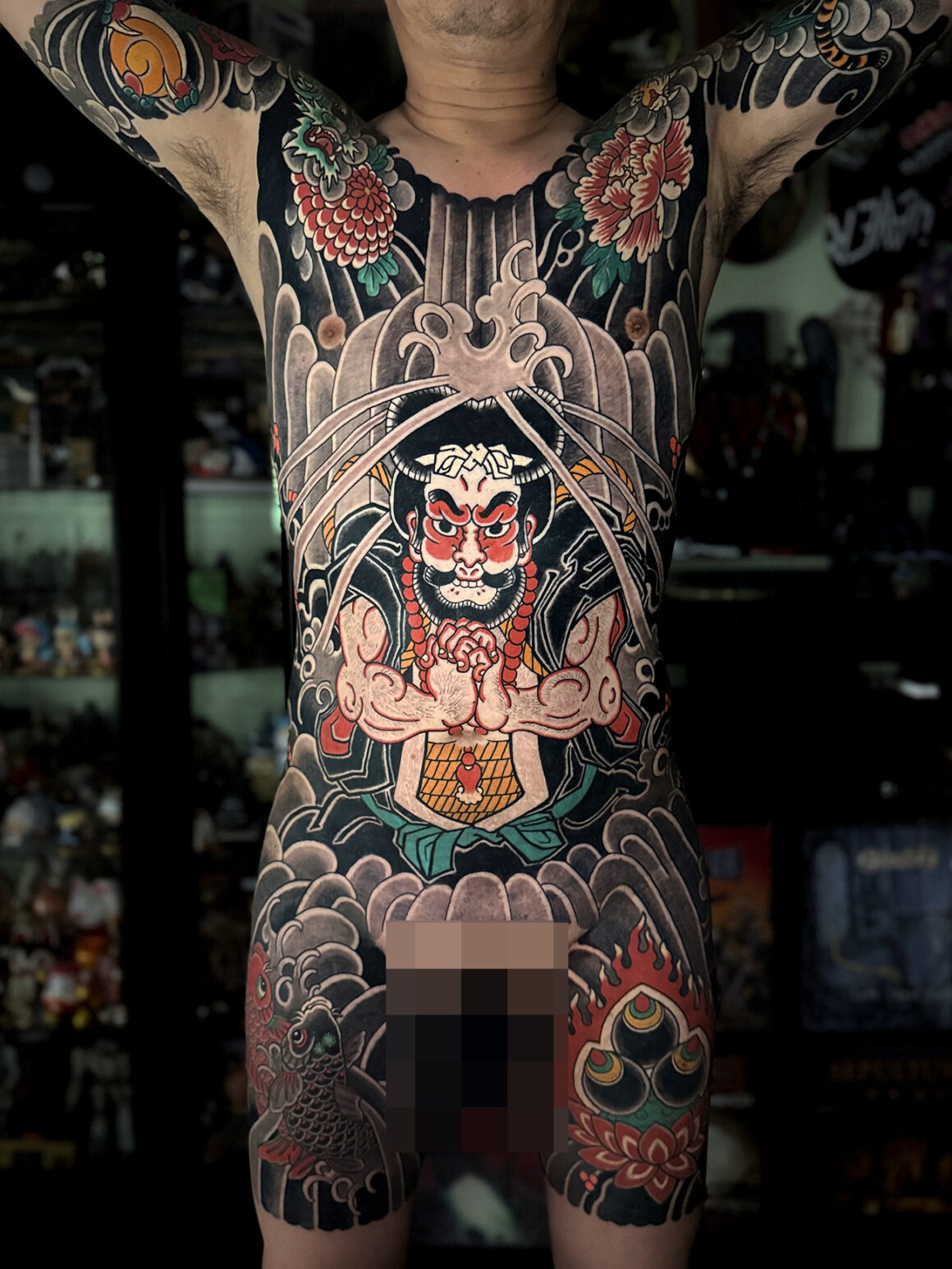
That’s not entirely the case for all of my work. When designing large pieces, I try to make them as authentic to the Japanese style as possible focusing heavily on the concept, the meaning behind the piece, and the traditional rules of Japanese composition. However, for small or medium-sized tattoos that can be finished in a single day, yeah, I prefer to have some fun with my current interests. I love mixing in things around me that I enjoy, like anime, manga, music, or movie characters.
I’ll take those elements and adapt them so they blend seamlessly with the Japanese style I love.
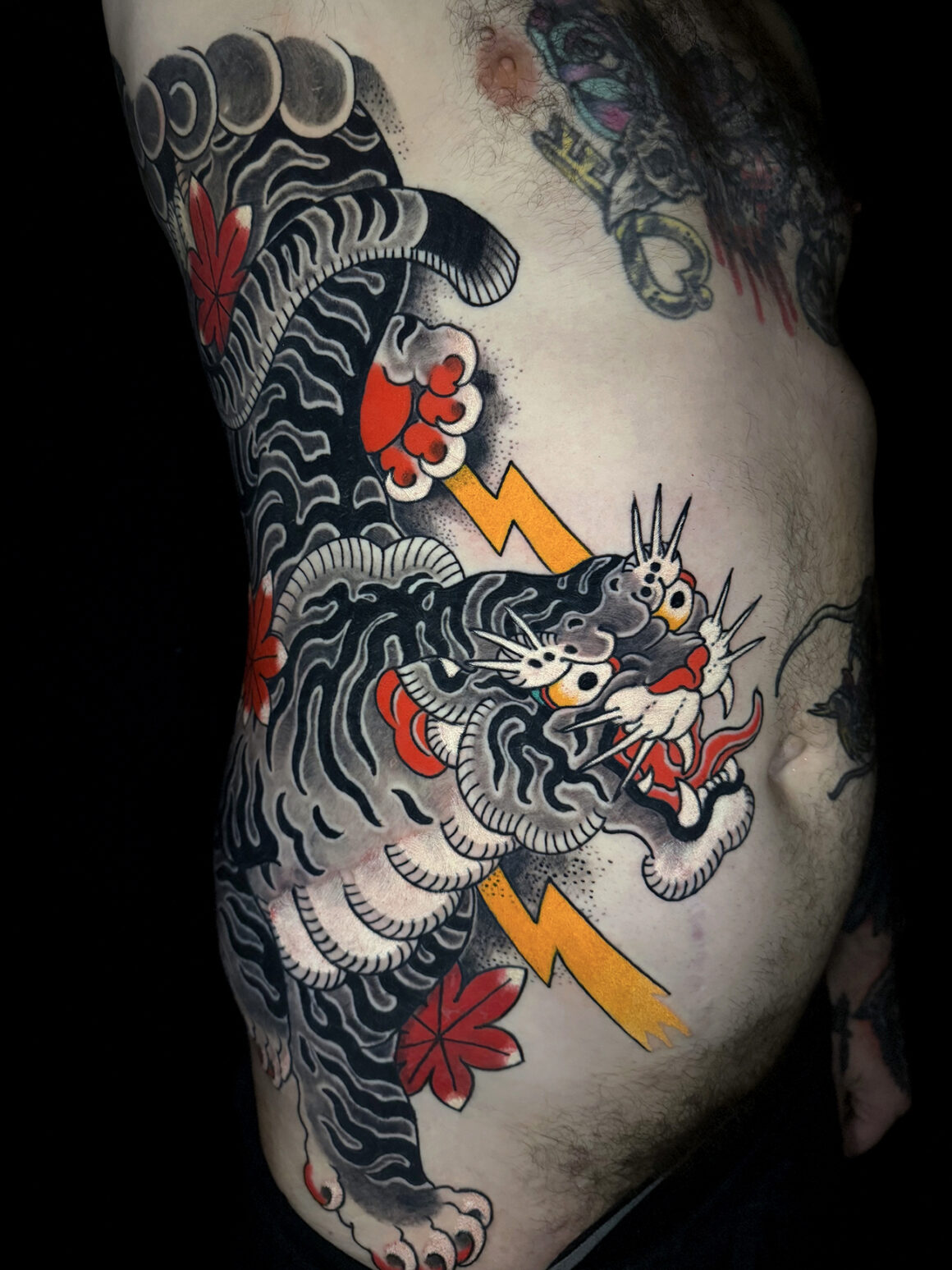
You also use a needle machine, but would you say the vast majority of your clients come to you specifically for Tebori/hand poke work?
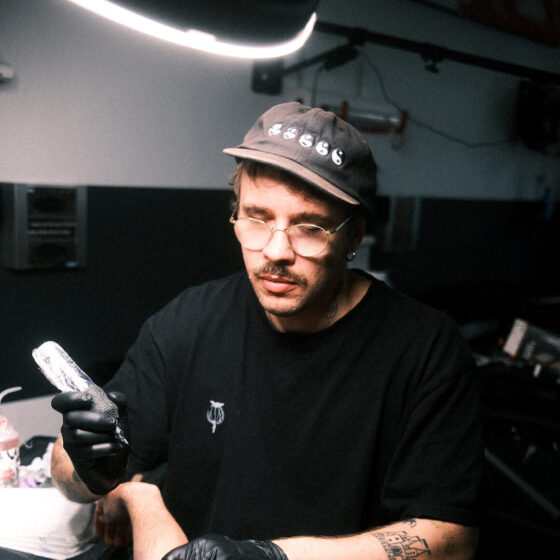
Yes, that’s correct. I still use a tattoo machine for linework, unless the design isn’t too complex or a client specifically requests otherwise — in which case I’ll use Tebori for the lines too. For shading and colour, however, I exclusively use Tebori techniques..
Most clients know I do Tebori, but some don’t realize it until right before we start the session.
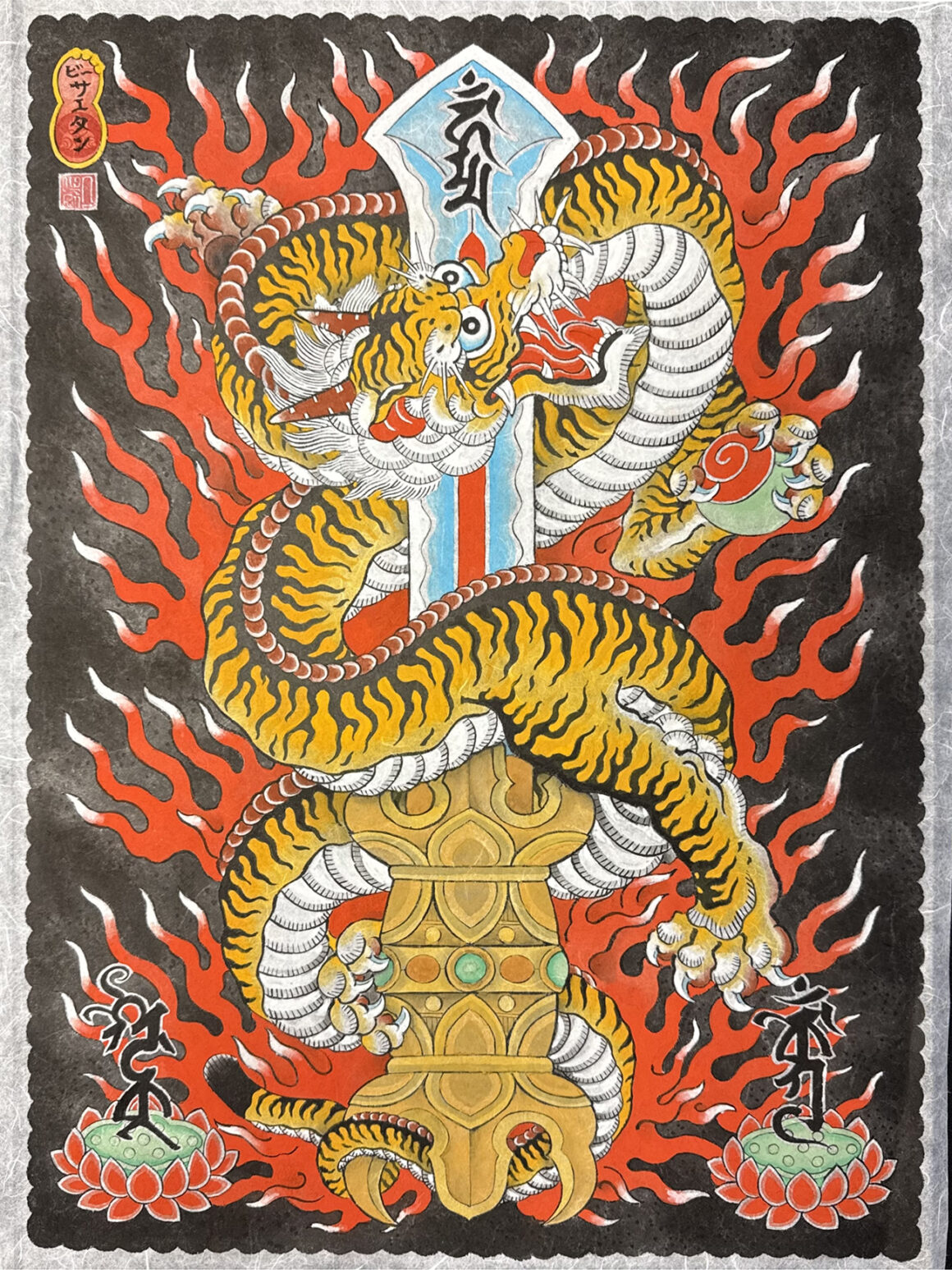
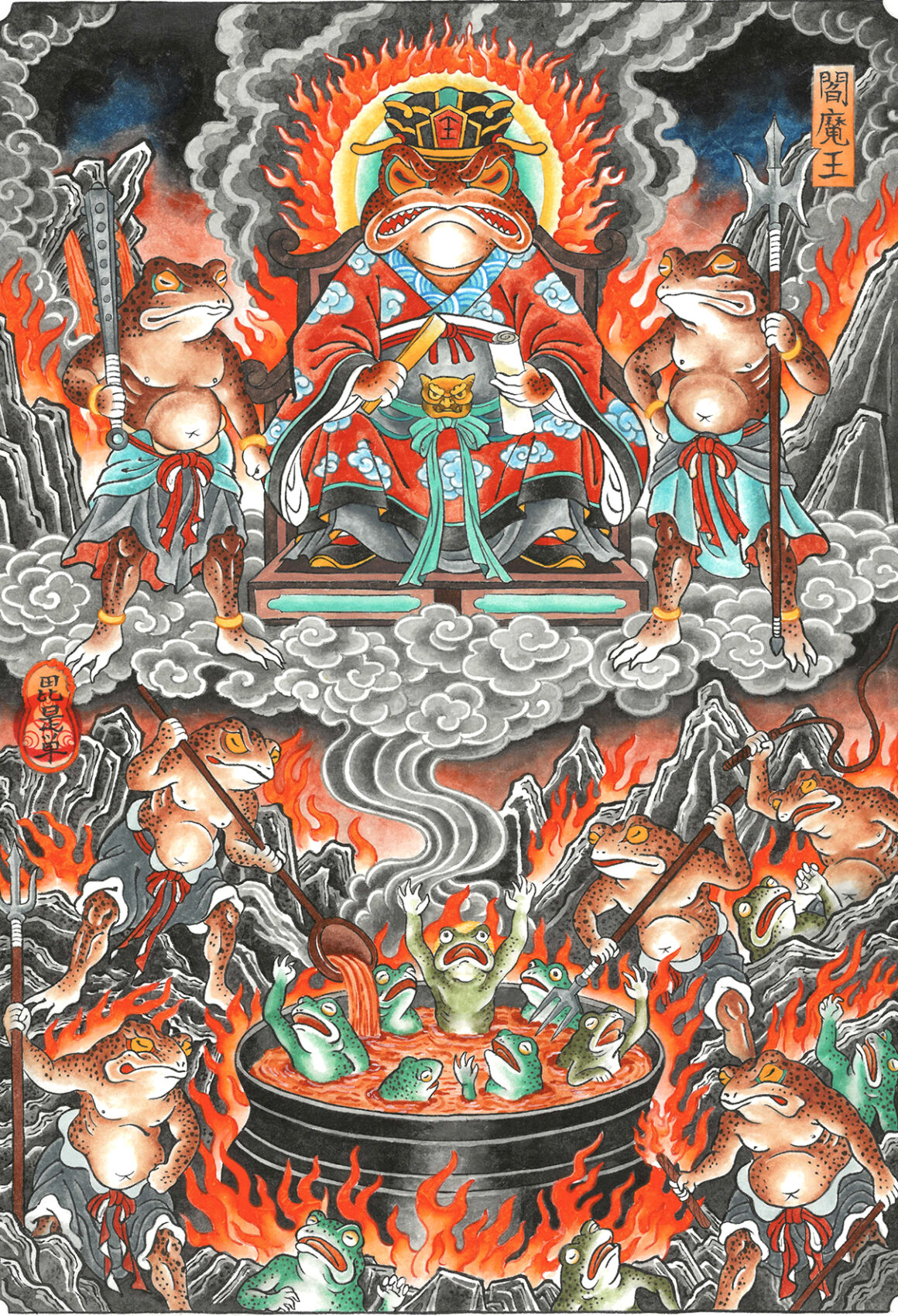
How did you end up working at Dark Age Tattoo (@darkagetattooseattle) in Seattle? Can you describe what it’s like to work in a city that has always been one of the birthplaces of tattooing in the Pacific Northwest?
Moving to Seattle marked the start of a whole new journey. Before the move I looked into a few shops that matched my style but meeting Jesse Roberts (owner of ‘Dark Age Tattoo’ – IG: @darkagetattooseattle) while his band called Old Iron (IG: @old_iron_band) was touring in Thailand changed everything. Chatting and connecting with him made me decide to join the ‘Dark Age’ crew. It’s a completely different vibe compared to working in Thailand or my 10 years in Melbourne, Australia. Since I’m new to the American scene, I’m currently working hard to introduce Tebori to Seattle and nearby areas. A lot of my clients here have never seen Tebori before, but I’m confident that more and more people will fall in love with this beautiful technique.
What are your expectations for summer/fall 2026?
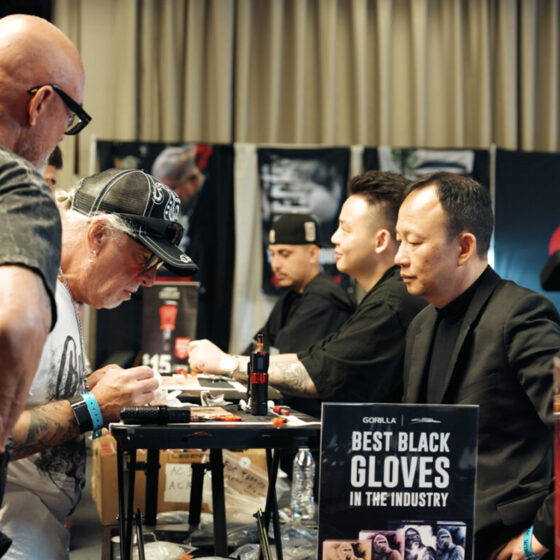
Seattle is still my main base, but I’m aiming to hit at least one convention a month both across the United States and overseas. I actually just wrapped up the ‘Void Tattoo Fest’ (IG: @voidtattoofest) in Portland and it was incredible! The concept was wild, they turned an entire motel into a tattoo festival. At ‘Void Tattoo Fest’ each artist worked inside a motel room with a massive glass window out front where people could just walk by, look in and walk right into the room if they liked your style.
Do you have any guest spots and tattoo conventions planned elsewhere?
Here is my confirmed lineup for the upcoming months. June 2026: ‘Capcity’ (Sacramento, USA). August 2026: ‘Seattle Tattoo Expo’ (IG: @seattletattooexpo Seattle, USA) & ‘Montreal Tattoo Convention’ (IG: @arttattoomontreal Montreal, Canada). September 2026: ‘Lugano Tattoo Royale’ (IG: @luganotattooroyale Lugano, Switzerland) & ‘The Ink Factory’ (IG: @theinkfactorylyon Lyon, France).
And your last famous words are… ?
War creates nothing, I create art. In Tebori we trust.