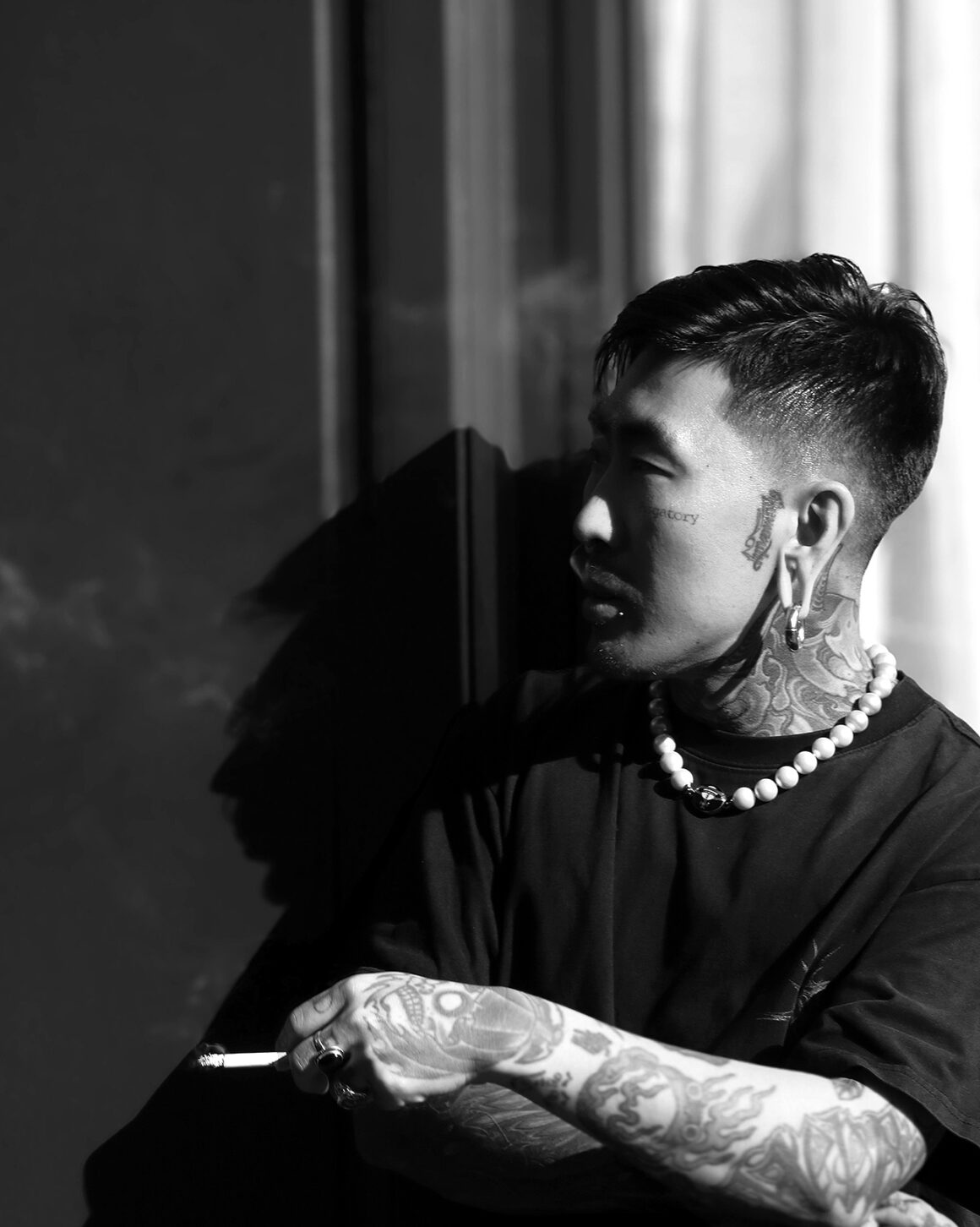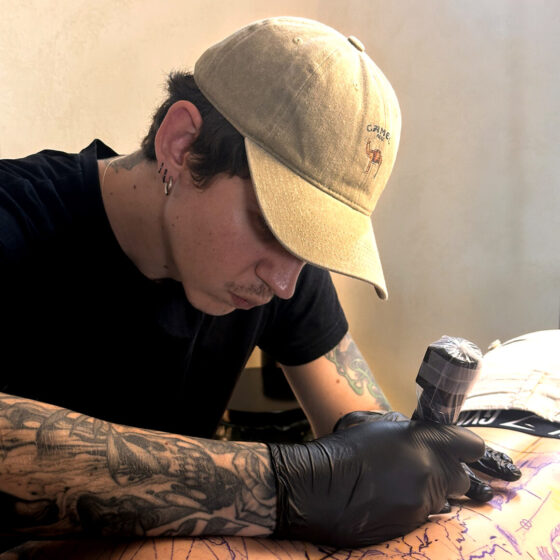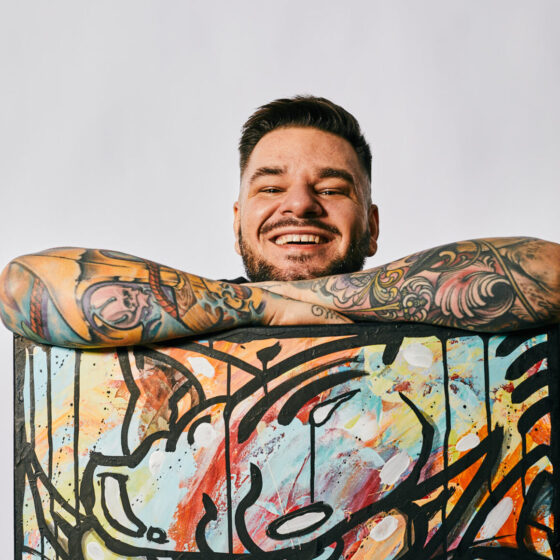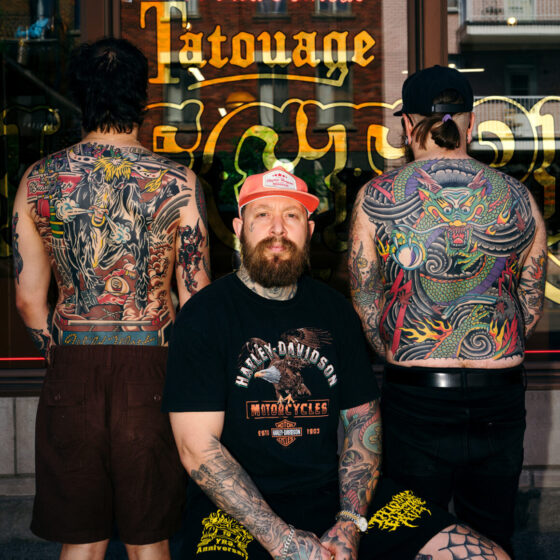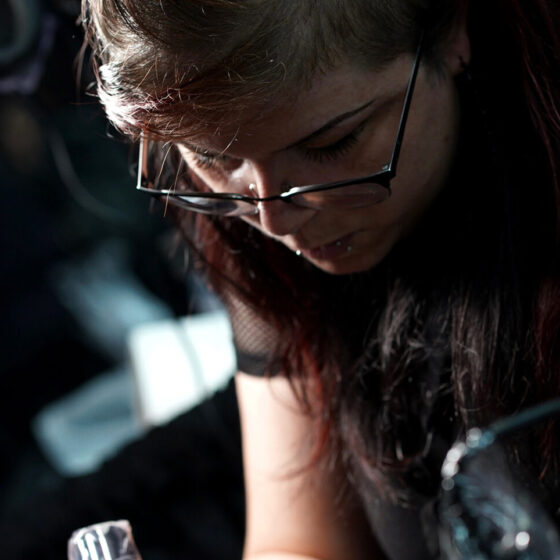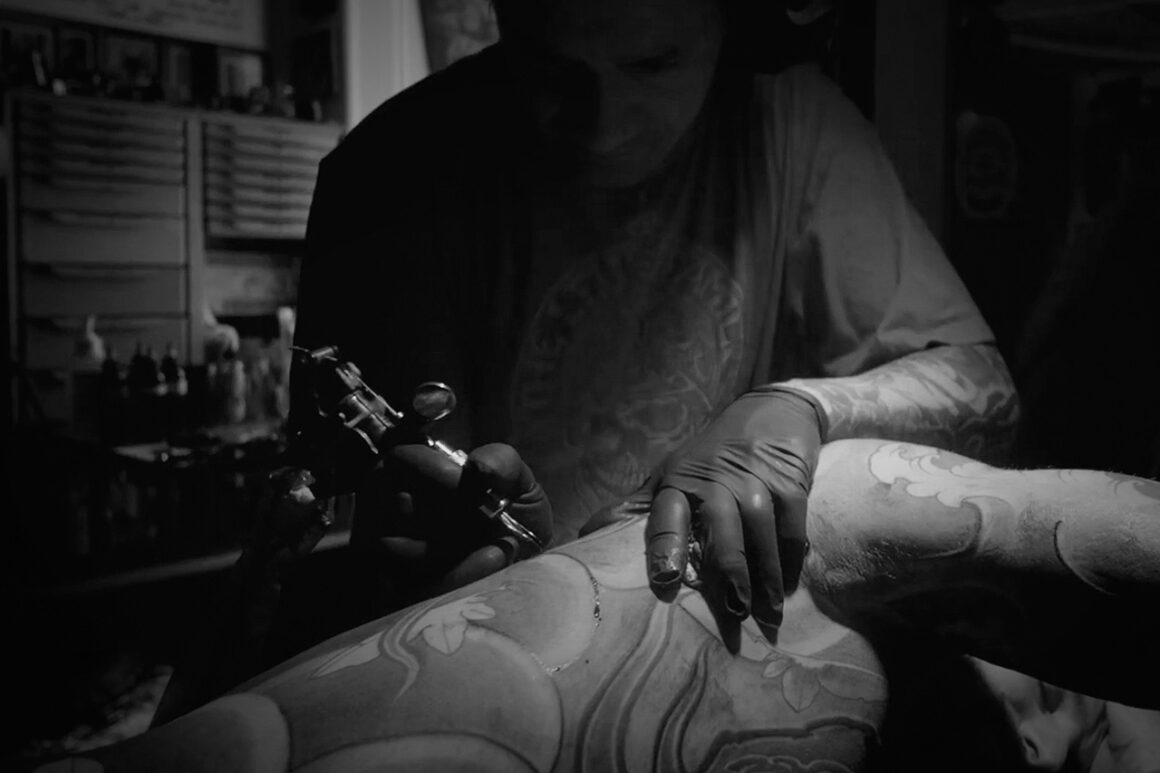
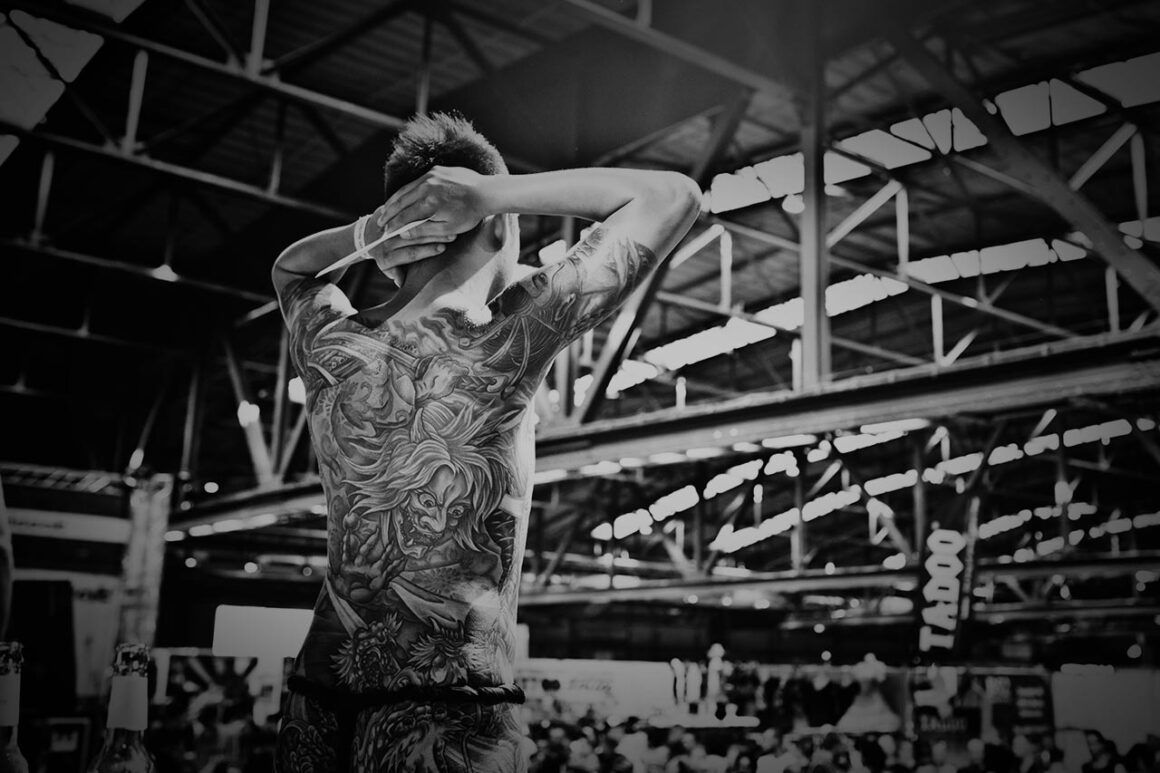

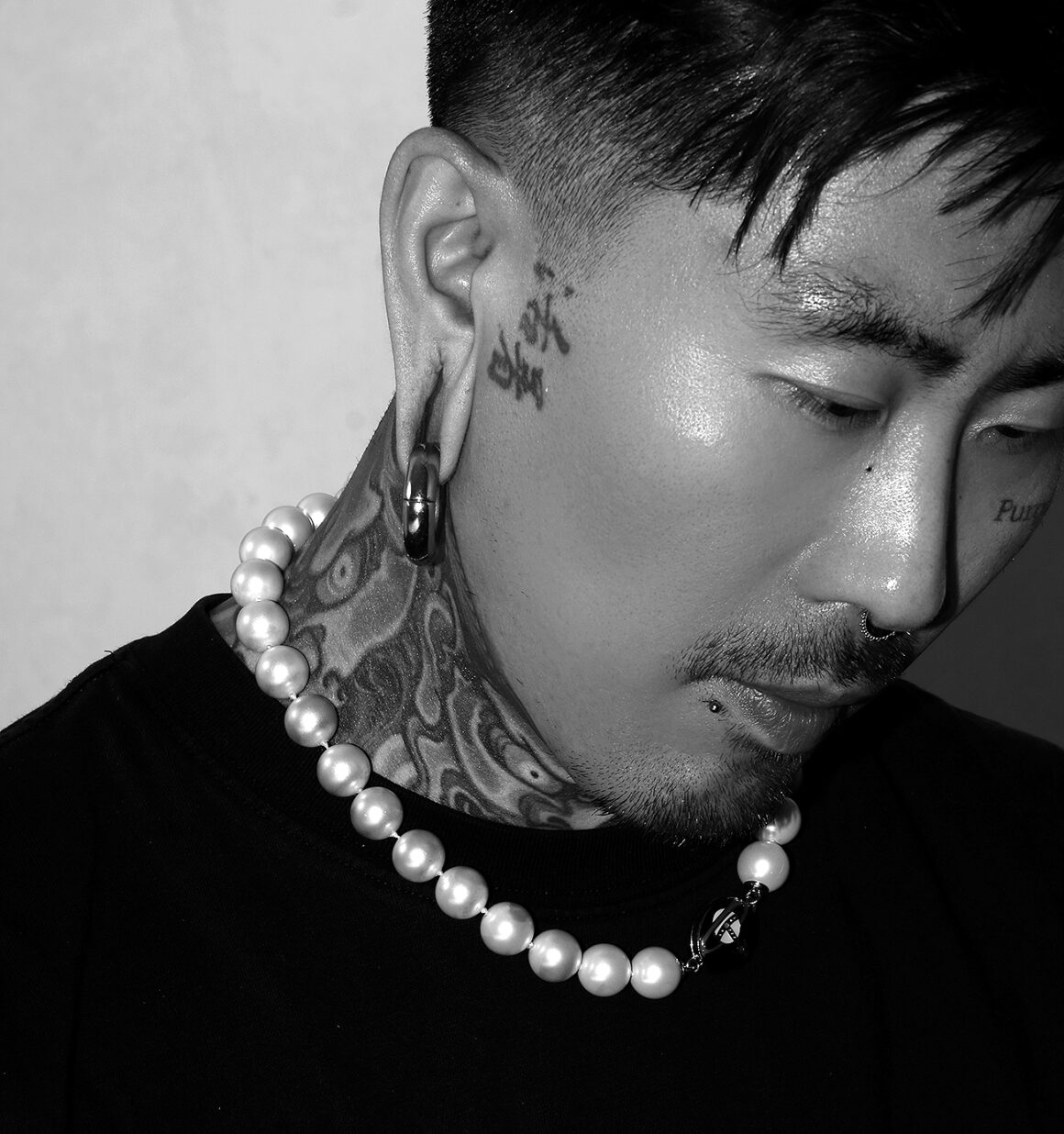
Born and raised in China and now based in Paris, tattoo artist Yunlong brings together Eastern aesthetics, ink painting, and contemporary tattooing in a distinctive visual language. From large-scale compositions and dragons to Hanya masks and abstract ink painting, his work explores the relationship between cultural heritage, technique, and the body. In this conversation, Yunlong talks about his artistic identity, his approach to tattooing, his experience at INK29, and the evolution of his work since he began tattooing in 2021.
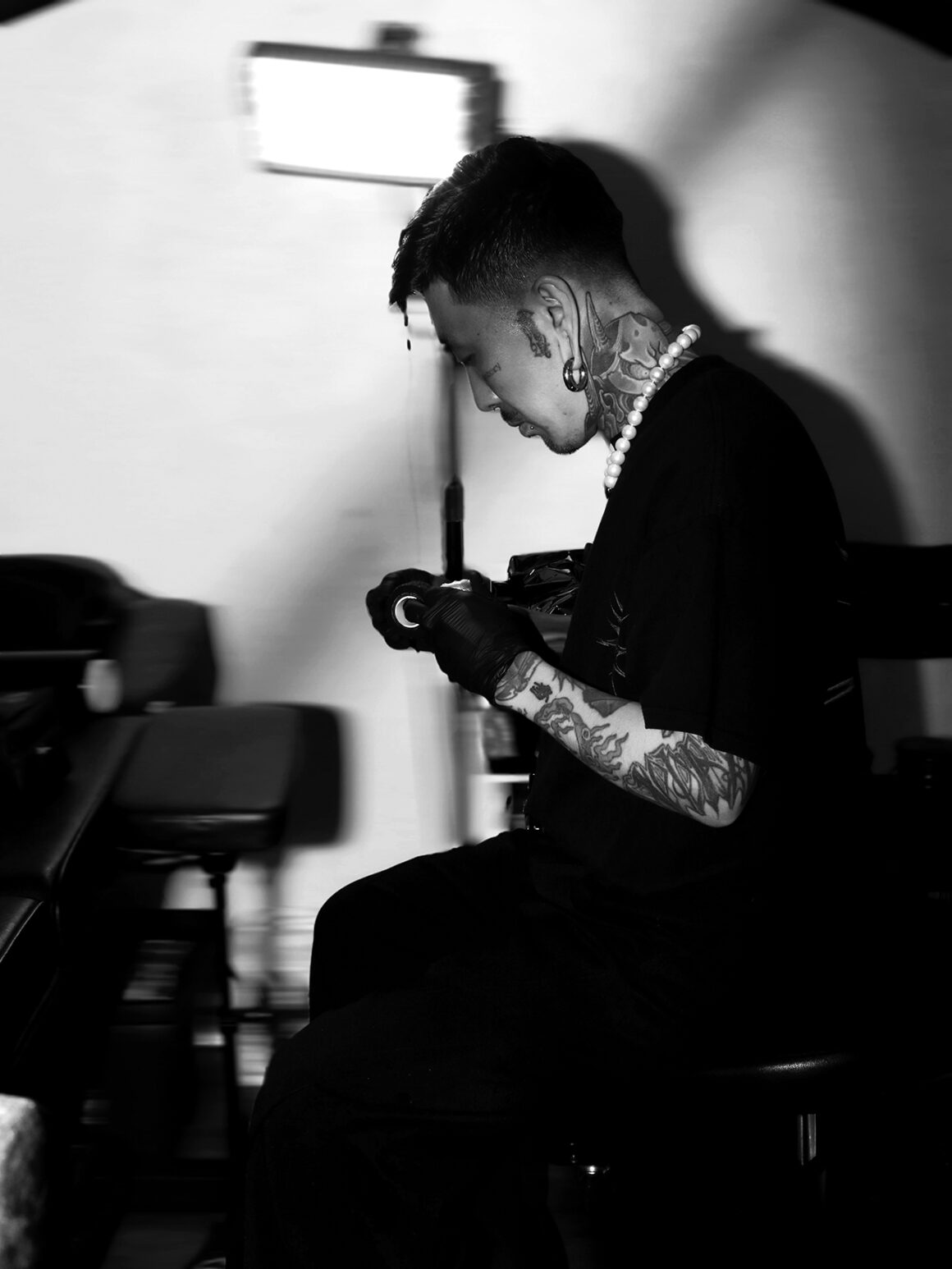
Let’s start from the beginning: when did you first realize that tattooing could become your artistic language and a way of expressing yourself?
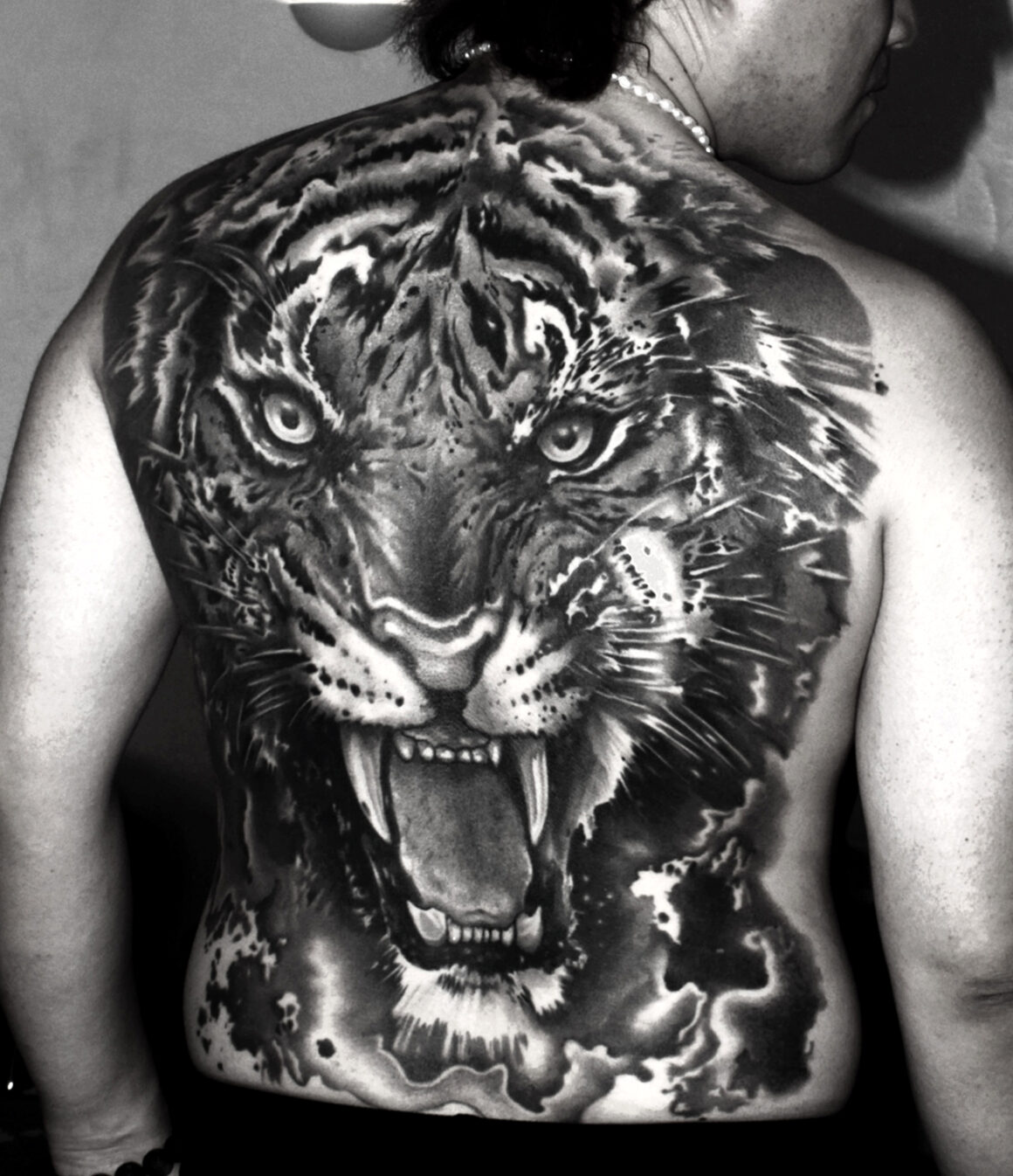
When I started working on large-scale tattoos and compositions, I realized that my tattoos needed storytelling. The subjects you choose, the way you present effects, and your current aesthetic all shape your expression.
You were born and raised in China and are now based in Paris. How have these two very different cultural environments shaped your artistic identity and the way you approach tattooing?
Born in China, I naturally have an Eastern aesthetic. Paris is a Western art school, and this contrast actually made me insist on being myself. You don’t have to deliberately become someone else; being yourself is your attitude toward tattoos and your artistic identity.
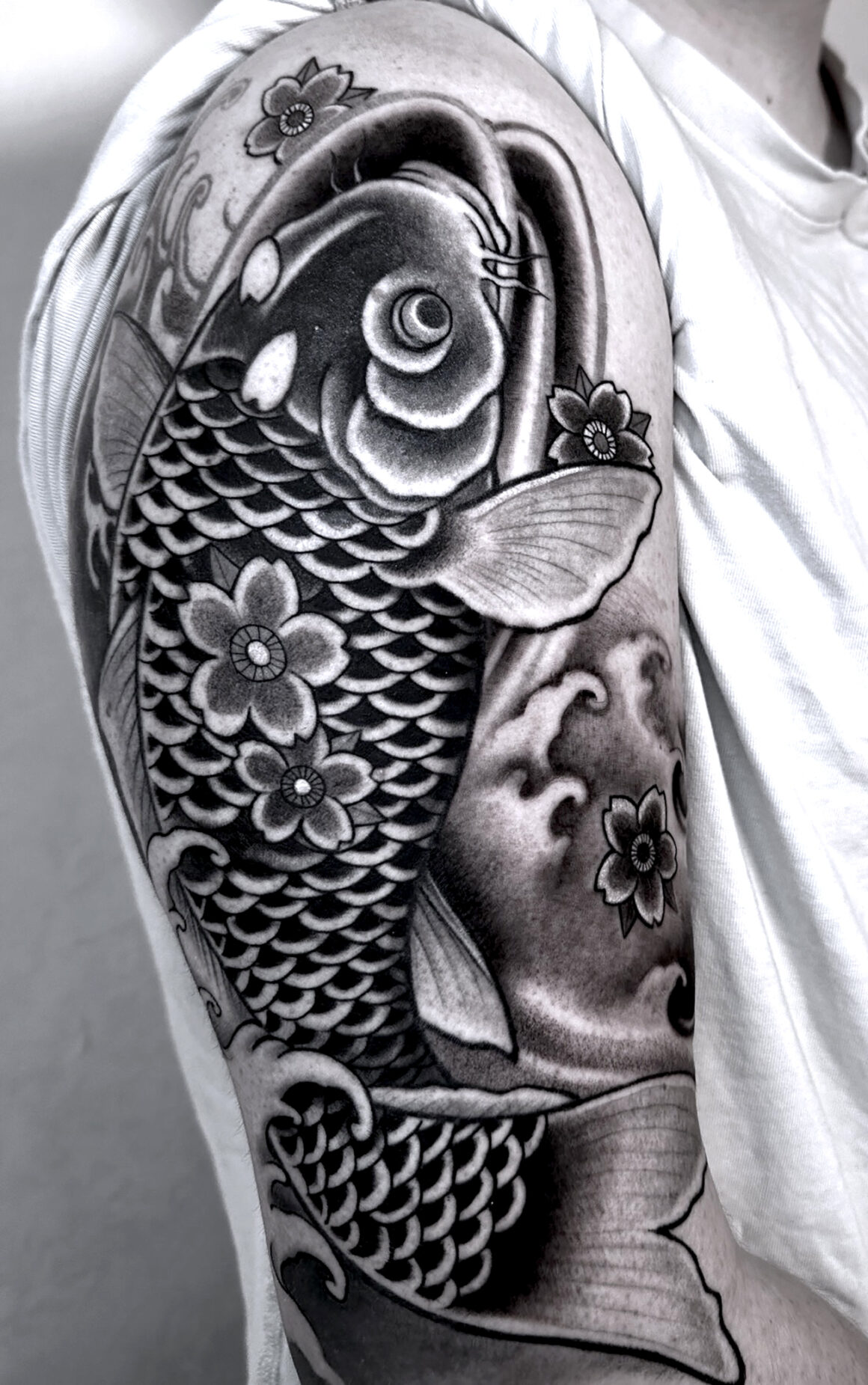
Your work is deeply connected to Chinese tattooing and Asian visual culture. What does it mean to you to reinterpret elements from your own cultural heritage on skin?
It is a transmission of culture and ideas.
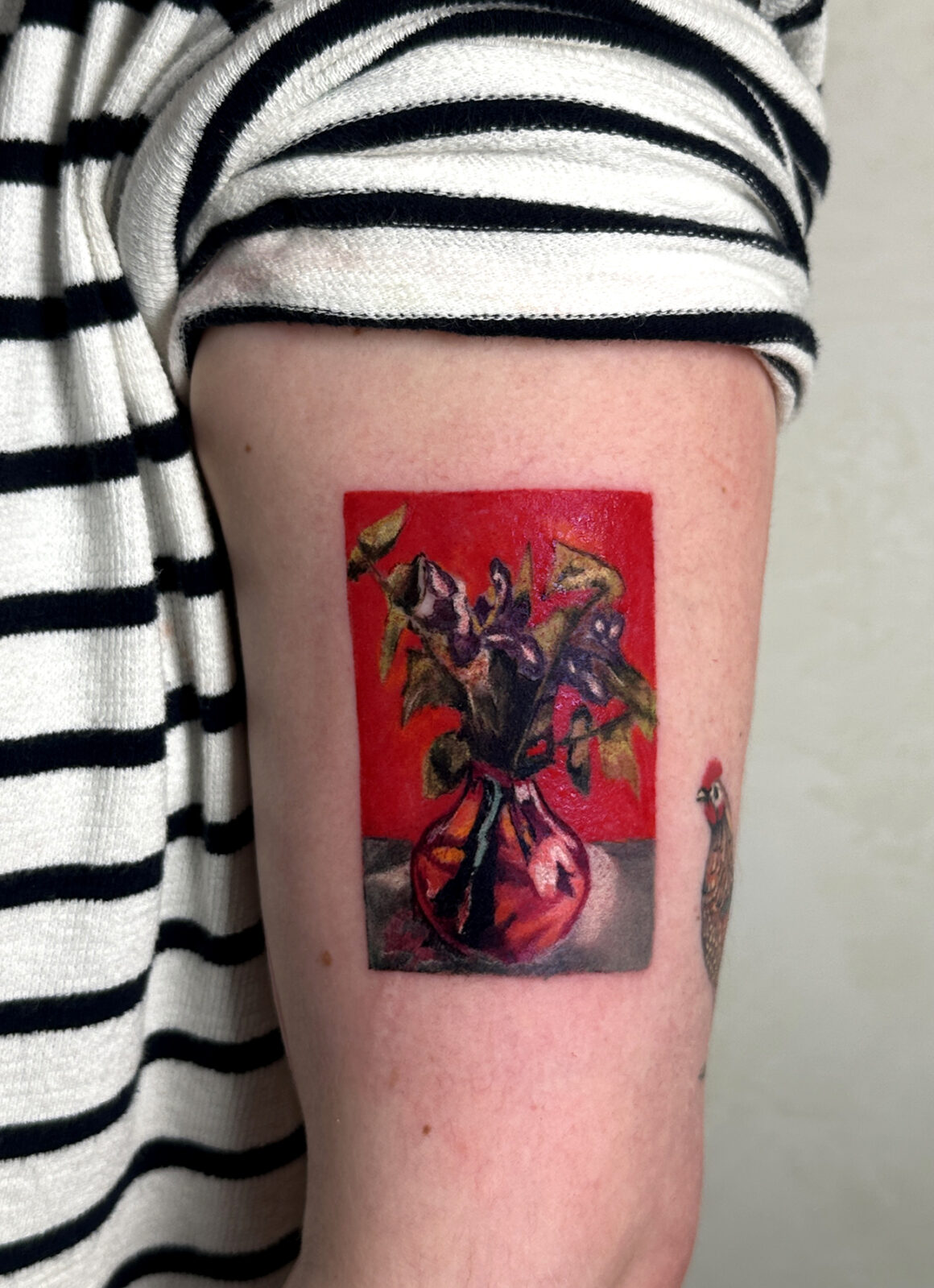
If you had to describe your style to someone who has never seen your work, what three words would you choose — and why?
Ink painting – Mono no Aware – Oriental. These are the concepts that are closest to my expression.
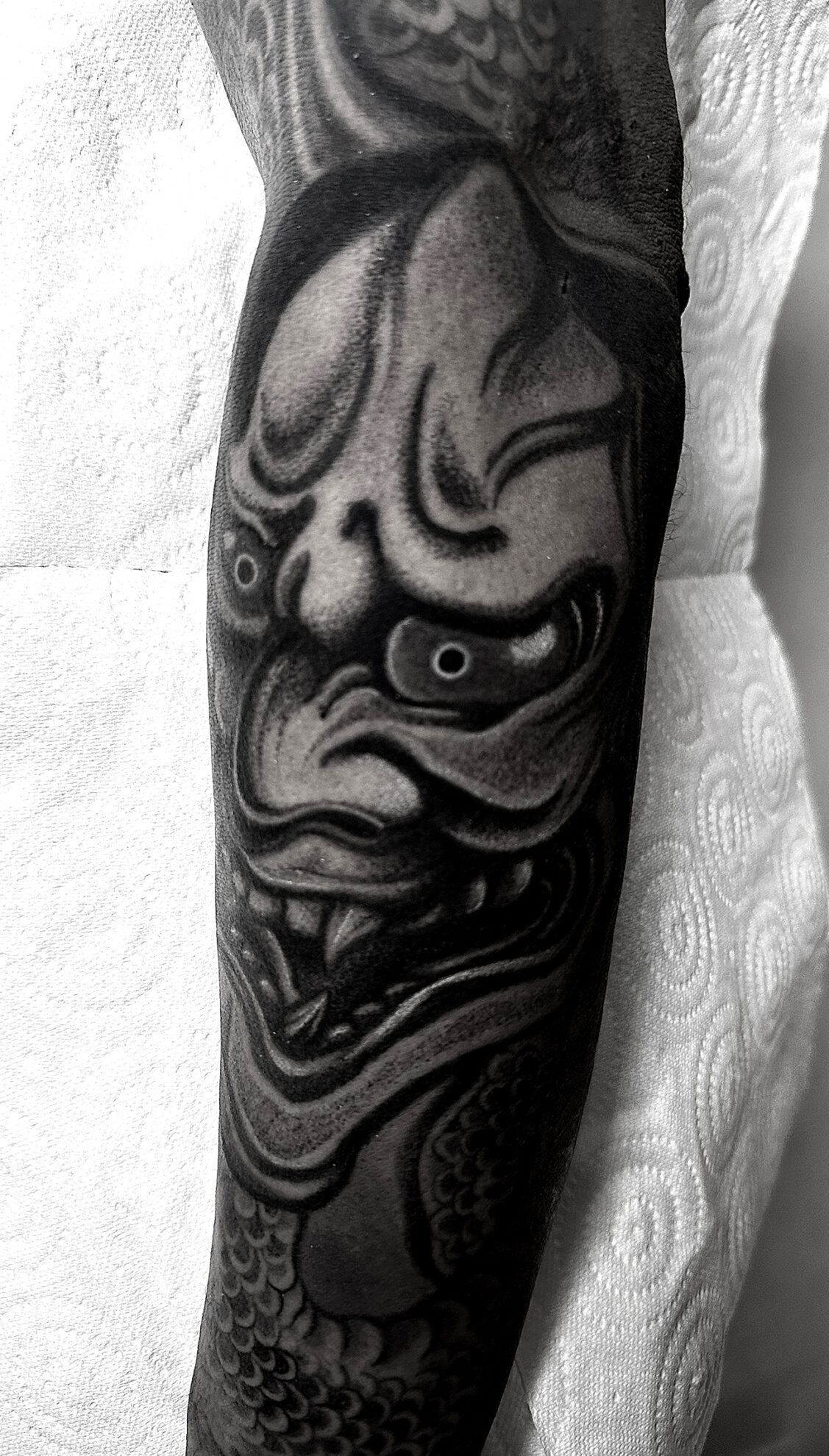
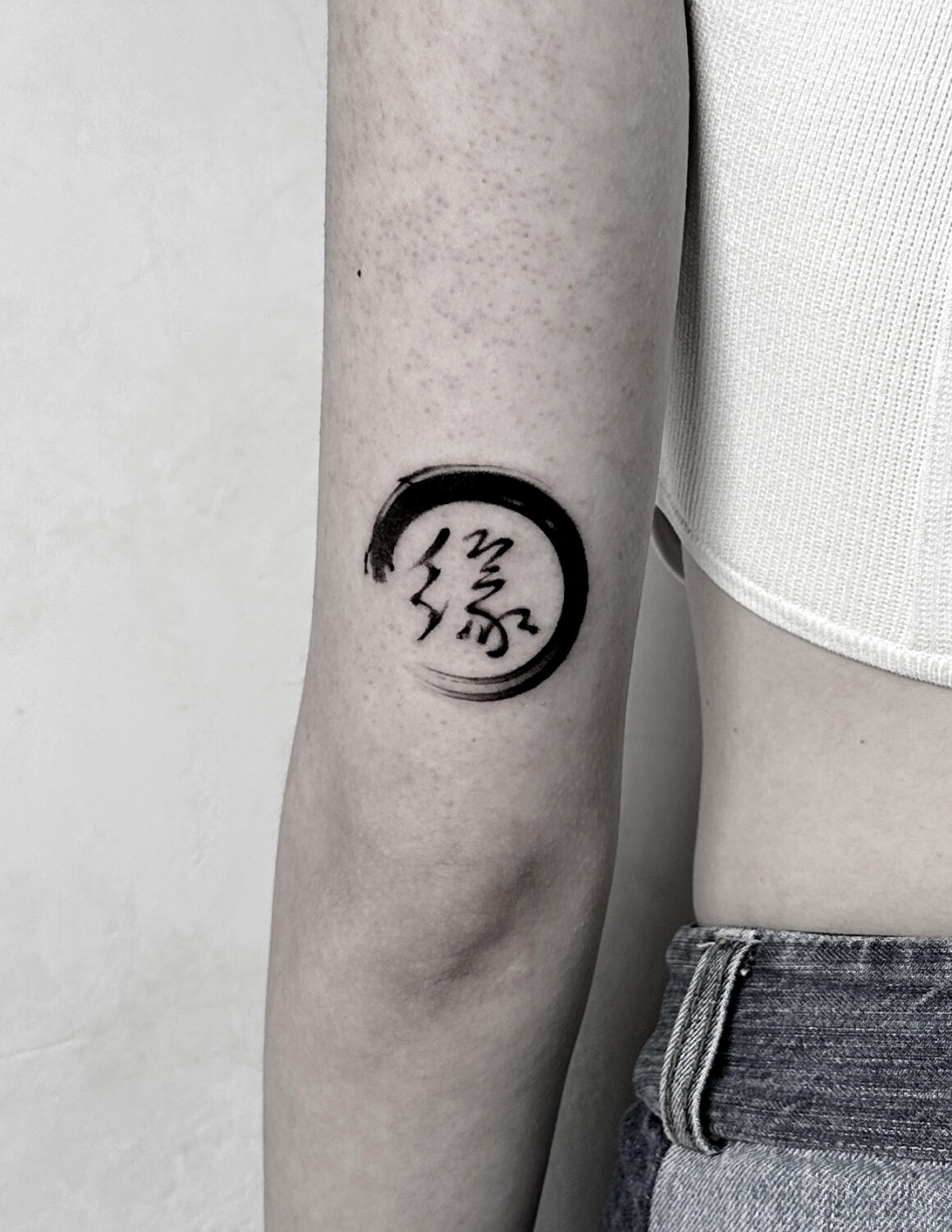
Your work also brings together realism and darker, sometimes almost mysterious atmospheres. How did this combination develop, and how do you make these different influences feel like part of one distinctive visual language?
In my work, I try new things as much as possible, without limiting myself to a specific style. At the same time, different techniques can appear in the same tattoo.
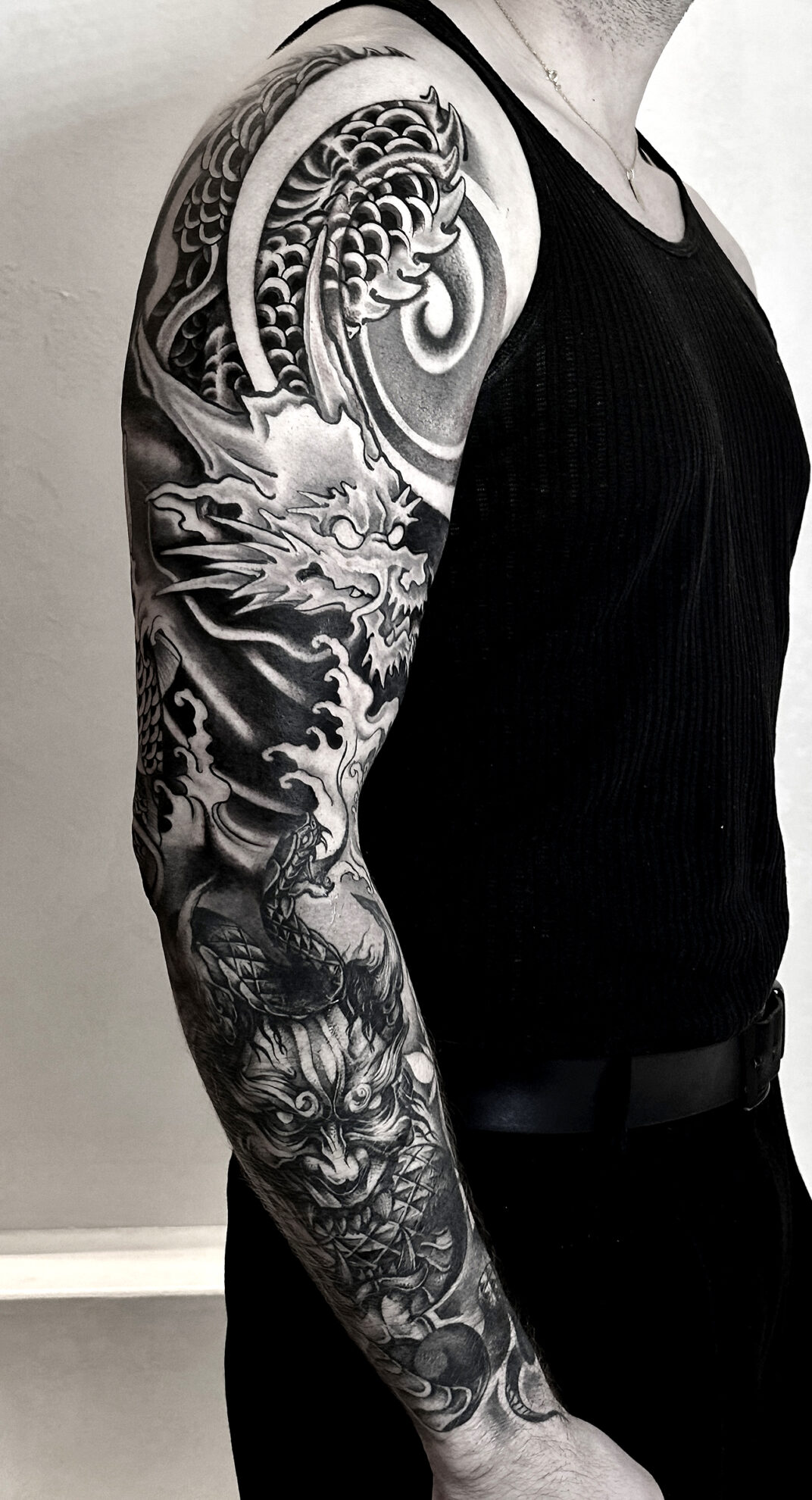
Is there a particular technical aspect of tattooing that you are currently focusing on or trying to improve? What are you most interested in exploring at this stage of your career?
Yes, I think it will take a long time. I want to improve the technical presentation and learn how to better integrate tattoos with the body’s structure.
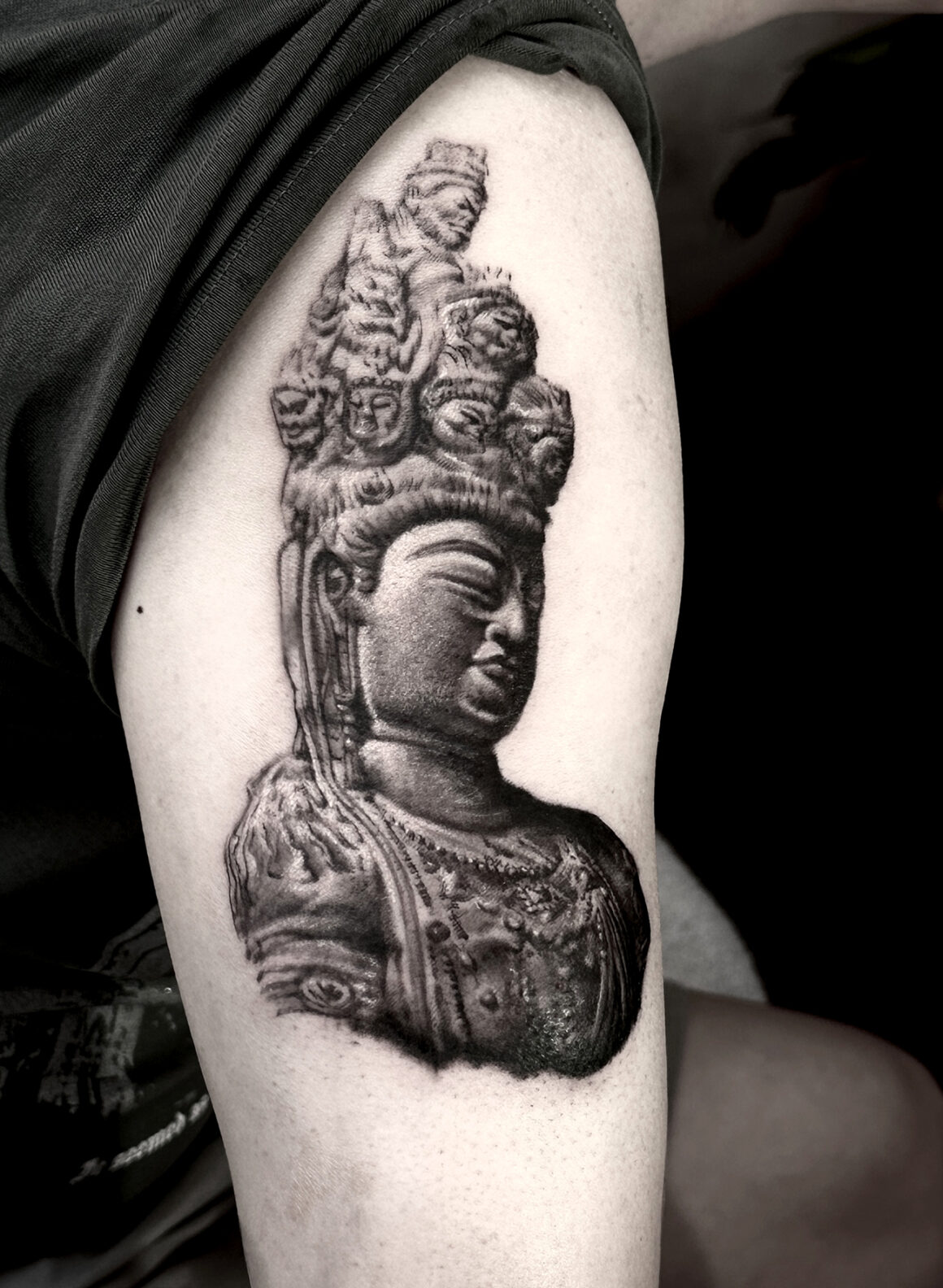
When a client comes to you with a simple or generic idea — for example, “I want a dragon” — how do you transform that starting point into something personal, unique, and truly connected to the individual?
I communicate with clients about the details, their requested feelings, and the specific body placement to create the dragon’s form and transformation.
I combine these with technique and my personal understanding to achieve the final presentation.
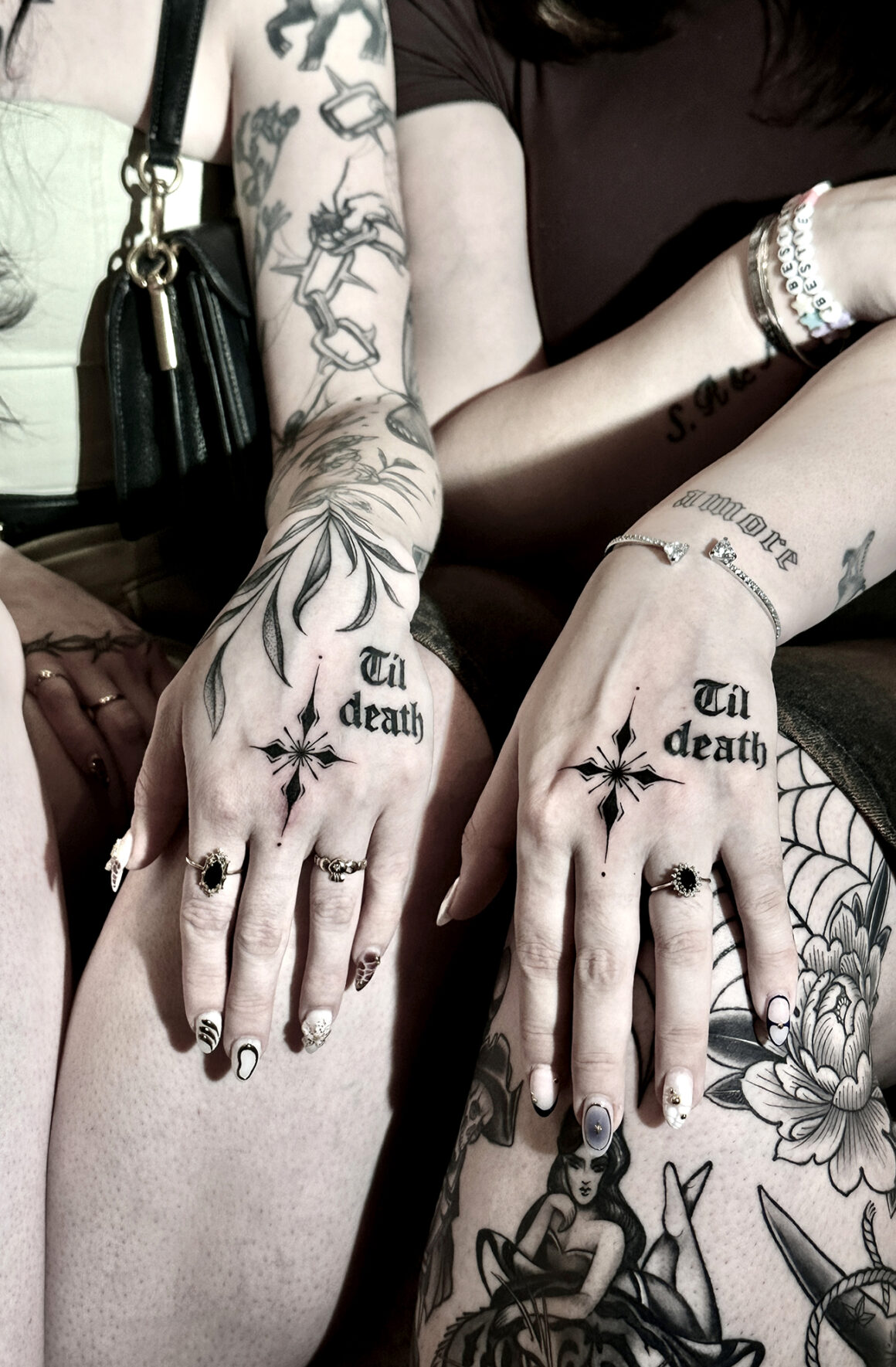
What does being part of INK29 mean to you? The studio brings together artists with very different backgrounds and artistic approaches. How did you end up joining the studio, and what has this environment brought to your development as an artist?
For me, they are teammates working side by side, enjoying the scenery along the way.
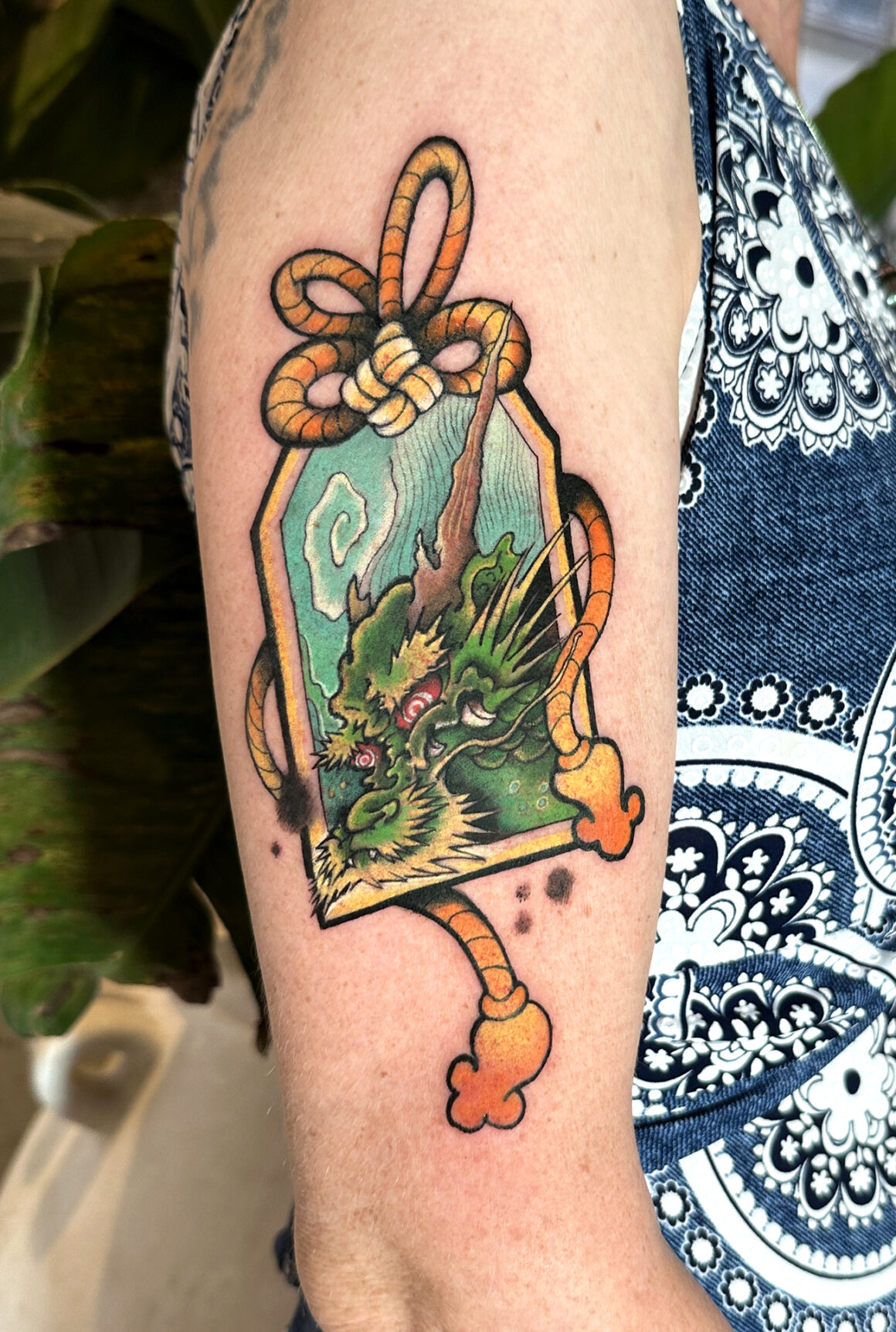
Paris has such a rich and influential artistic history. Has living and working in the city changed your perception of tattooing or influenced the way you create?
They take a more casual approach to tattoos, with diverse ways of expressing them, which tends to steer my designs toward small and exquisite styles.
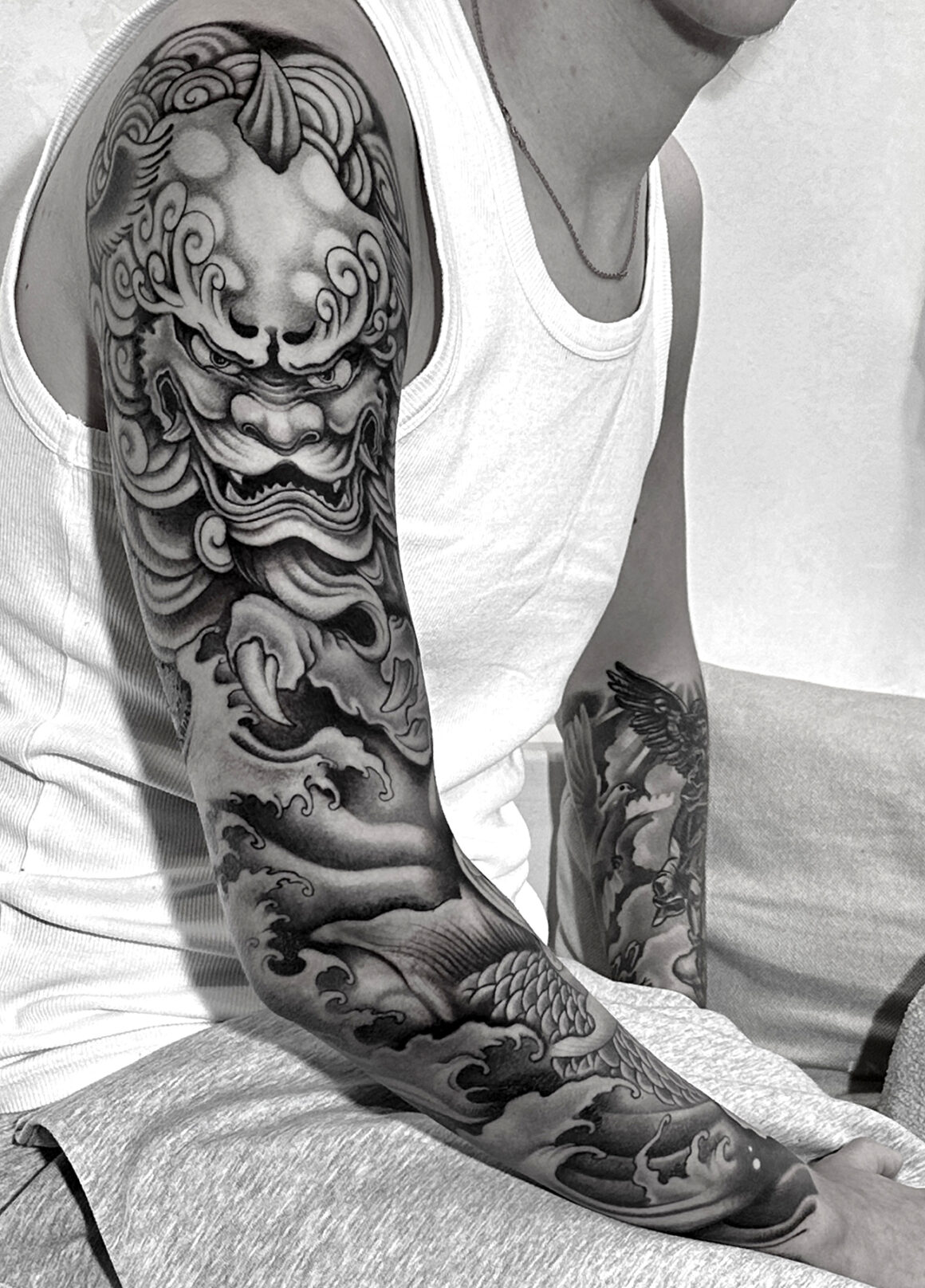
What subjects have become the signature elements of your work today? I’ve also noticed that you produce a lot of drawings and flash sheets featuring subjects you would like to tattoo. How important is this part of your creative process, and how often do your personal drawings become finished tattoos?
Abstract ink painting, dragons, and Hanyamask. It may be the most important part, probably more than half of the time.
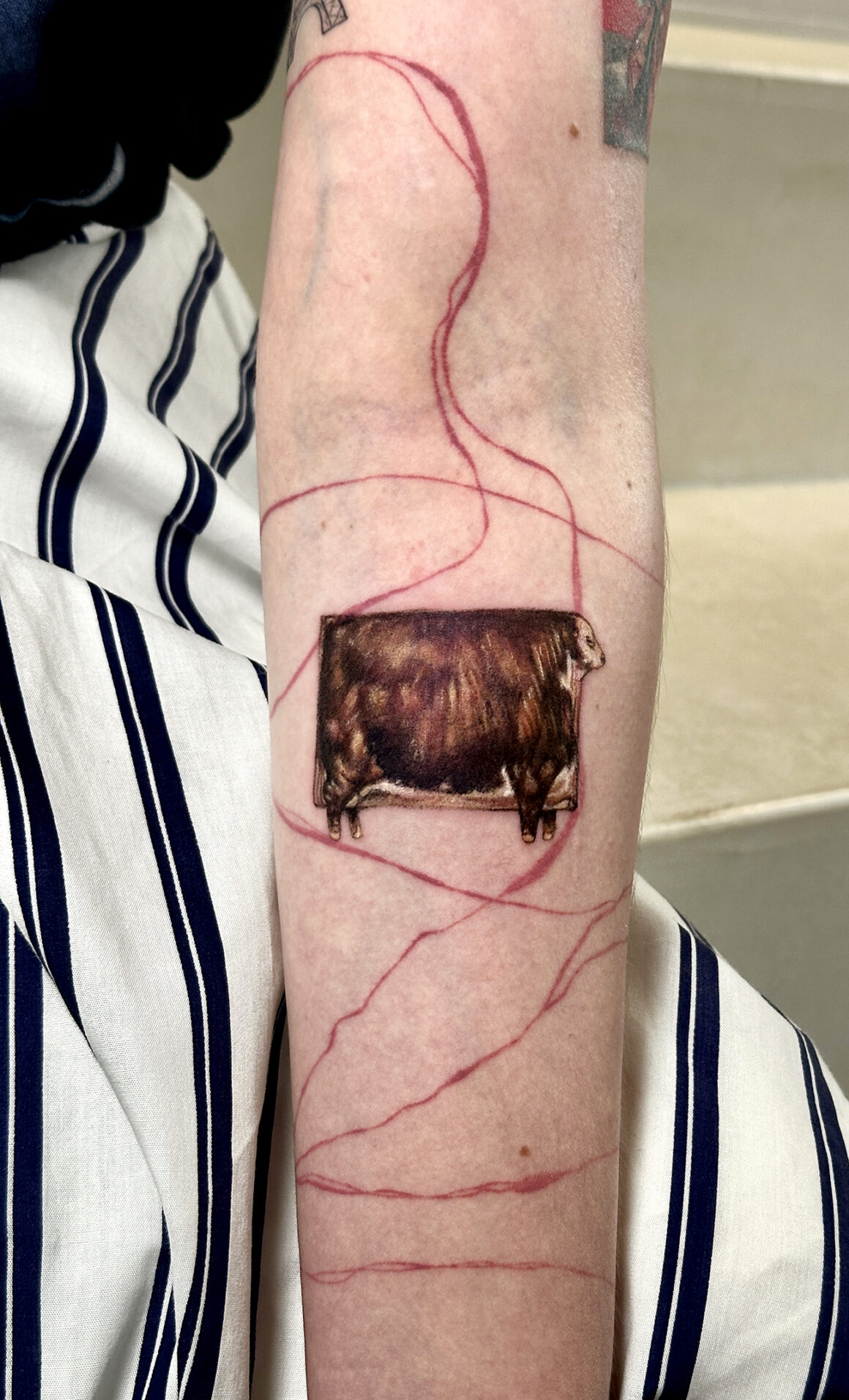
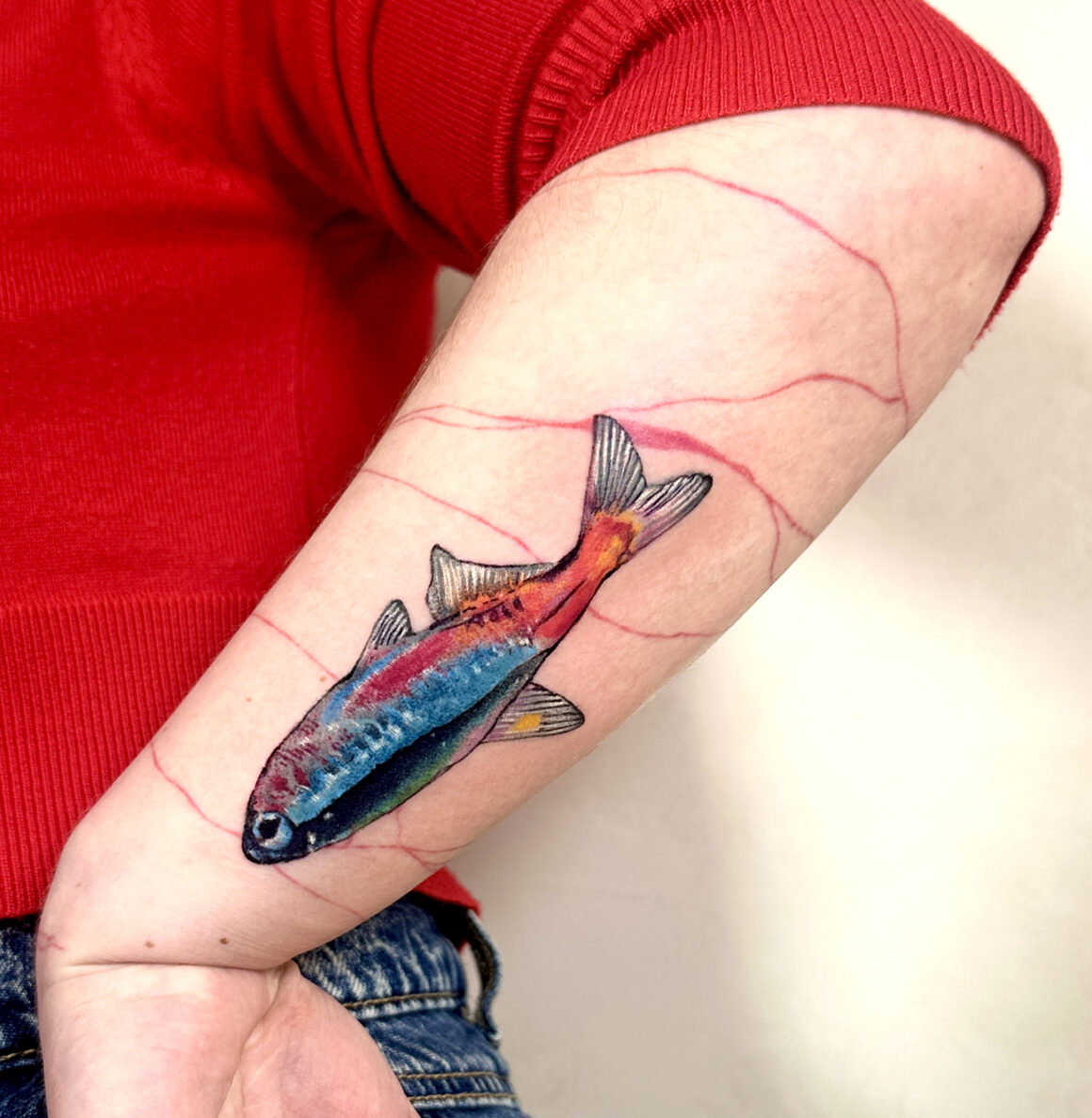
Finally, looking back at your journey since you started tattooing in 2021, how would you describe the difference between the Yunlong who was taking his first steps and the artist you are today? What has changed the most — technically, artistically, or personally?
Previously, I spent most of my time learning how to be like others. Now I’m focusing on learning and accumulating experiences so that others can understand how I create tattoos.