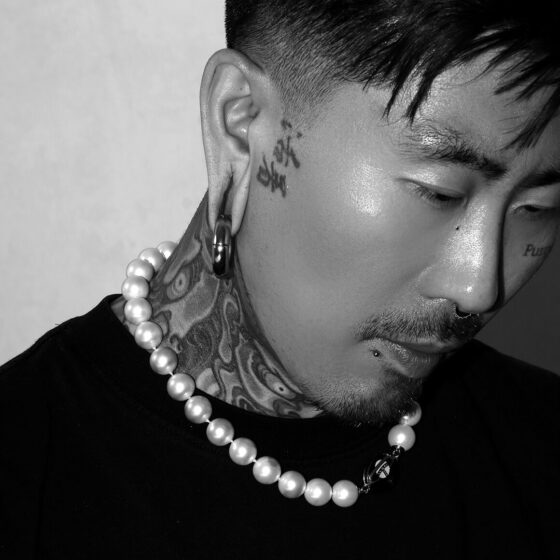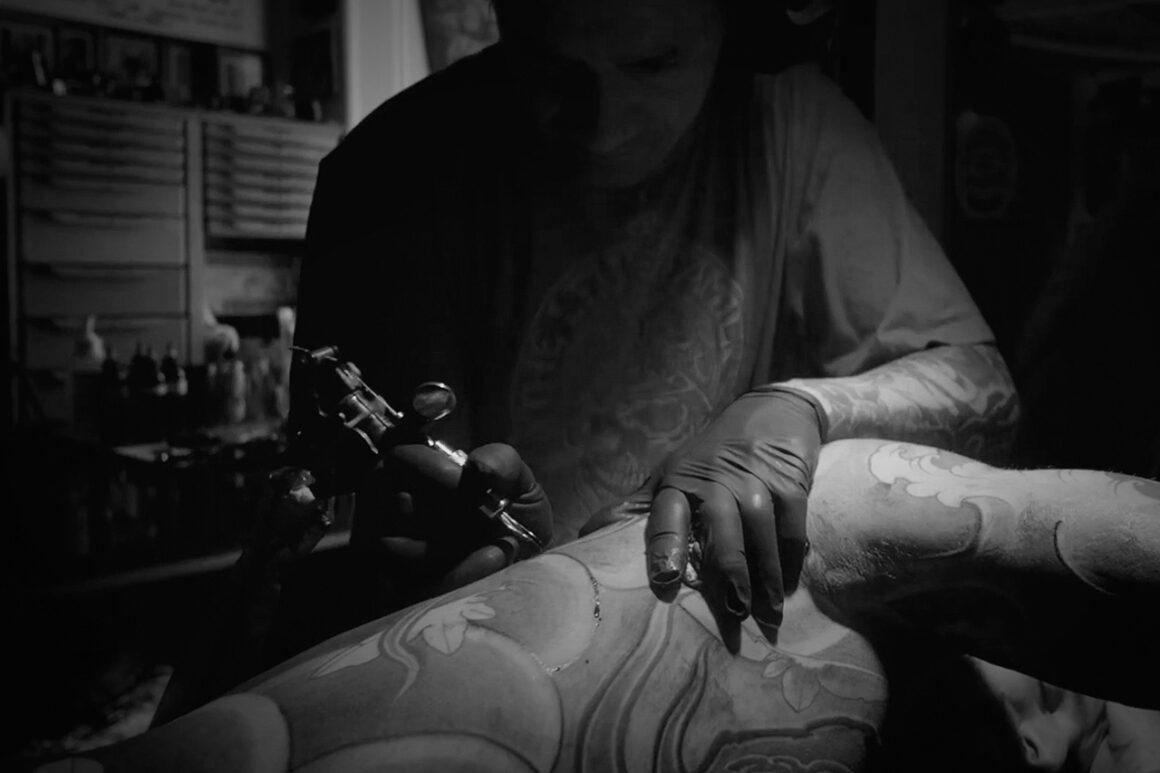


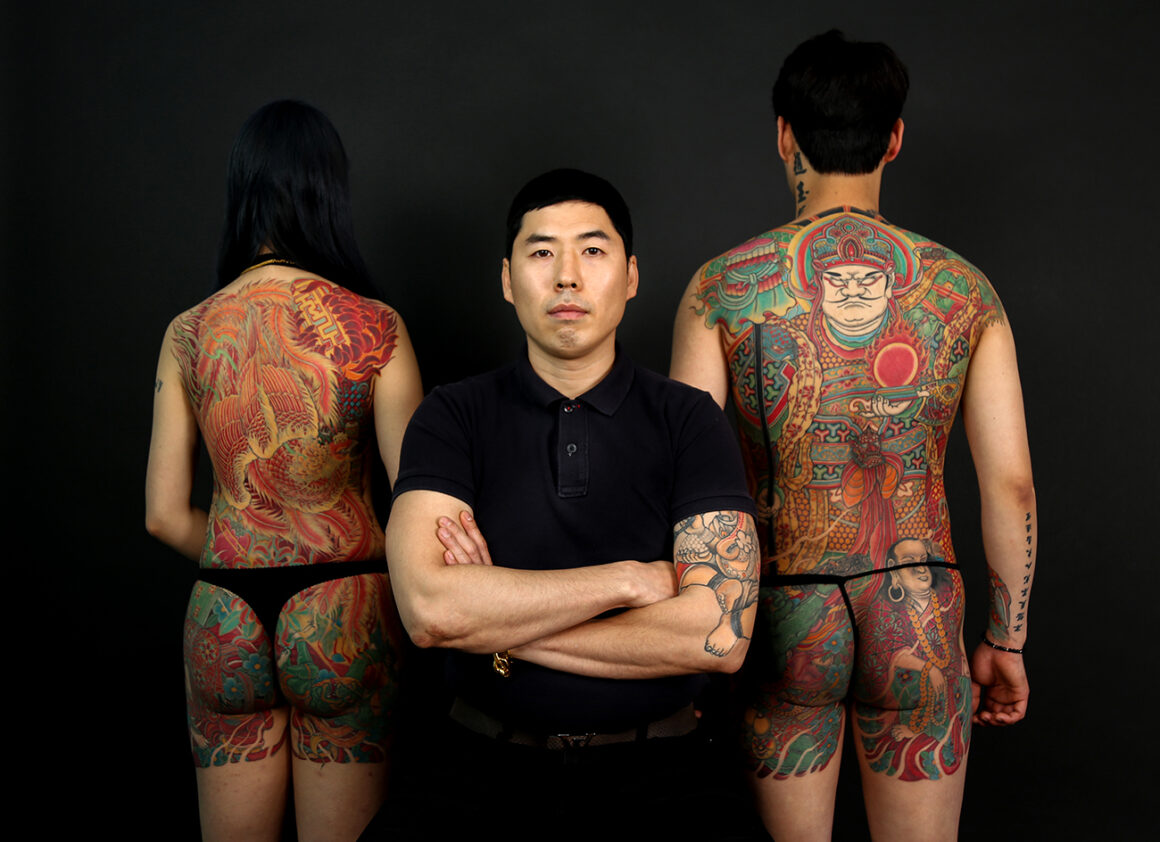
From traditional Japanese tattooing to intricate East Asian patterns and Korean Buddhist imagery, Zero has spent decades developing a visual language built on precision, density and balance. Based in South Korea but shaped by years of working and traveling internationally, the artist sees the body as the starting point of every composition.
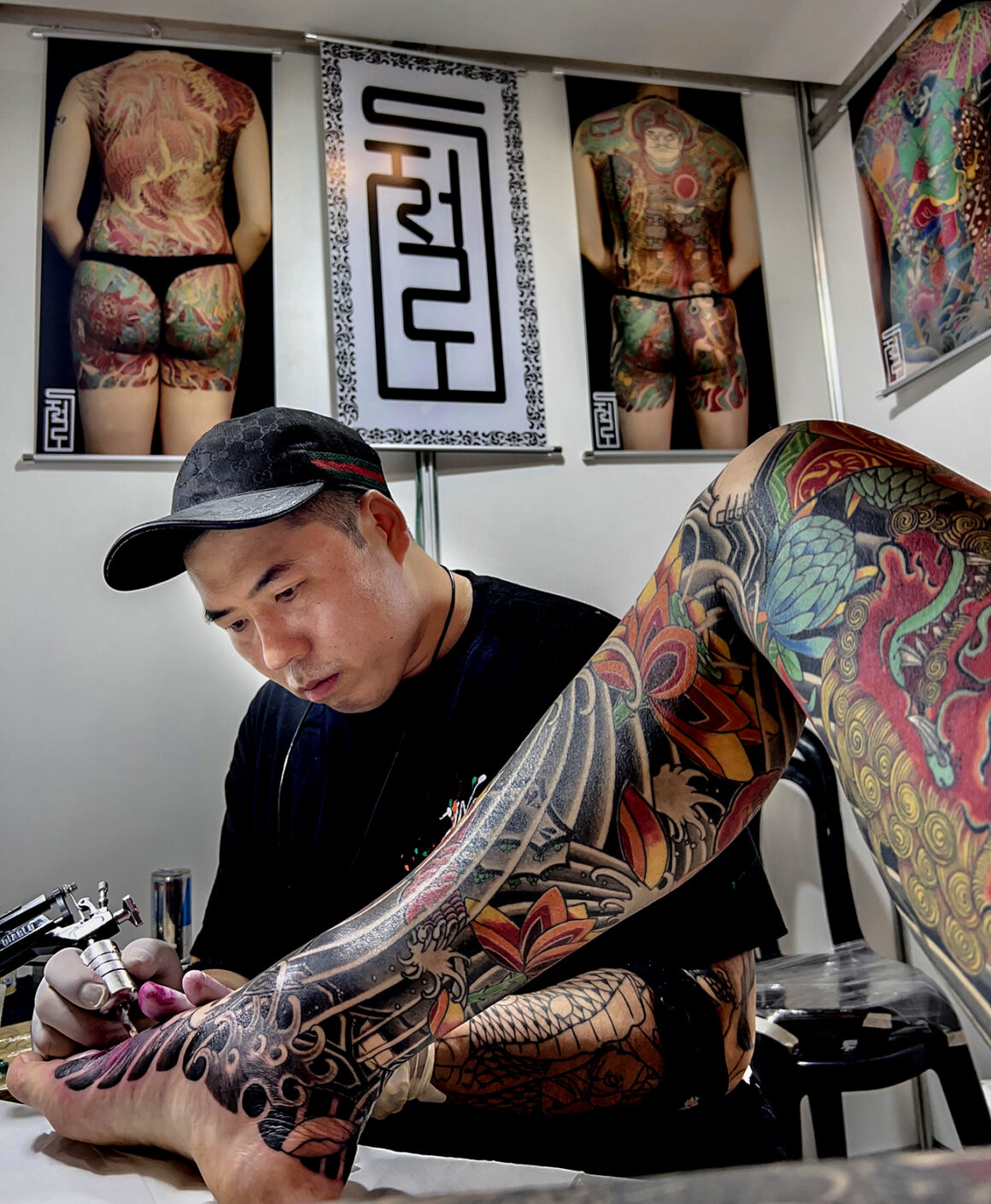
His tattoos may appear bold and powerful from a distance, yet up close they reveal an extraordinary level of detail. In this interview, Zero talks about his evolution, his fascination with Korean visual culture, the importance of placement and healed results, and his ongoing search for a style that never stops evolving.
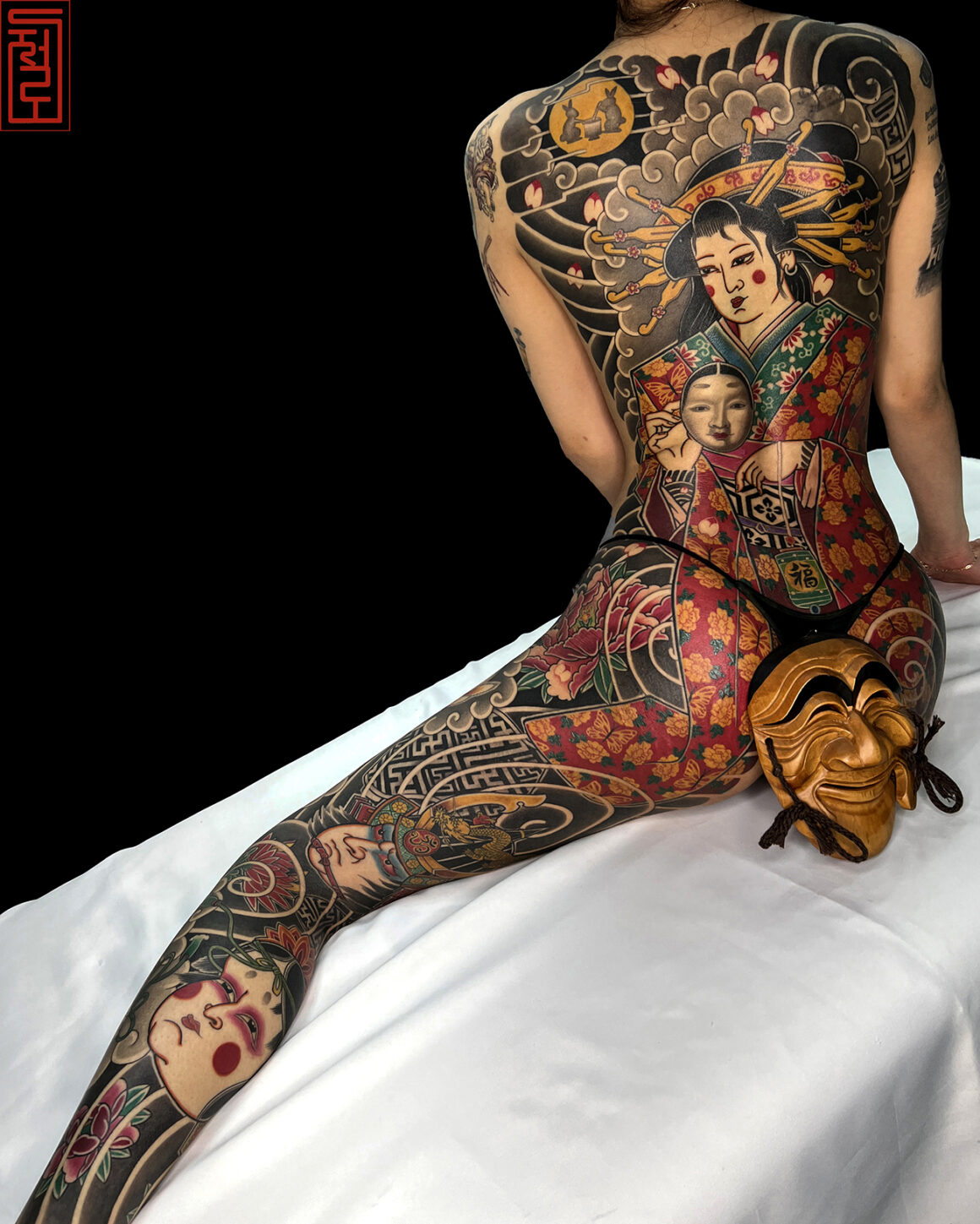
You have developed a very recognizable visual language. Looking at your work today, what do you think makes a tattoo instantly feel like “a Zero piece”?
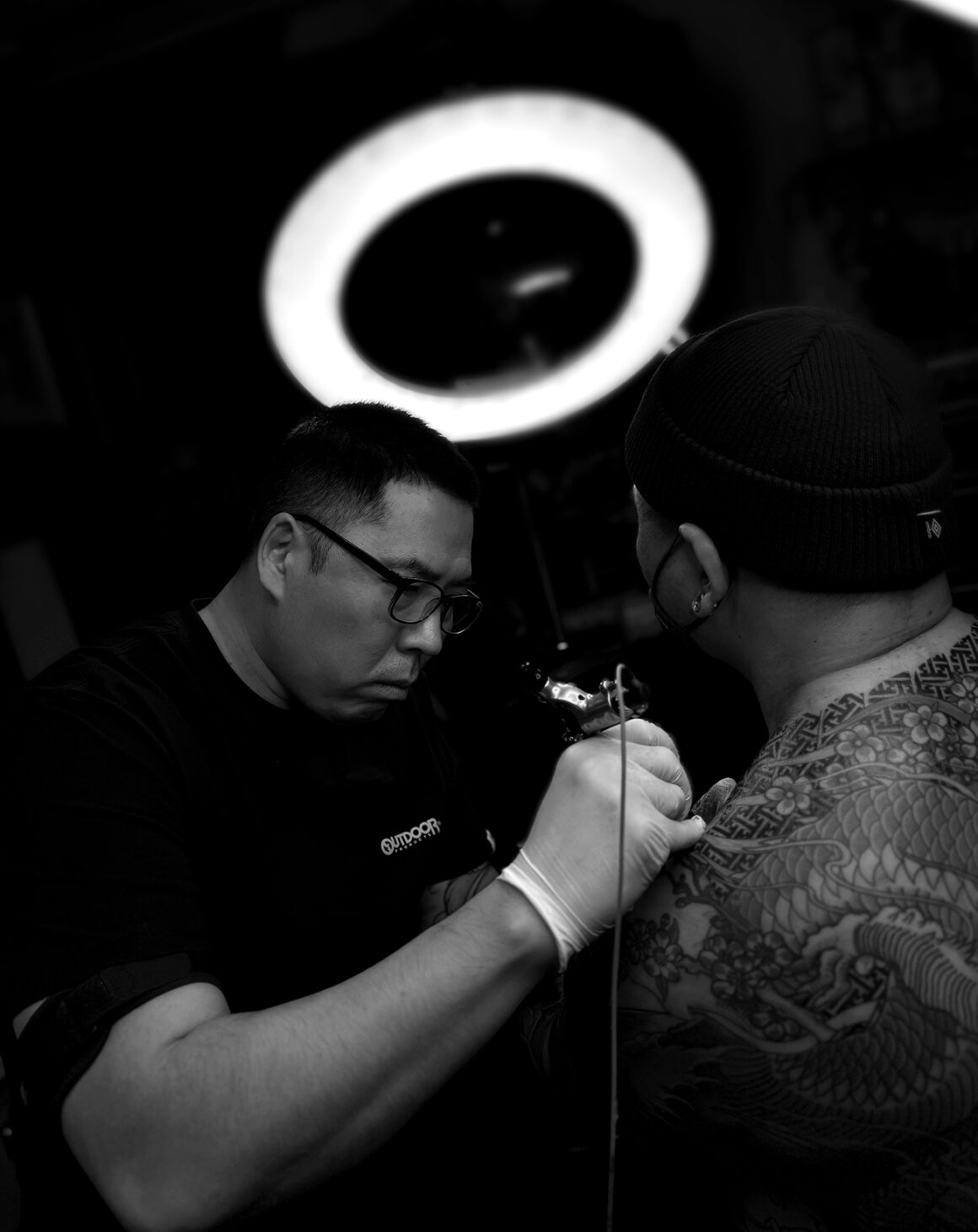
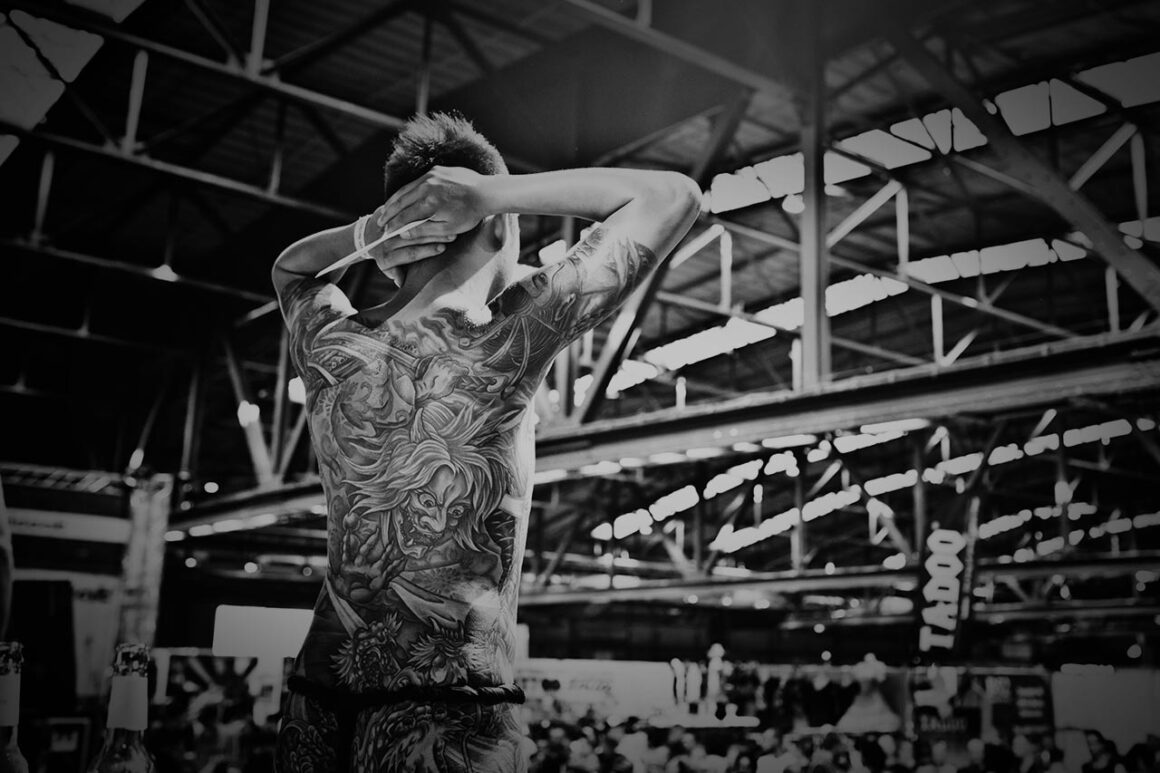
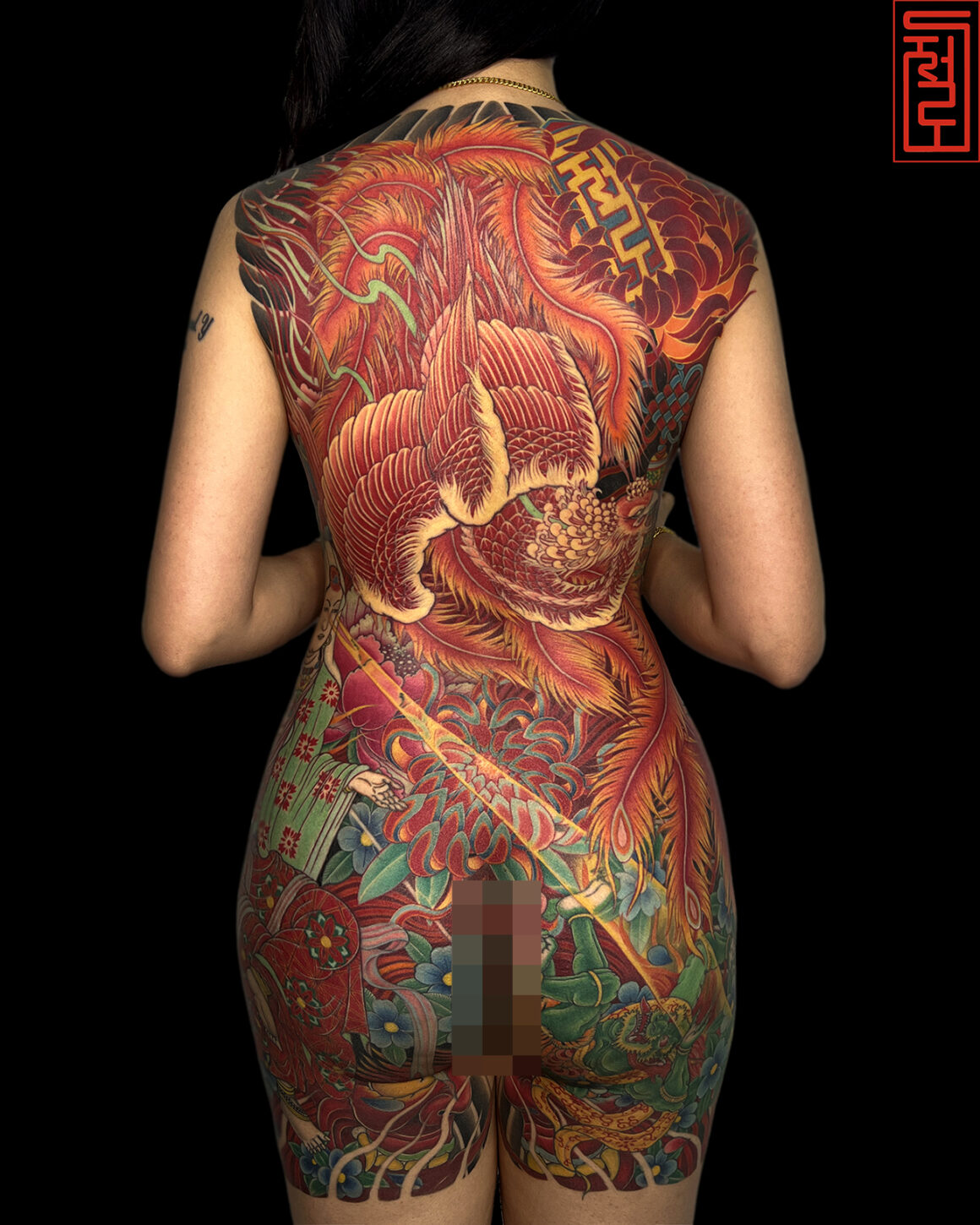
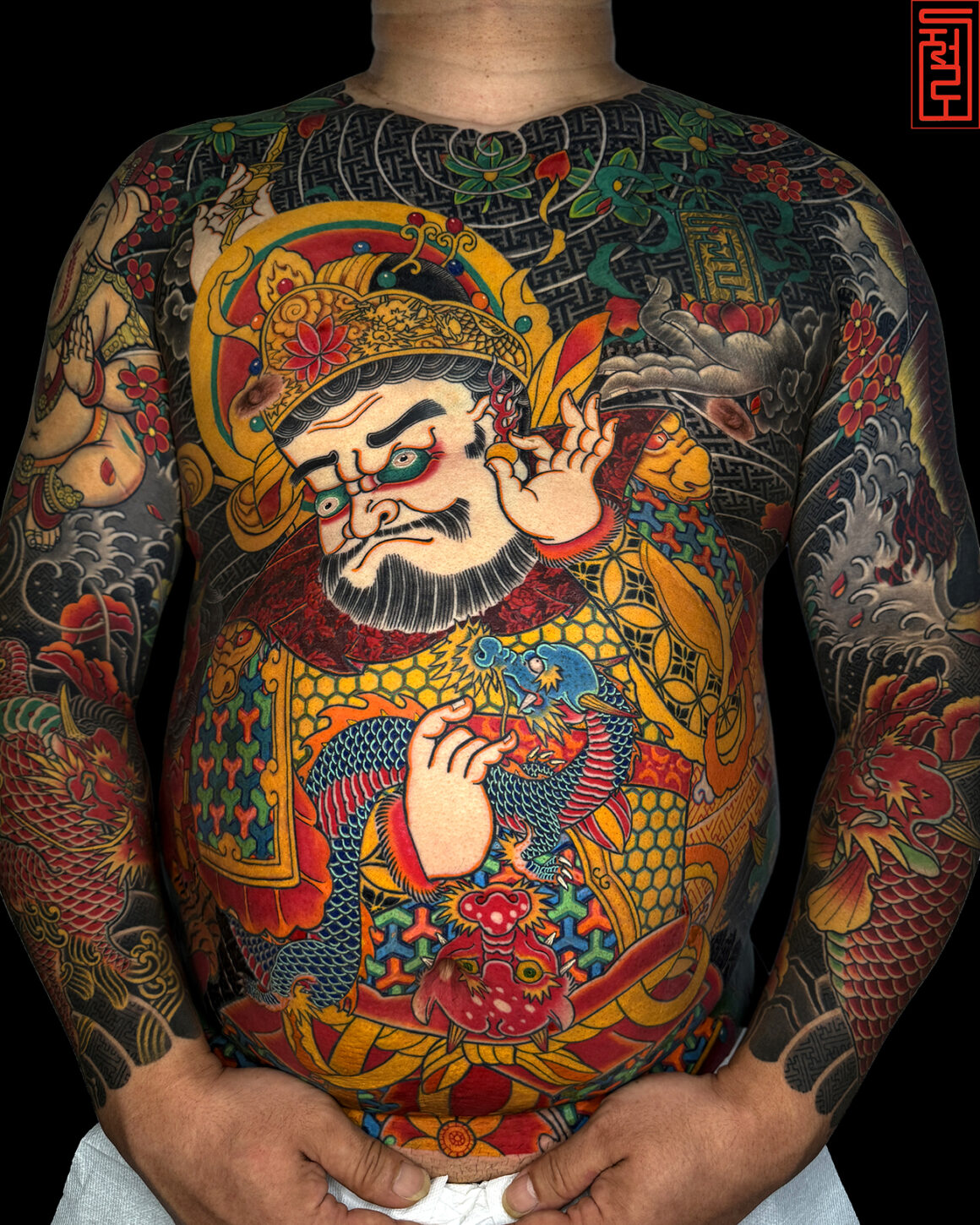
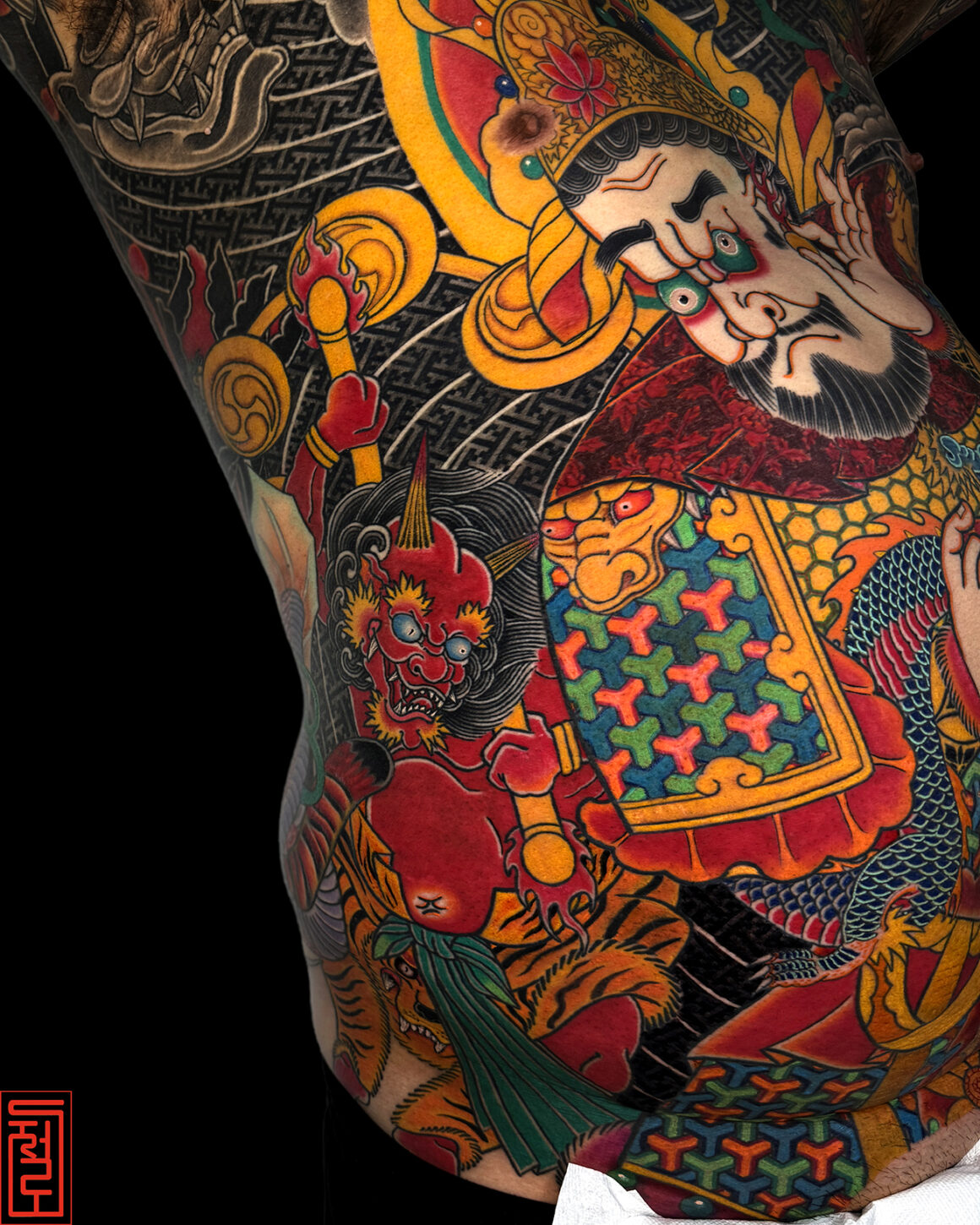
My roots are in Japanese tattooing, but I wanted to break away from the fixed traditional rules and find my own voice. The biggest feature of “a Zero piece” is how I do the background (Gakubori). Instead of standard flat shading, I fill the background with tight, detailed Oriental patterns. From far away, the tattoo looks very strong and powerful. But when you look closely, you can see all the dense, clean details packed inside. I always pursue this balance between power and detail.
Where are you currently based, and how does living and working there influence your creative process? Do you feel connected to the Korean tattoo scene, or do you see your work as part of a more global tattoo culture?
I’m based in South Korea right now, but I’ve always had my eyes on the bigger global scene. I started traveling to European conventions back in 2008, and I even lived in Germany for three years, running my own studio from 2019. Working overseas for so long naturally gave me a broader perspective, instead of just staying in the local scene. As a Korean, I love studying Eastern traditions and patterns, but I don’t want to limit myself to one place.
I just want my tattoos to connect with collectors all over the world.
Can you take us through the process of how your style developed from your early work to what you are doing today?
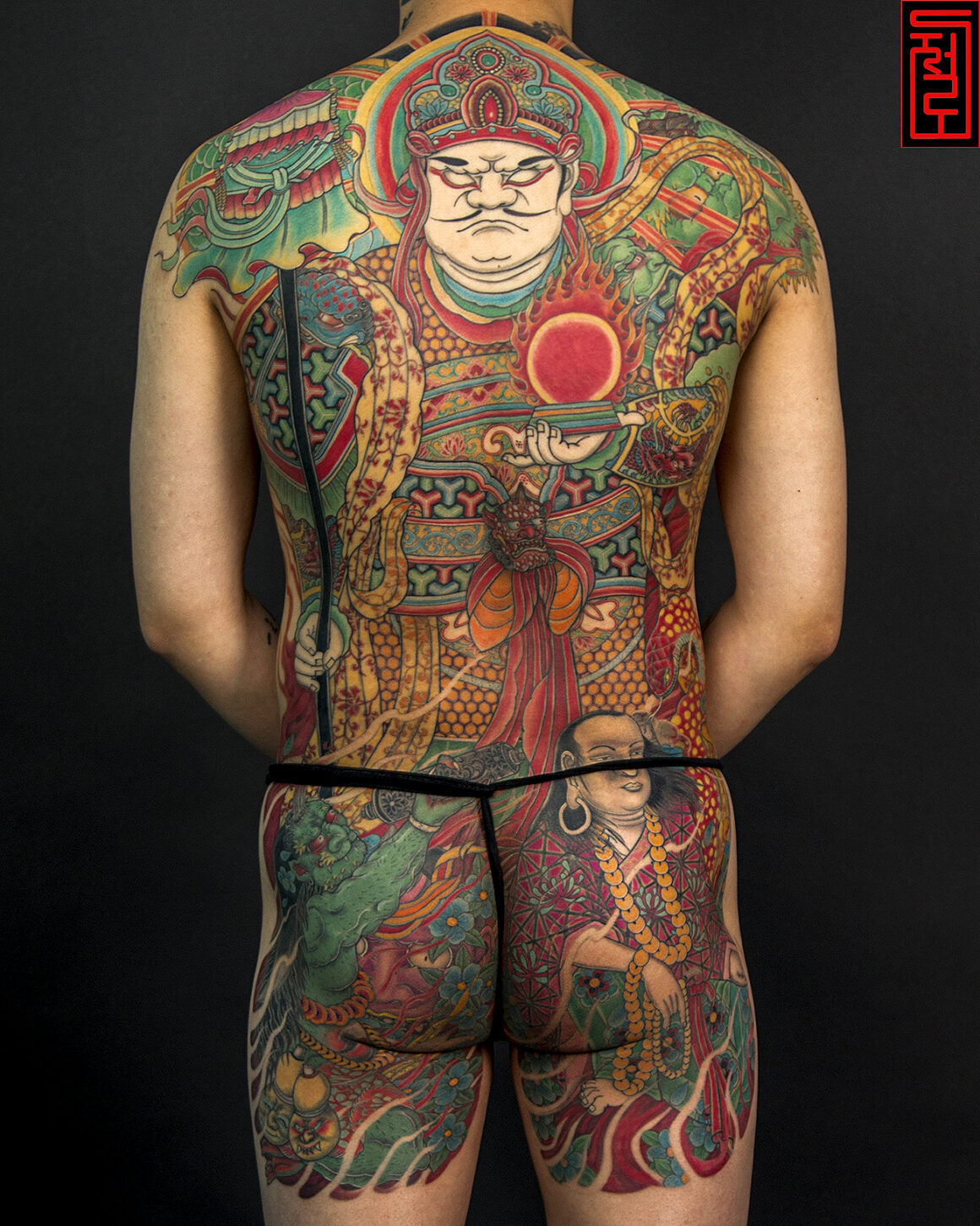
I started tattooing traditional Japanese style back in 1998. I didn’t have a master, so I had to figure it all out on my own. After a rebellious youth, I decided to get serious about my craft around 2004 and just studied intensely. The big turning point was in 2008 when I went to my first overseas convention. Seeing all those international artists really inspired me to find my own unique voice. Since then, I’ve spent a lot of time studying traditional Korean patterns and Buddhist art, blending them into my work to create the style I do today.
Are there specific artists, artworks, or visual cultures that have influenced the way you see composition, line, texture, or the human body?
Since I started when the internet wasn’t active, books were my only teachers. I analyzed the published works of masters like Horiyoshi III, Filip Leu, and Shige, using them as textbooks to understand technical boundaries.
Today, I mostly study books on Korean Buddhist paintings (Taenghwa) from the Goryeo Dynasty.
I analyze their unique compositions and expressive techniques, reinterpreting them into my own signature layouts.
Are there certain subjects you never get tired of tattooing? And, on the other hand, are there subjects or visual elements that you deliberately avoid?
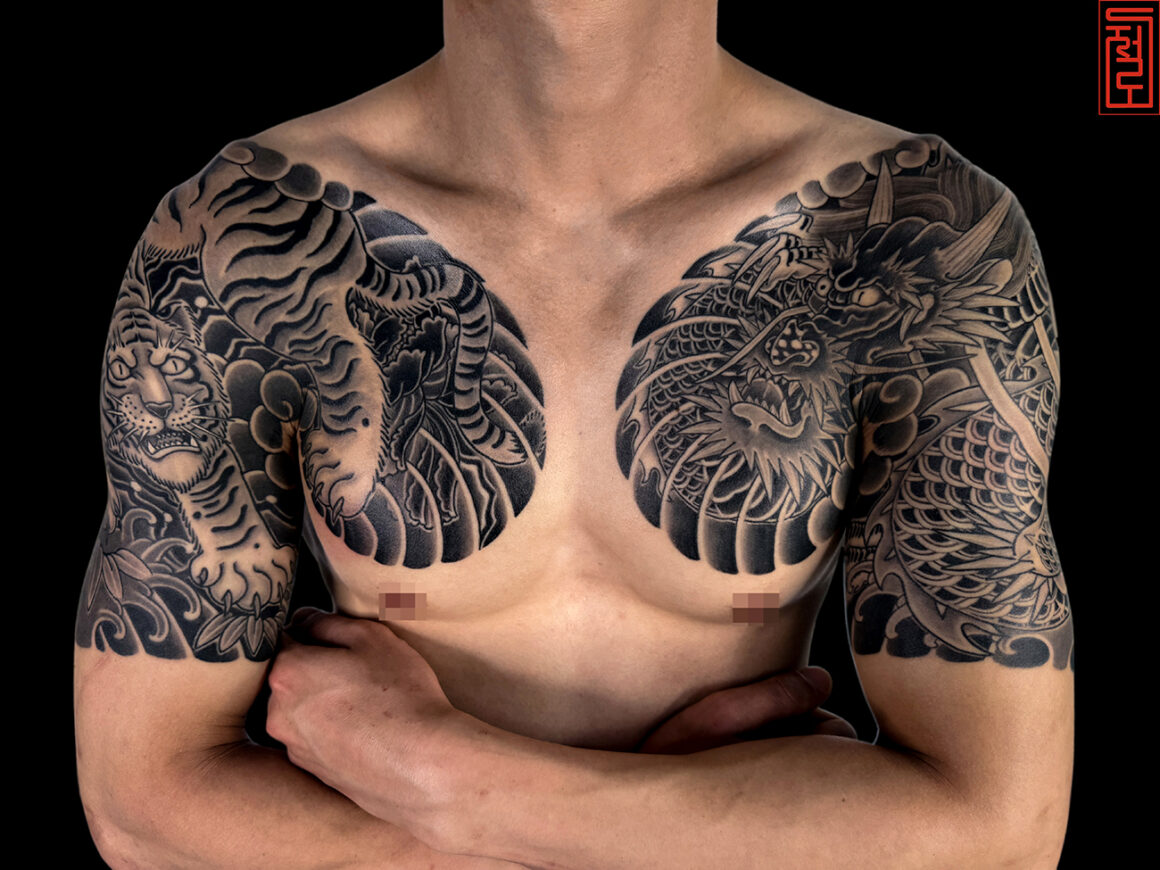
What I love most is doing those highly repetitive, intricate patterns. It takes a ton of time and heavy concentration, but the harder the process, the better it feels when the piece is finally done. On the other hand, there’s nothing I deliberately avoid. I don’t like to limit my subjects, because I believe I can take any motif and recreate it in my own way.
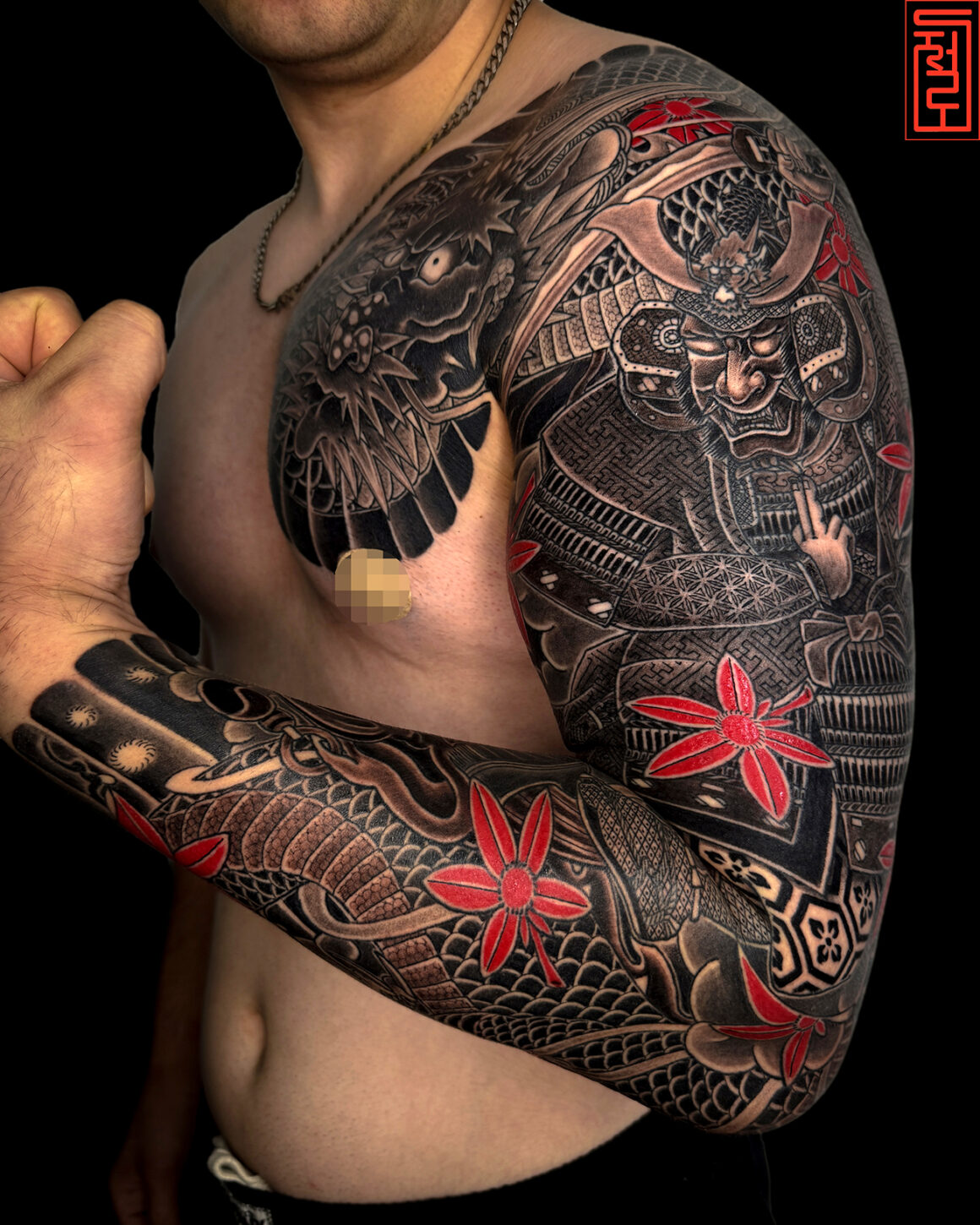
How important is the body itself when you design a tattoo? Do you start with an image and adapt it to the body, or does the placement sometimes become the starting point for the design?
The human body isn’t a flat canvas, so I always design to fit each client’s unique shape. For me, the placement is always the starting point. I want the whole design to flow naturally along with the body’s curves, muscles, and movements.
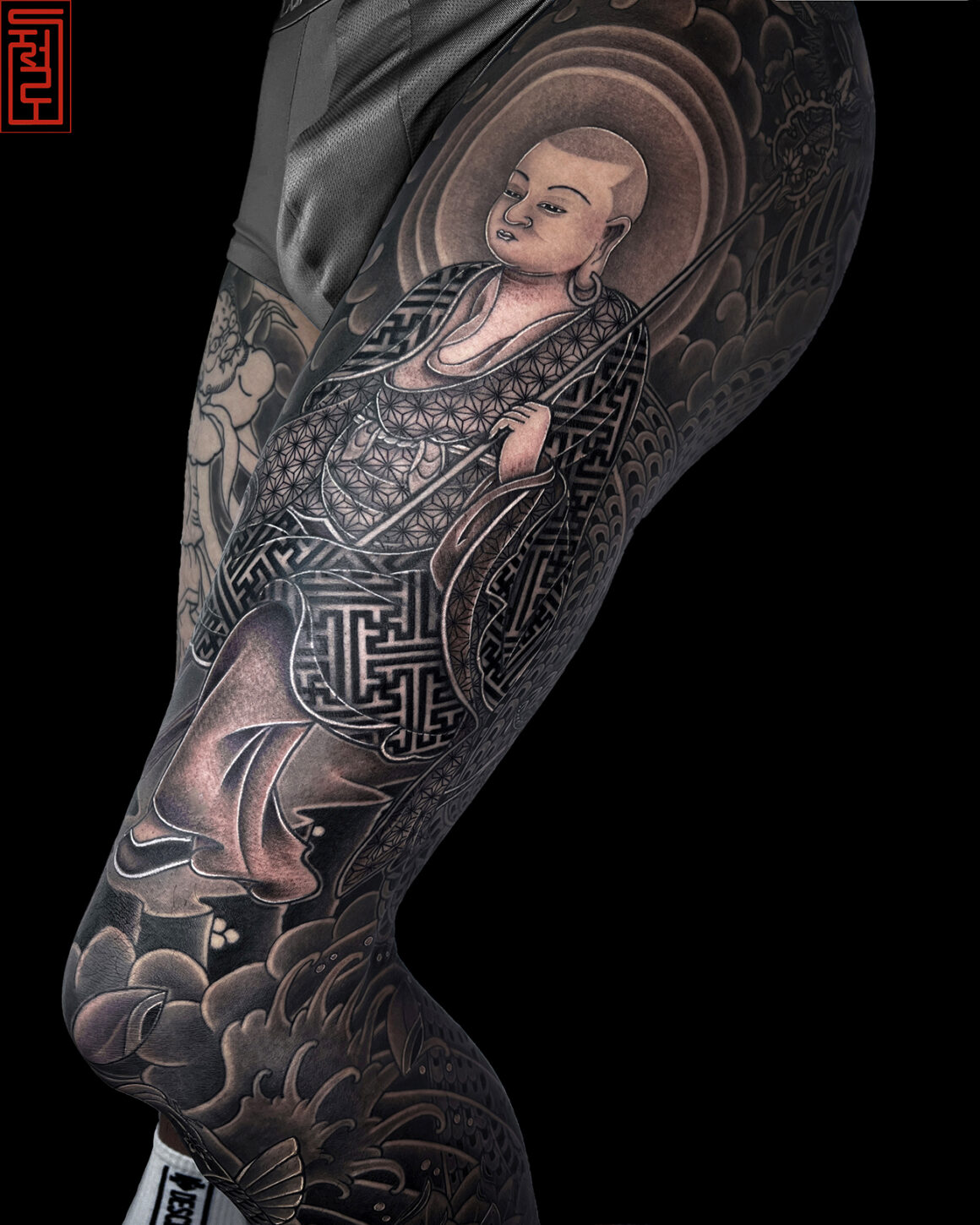
From a technical perspective, what are the details you pay the most attention to when tattooing? Are there particular techniques, needle configurations, line qualities, or approaches to shading that are essential to your work?
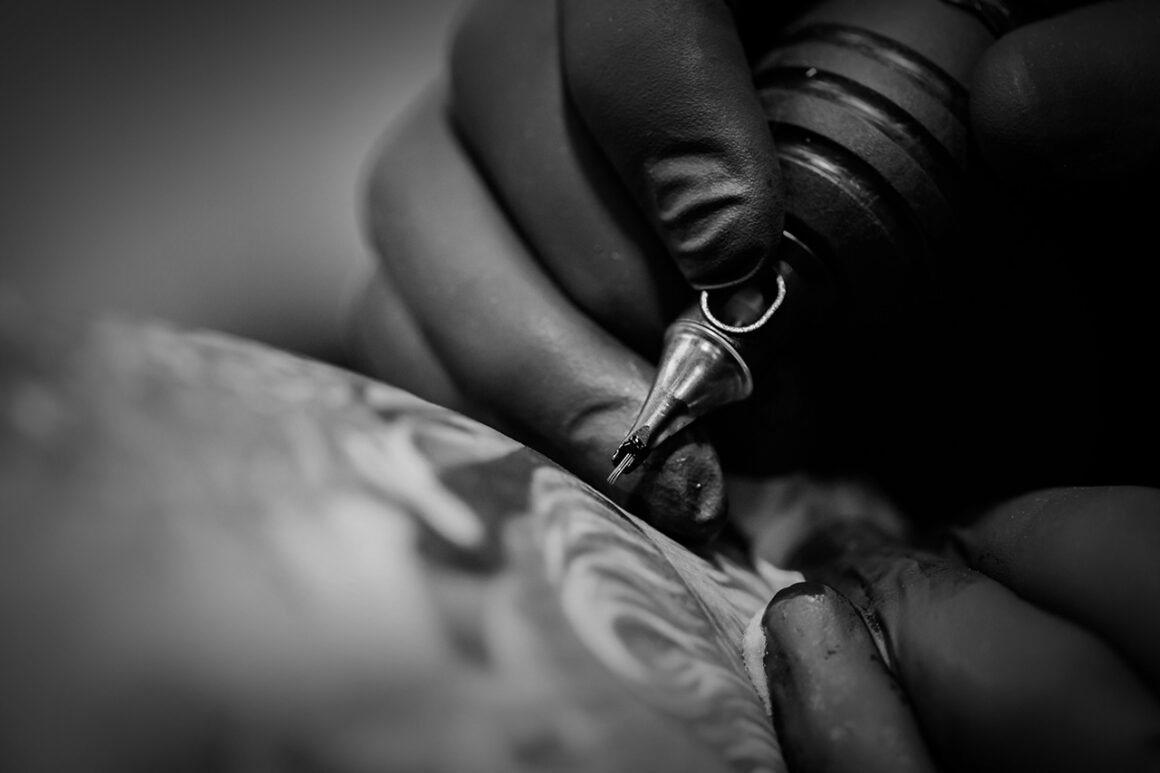
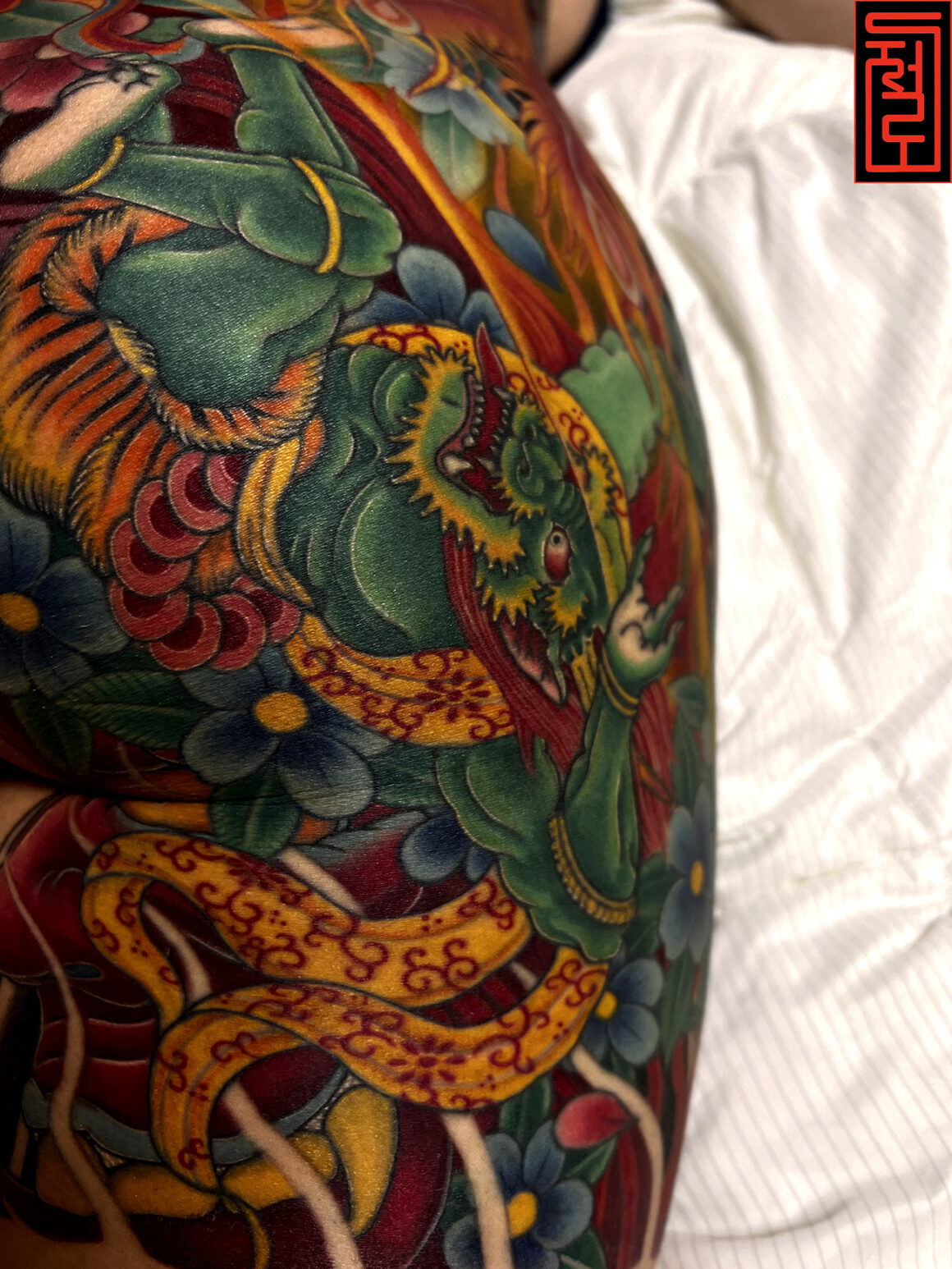
Personally, I like clean, sharp lines, but it really depends on what I’m trying to express. For shading, whether it’s light or dark, I always go for high density. But honestly, the most important thing for me is how it heals. I focus entirely on making sure that once the tattoo is fully healed, it looks just as fresh and vibrant as the day it was finished.
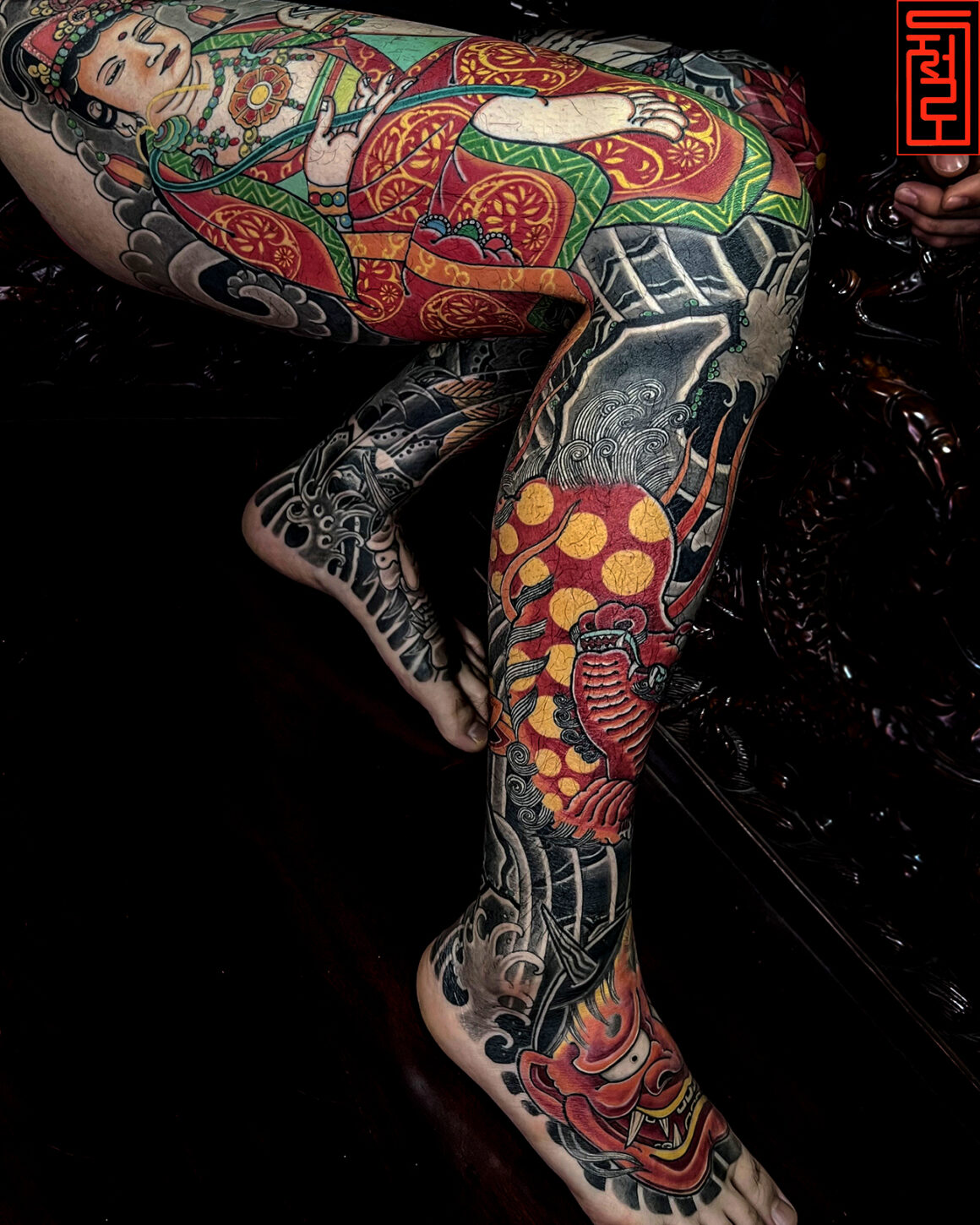
Your tattoos often depend heavily on balance and precision. How do you deal with the unpredictability of skin and the way a tattoo changes while you are working on it?
Every client has a completely different skin tone and texture. To handle those differences, I’m very careful about choosing the right ink shades for each skin type. Since I’m always thinking about the final healed look, I constantly adjust my hand pressure and ink density while I work, making sure it balances out perfectly for that specific person.
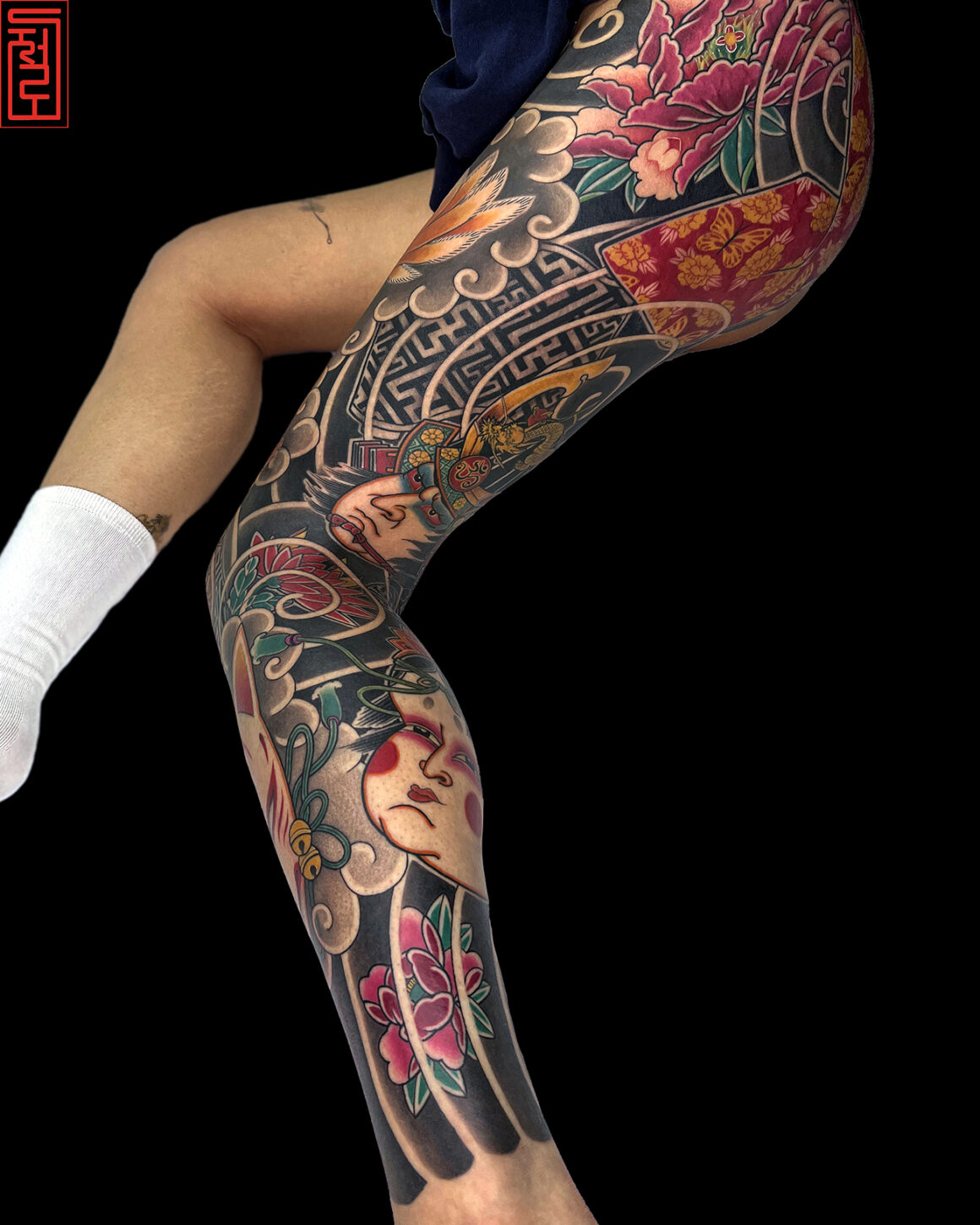
How much of the final piece is planned before the tattoo session, and how much is allowed to change intuitively while you are tattooing?
Before the session, I map out almost everything in my head, even the color harmony. The core design doesn’t really change while I’m working. But if I sketch it on the actual body and the layout doesn’t look as right as I pictured, I’ll adjust it right on the spot.
I also trust my gut and add small details during the session if I feel like something is missing.
After developing such a distinctive style, what still feels unexplored to you? Is there a direction, technique, or type of subject you would like to push further in the coming years?
Honestly, everything still feels new to me. Even though I’ve built my own style, I feel like there’s still so much I don’t know. I’m studying every single day, and I think I’ll need to keep pushing myself for at least another 15 years. My only goal for the future is to just keep refining my craft without stopping.