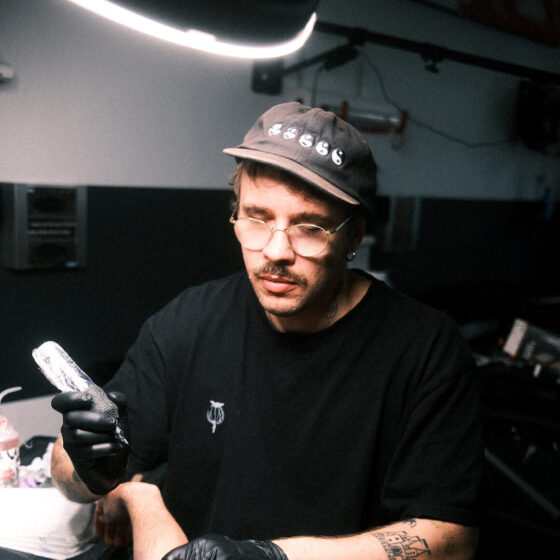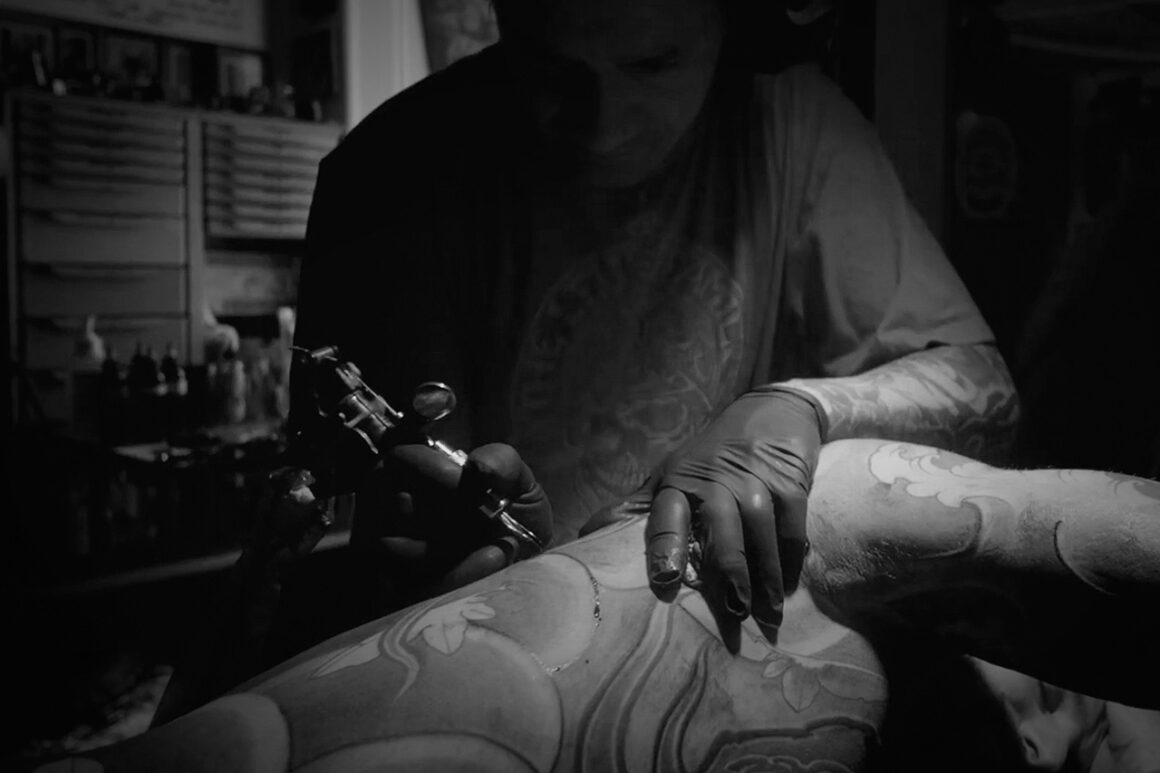







After dedicating an article in one of the latest issues of Tattoo Life to Jota Paint and his creative universe spanning graffiti, painting and drawing, we return to the Barcelona-based artist, this time focusing on his work on skin.
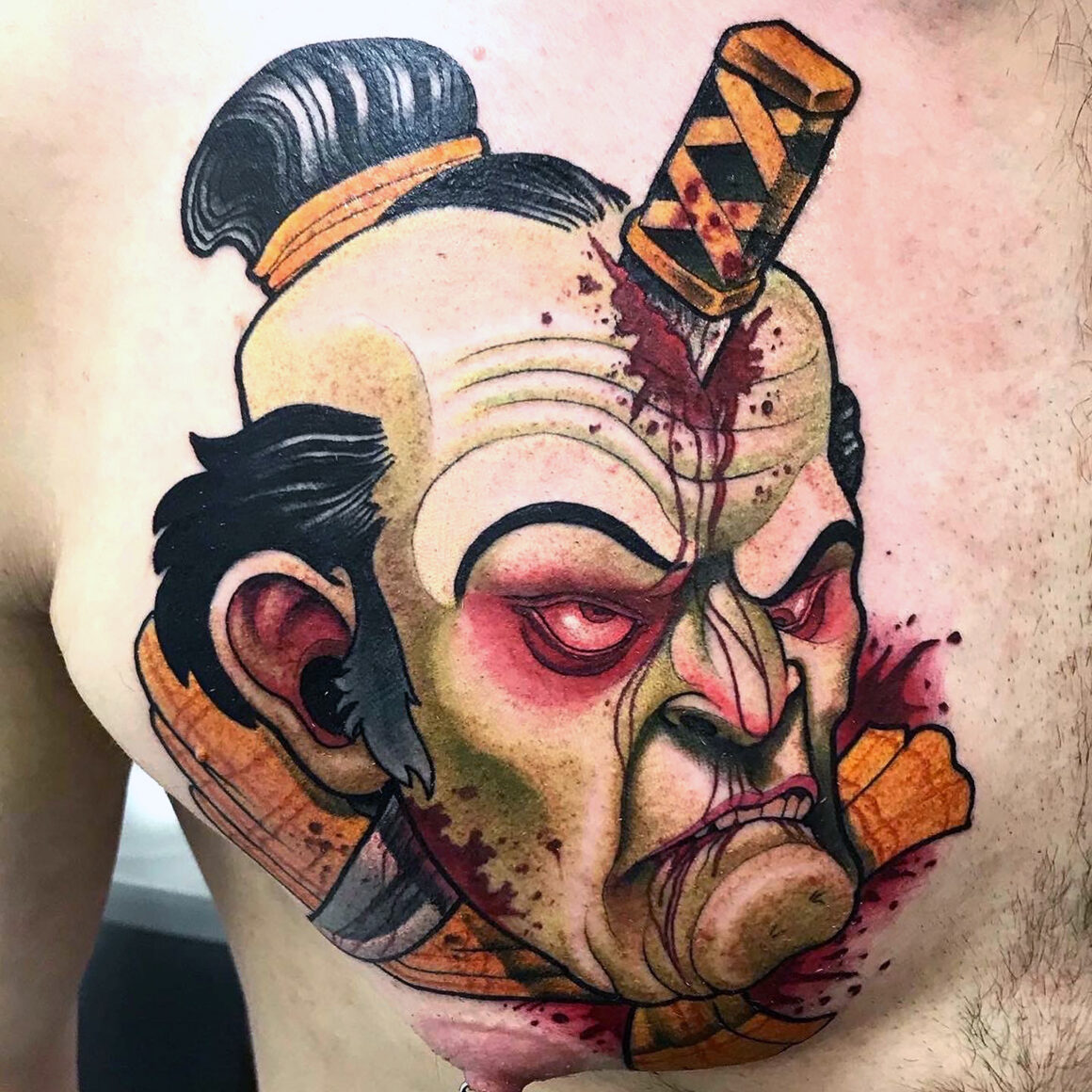
While maintaining an ongoing dialogue between the different forms of expression that have shaped his artistic research, in recent years his tattooing has taken an increasingly clear direction towards Traditional tattooing.
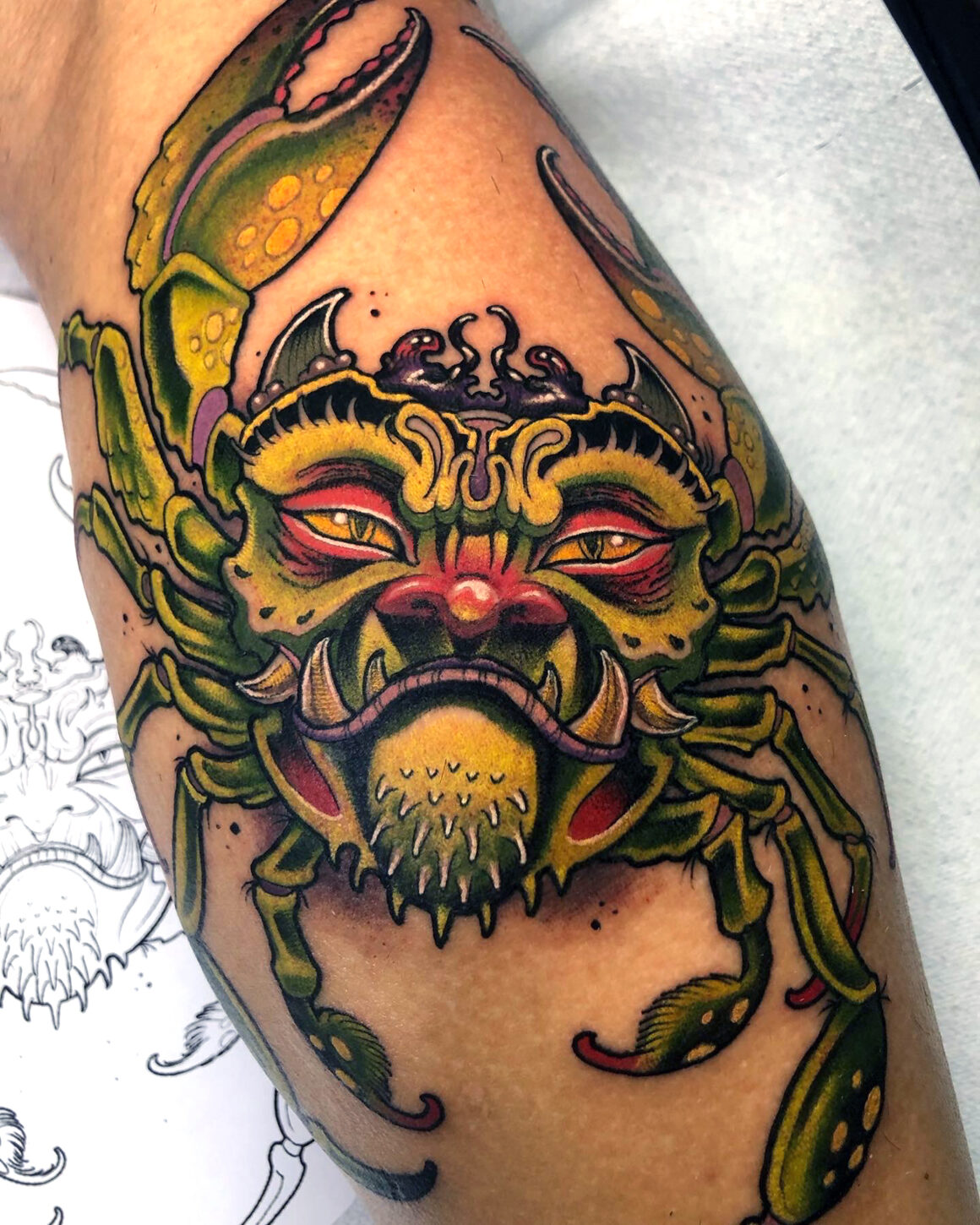
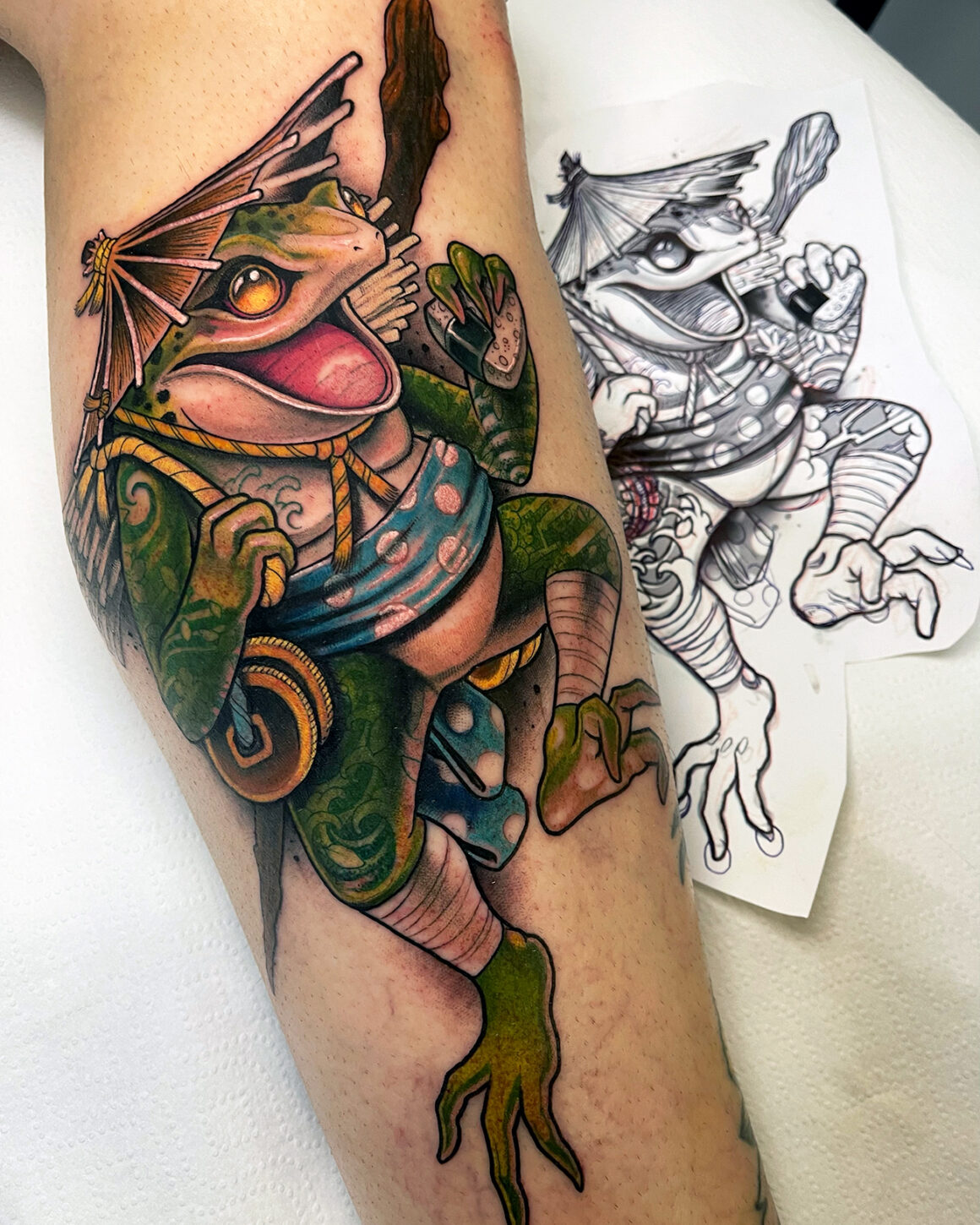
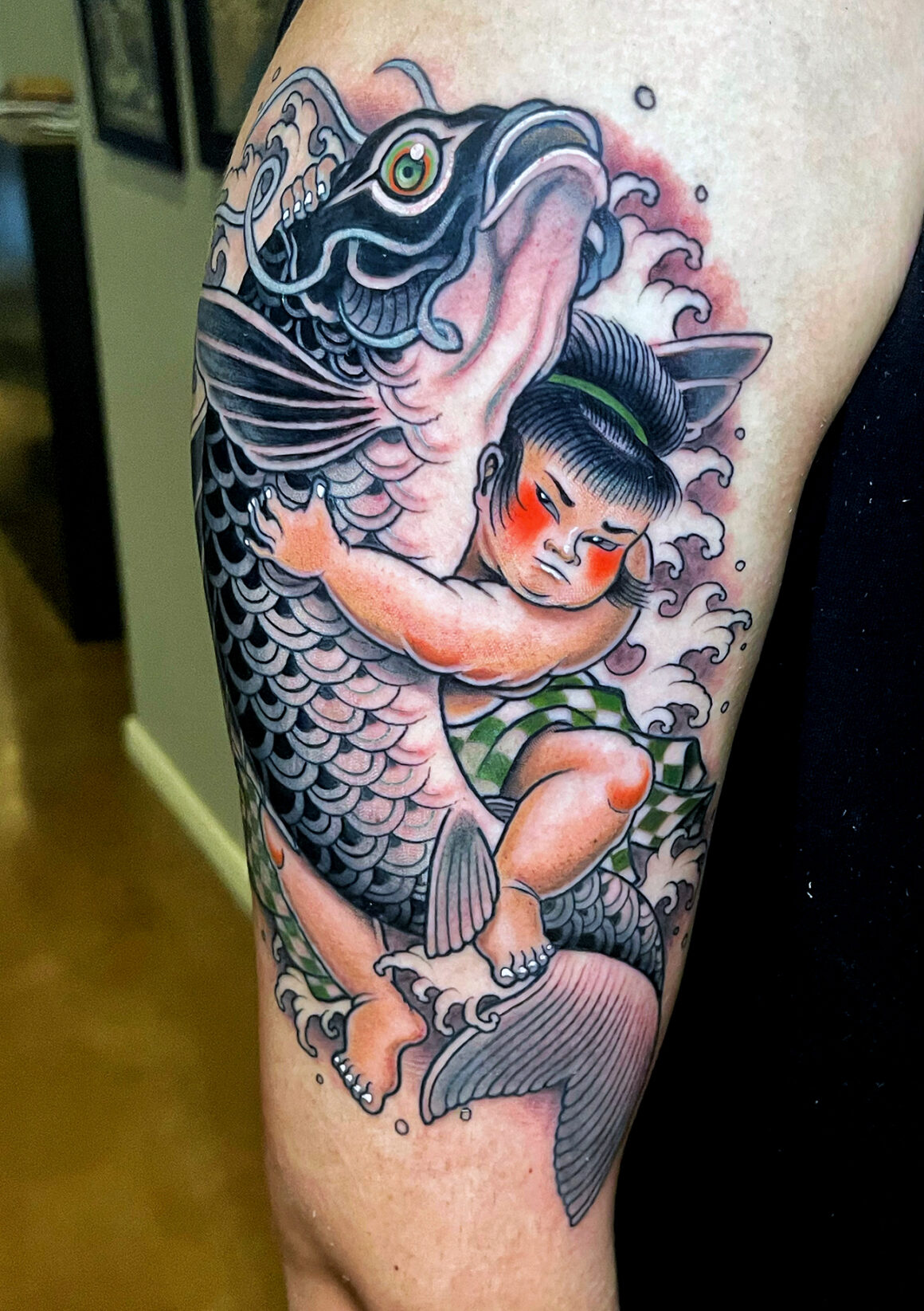
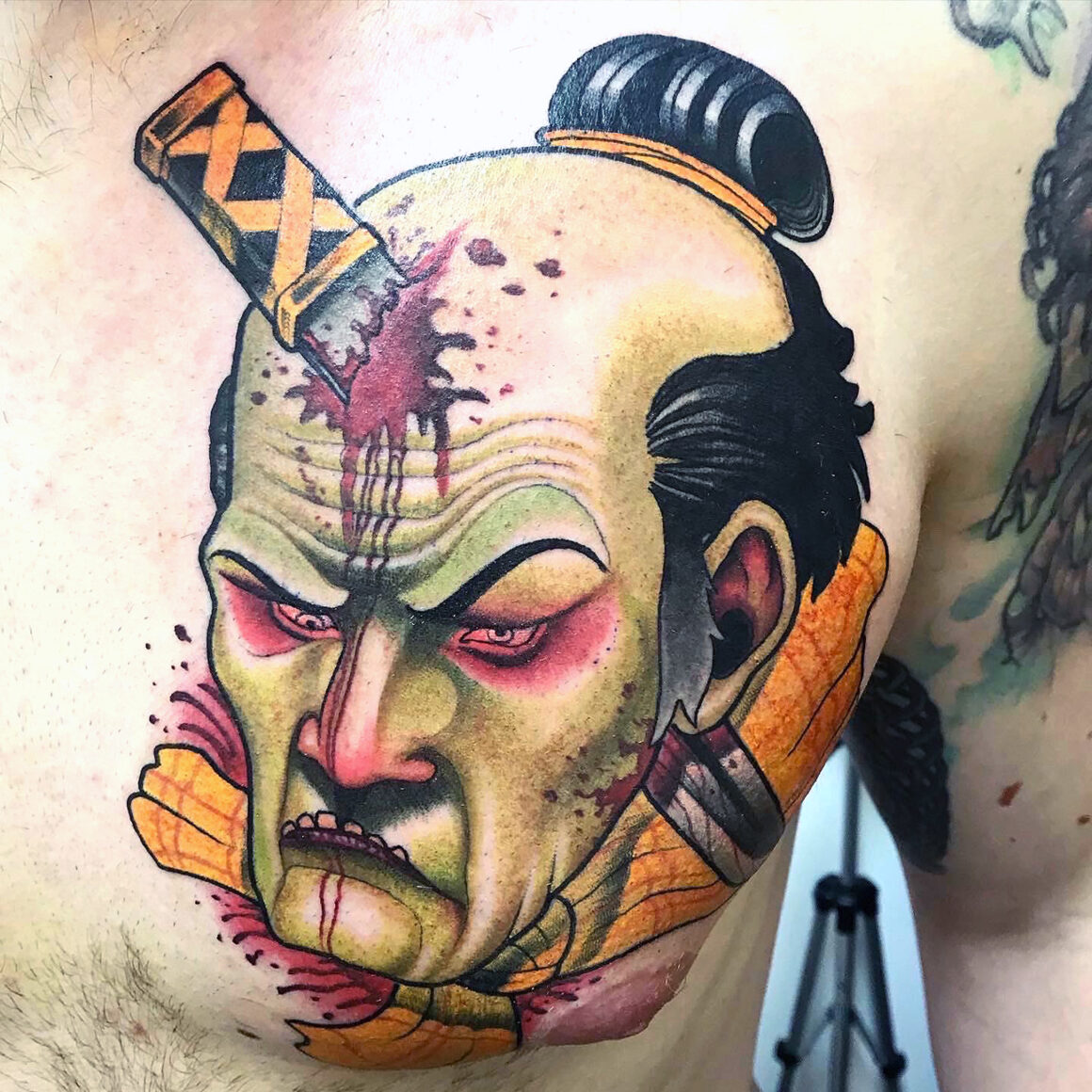
Jota Paint works at Family Art Tattoo, in Barcelona’s Gothic Quarter, and describes his style as a meeting point between Japanese-inspired imagery and his own personal approach to composition, colour and detail. Masks, dragons, warriors, flowers and subjects from Japanese tradition are among the motifs he tattoos most frequently, alongside portraits and characters that he interprets in a more personal and contemporary way.
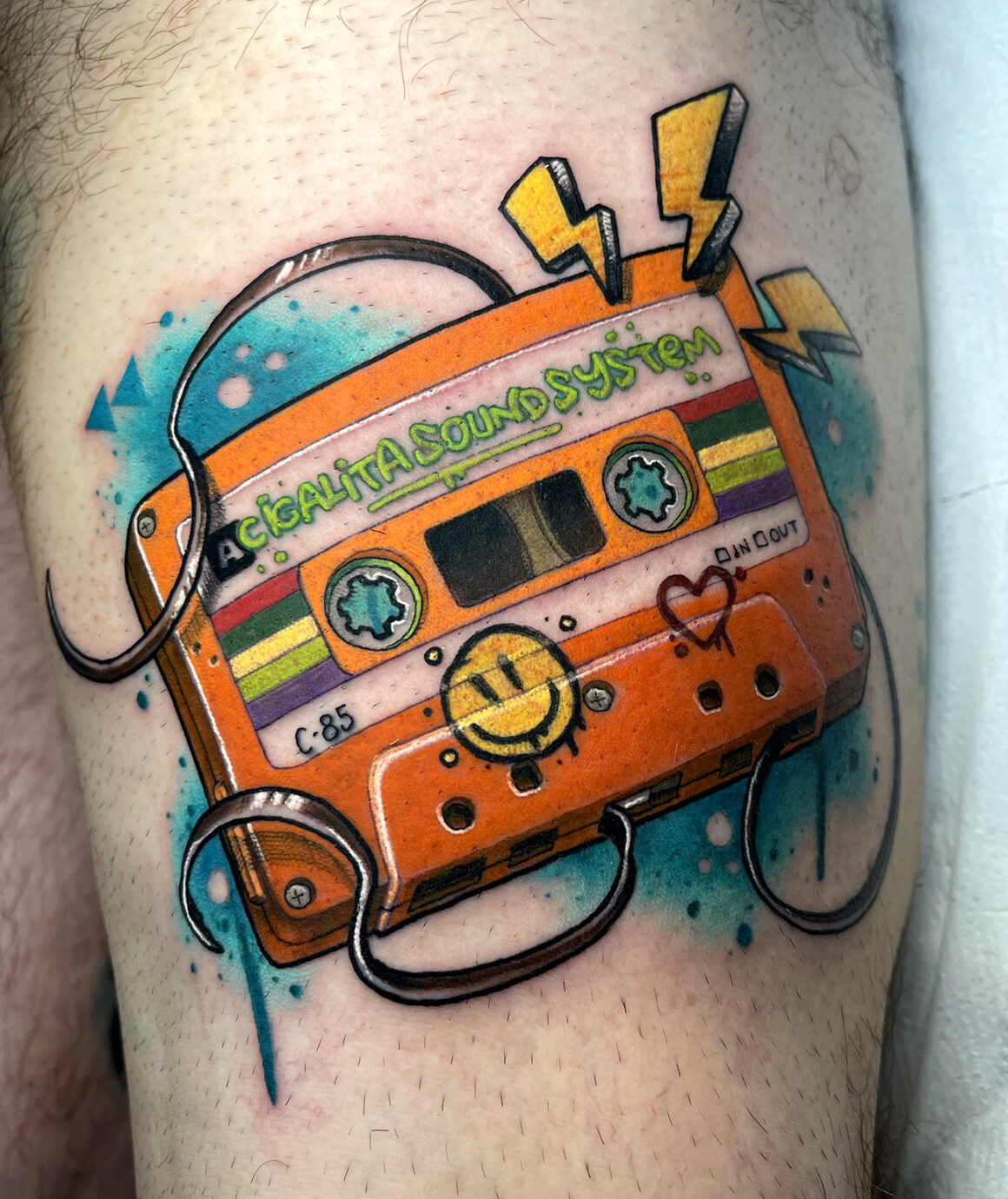
Colour is one of the elements that most strongly characterises his work. This approach also stems from his experience in the world of graffiti, where contrast and visual impact have always played an important role. “From the beginning, I have loved the strength that a good contrast can give a piece,” he explained in the interview Tattoo Life dedicated to him. This same attention can be found in his tattoos, built through solid areas of colour and contrasts that give the imagery strength and a distinctive identity.
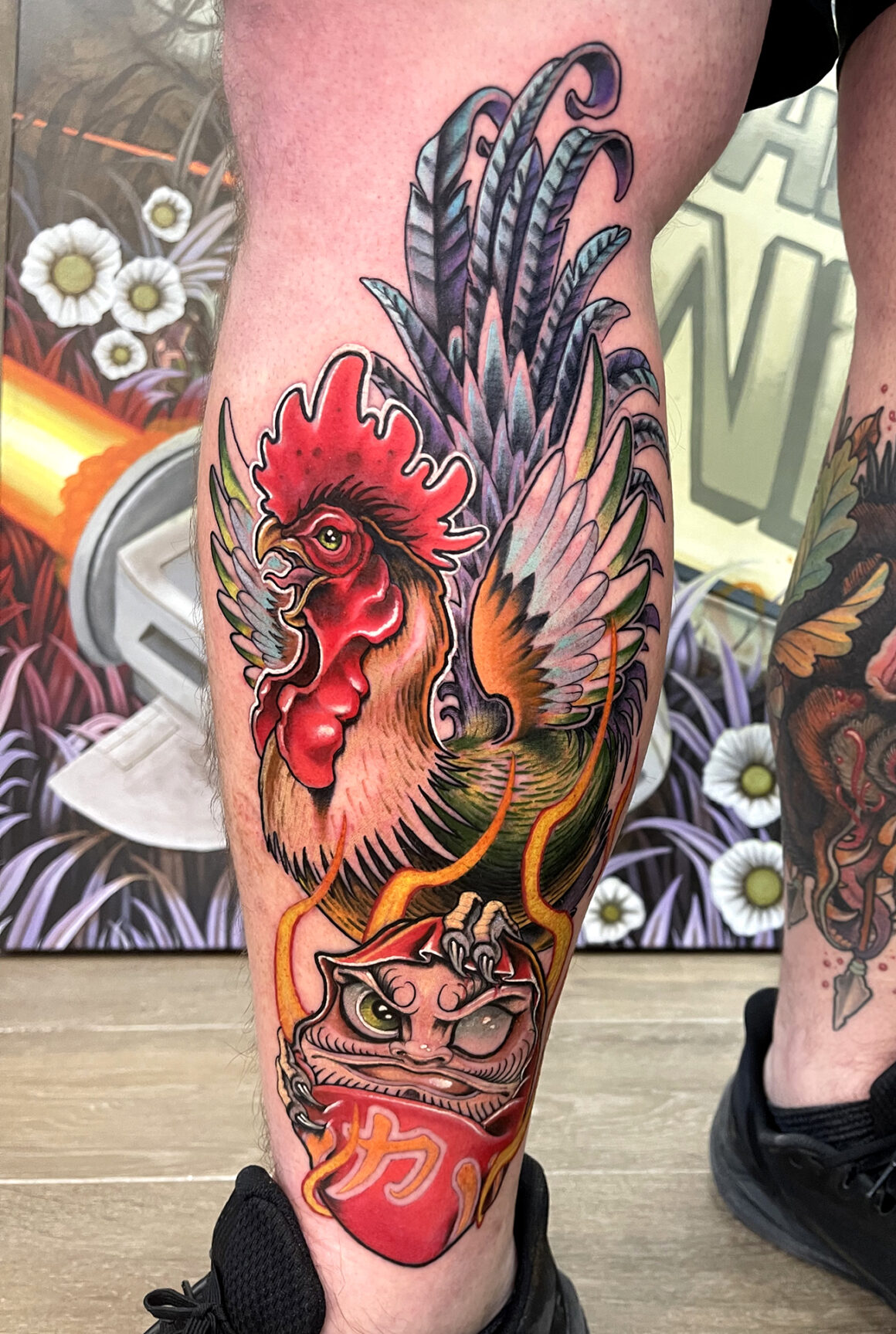
His journey began with a focus on New School, but over time his interest has increasingly shifted towards Traditional tattooing. It has been a natural evolution, driven above all by his growing appreciation for a tattoo’s ability to retain its strength over time. Lines, colour and structure need to continue working even many years later, and it is precisely this idea of longevity that attracts him to Traditional tattooing today.
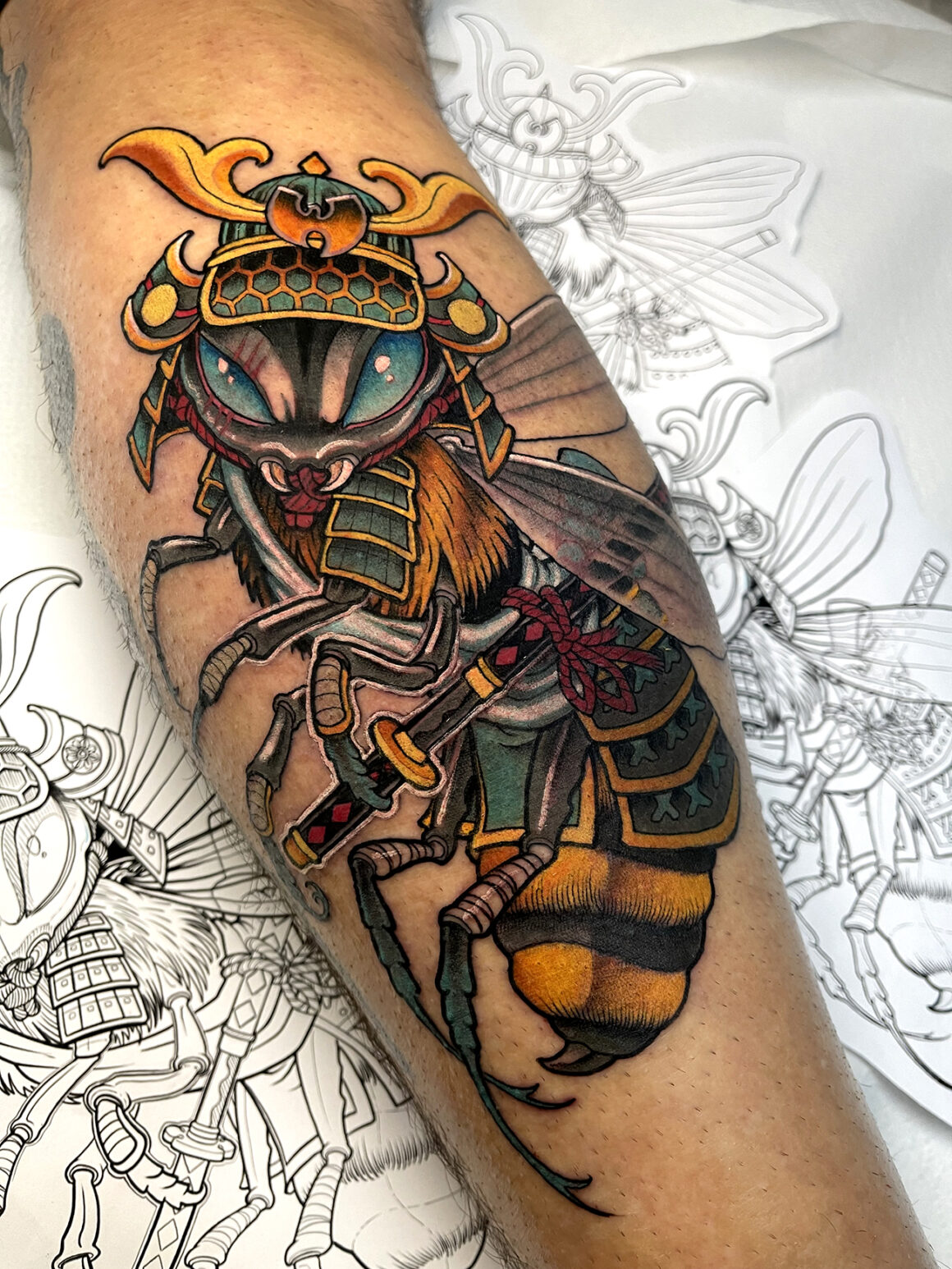
His Japanese-inspired imagery is therefore part of a practice that does not shy away from different influences. New School, realism and graffiti remain part of his visual background, but are filtered through a sensibility that is increasingly close to the principles of Traditional tattooing. It is a language in constant evolution, as JotaPaint himself recognises: while his work on skin is moving increasingly towards Traditional, his work on walls continues to explore realism.
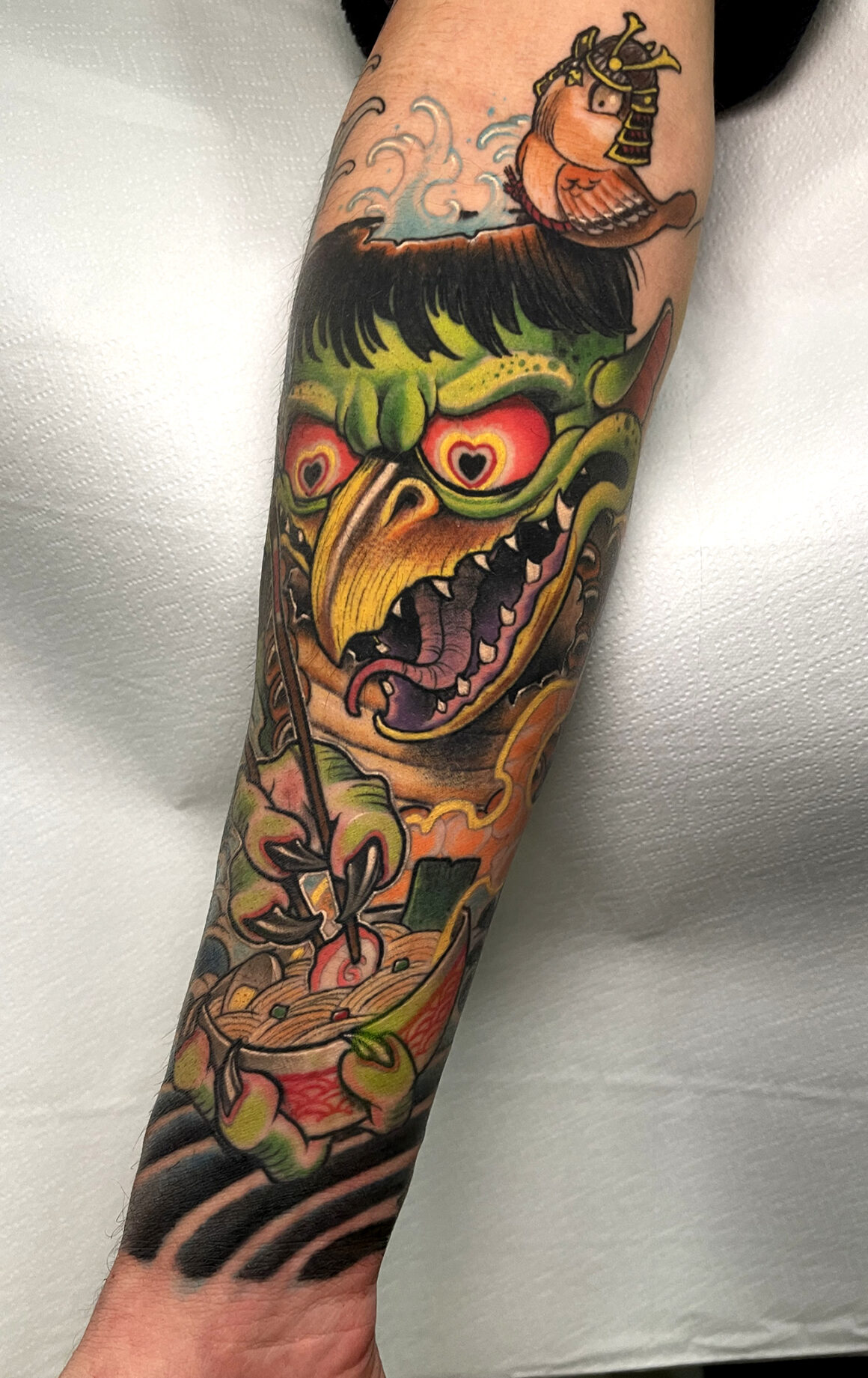
Perhaps it is precisely this ability to move between different visual languages that makes his work so interesting. Moving from the large formats of graffiti to the limited and permanent surface of skin has given him a different set of tools: while the street represents freedom and the absence of limits, tattooing requires discipline, organisation and technique. Two seemingly distant worlds that continue, instead, to feed into one another.
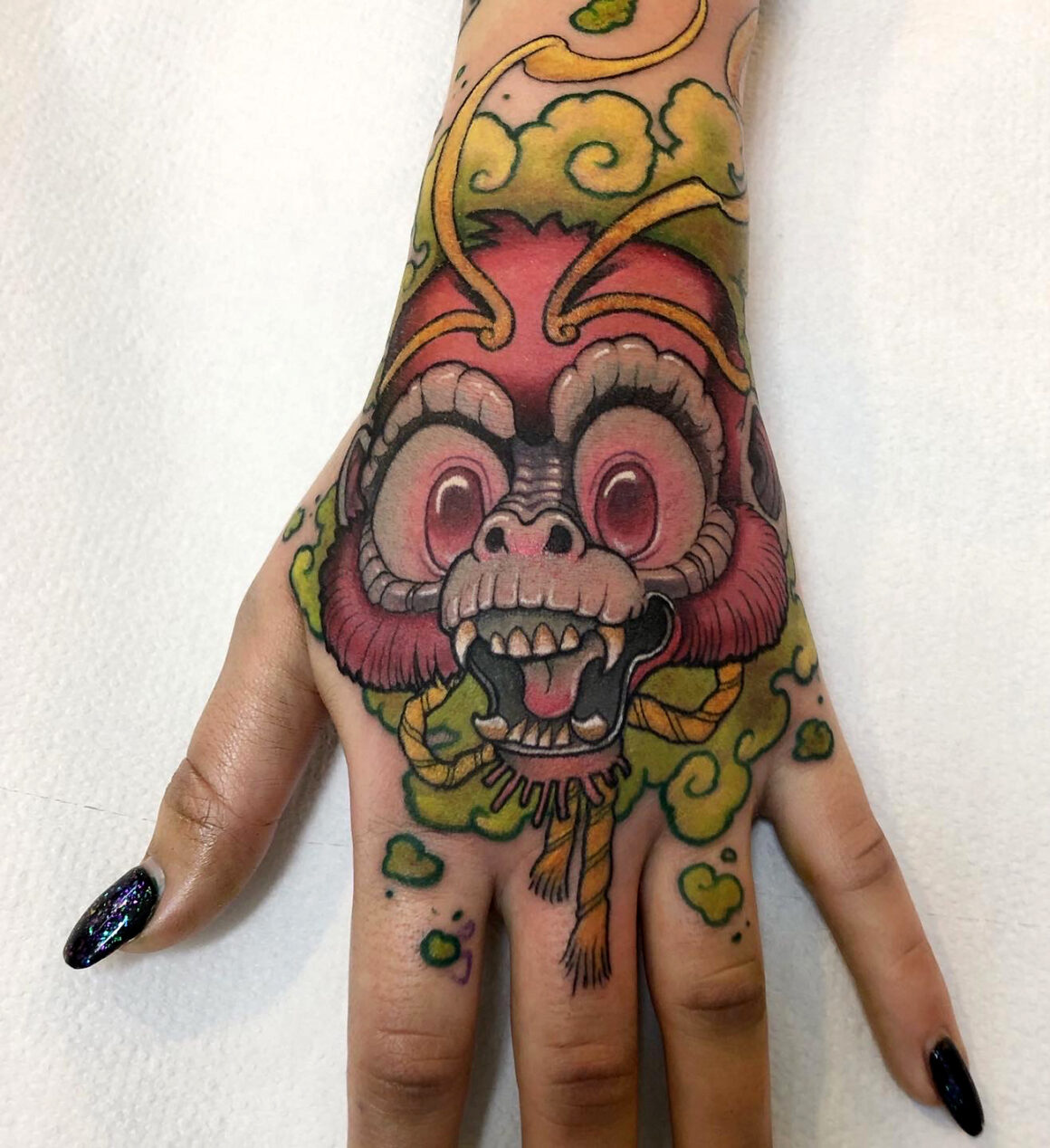
Today, working alongside artists with different approaches at Family Art Tattoo, Jota Paint continues to see tattooing as a process of learning. And as his artistic journey continues through conventions, guest spots, painting, graffiti and work on skin, the direction of his tattooing is becoming increasingly clear: a personal language built around Japanese-inspired imagery, colour and contrast, combined with an ever-greater focus on the strength and longevity of the tattoo.