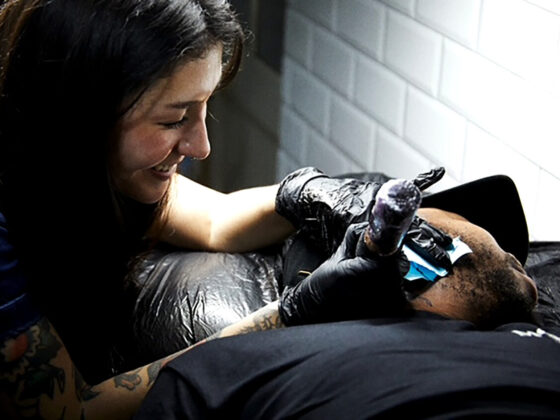



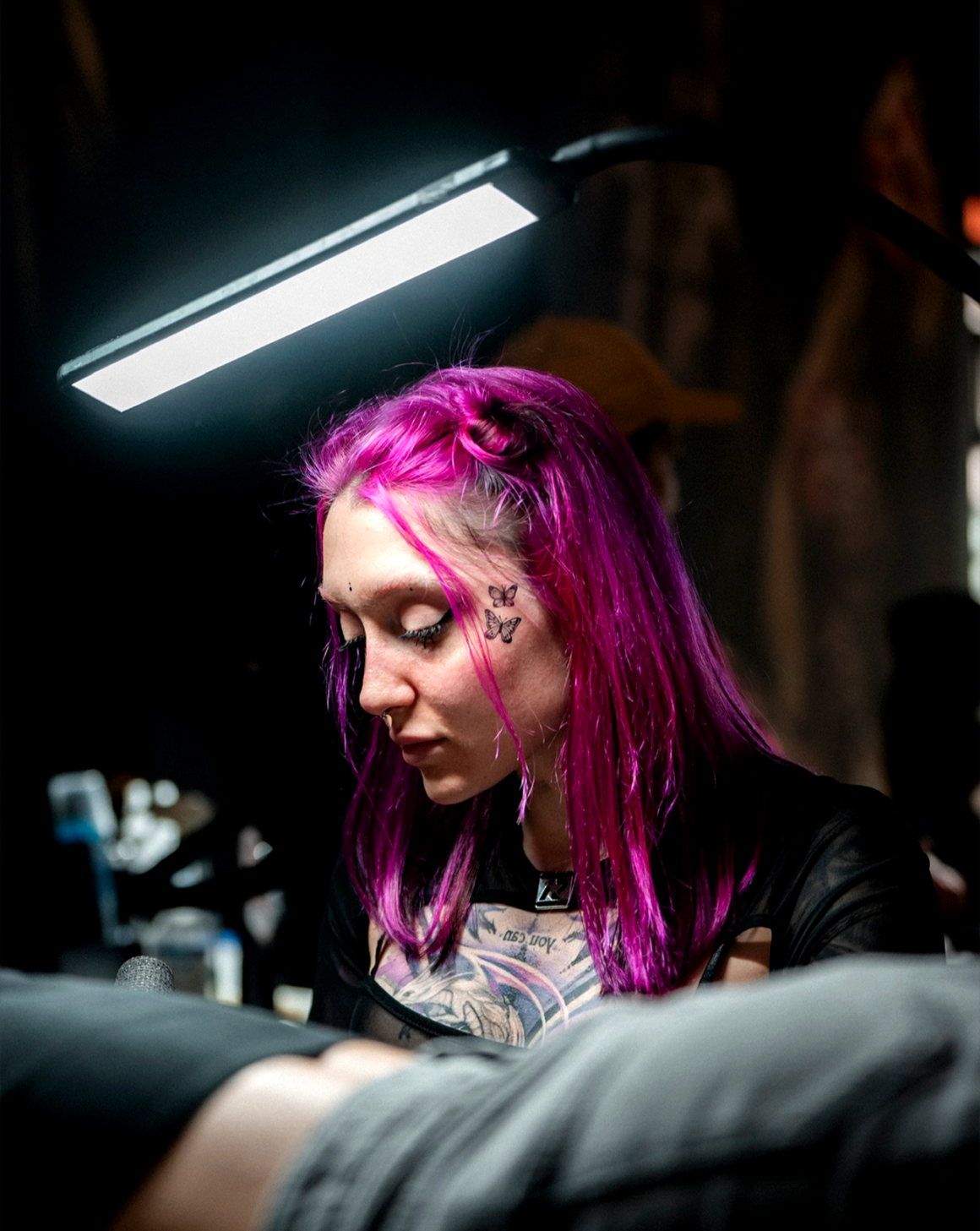
Valentina Kocharian is an international tattoo artist, designer and educator whose career spans Europe and the United States. With more than six years of professional experience, she specialises in colour realism, blending realistic techniques with elements of comics, animation and contemporary illustration. Before devoting herself to art, Valentina graduated in law with honours and practised as a lawyer, then made a complete change of direction. She is the founder of an online design school that has trained more than 2,000 students, an award-winning artist, and a judge at international tattoo conventions. In this interview, she talks about her unconventional path, her artistic approach to colour, her international career, and her plans for the future.
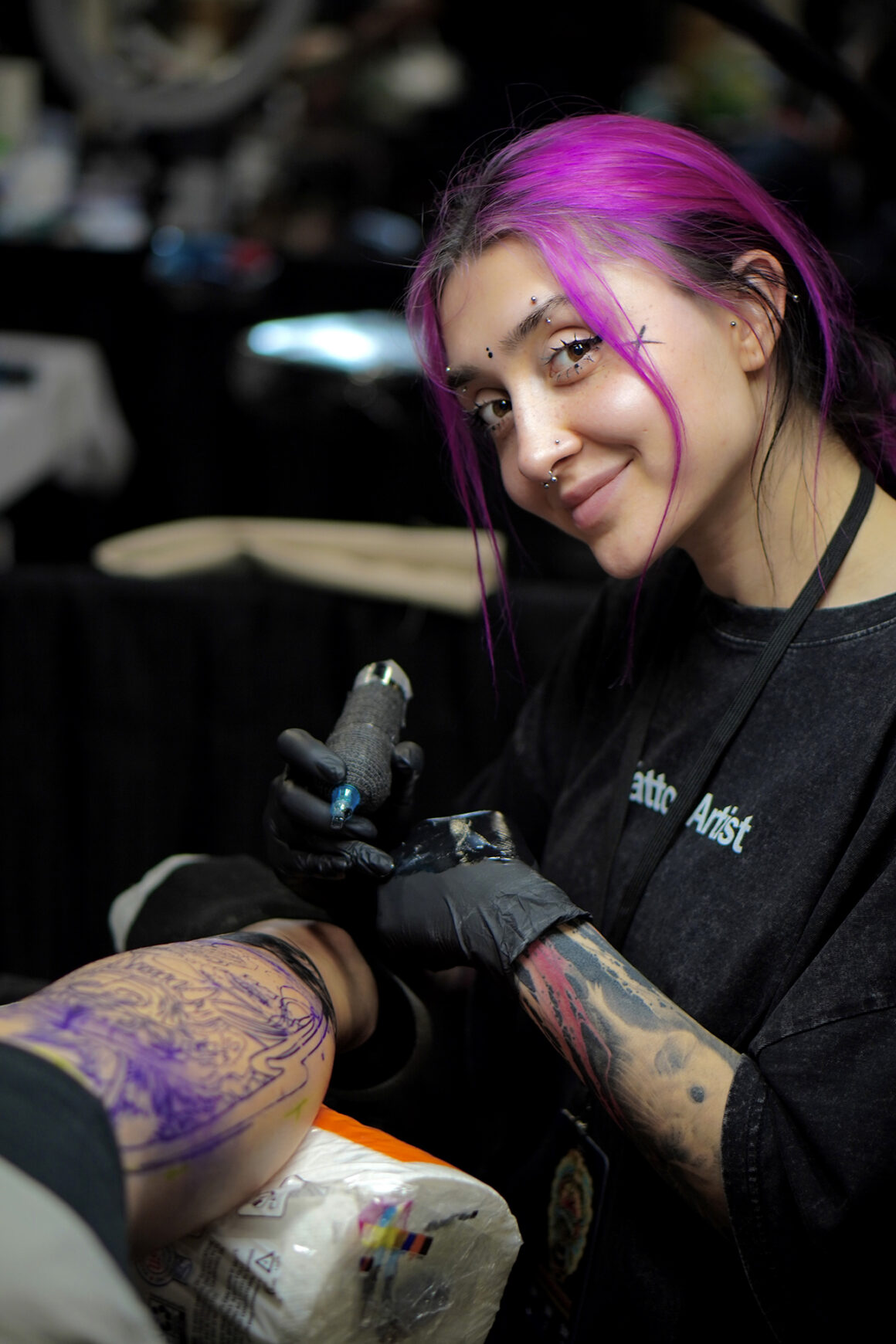
Hi Valentina! Would you like to introduce yourself to our readers?
Hi! My name is Valentina Kocharian. I’m an international tattoo artist, designer, and educator with over six years of professional experience. Throughout my career, I’ve built an international presence, working with clients across different countries, participating in prestigious tattoo conventions, and receiving professional awards in both Europe and the United States. I specialize in colour realism, particularly in combining realistic techniques with elements of comics, animation, and contemporary illustrative art.
I’m especially passionate about creating complex, original compositions where technical precision meets unconventional artistic ideas.
In addition to my work as a tattoo artist, I’m the founder of my own online design school, where more than 2,000 students have completed their training. Education plays an important role in my career because I believe that sharing knowledge contributes to the development of the entire tattoo industry. I’ve also been invited to serve as a judge at international tattoo conventions. For me, these invitations represent meaningful professional recognition and an opportunity to evaluate the work of talented artists from around the world. Today, I continue to develop my international career, create new projects, and explore the artistic possibilities of contemporary tattooing.
Where are you originally from, and where are you currently working?
I was born and raised in Russia, but for several years now, my life and professional career have been closely connected to the international tattoo industry. Currently, I travel around the world as a guest tattoo artist, collaborating with studios in different countries and dividing my life between the United States and Europe. I spent a significant part of my professional career in Florida, USA, where I established a loyal client base and completed numerous large-scale custom projects. I also work in Germany and other European countries, accepting guest artist invitations from tattoo studios and continuing to collaborate with international clients. Working in different parts of the world has become an essential part of my career. It allows me to discover new artistic approaches, exchange professional knowledge, and constantly expand my creative horizons.
How did you decide to become a professional tattoo artist?
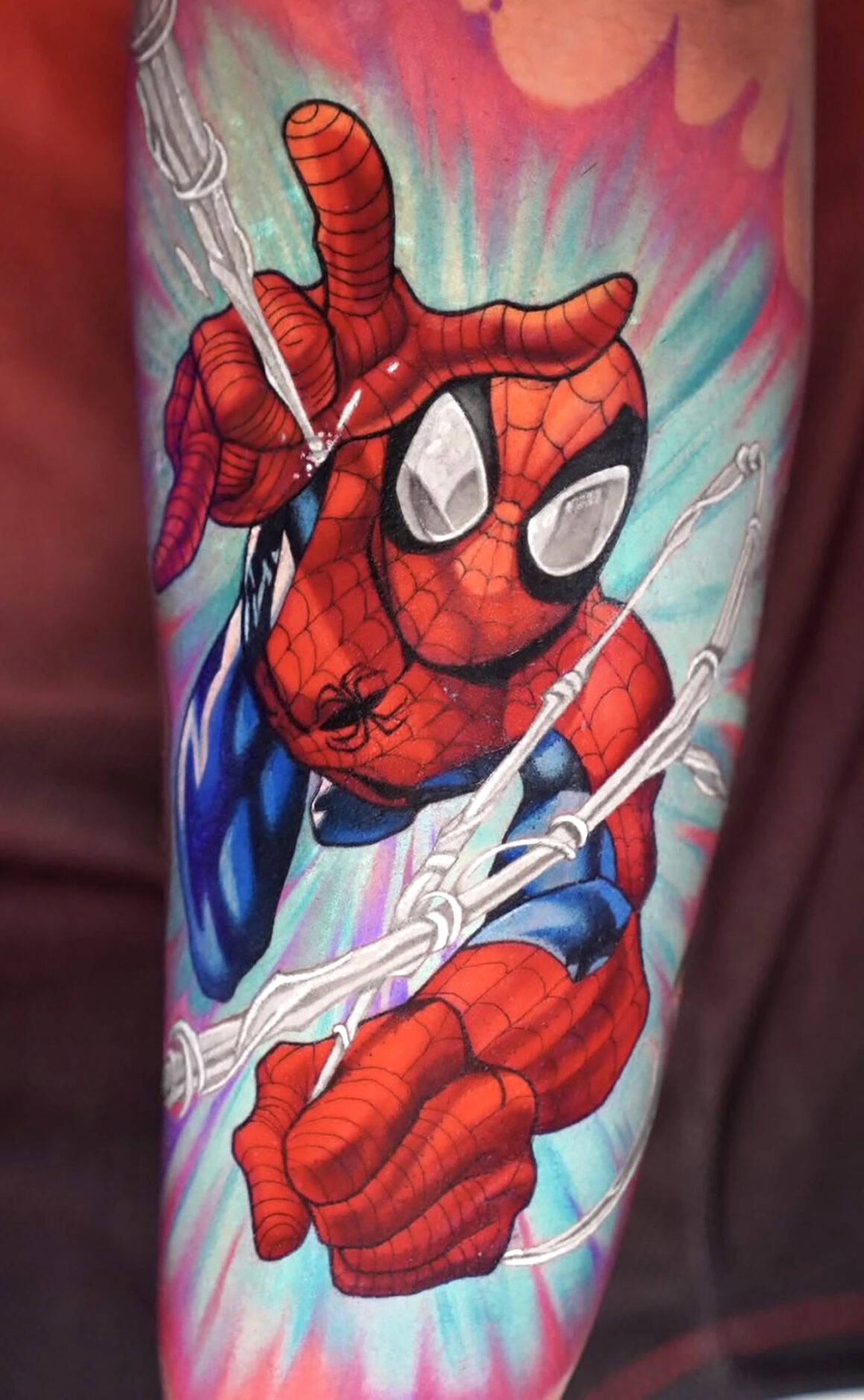
My journey into the tattoo industry was quite unusual because I originally chose a completely different career path. I graduated with honours with a law degree and spent some time working in the legal field. However, art had always been an essential part of my life, and eventually, I realized that I wanted to dedicate myself to creativity. What fascinated me most about tattooing was its unique nature: the opportunity to create a piece of art that becomes part of someone’s identity and stays with them for a lifetime. More than six years ago, I decided to completely change my professional direction and pursue a career as a tattoo artist. That decision required an enormous amount of time, discipline, independent learning, and practice.
I constantly studied different artistic techniques, experimented with materials, and worked towards developing my own artistic direction.
Over time, my passion evolved into an international career. Today, my work has received recognition at professional events, and I share my knowledge and experience with other artists through my educational programmes. For me, this journey proves that it’s never too late to choose a profession that truly inspires you.
You focus heavily on colour tattoos, especially realism and cartoon styles. Are these your favourite directions?
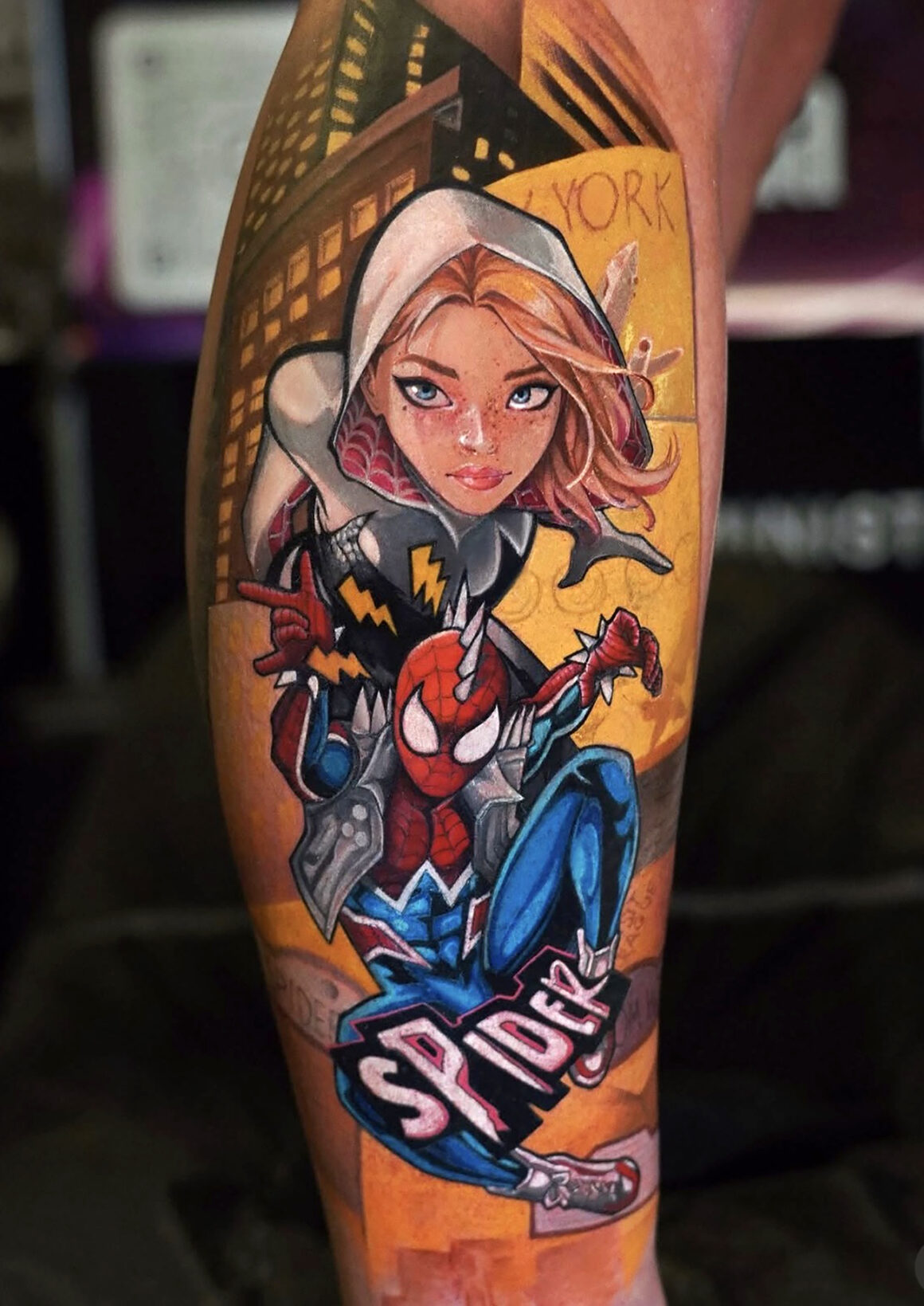
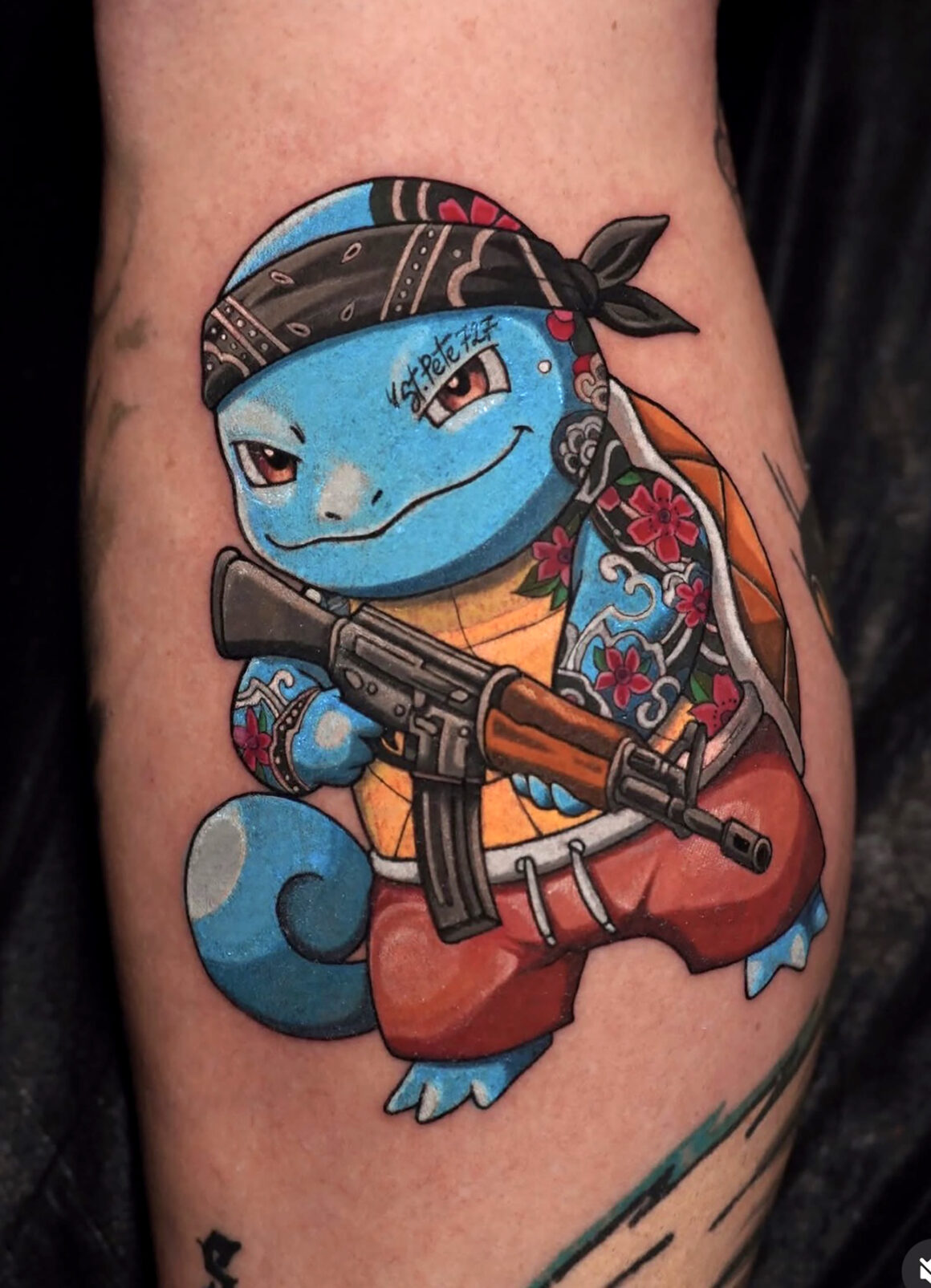
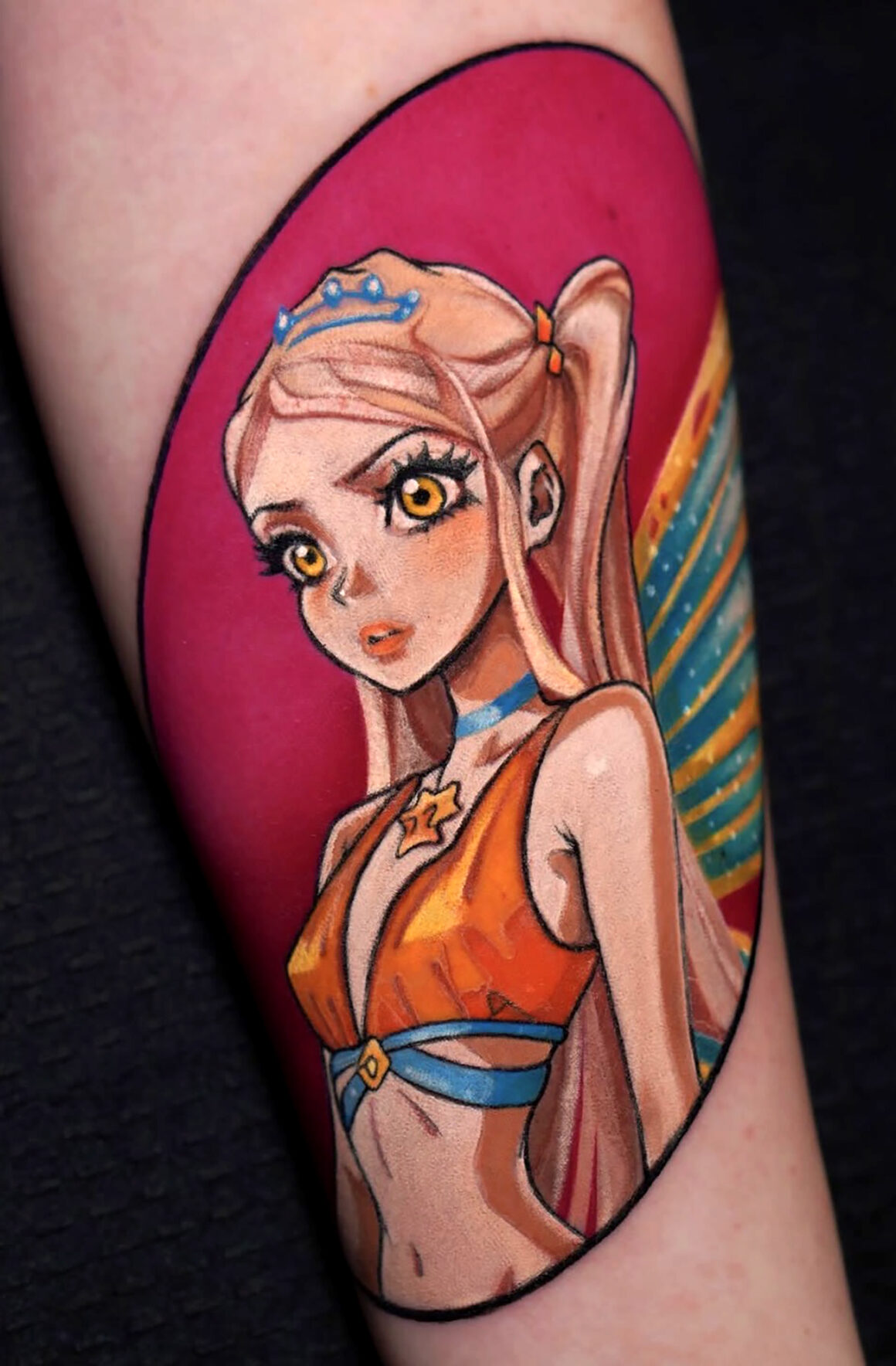
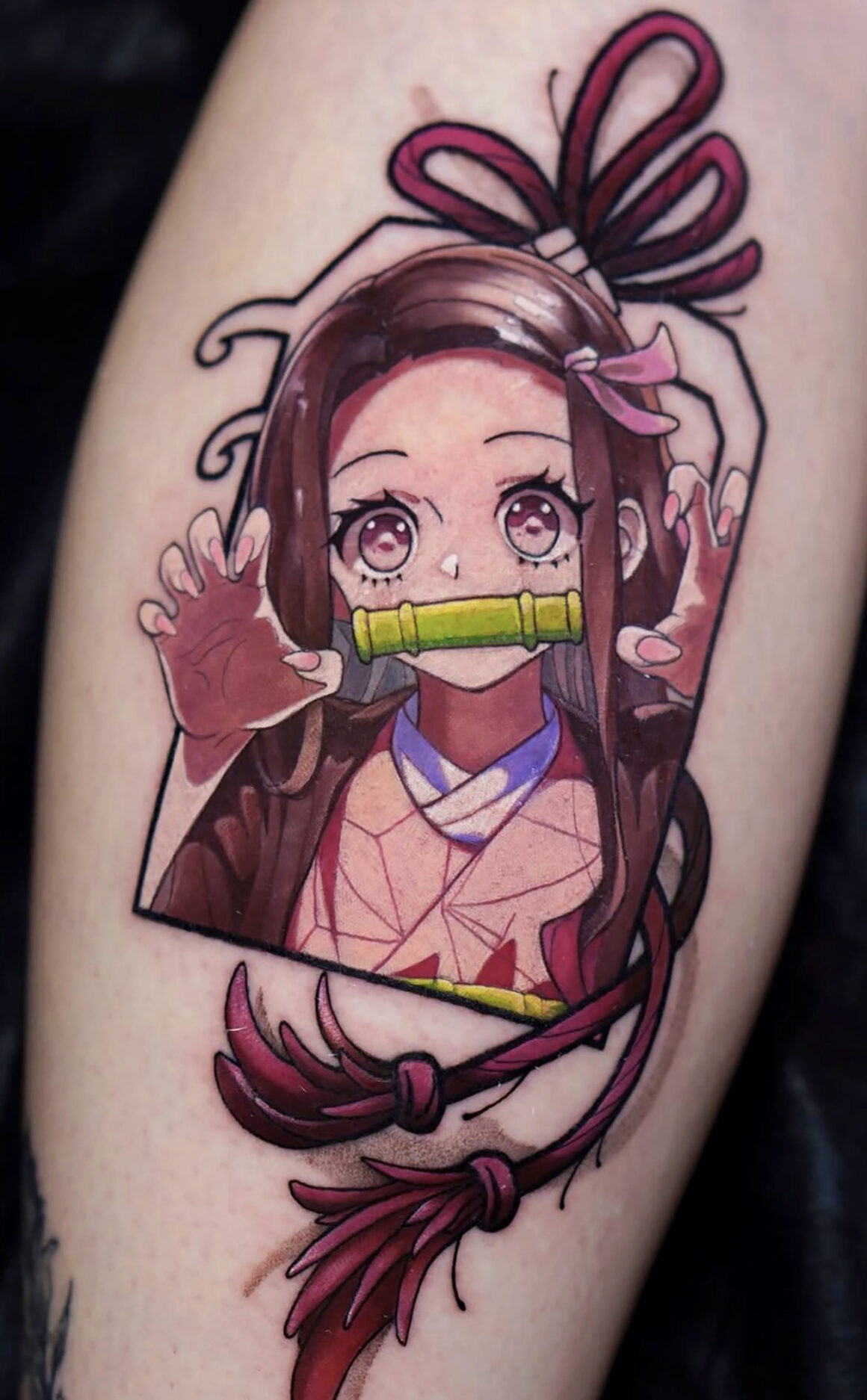
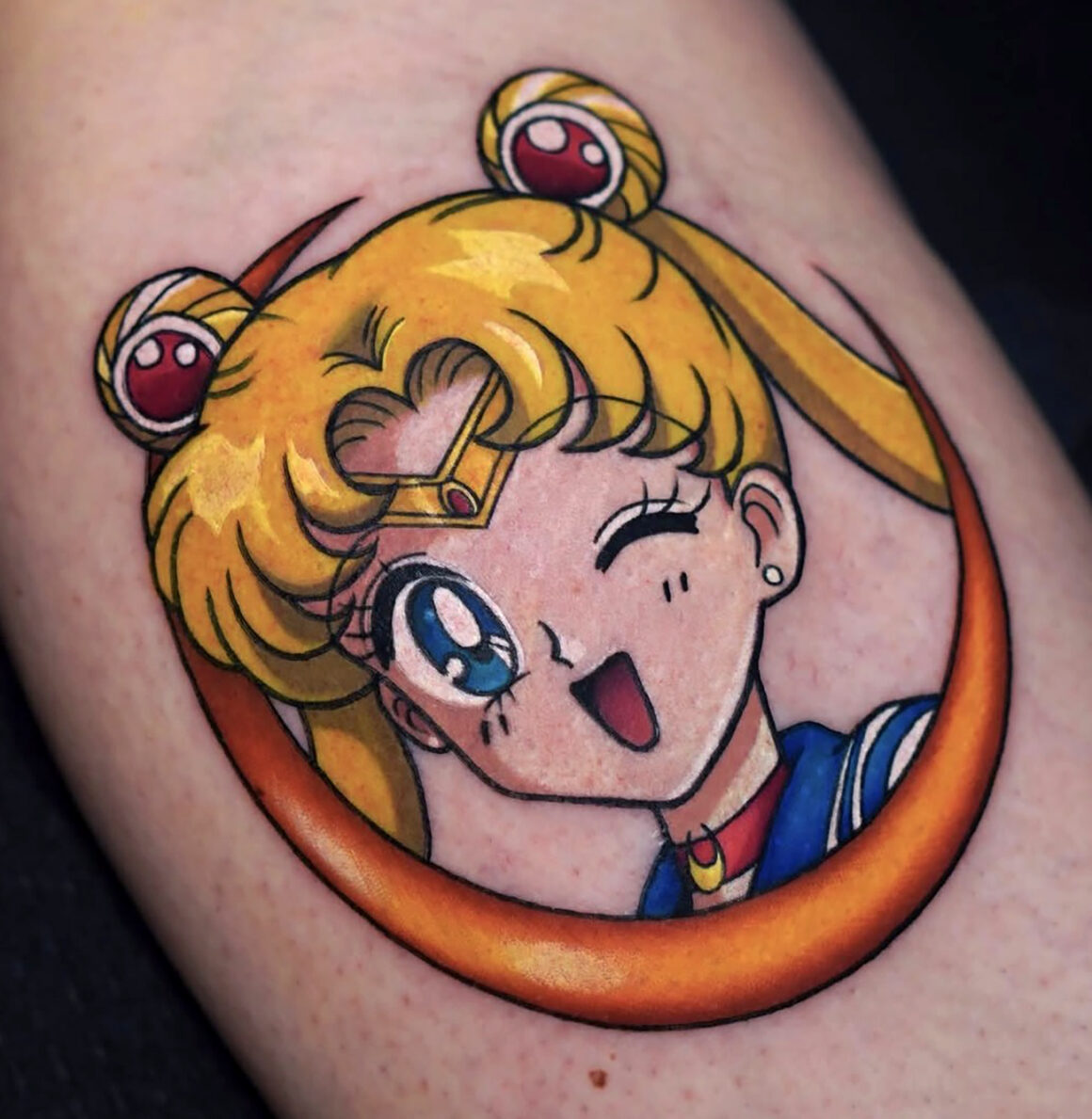
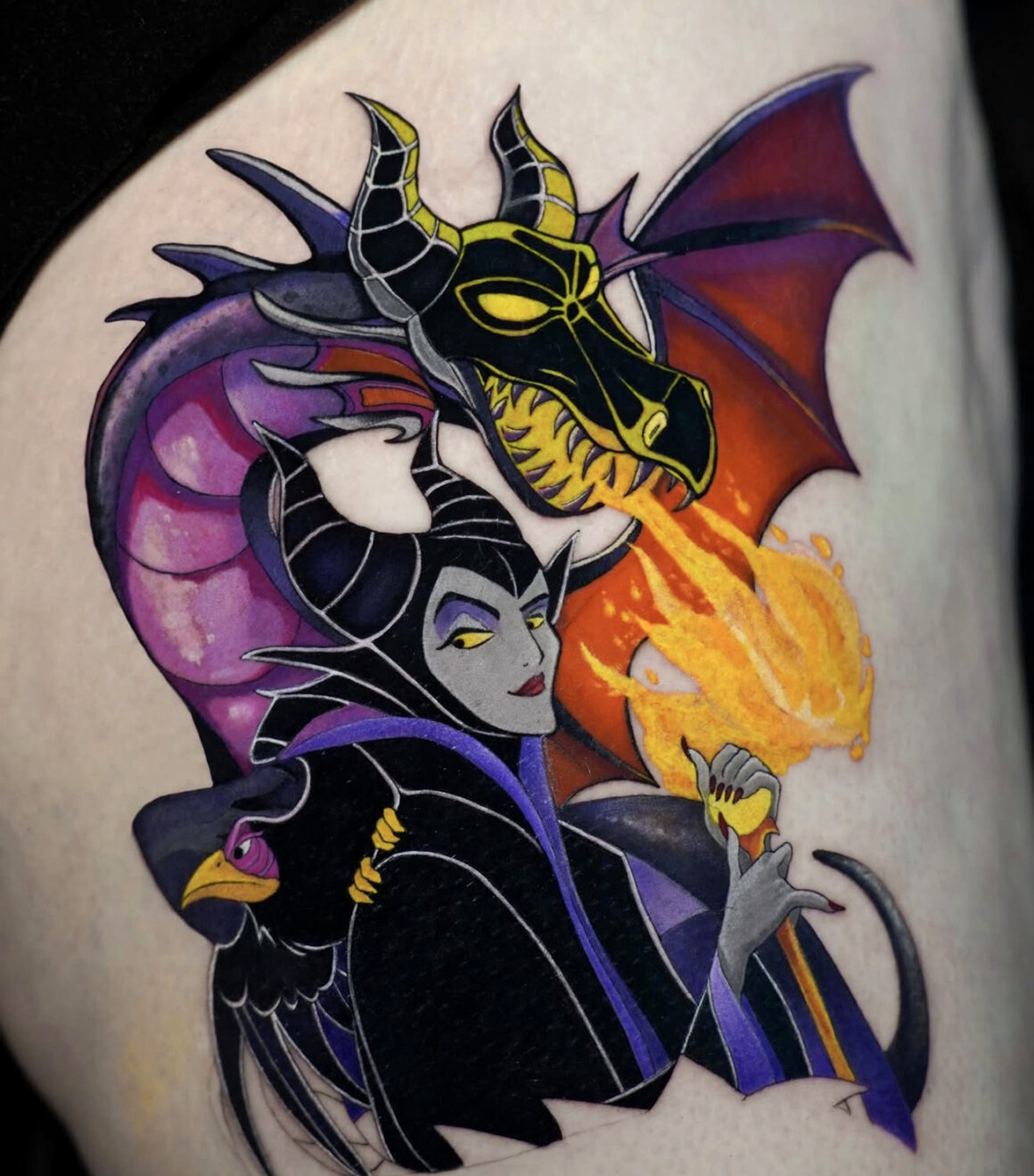
Absolutely! Colour realism and the combination of realistic techniques with cartoon aesthetics hold a special place in my work. I’ve always been fascinated by vibrant colours, expressive characters, animation, comics, and contemporary pop culture. What I enjoy most is combining different visual styles within a single composition. For example, I like bringing together realistic textures, dimension, and lighting with exaggerated shapes or expressive colours commonly associated with animation.
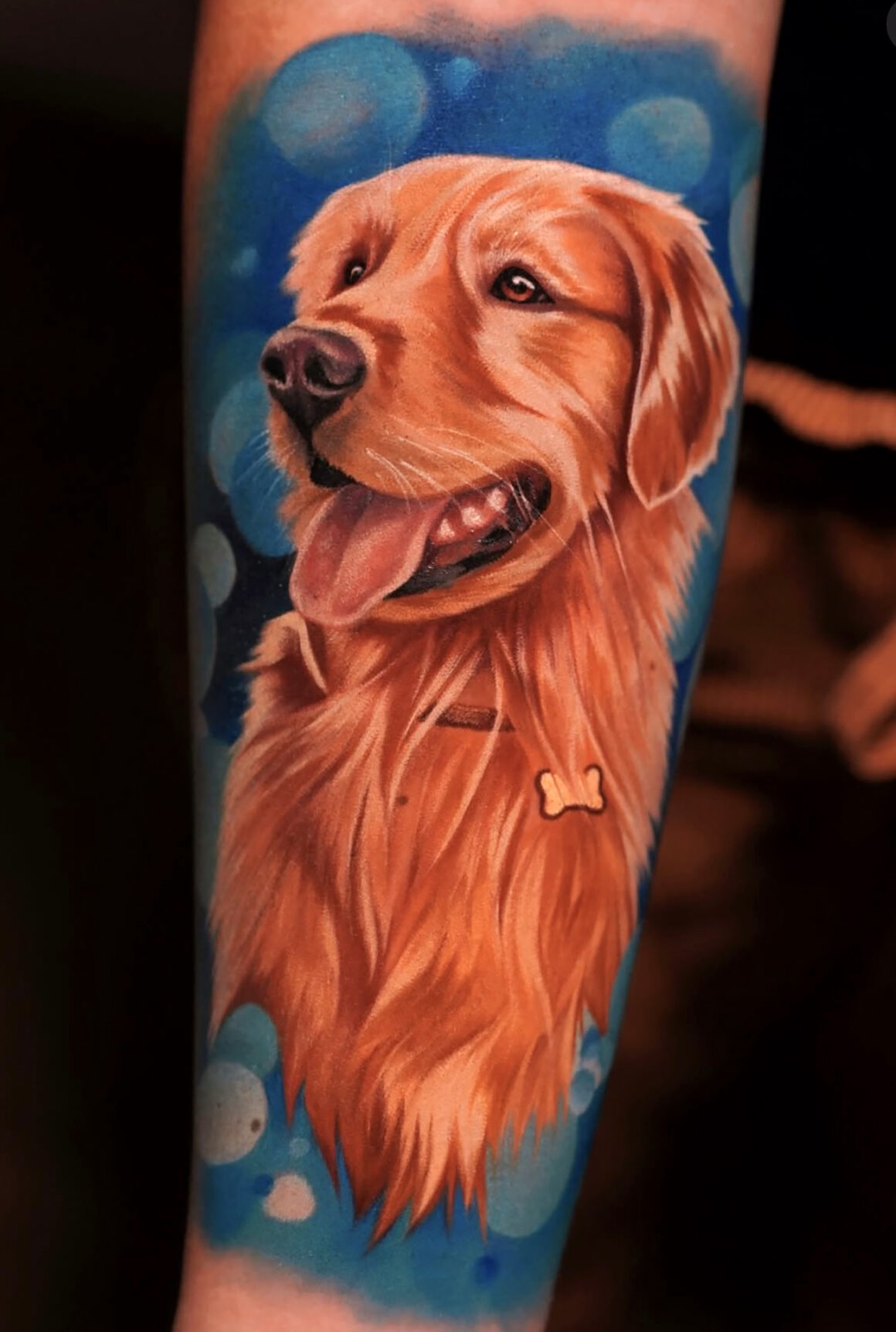
This type of work requires not only a high level of technical skill but also strong artistic thinking, as it’s essential to achieve visual harmony between different styles. However, I don’t limit myself exclusively to colour tattoos. I also continue working with black-and-grey realism, portraits, and technically challenging cover-up projects. For me, it’s extremely important to keep evolving as an artist rather than restricting myself to one particular style. The projects that inspire me most are those where I have the freedom to develop a completely original composition and offer the client a unique artistic concept.
What are the most important aspects when working in these styles?
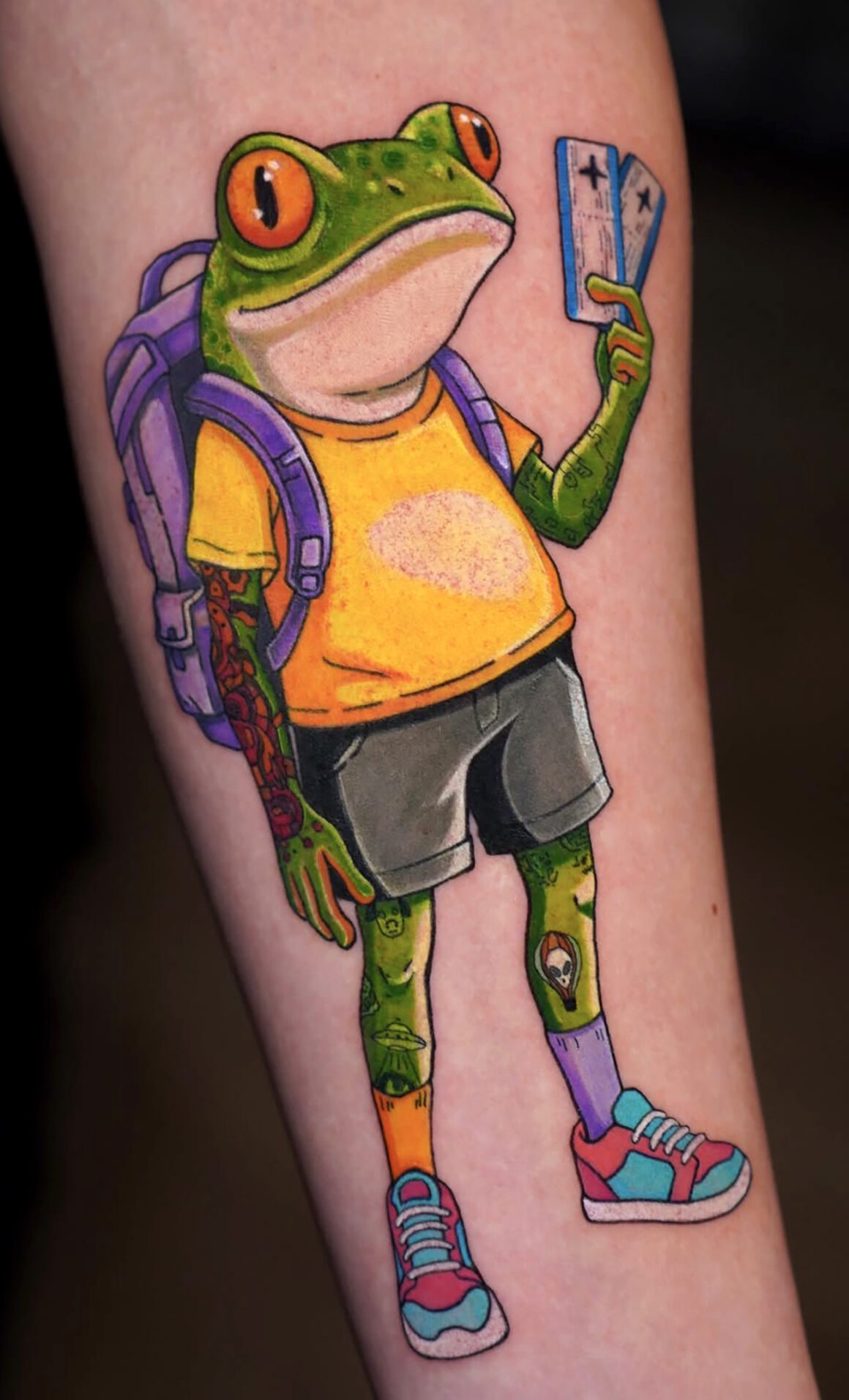
In my opinion, a high-quality colour tattoo begins long before the tattoo machine ever touches the skin. The design process plays an enormous role. Composition, colour theory, proper contrast distribution, an understanding of dimension, and knowledge of human anatomy are all essential elements.
It’s particularly important to remember that a tattoo isn’t a static image on paper or a screen.
It exists on living skin, changes during the healing process, and must maintain its visual clarity over time. That’s why I pay close attention to how colours interact, how light and shadow are structured, and whether there is enough contrast to preserve important details. When combining realism with cartoon aesthetics, there’s an additional challenge: bringing two different visual languages together into one cohesive composition. I always aim to make every element feel harmonious, even when different artistic approaches are used within the same piece. The technical side of tattooing is equally important, including proper skin application techniques, pigment saturation, equipment selection, and an understanding of the healing process. These are also principles I emphasize in my educational programmes. I strongly believe that true professionalism in tattooing comes from combining artistic vision, technical knowledge, and responsibility for the long-term quality of the work.
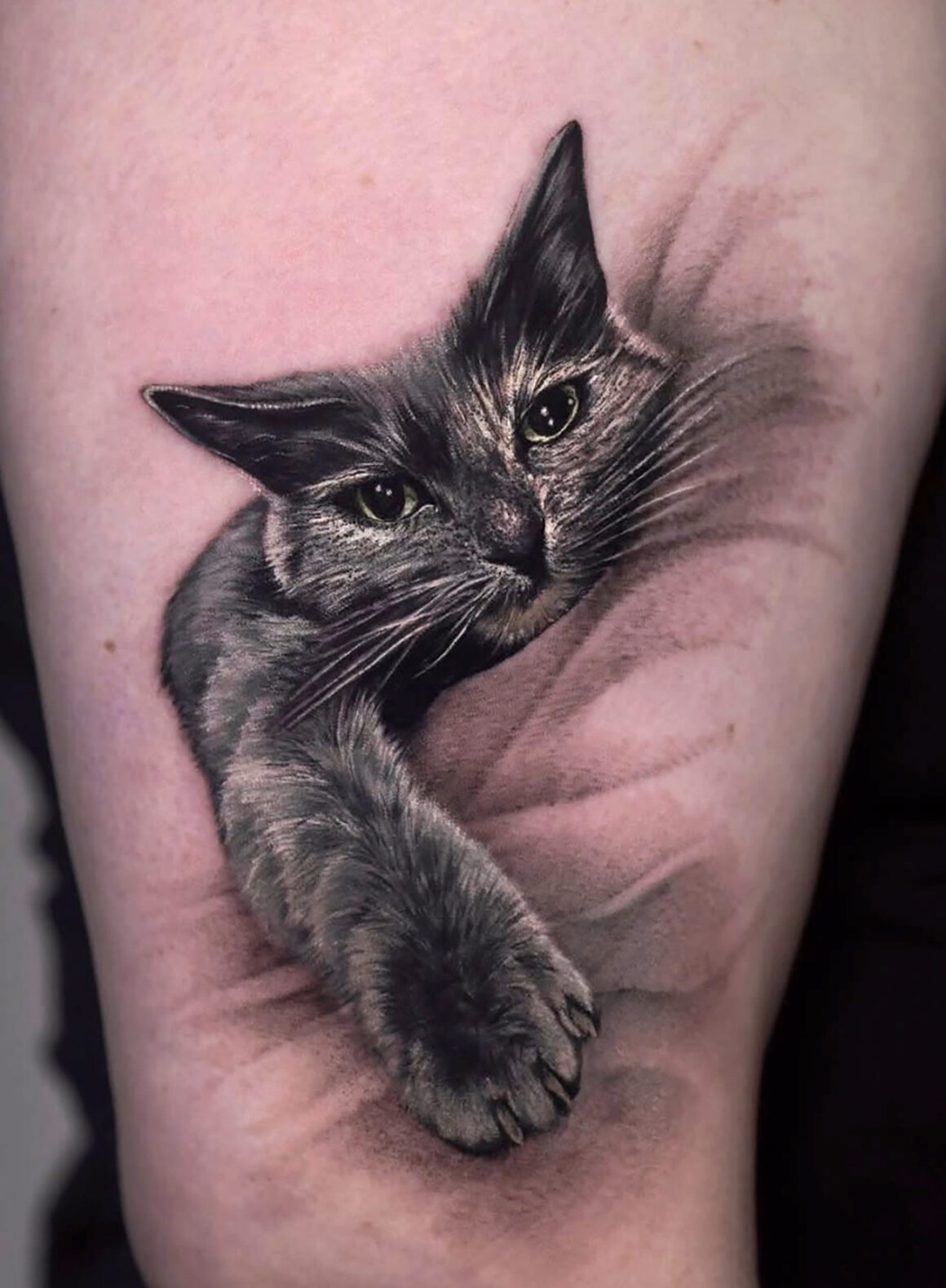
There was a period when you mainly worked in black-and-grey tattooing. What led you to colour?
At the beginning of my professional career, I focused heavily on black-and-grey realism. This style allowed me to develop a strong technical foundation, including an understanding of light and shadow, depth, dimension, contrast, texture, and the structure of realistic images. However, I’ve always been someone who loves vibrant colours, unusual visual concepts, and artistic experimentation. Over time, I became increasingly interested in moving beyond familiar techniques and exploring new creative possibilities.
Working with colour opened up an entirely new world of artistic expression for me. I was fascinated by how expressive colour tattoos could be and how colour could create atmosphere, strengthen a composition, and give an image a completely different character. Gradually, I began combining my knowledge of realism with elements of animation, comics, and contemporary digital art. This combination eventually became one of the main directions of my artistic development. However, I’ve never completely abandoned black-and-grey realism. On the contrary, I believe that my experience with this technique gives me a significant advantage when creating technically complex colour compositions. Today, I work confidently across different artistic styles, and I believe that constant experimentation is what allows an artist to evolve, discover new approaches, and develop a recognizable artistic identity.
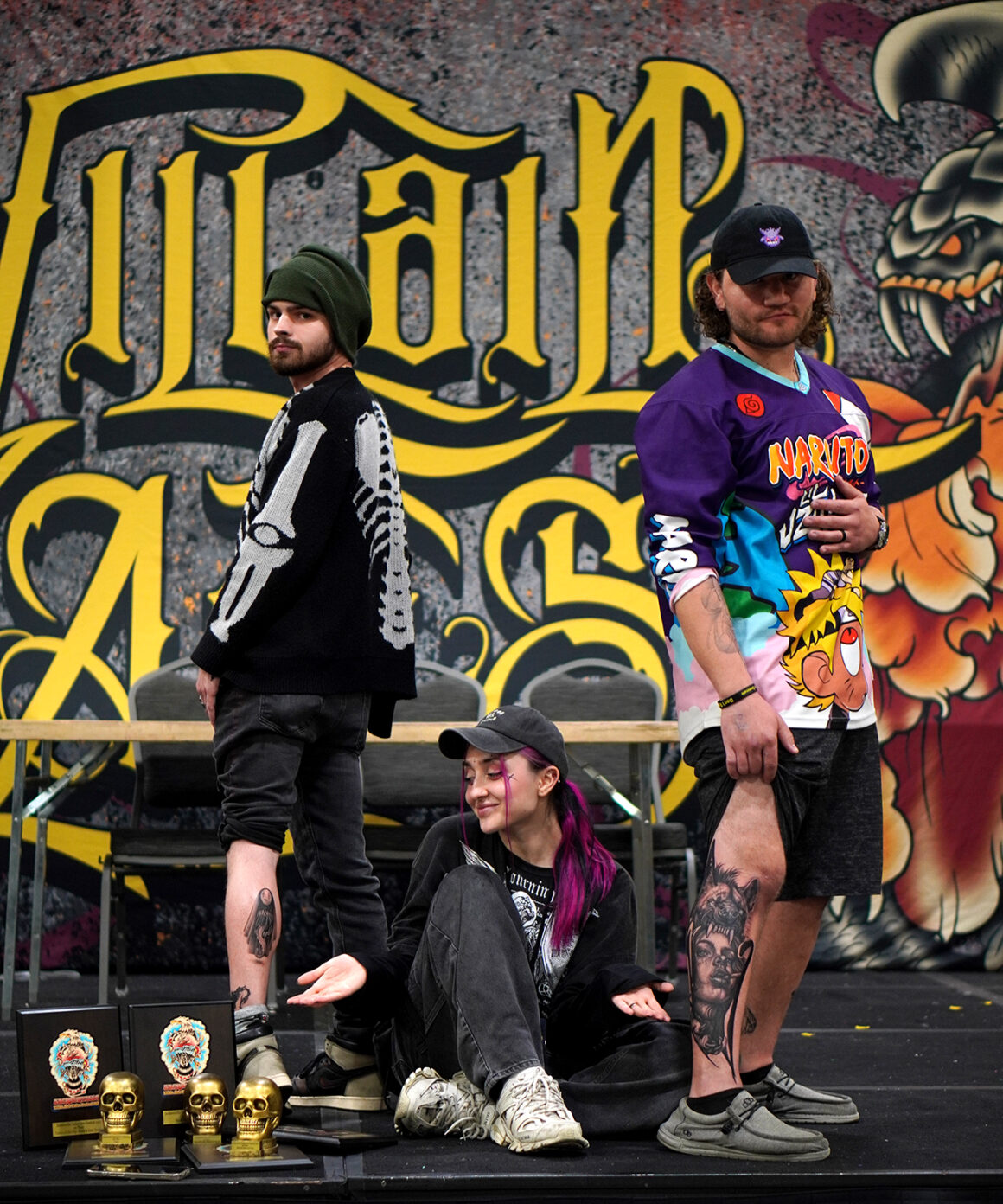
You work between Germany and the United States. How do you organize your life between these countries, and where do you work in each?
Currently, I work internationally as a guest tattoo artist. I travel regularly, collaborate with various tattoo studios, and divide my life between the United States and Europe. The United States holds a particularly important place in my professional career. In Florida, I established a strong base of returning clients, completed numerous large-scale projects, and developed valuable professional relationships within the tattoo industry. I also continue to work throughout Europe, including Germany, collaborating with studios and participating in professional events. Since many of my projects require multiple full-day sessions, organizing my schedule is an essential part of my work.
I try to plan my travels well in advance to ensure my clients have the opportunity to complete their larger projects while also allowing time for new international collaborations. This lifestyle requires a great deal of discipline and flexibility, but I truly appreciate the opportunity to work with people from different countries and cultures. International collaboration also allows me to constantly exchange knowledge with other professional artists and remain actively involved in the global tattoo community.
Do you have an idea of where you would like to settle and live in the future?
The United States holds a special place in both my personal life and professional career, so I see America as one of the main directions for my future development. During my years working in Florida, I established a loyal client base and built important professional relationships.
I see tremendous potential for further developing my artistic, educational, and creative projects in the American market.
At the same time, maintaining the international nature of my career is extremely important to me. I deeply appreciate the European tattoo industry, its artistic traditions, and its professional community. That’s why I plan to continue collaborating with European studios and participating in international tattoo conventions. My main goal is to establish a strong professional base while maintaining the freedom to travel, work with international clients, and develop projects across different countries. I believe that art should never be limited by geographical boundaries.
Are there any new projects or plans you’re currently working on for the near future?
At the moment, I’m actively working on several areas of my professional development. One of my main priorities remains creating large-scale original tattoo projects. I’m particularly interested in complex compositions that combine realism, vibrant colours, and elements of contemporary illustration. I’m constantly experimenting with artistic approaches and working to refine my own visual style. Another important direction for me is education.
I’m the founder of an online design school where more than 2,000 students have already completed their training.
In the future, I plan to expand my educational programmes, share my professional experience with an international audience, and create new learning opportunities for both aspiring and experienced artists. I’m also interested in continuing my involvement in international tattoo conventions, professional events, and projects that bring together artists from different countries. I’ve received awards at international tattoo conventions in Europe and the United States, and I’ve also been invited to serve as a judge at international tattoo conventions.
Moving forward, I want to continue developing not only as a practising artist but also as an industry expert who contributes to the professional community. I also dedicate significant attention to growing my social media presence and digital platforms. I see them as modern creative spaces that allow me to introduce tattoo art to a broad international audience and share the process behind complex artistic projects. My long-term goal is to continue developing my unique artistic style, strengthening international professional connections, and sharing my knowledge with the next generation of tattoo artists.