



In Bergamo, Accademia Carrara retraces the history of the world’s most mysterious cards. Ancestral symbols, archetypal figures, and images filled with tiny details have shaped the meaning of Tarot cards over centuries.
Death, Strength, and the Wheel of Fortune are subjects that have fascinated humanity for generations, becoming messengers of future events, with images unchanged for centuries while their meanings multiplied and transformed across time and societies. From aristocratic game they became a popular street pastime; from divinatory tool they evolved into a field of artistic experimentation: every era rewrote the meaning of Tarot cards, yet their original form remained unchanged.
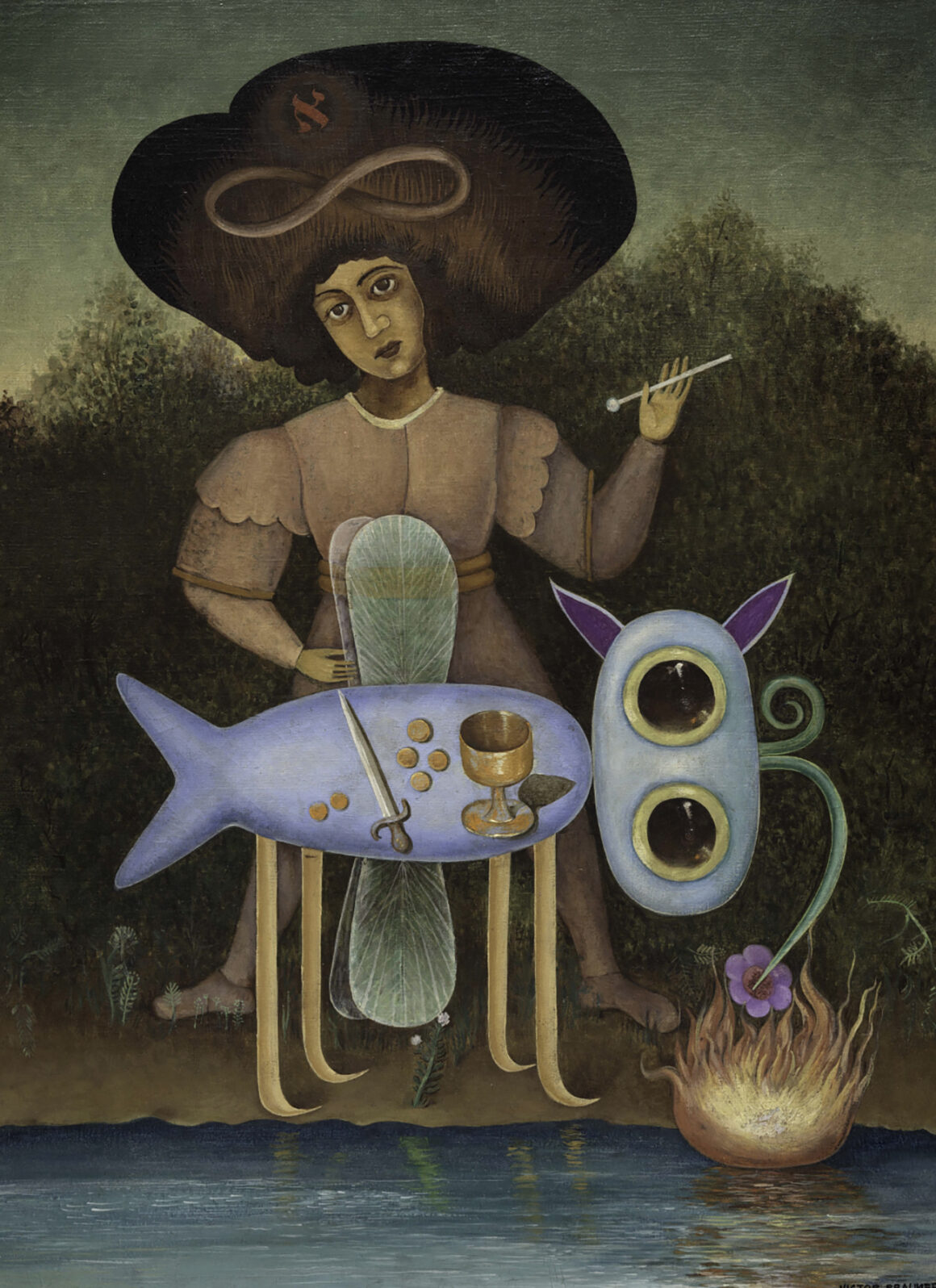
For the first time, Accademia Carrara tells their story with the exhibition Tarot. Origins, Cards, Fortunes (until 2nd of June 2026) a visual journey where, from the fourteenth century onward, esotericism, surrealism, ancestral imagery, and much more intertwine across seven centuries, reaching all the way to contemporary art.
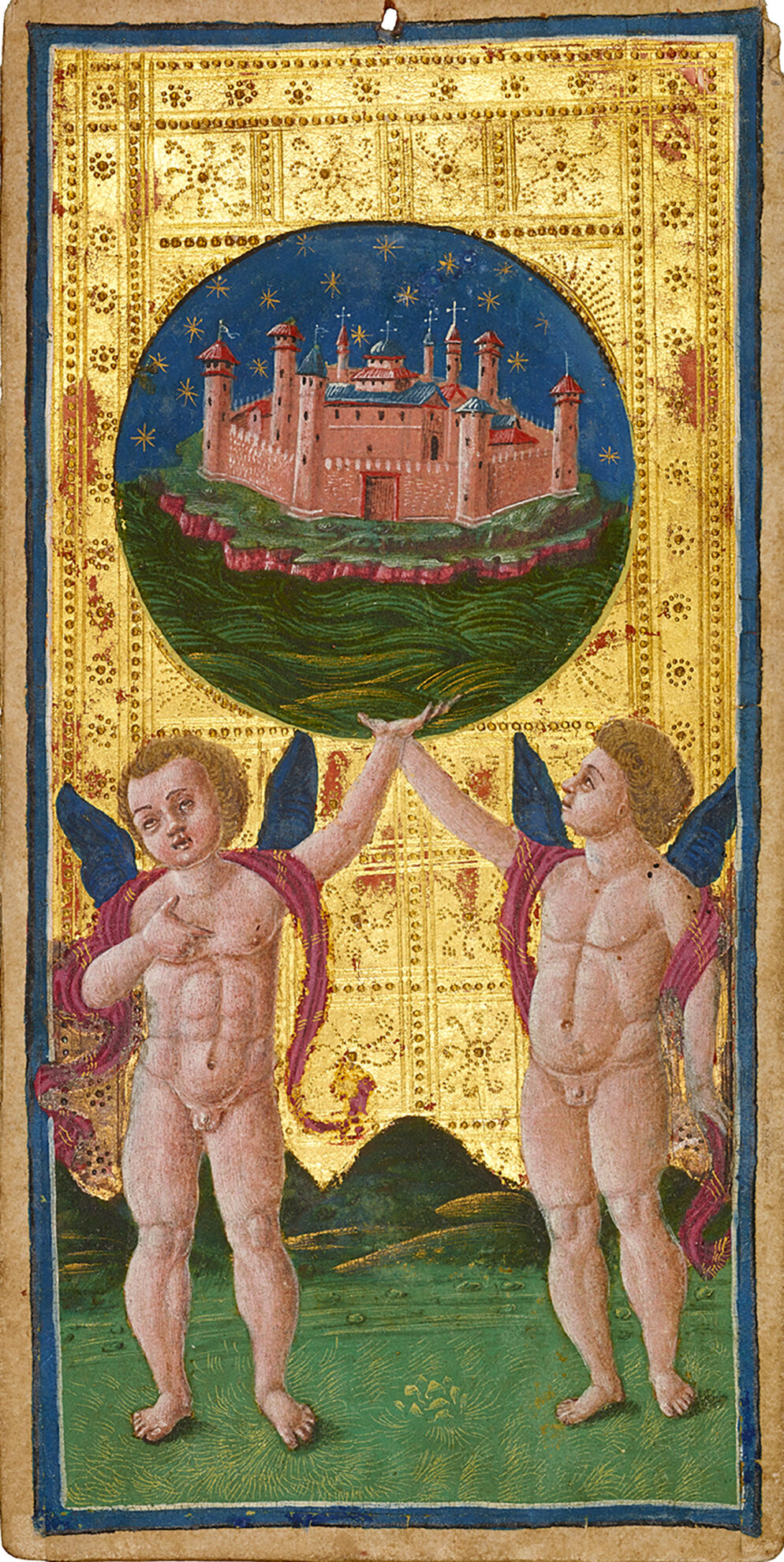
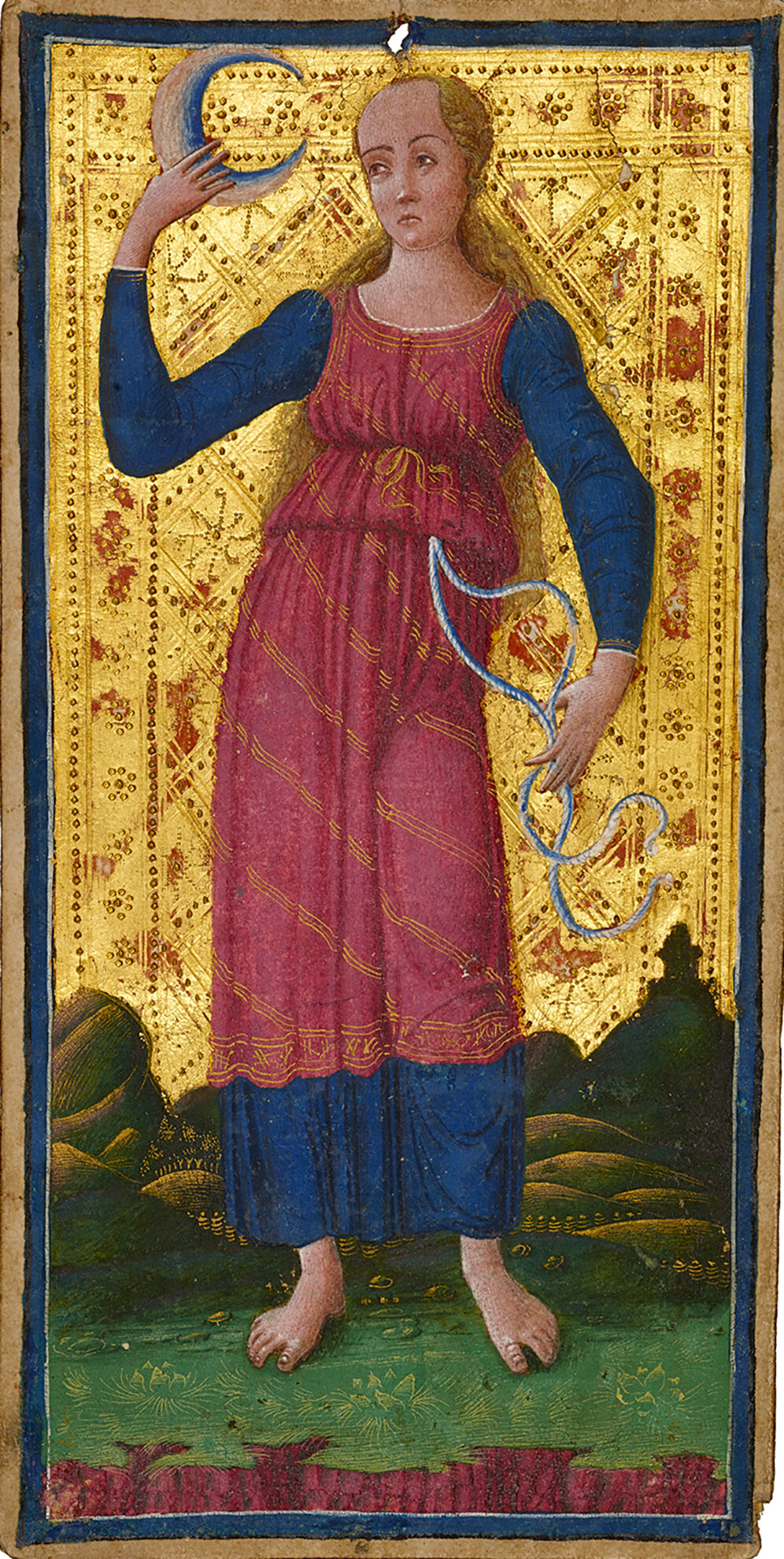
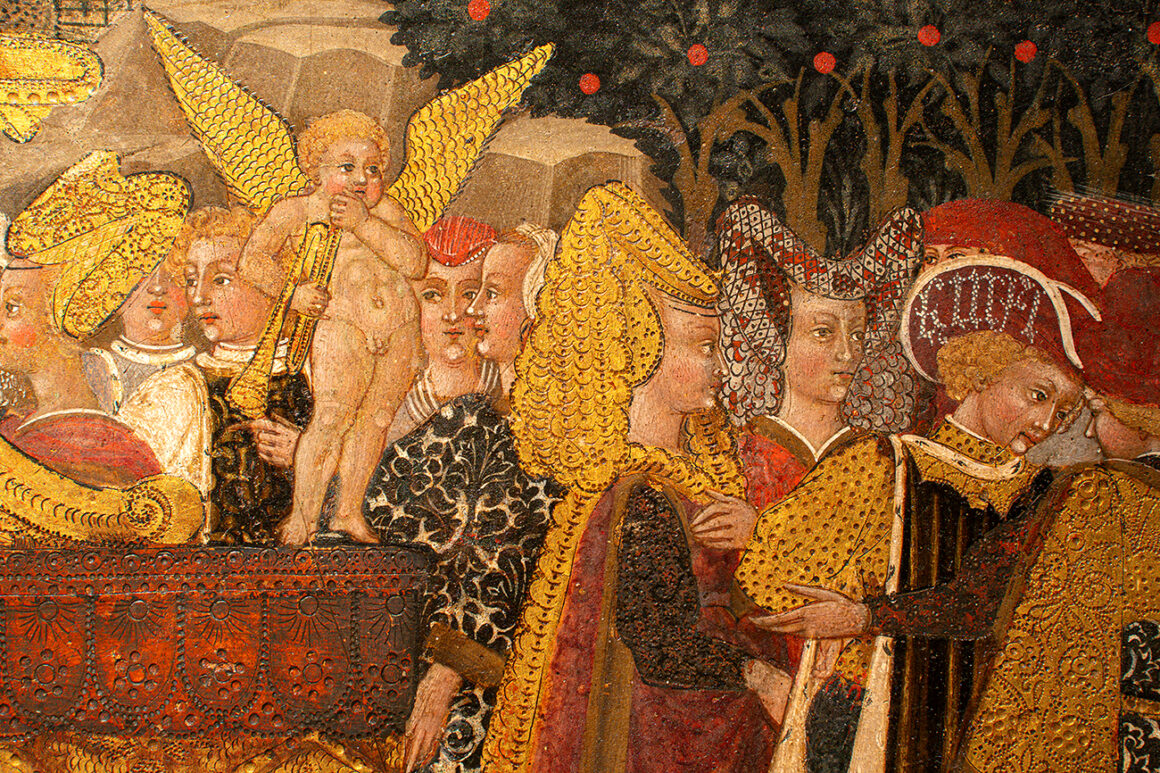
Playing cards themselves have a fascinating history of their own. They arrived in Europe in the second half of the fourteenth century, most likely via Egypt and Spain. In the courts of Northern Italy they immediately became luxury objects, exquisite miniatures painted by highly skilled artists
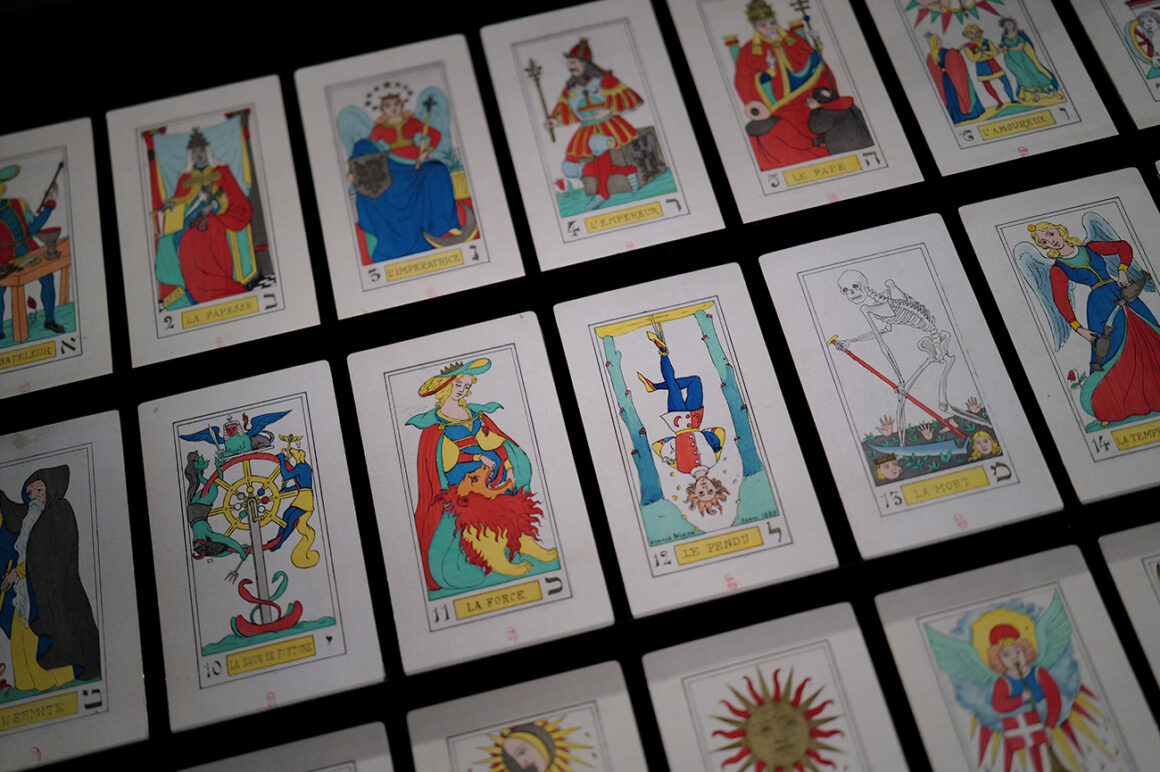
It was here, around the middle of the fifteenth century, that Tarot cards as we know them were born: 78 cards divided into the Minor Arcana (56 cards in four suits) and the 22 Major Arcana, those human and symbolic figures — the Magician, the High Priestess, the Hanged Man, the World — that still dominate the collective imagination and the visual language of esotericism and mystery.
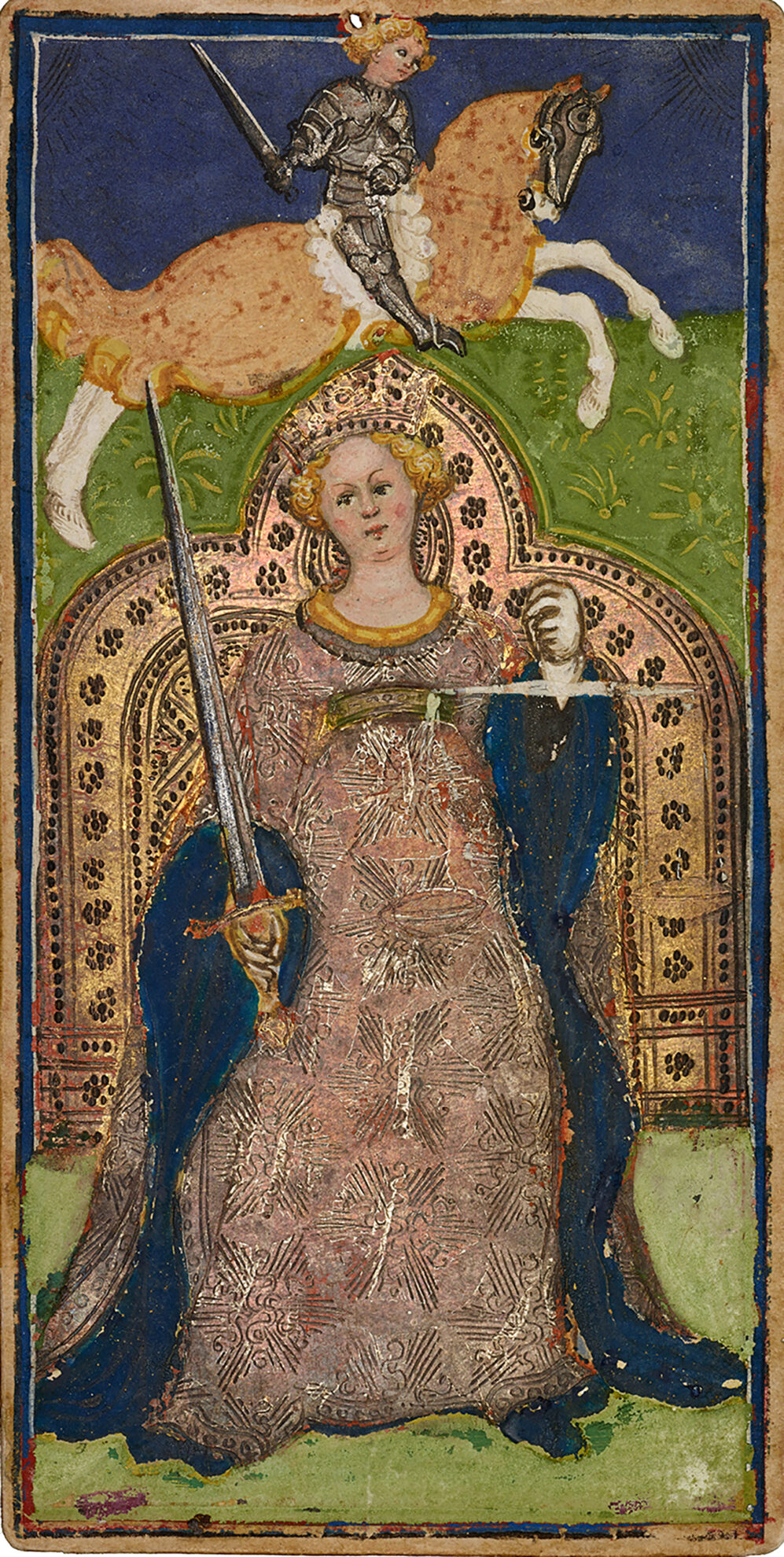
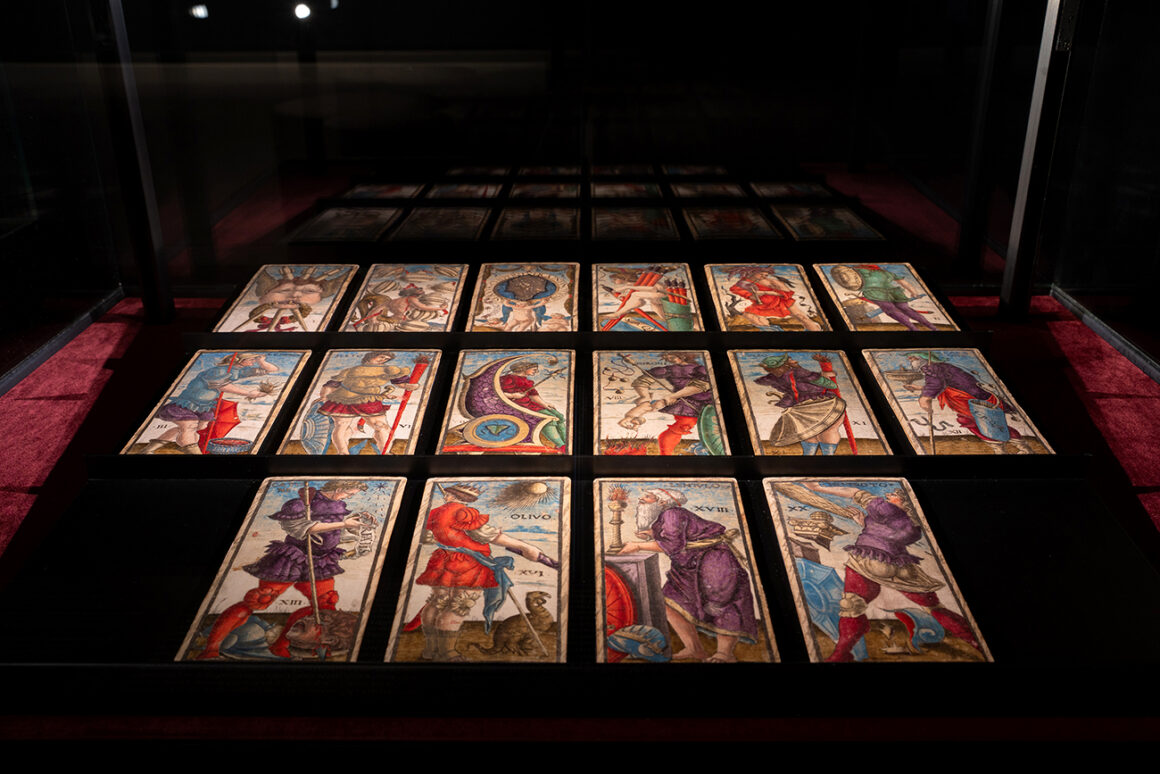
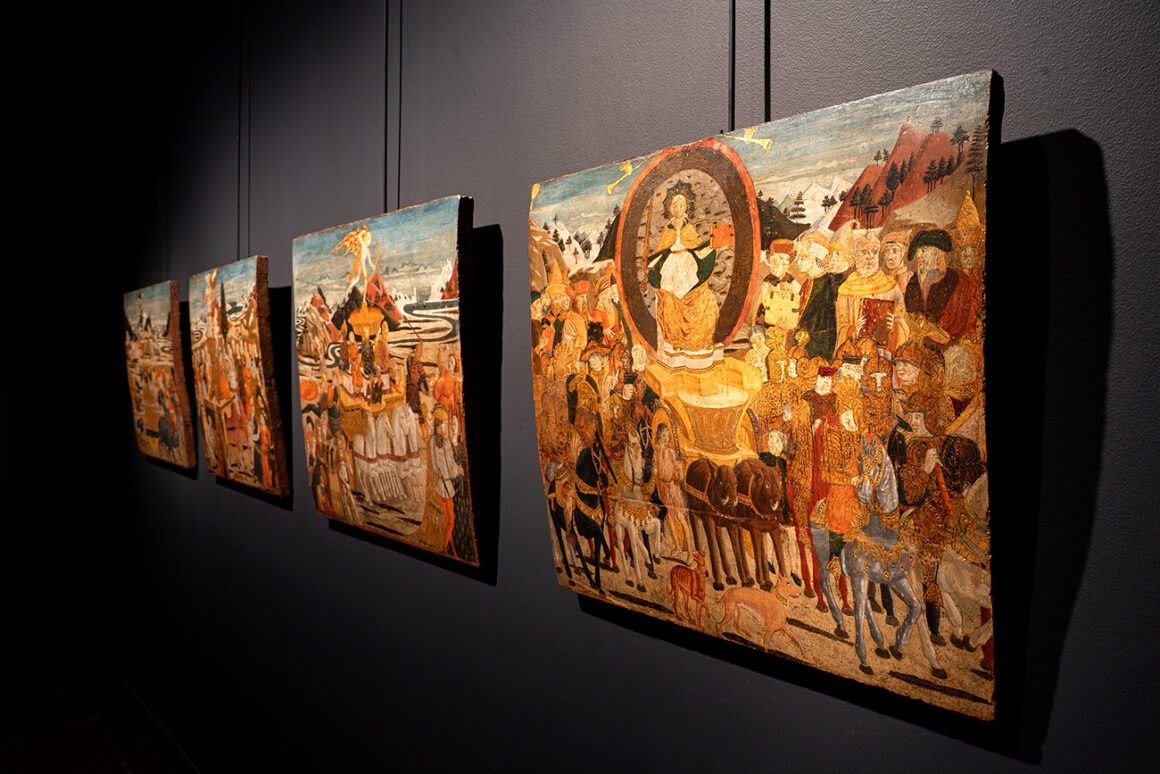
At the heart of the exhibition is the extraordinary reunion, after one hundred years of separation, of the 74 cards of the Colleoni Deck, the most complete among the fifteenth-century decks, preserved between Bergamo, the Morgan Library & Museum, and a private collection. The Colleoni Deck was created by Bonifacio Bembo on commission from Francesco Sforza. Six cards were added later, probably by Antonio Cicognara. Tempera, ink, gold, and silver are masterfully combined on cardboard, each card measuring the unique size of 176 x 87 mm.
The exhibition also dedicates an entire section to artists’ Tarot decks. In the twentieth century, the Surrealists — from André Breton to Max Ernst, from André Masson to Victor Brauner — rediscovered Tarot as an inexhaustible source of visual inspiration, intertwining it with psychoanalysis and myth while further illuminating the esotericism hidden within the cards. The famous Jeu de Marseille, created in 1941 by the Surrealist group in exile, represents one of the highest moments of this rediscovery.
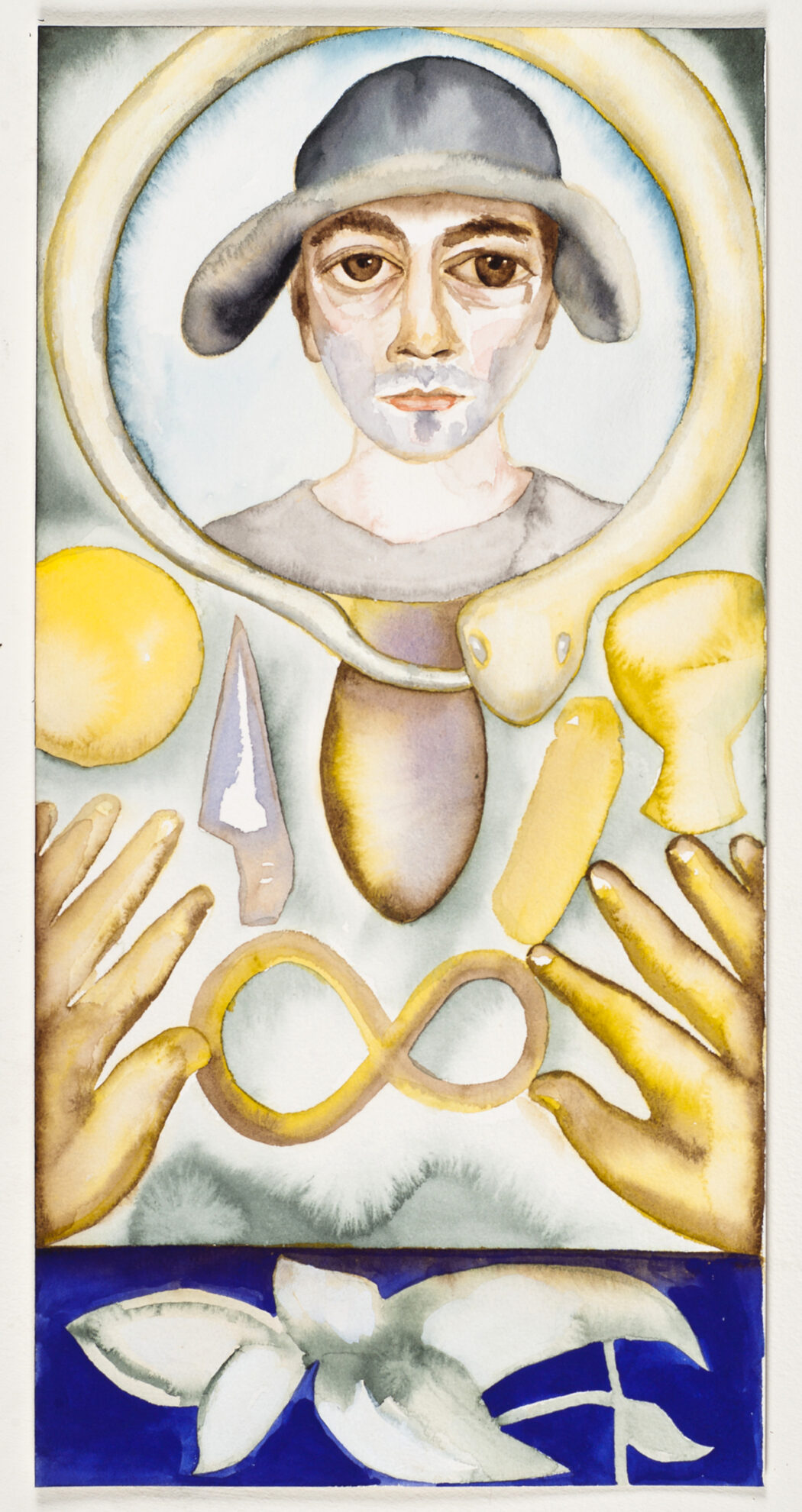
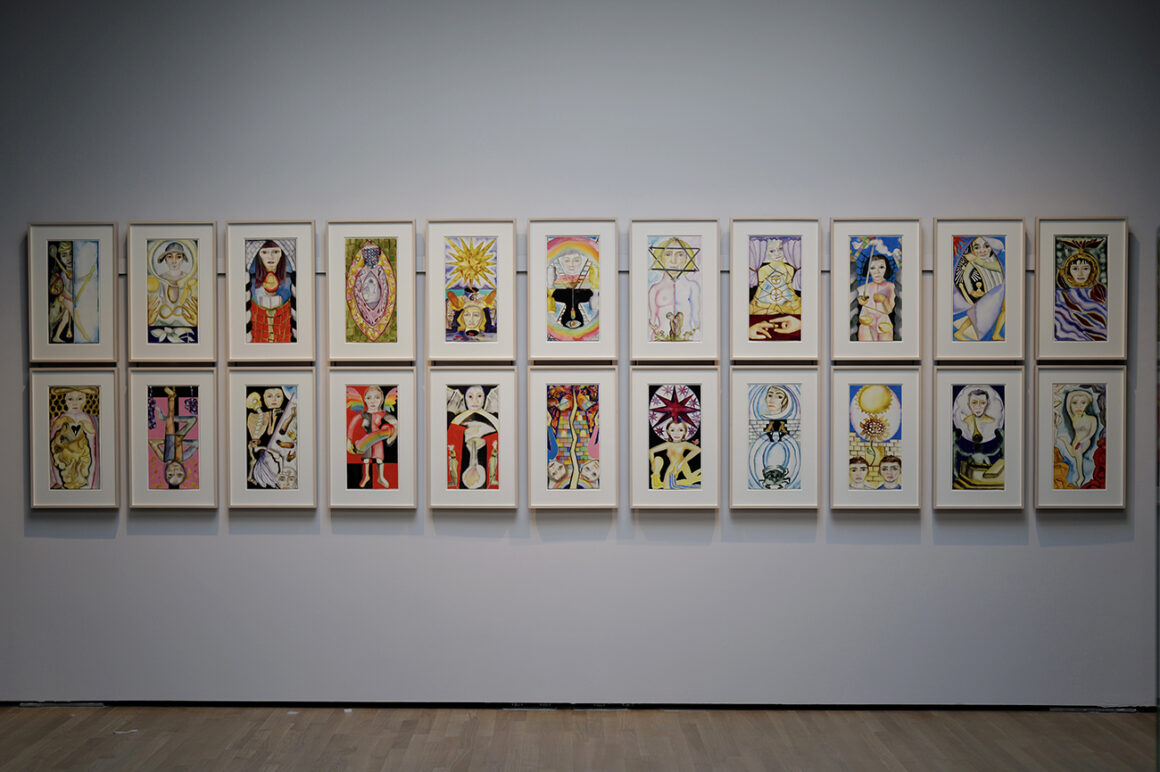
Leonora Carrington designed her original Tarot deck in 1955, now reproduced in the exhibition. Niki de Saint Phalle even dedicated an entire garden of monumental sculptures to Tarot in Tuscany: the Giardino dei Tarocchi. Between 2008 and 2011, Francesco Clemente created 22 watercolours inspired by the Major Arcana, transforming each card into the portrait of a real person: from Philip Glass for Judgement, to Jasper Johns for the Pope, and Fran Lebowitz for Justice.
From June onward, the museum’s PwC Gardens will host the sculpture Strength by Chiara Camoni: a woman and a lioness shaped from the same dark material, inspired by card XI of the Major Arcana. A work that speaks of strength not as domination, but as belonging to the very same substance of the world.
curated by Paolo Plebani
Bergamo, until 2 June 2026
Accademia Carrara in partnership with the Morgan Library & Museum, New York