
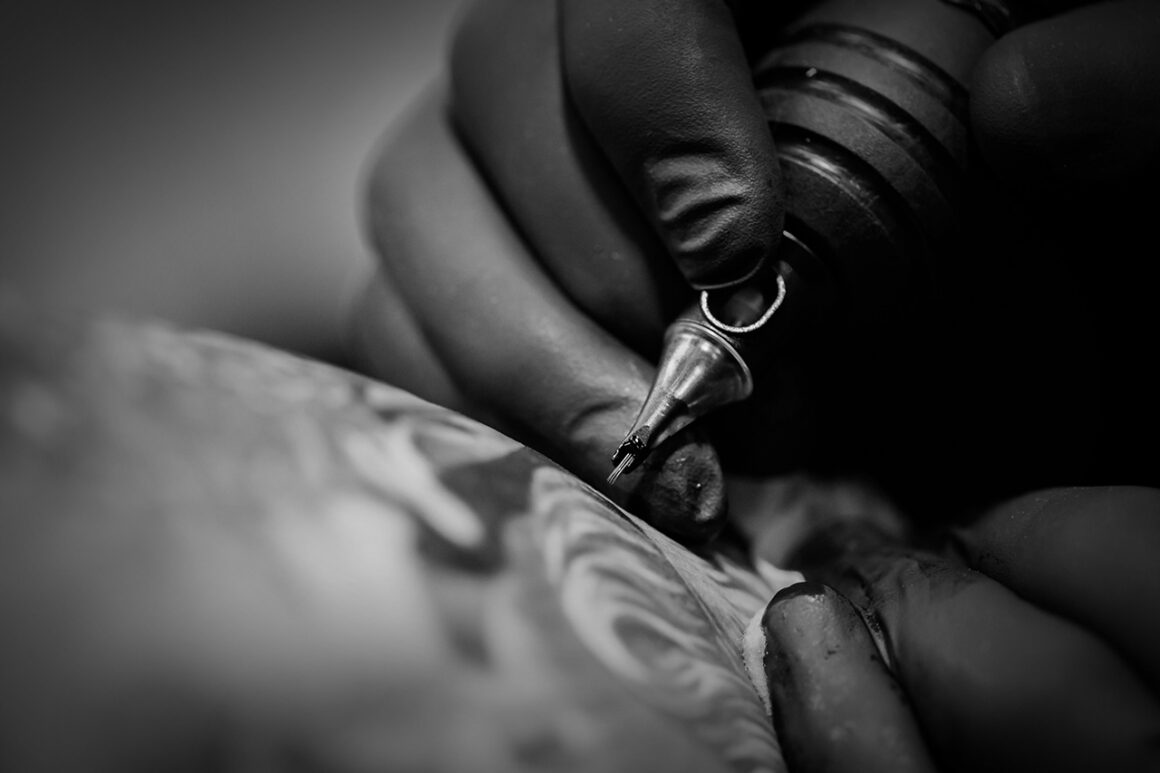

At its fourth edition, Gods of Ink confirms itself as much more than a convention: it is a privileged observatory on the present of tattooing and, in some ways, on the present of the world itself. From April 17 to 19, 2026, Hall 1.2 of Messe Frankfurt was transformed into a global crossroads, bringing together around 400 of the world’s best tattoo artists, each carrying their own vision, technique, and story.
Created and directed by Miki Vialetto, one of the most recognizable figures in the tattoo world, the event continues to stand out for its exceptionally high-quality identity and the standards that make it unique. Yet what emerges even more strongly, year after year, is the cultural message that tattooing conveys.
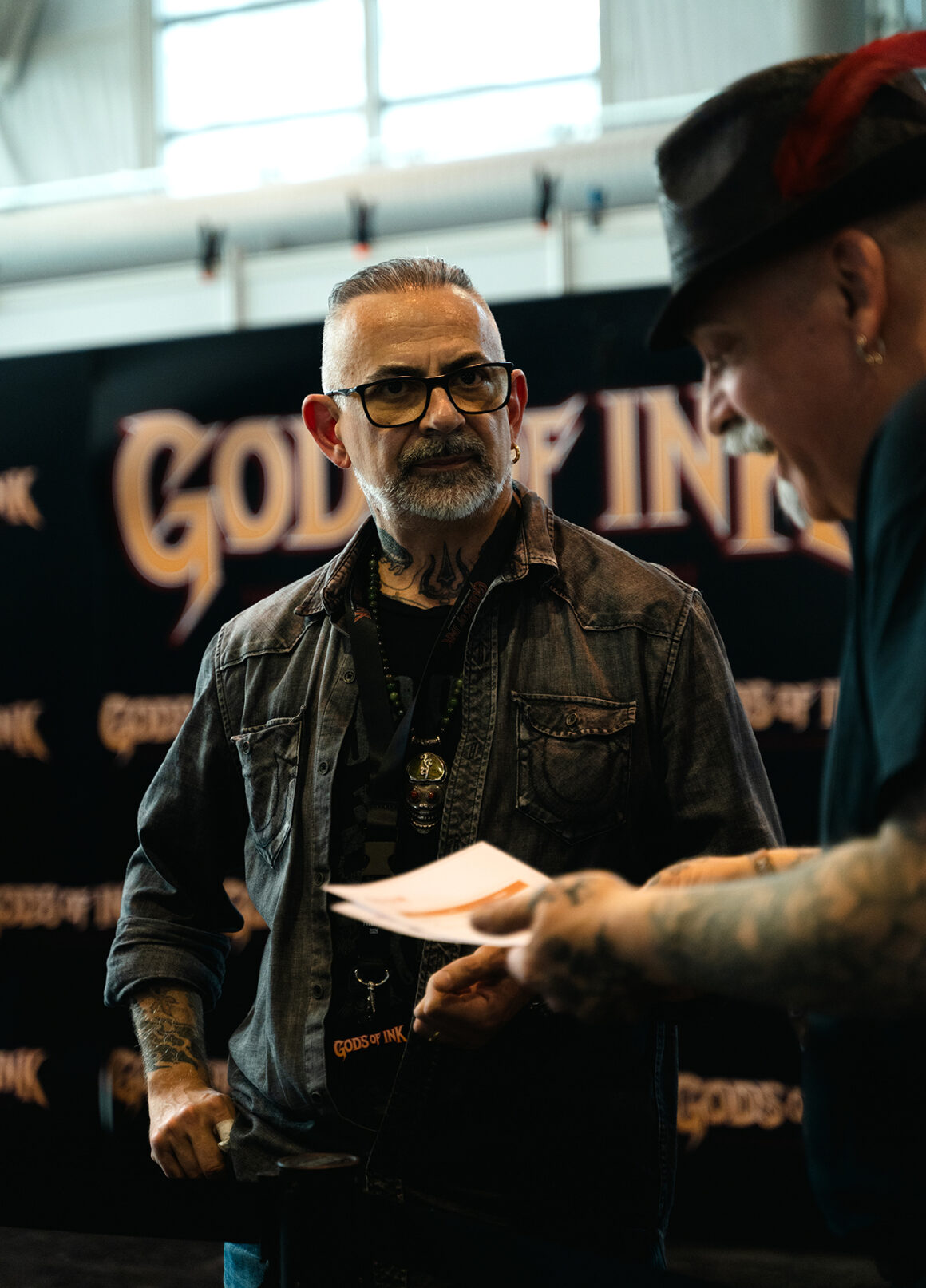
In a historical moment marked by geopolitical tensions and difficulties that have not spared even the tattoo world—a deeply interconnected, global industry where travel and movement across continents are part of everyday life—many obstacles made it impossible for several artists to reach Frankfurt, from strikes to flight cancellations and soaring costs.
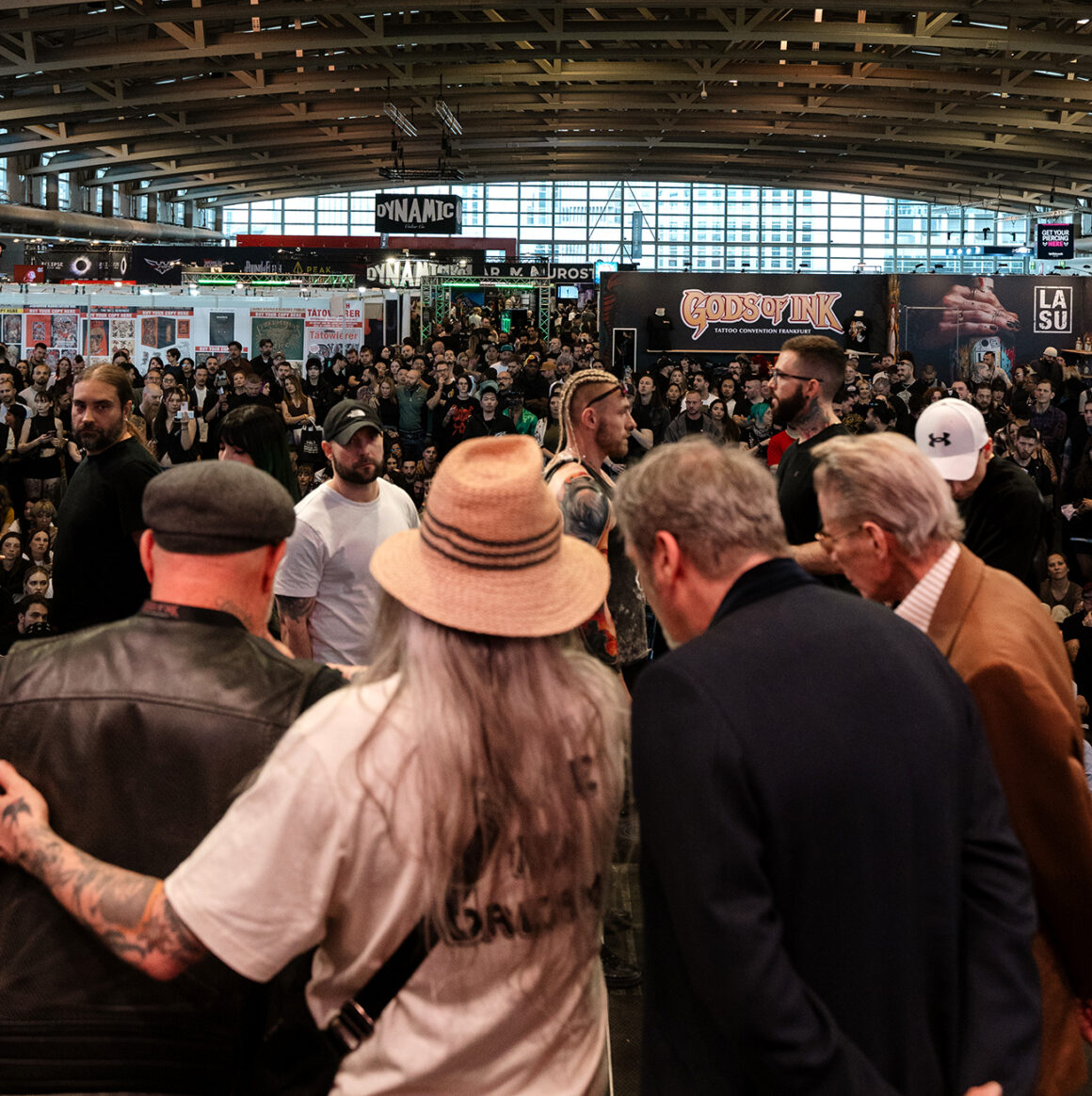
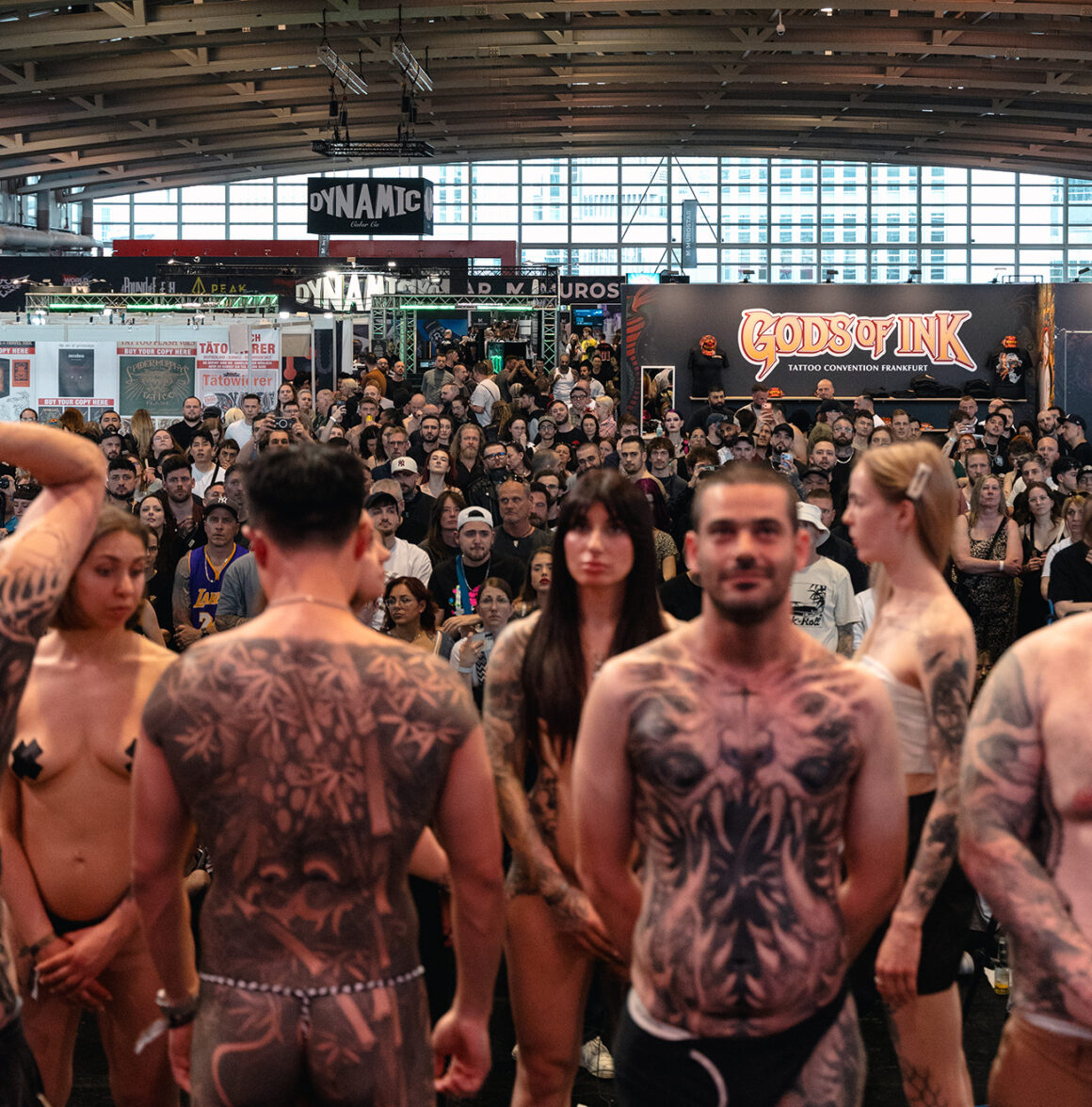
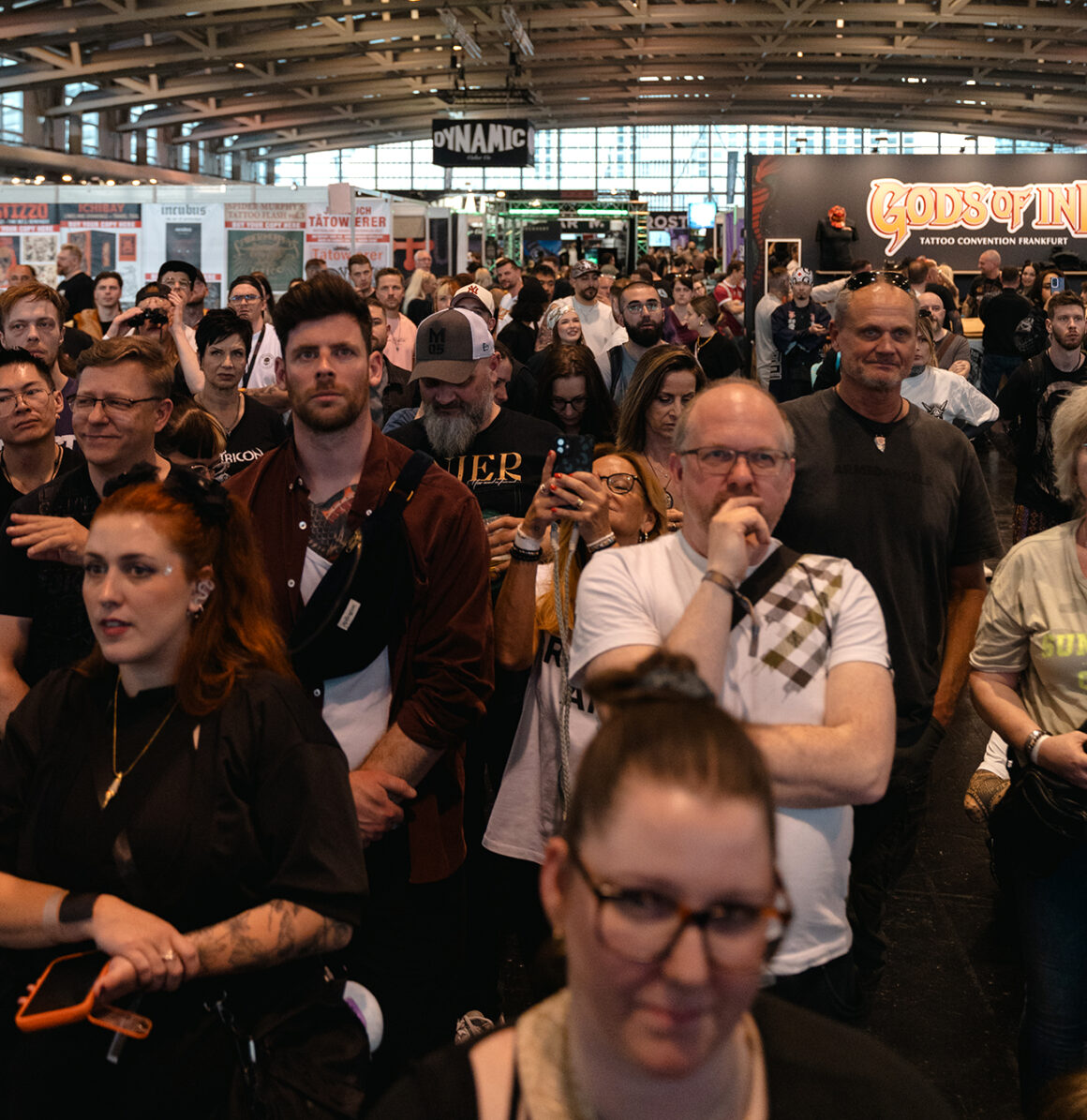
Still, Gods of Ink, fueled by the energy of all its participants, proved how it is still possible to create a shared space. An “interspace,” one might call it, where artists from all over the world meet, collaborate, and exchange: from the American West Coast to the East Coast, from Japan to Korea, many overcame distances and challenges just to be there.
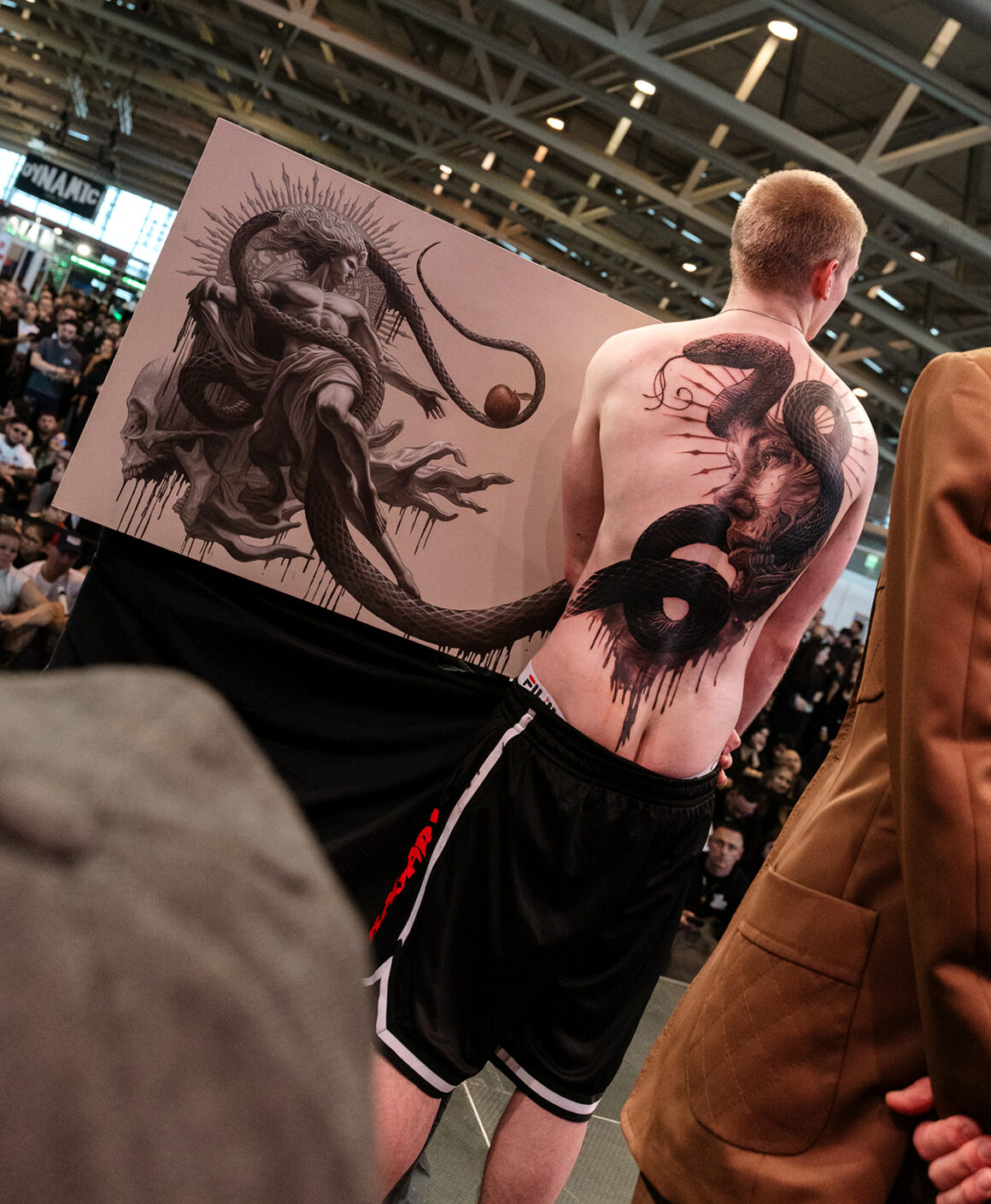
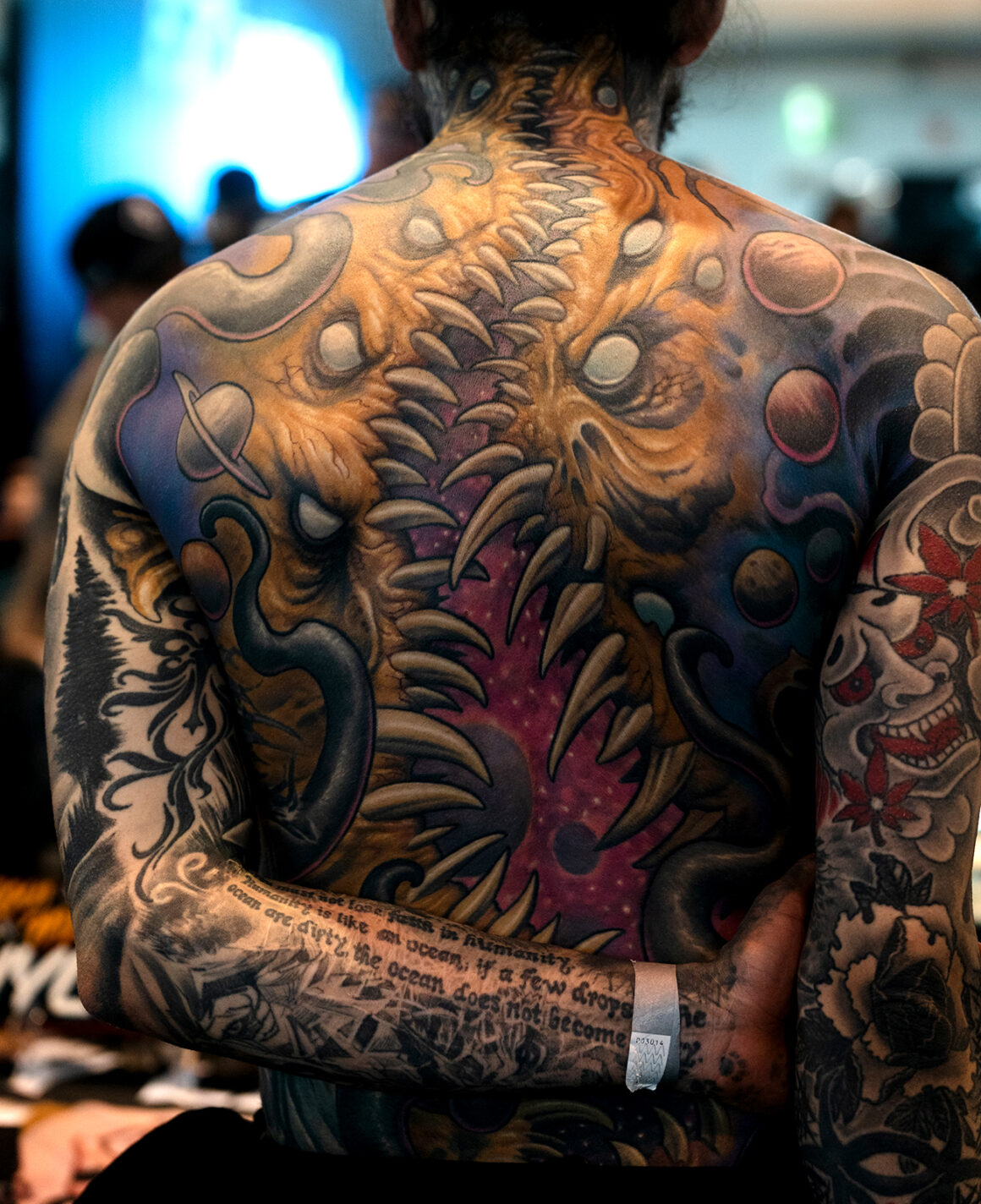
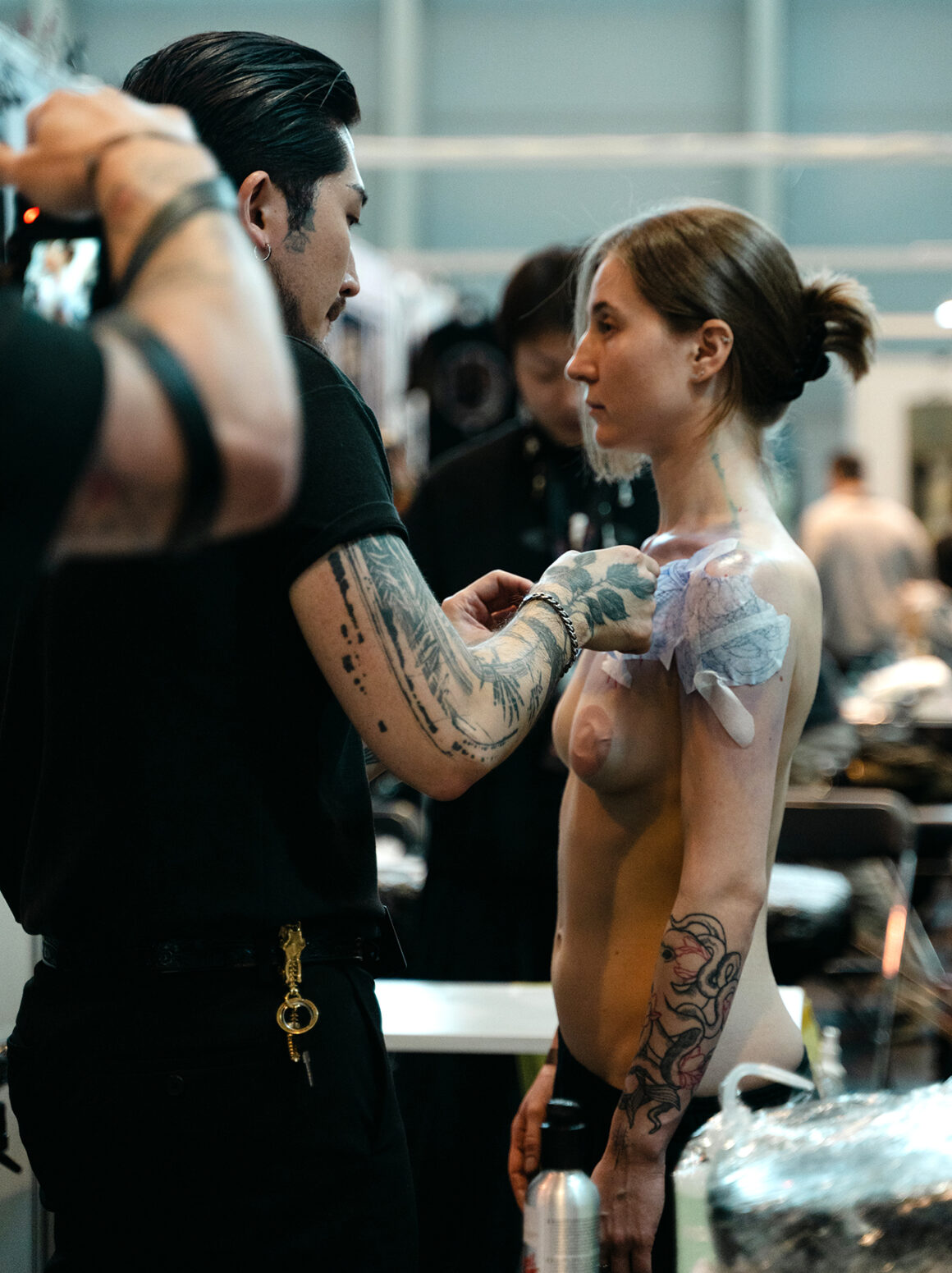
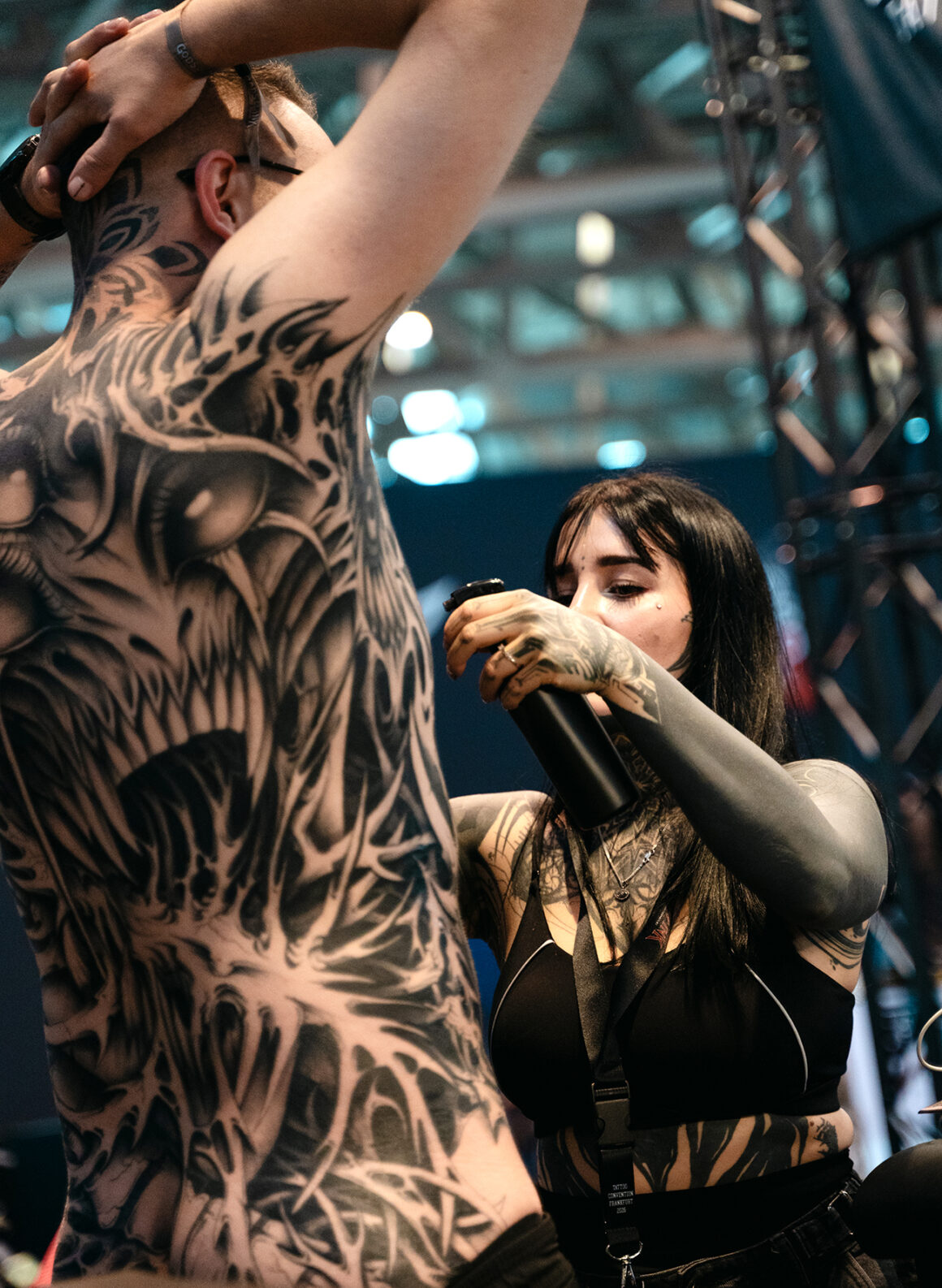
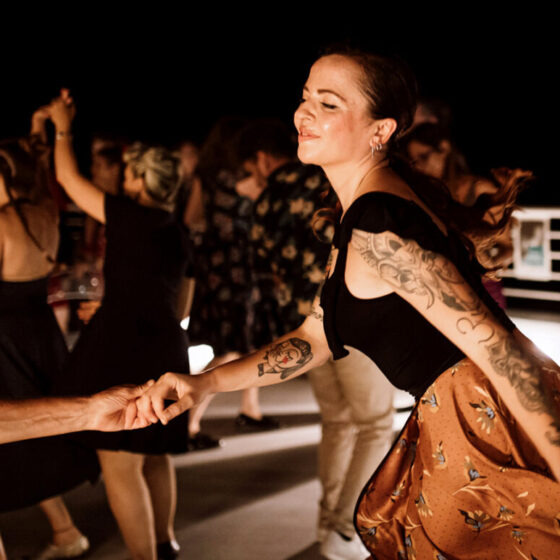
It is precisely here that tattooing reveals what it truly is today: one of the few environments where diversity is not only accepted but stands at the very core of the system. Freedom of expression, individuality, and respect become tangible values, visible on people’s skin. There is no other creative field in which personal identity finds such a direct and powerful expression.
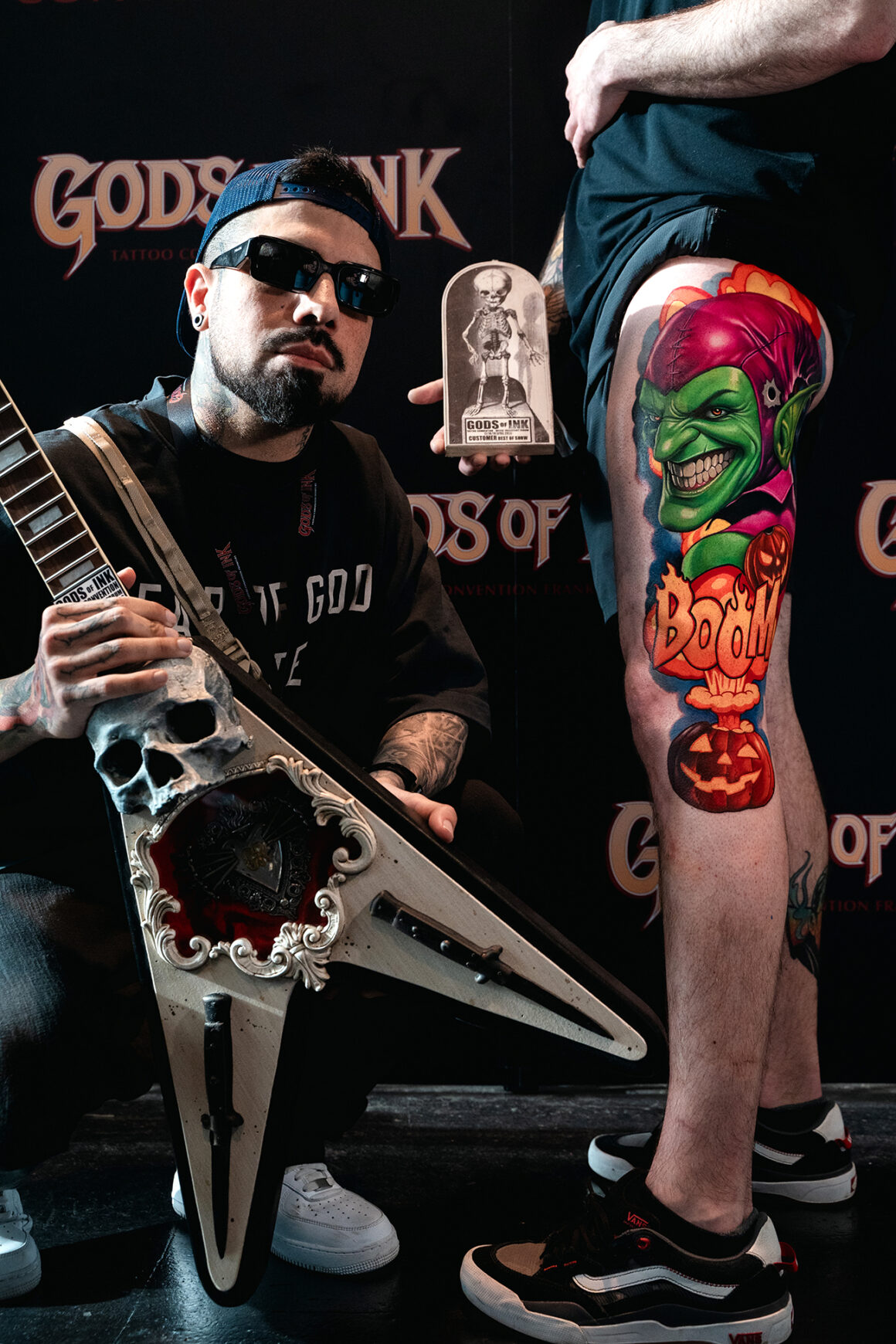
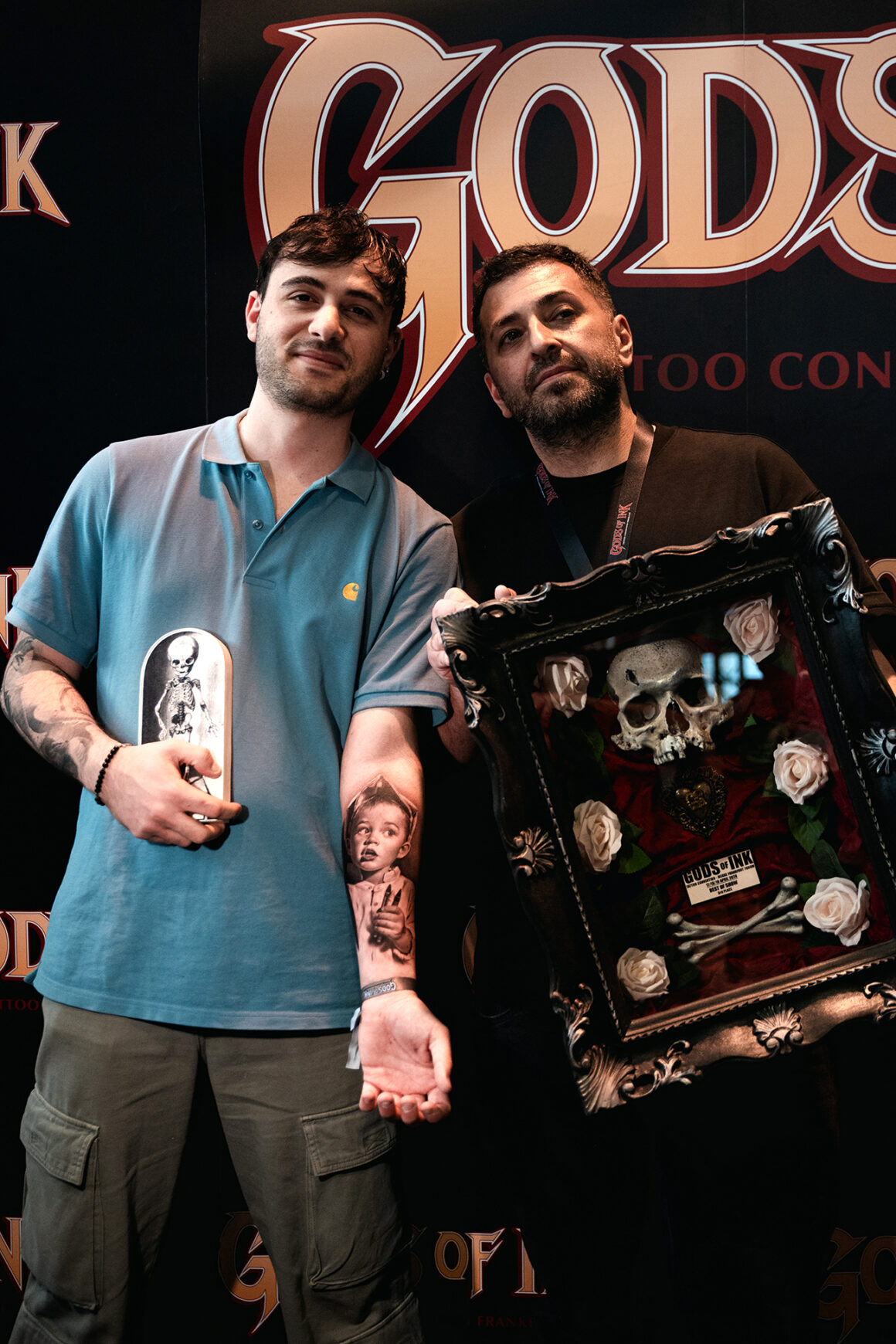
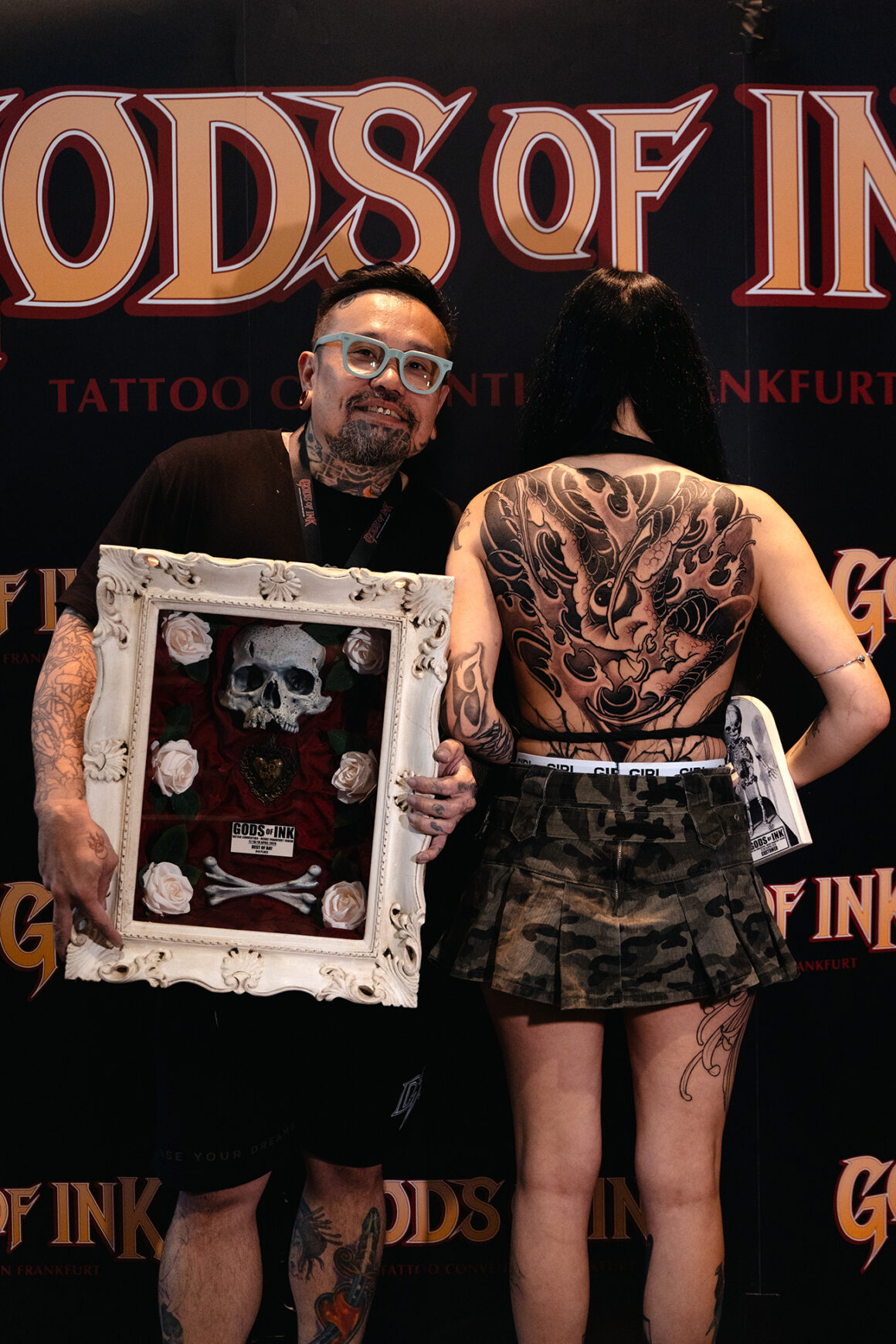
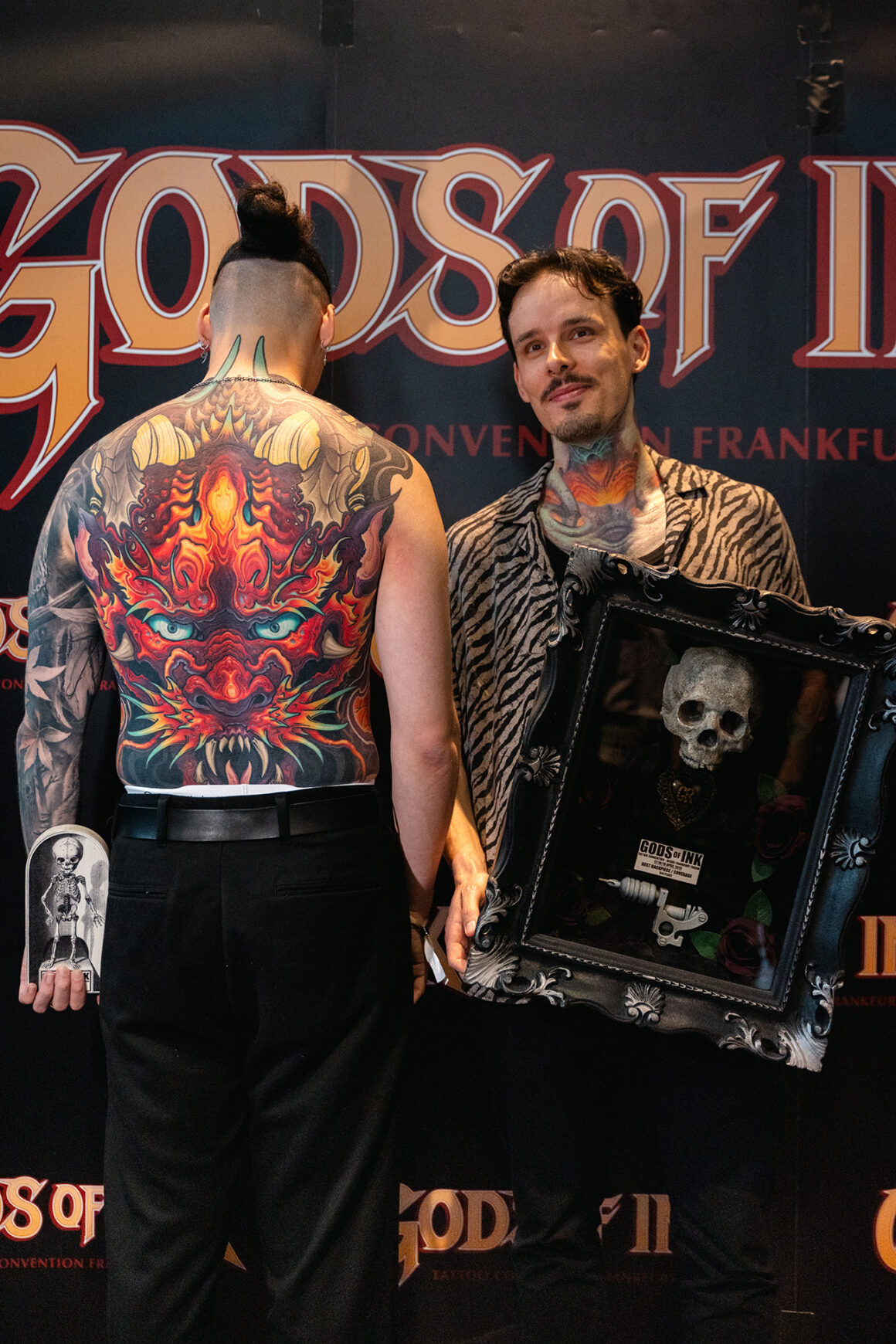
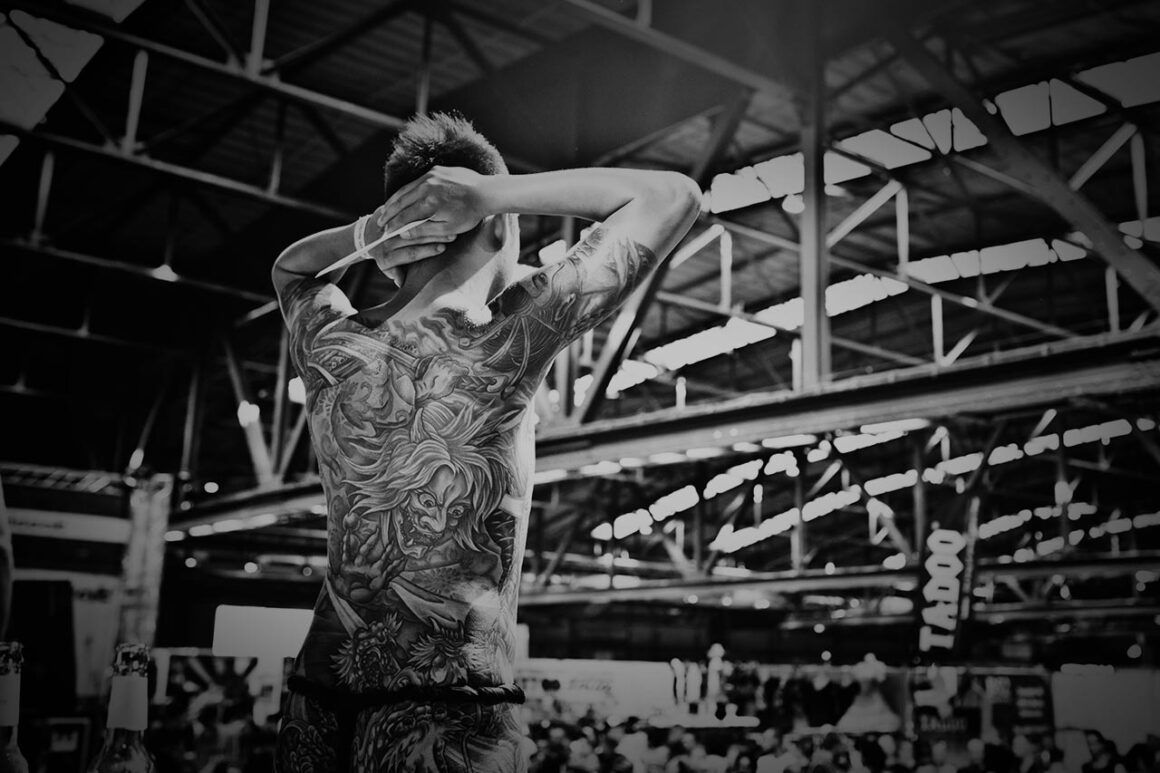
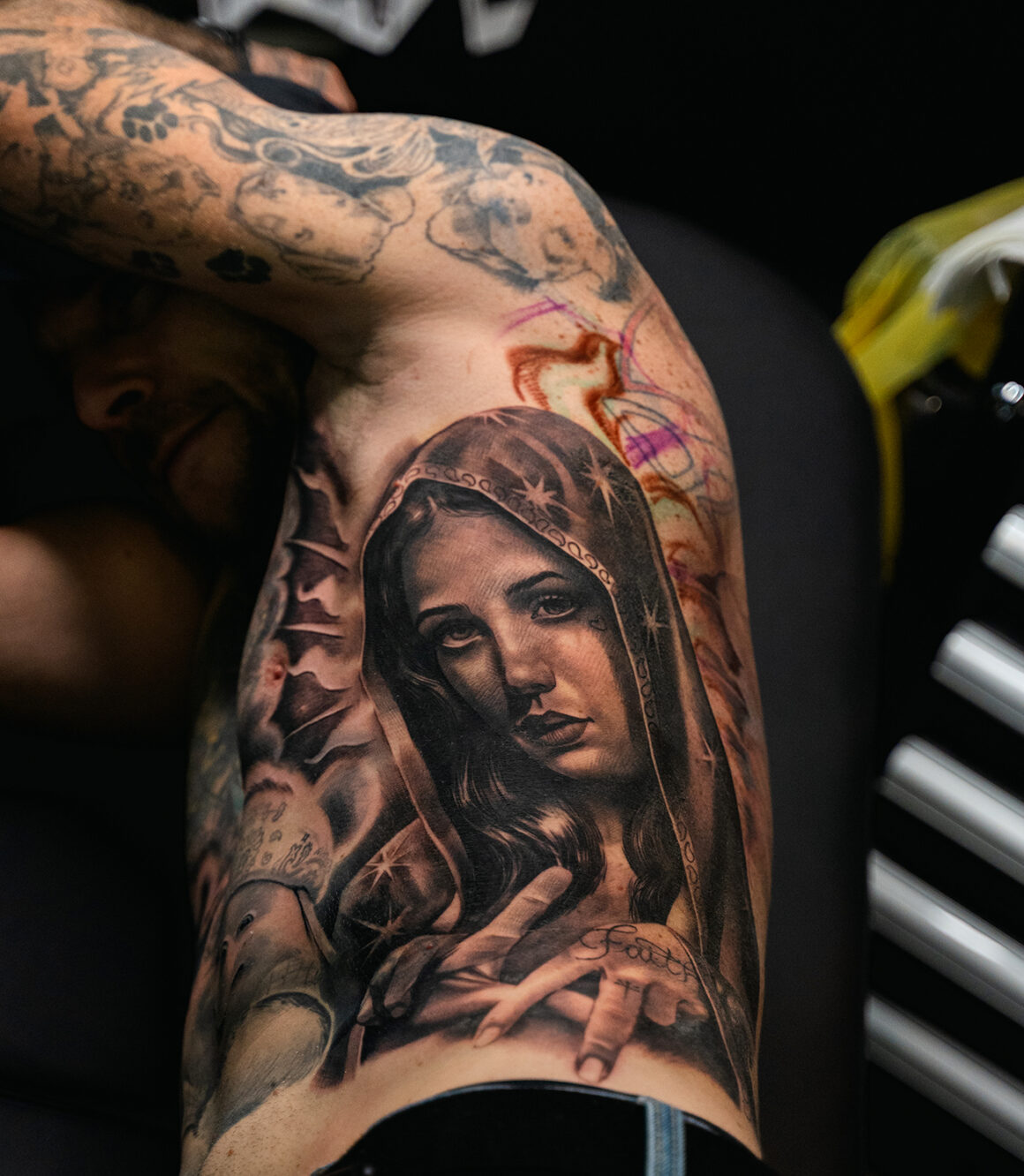
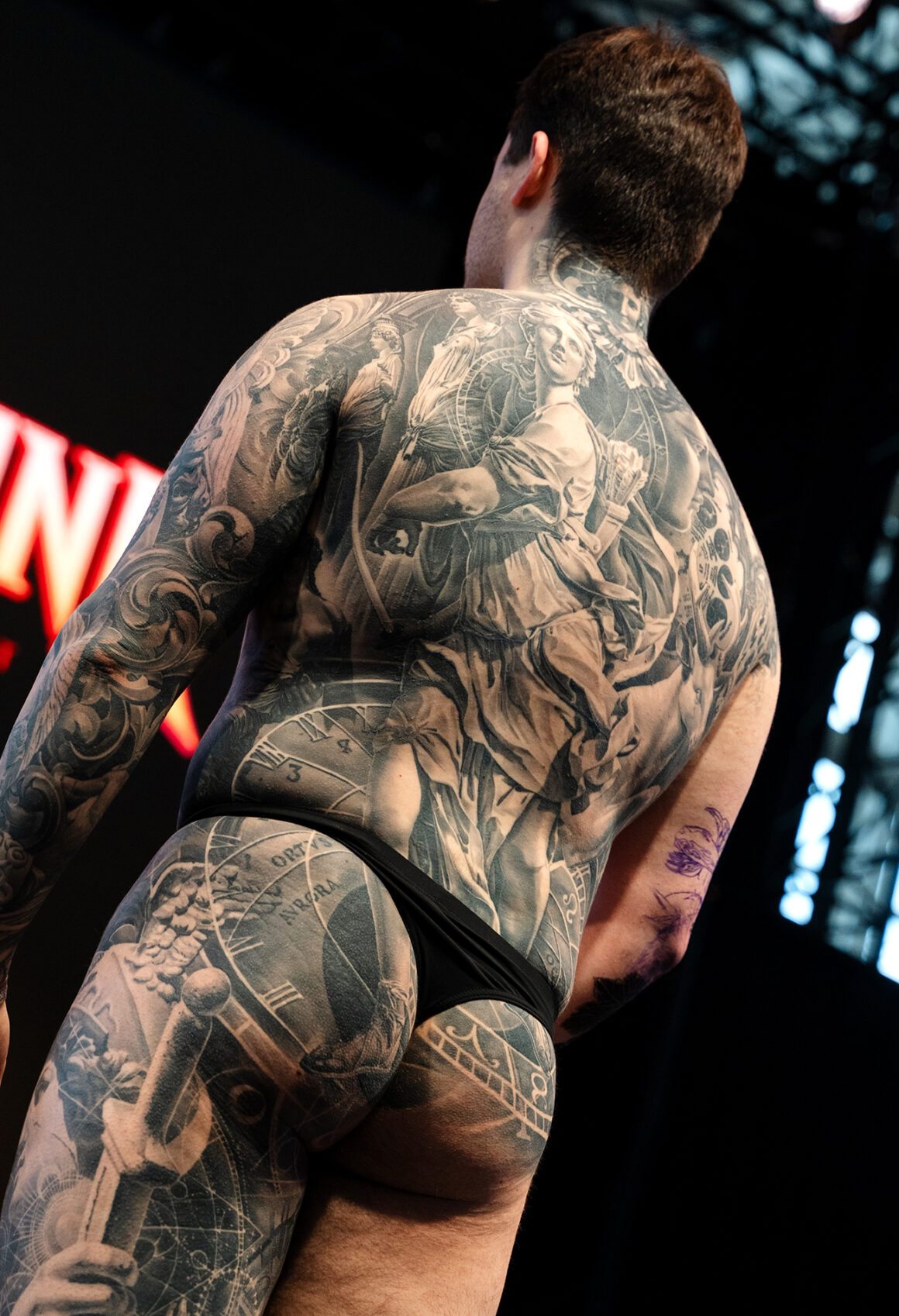
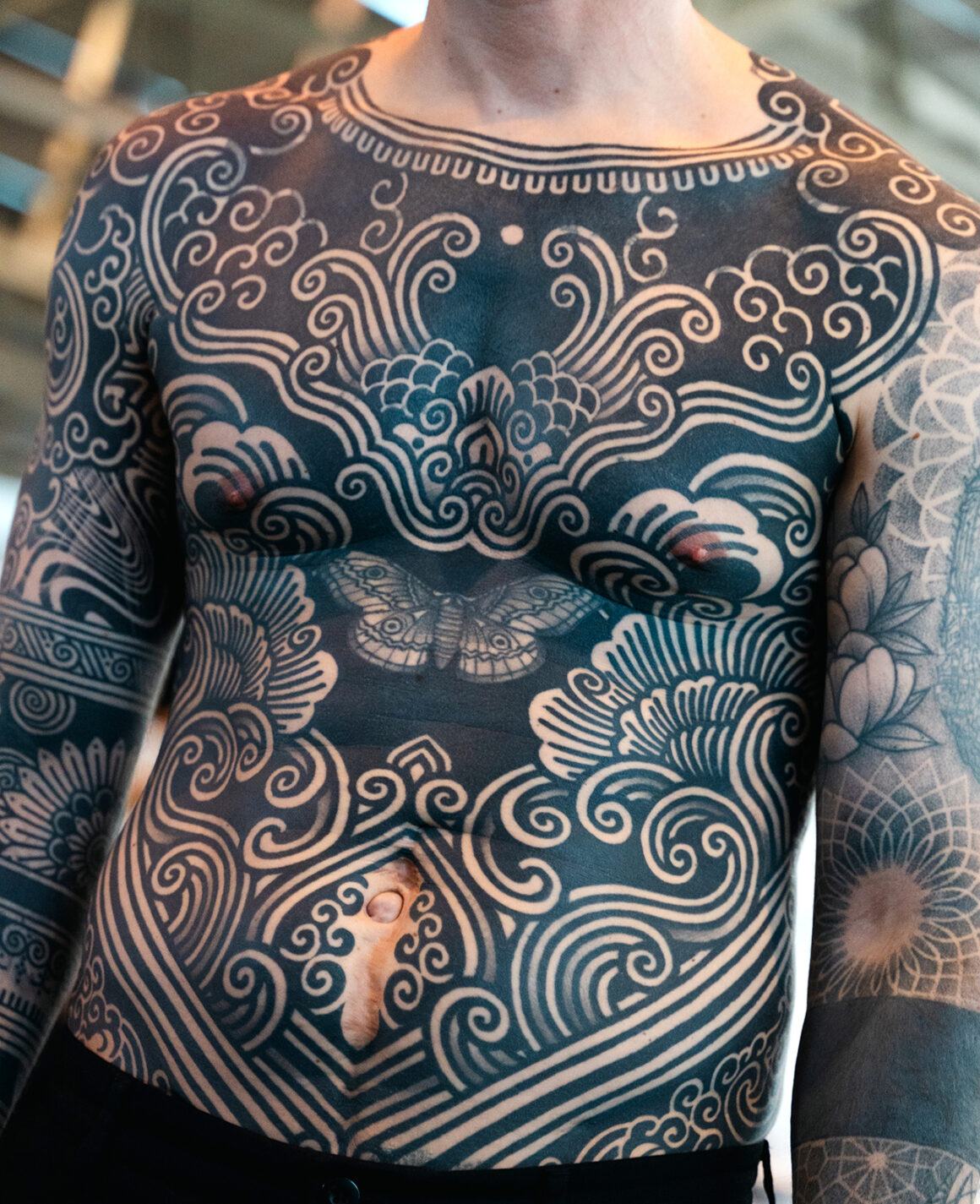
From this freedom come the works that dominate Gods of Ink: bodysuits that turn the human body into perfect geometric compositions, or into windows opening onto natural landscapes; figures that transform human beings into warriors, animals, or even into universes made of planets and cosmic visions. Each work is a story, each body a complex narrative.
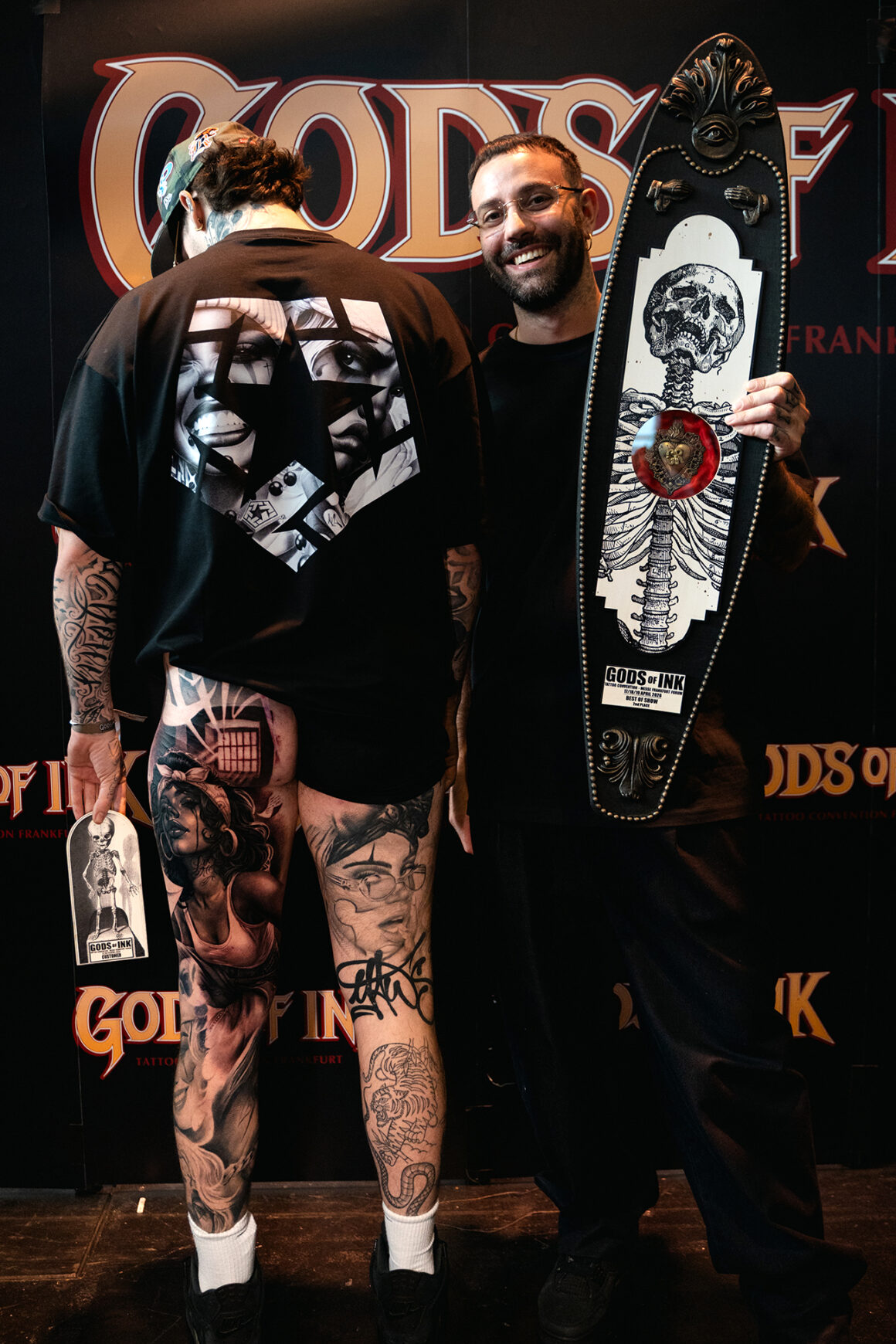
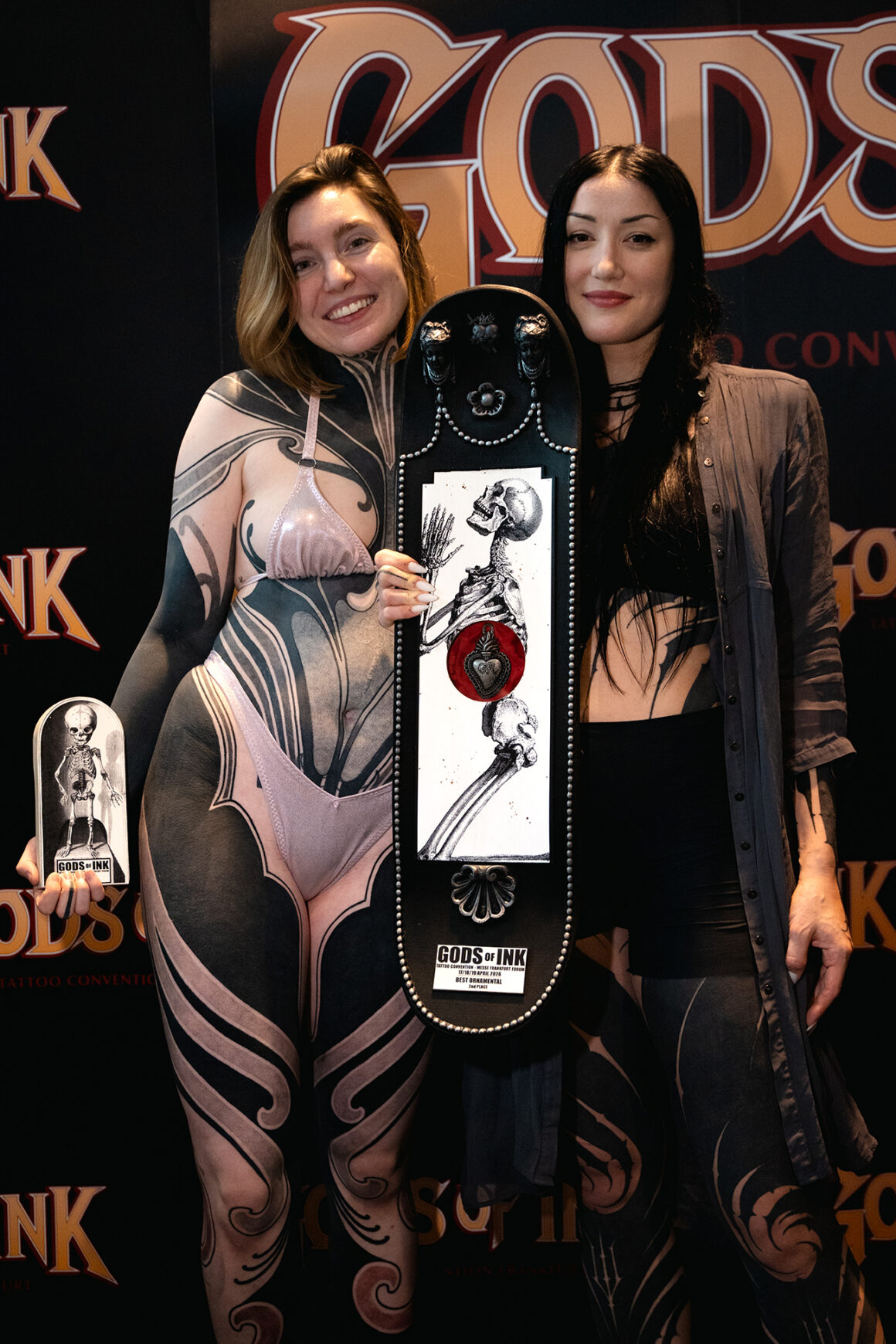
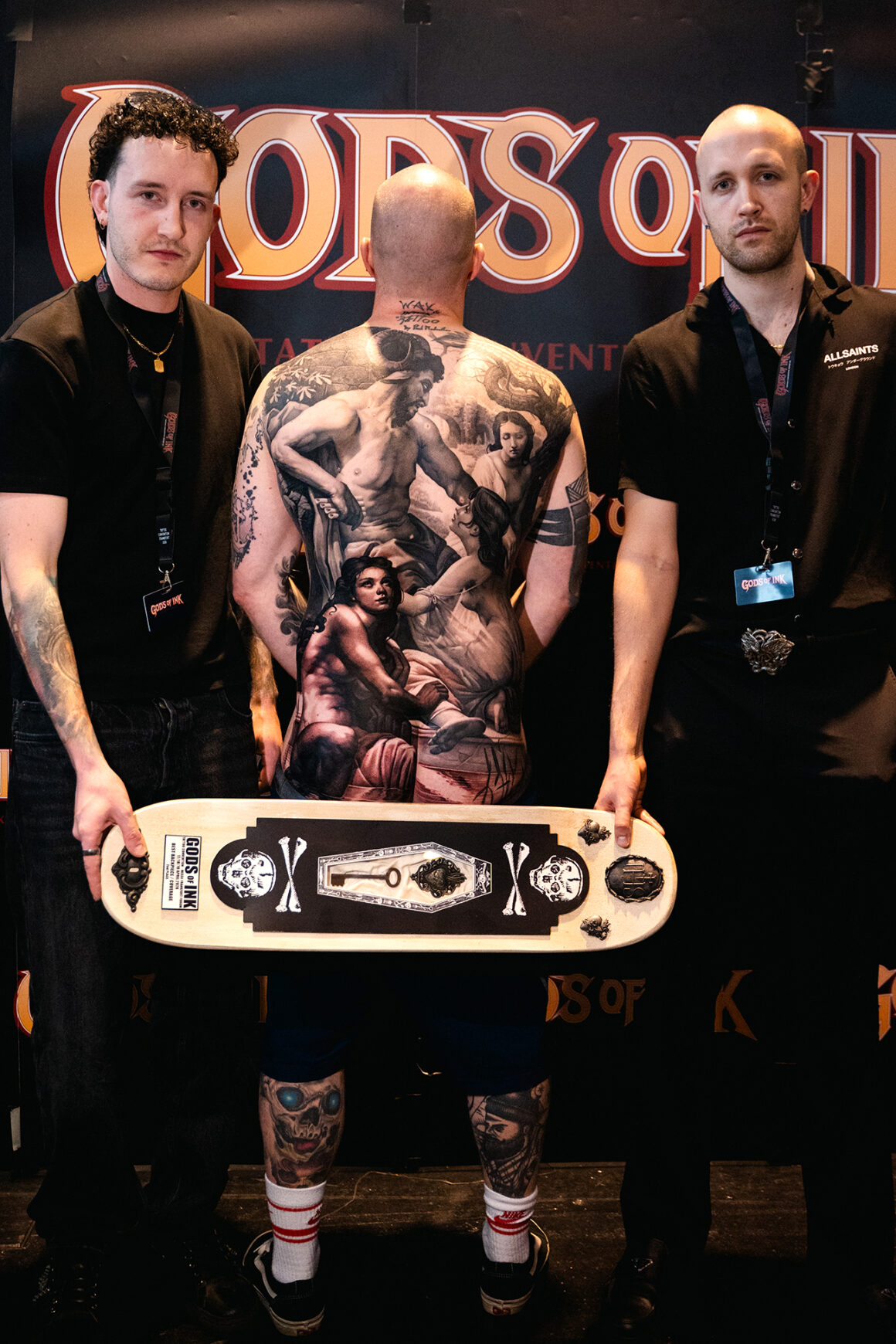
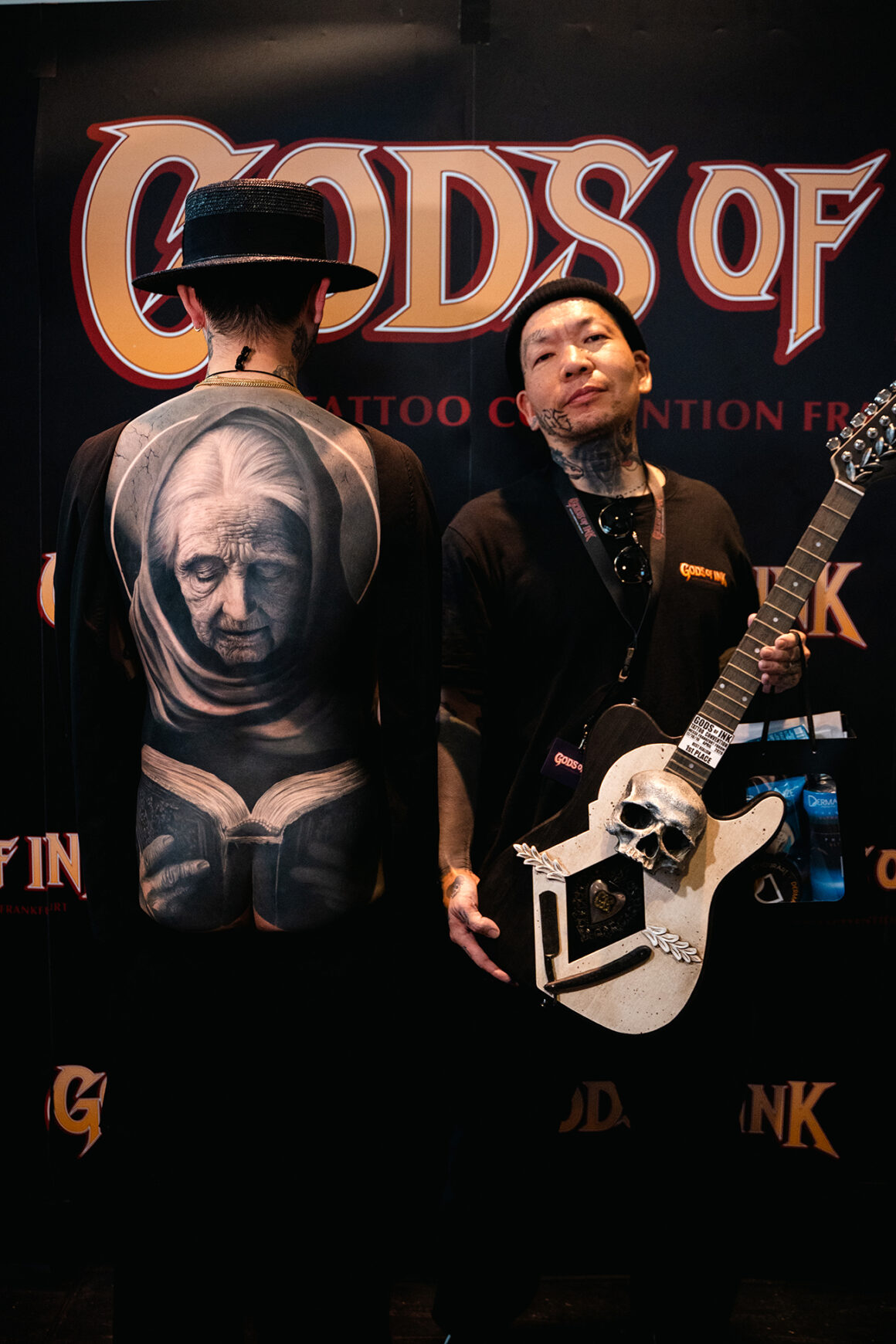
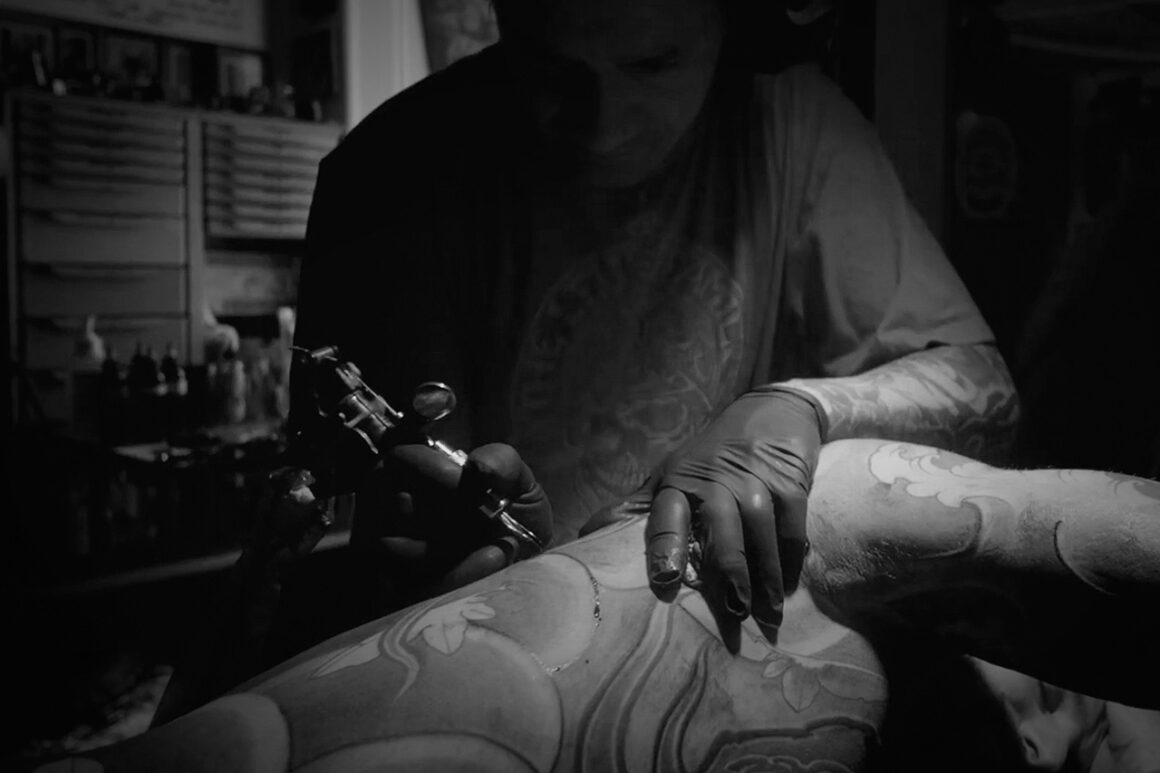
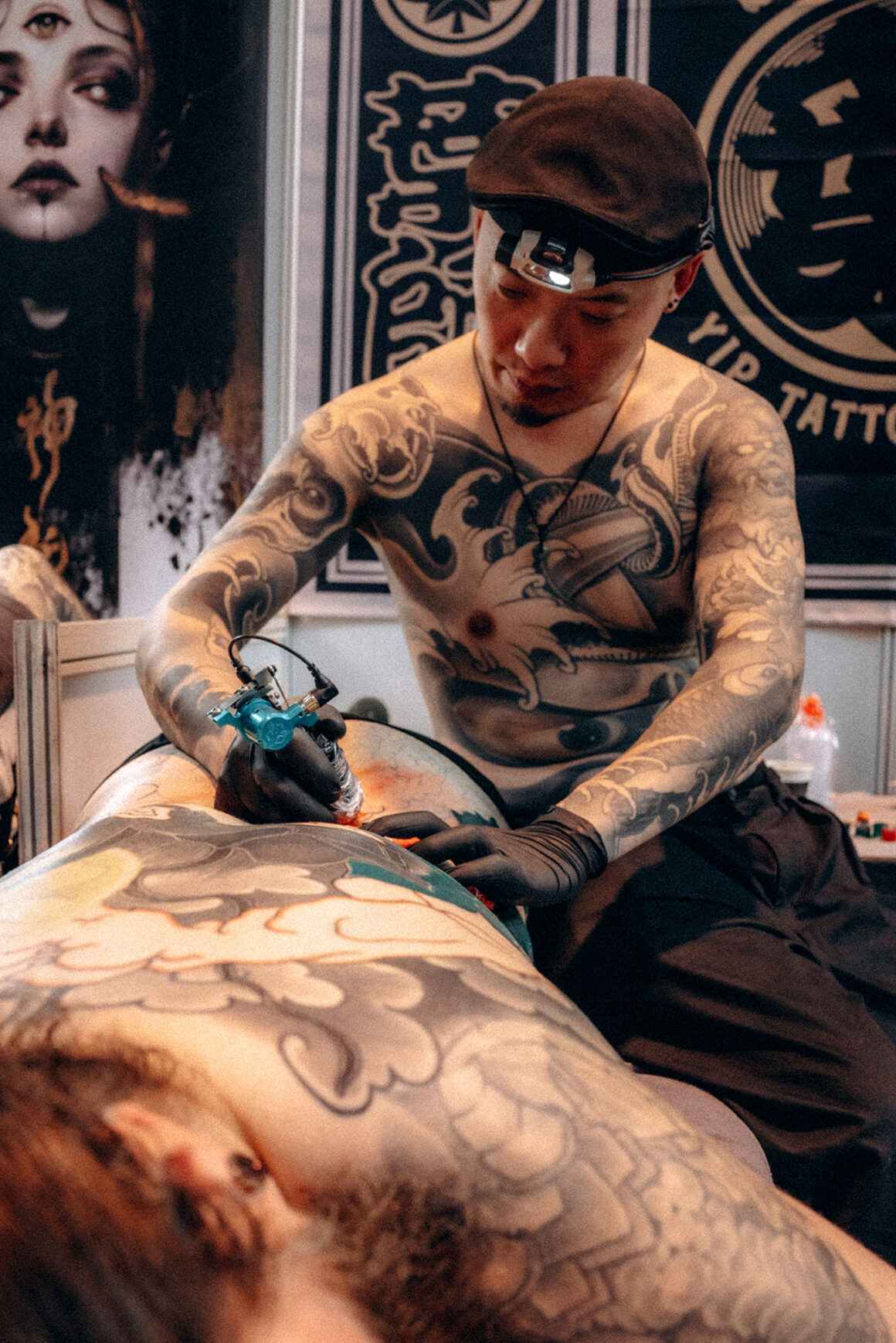
The artistic level—exceptionally high across every style—makes this convention a one-of-a-kind event that takes place only once a year. On stage, presented by the ever-present Dirk Boris, the participants in the tattoo contests followed one another in one of the most anticipated moments of the entire weekend. Always packed, the contests delivered a spectacular showcase of the very best of this art form: clients and artists side by side, ready to present pieces created live during the three days or already completed, met with amazement and admiration from the audience.
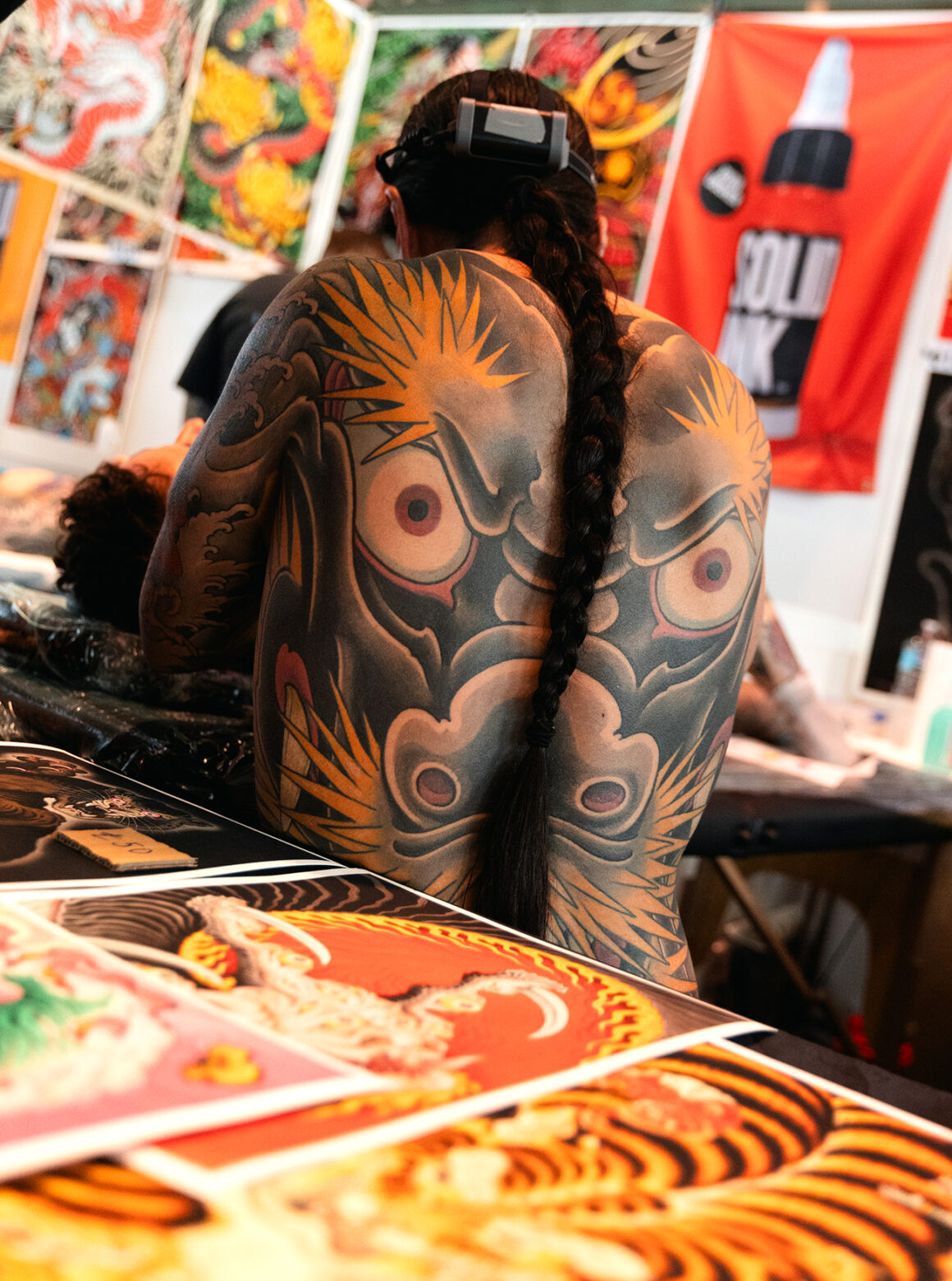
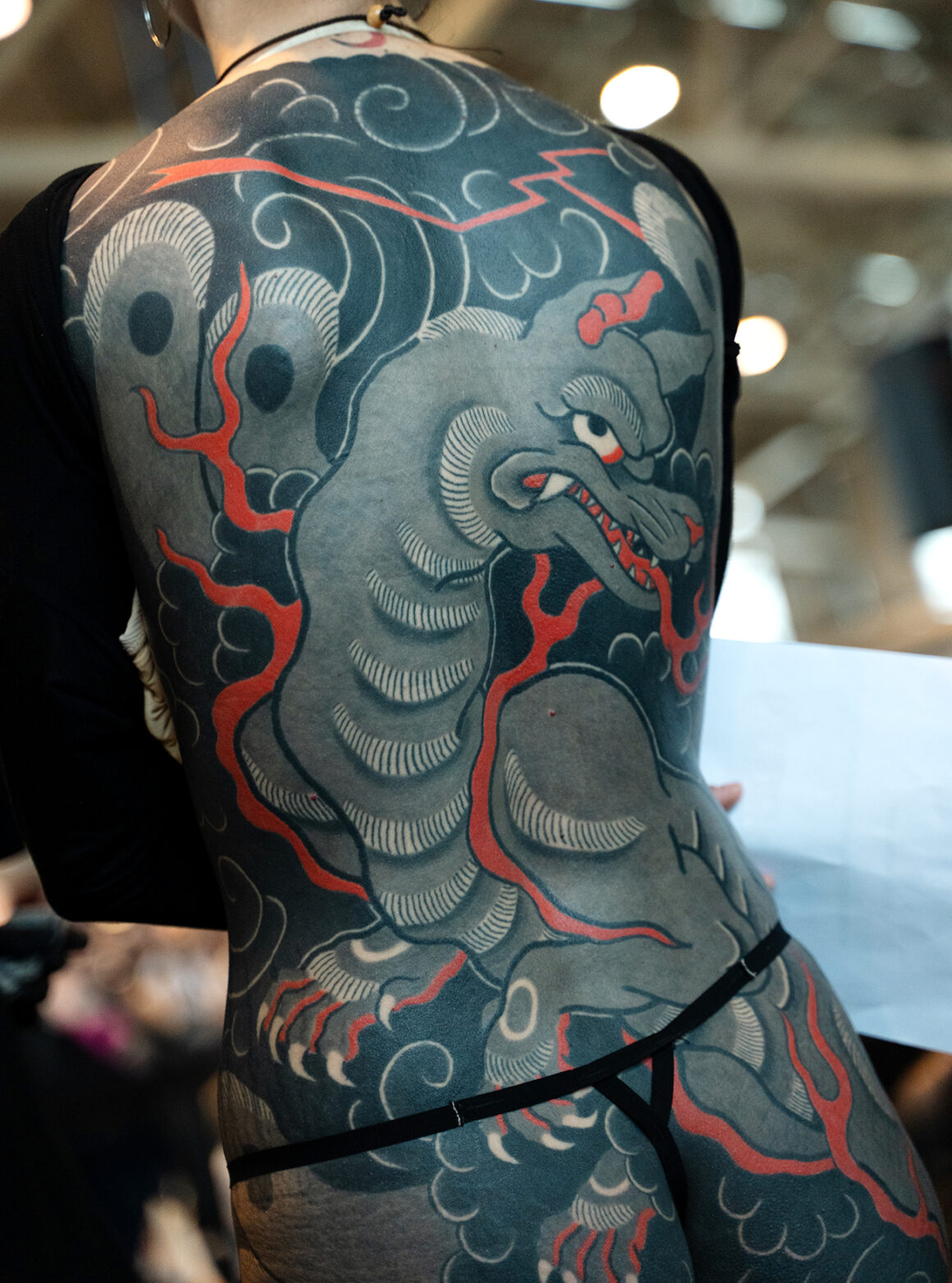
A panel of expert judges selected the winners from among already extraordinary works. At stake were the coveted trophies crafted by the silversmiths El Rana—unique pieces inspired by religious iconography and enriched with ex-voto elements, destined to become symbols of prestige in the winners’ studios.
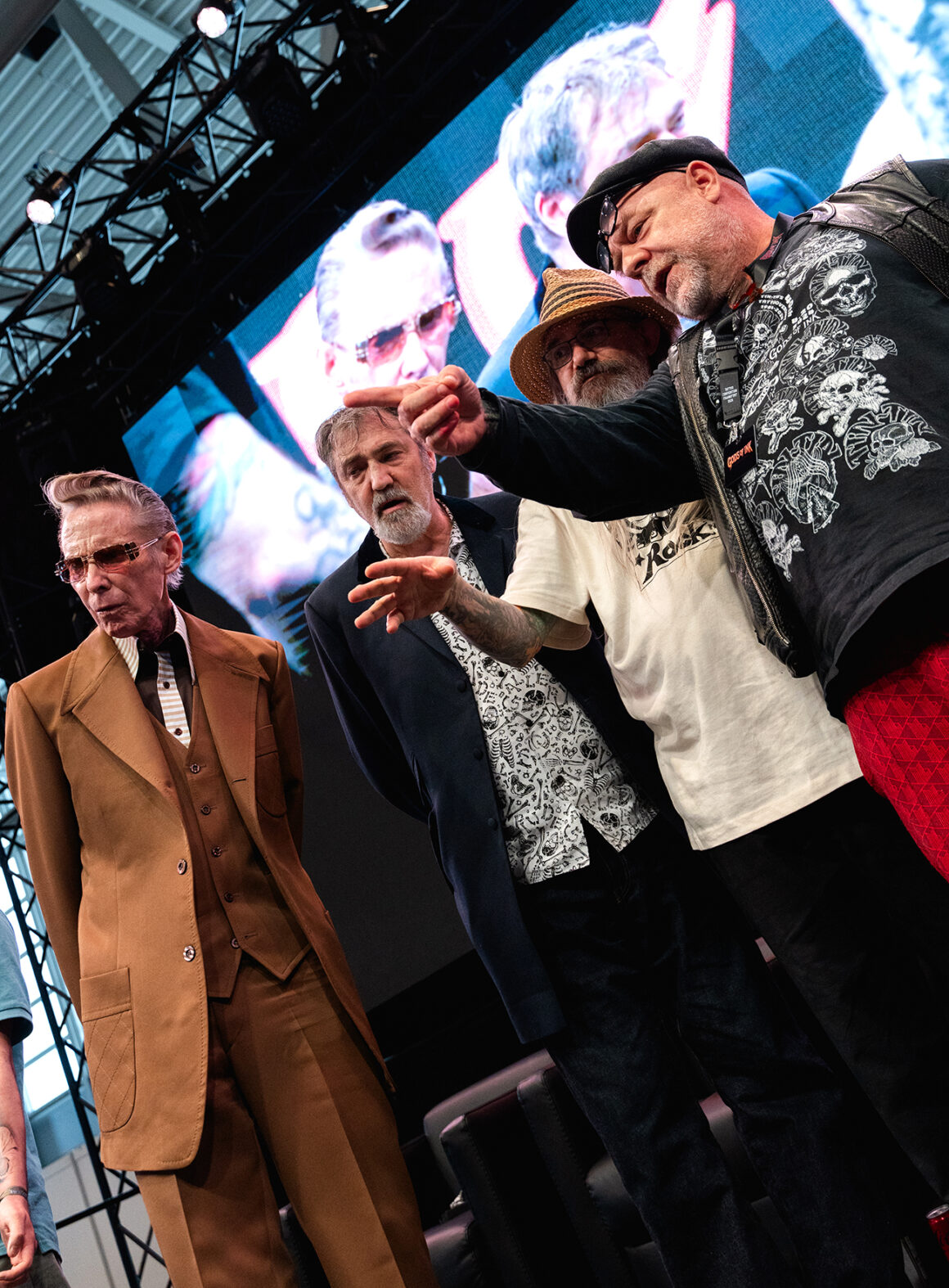
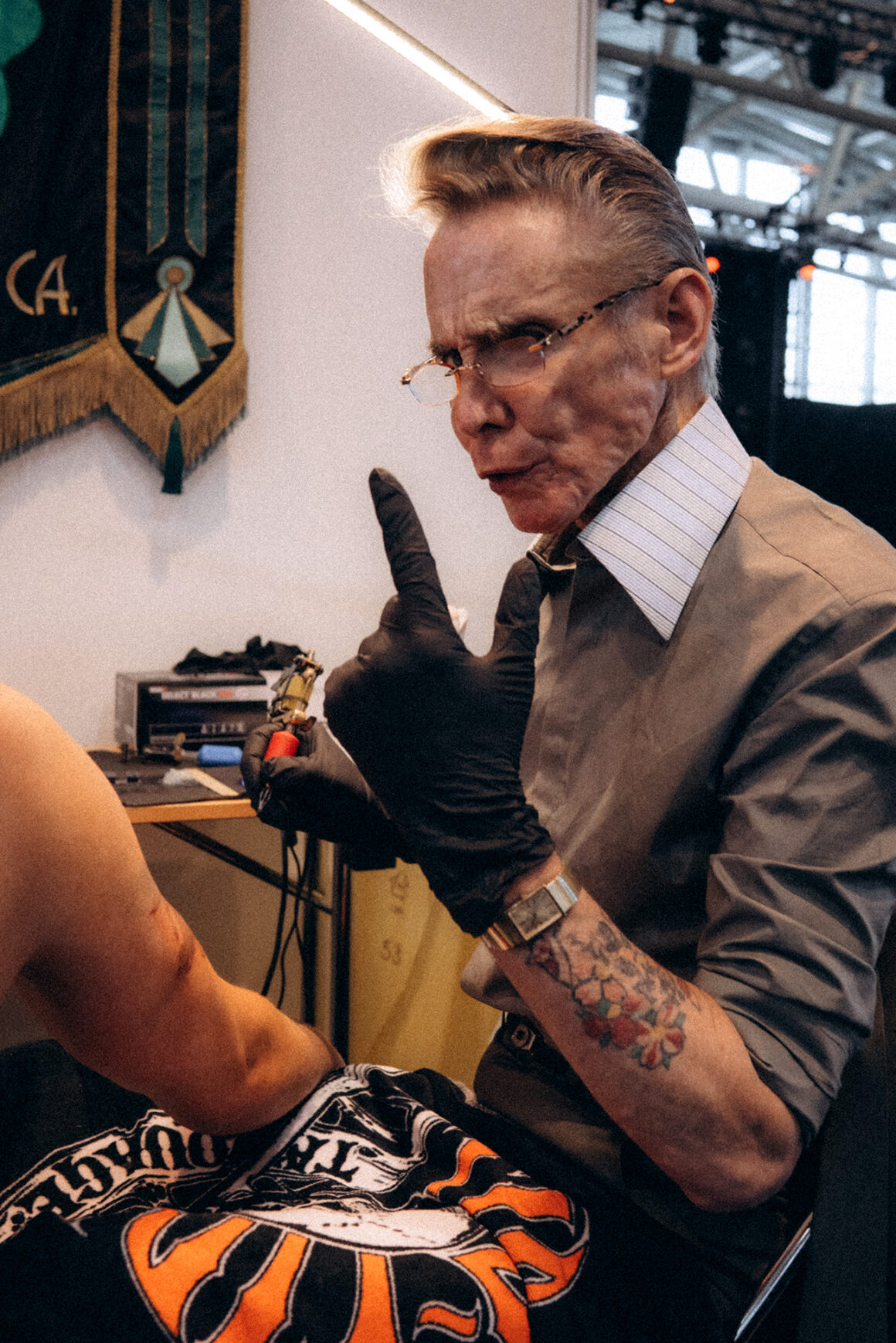
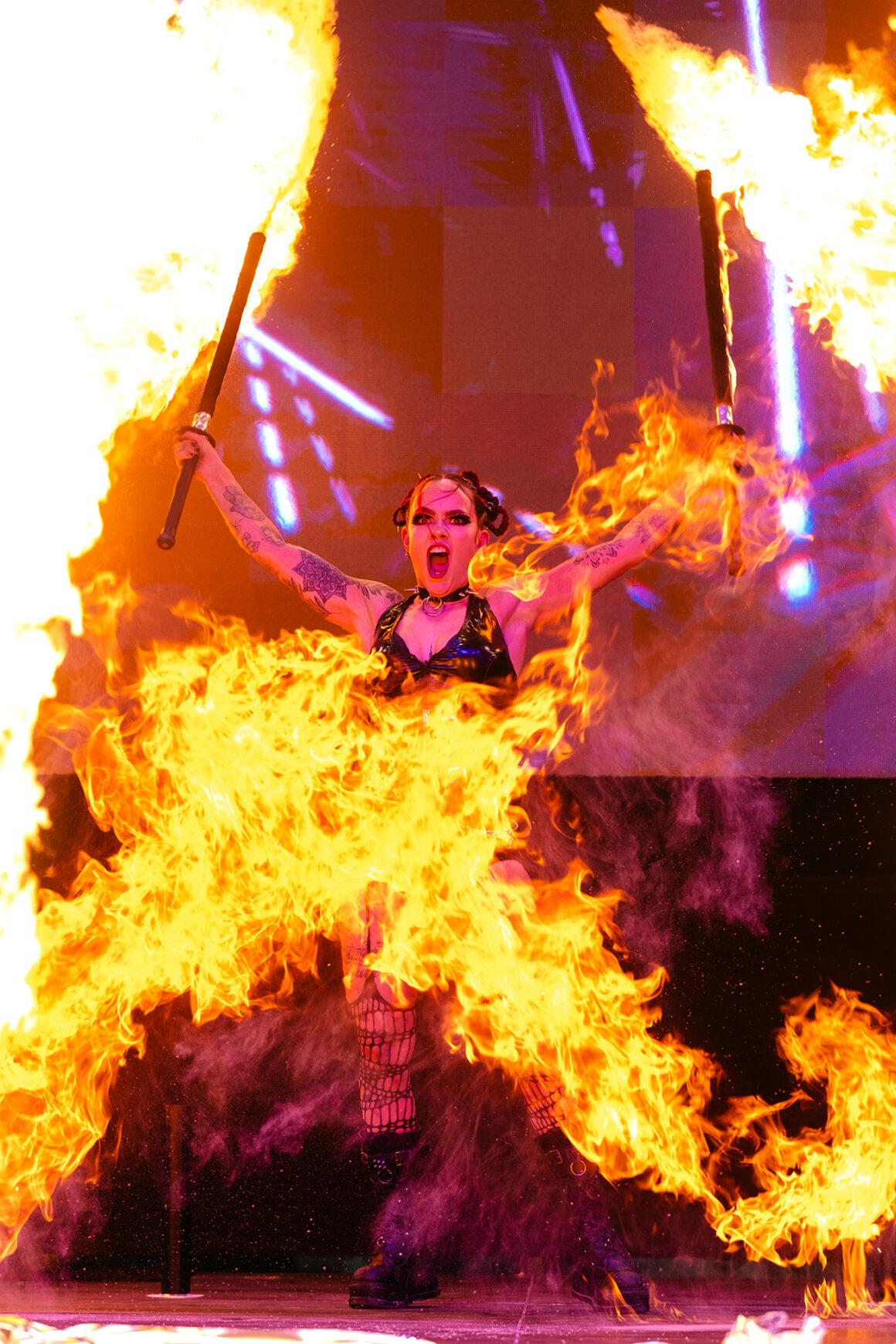
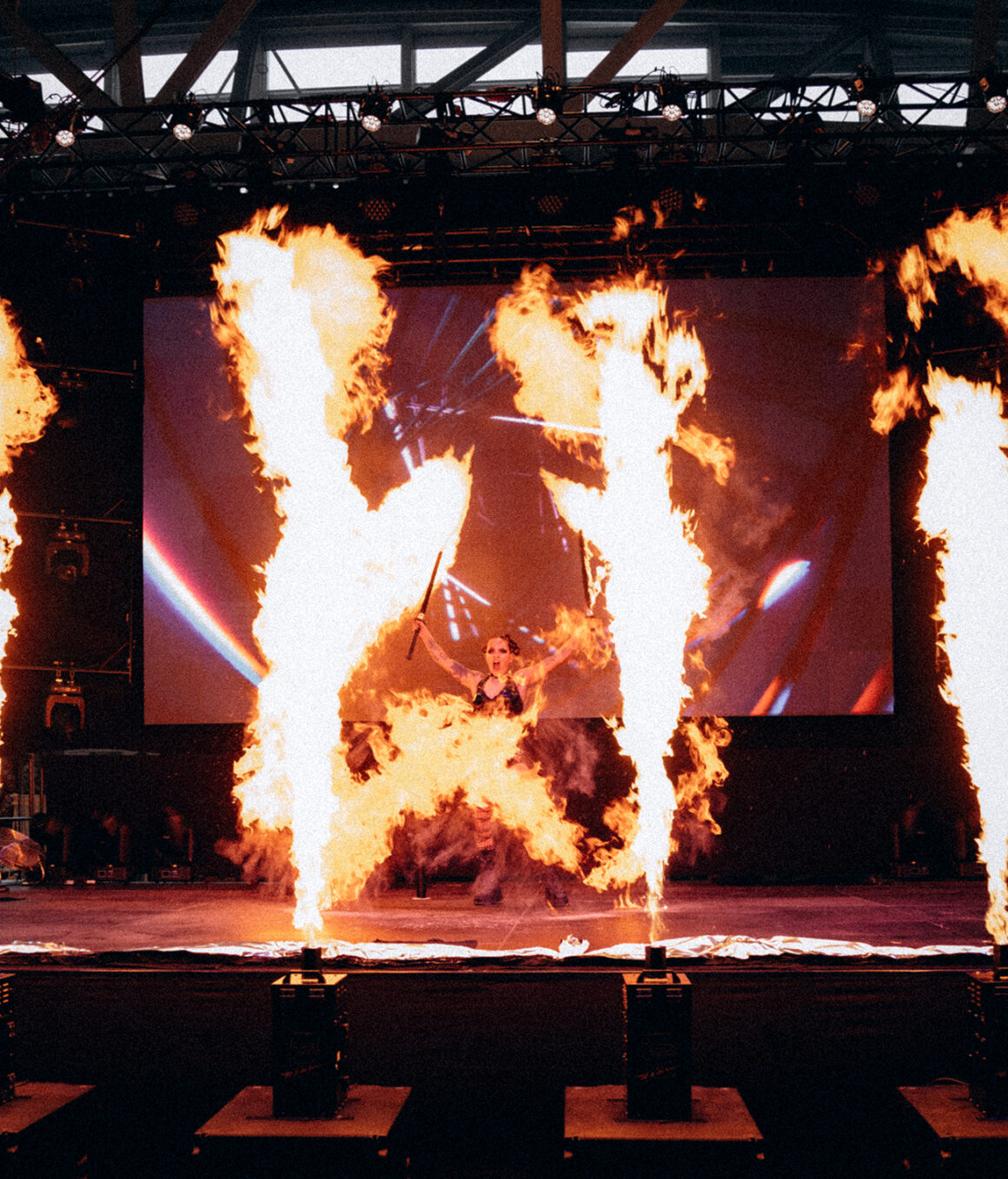
The shows were also a major highlight, especially those by the Fuel Girls, once again capable of capturing the audience’s attention from the very first note, renewing themselves year after year without ever losing their powerful stage presence.
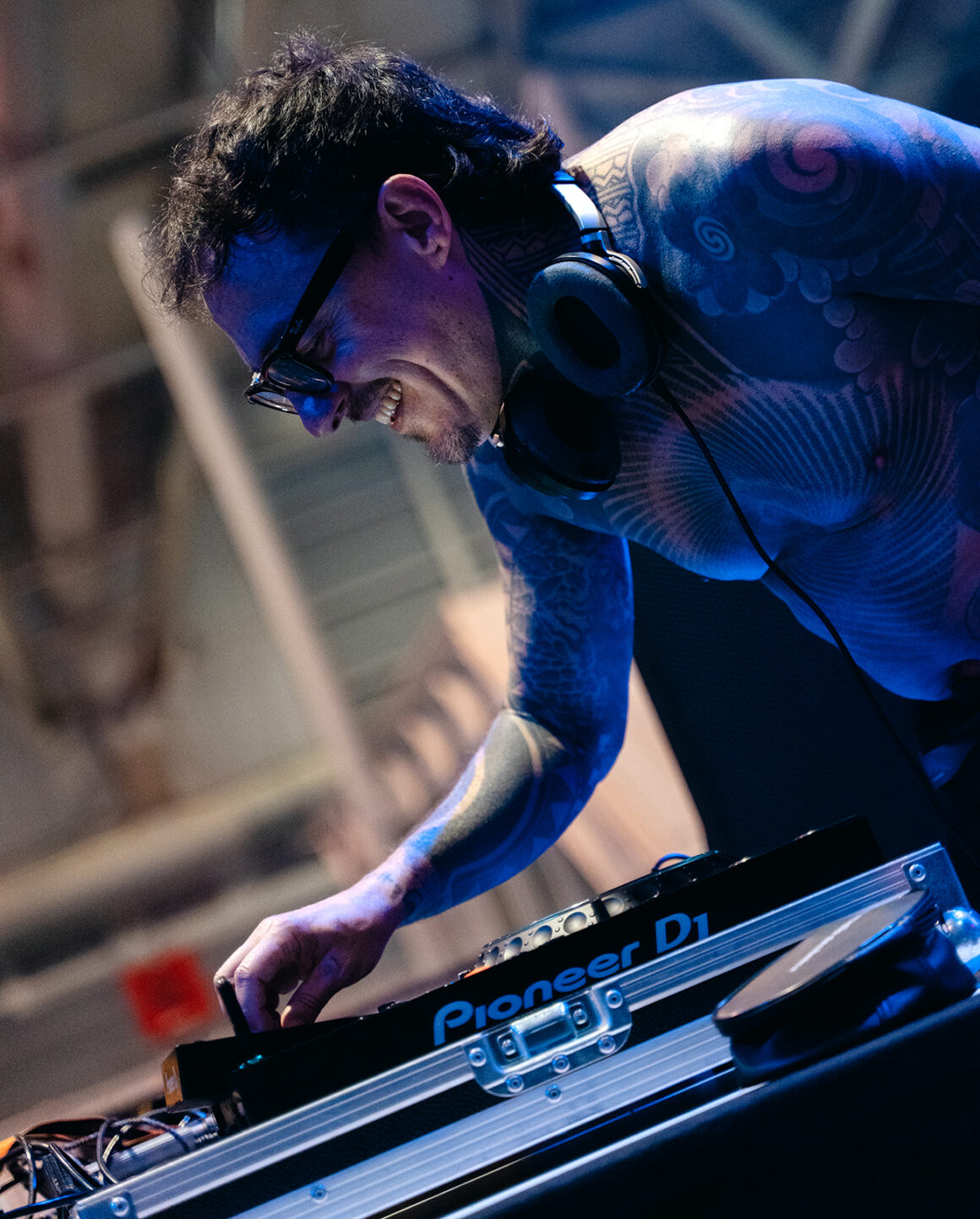
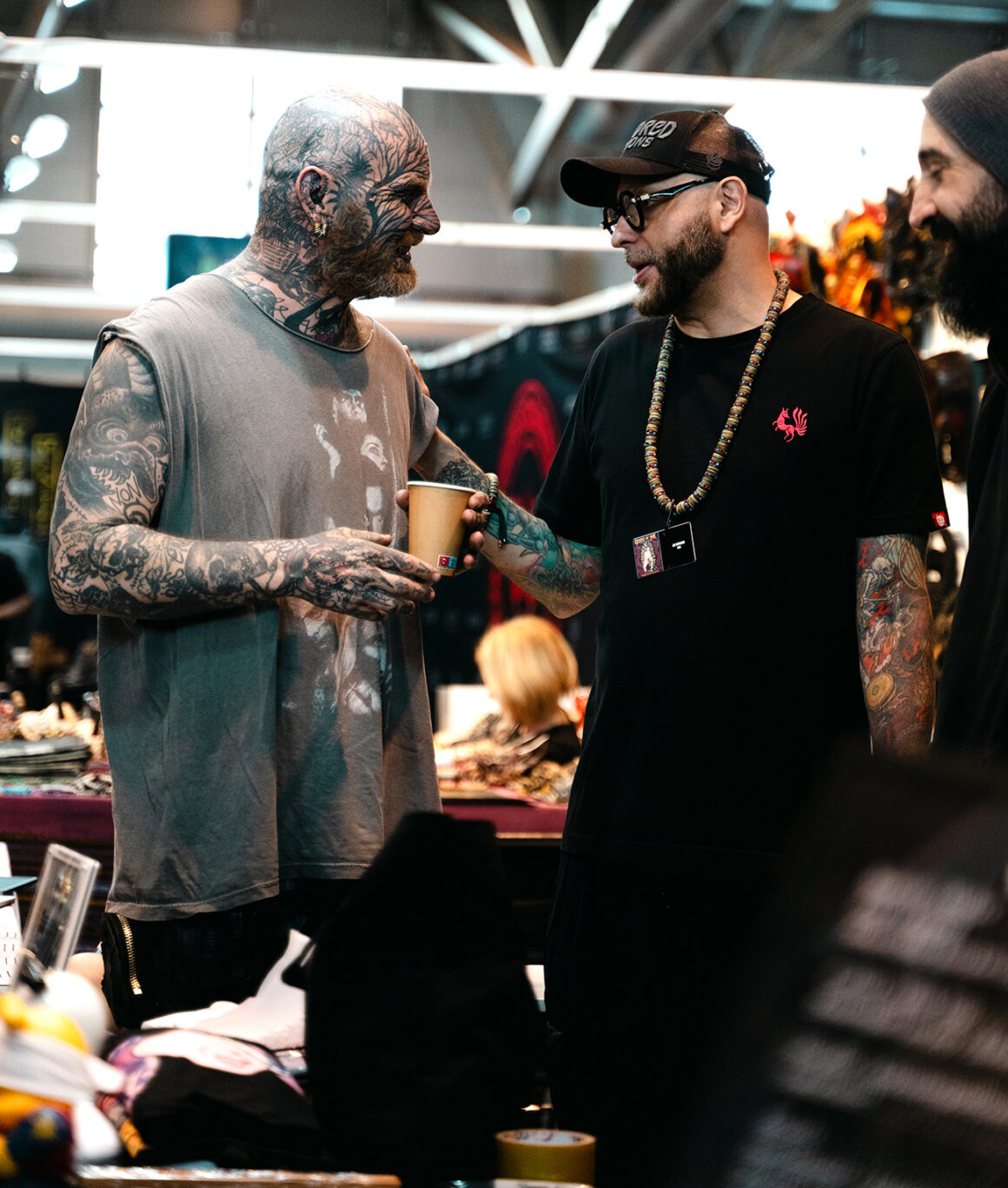
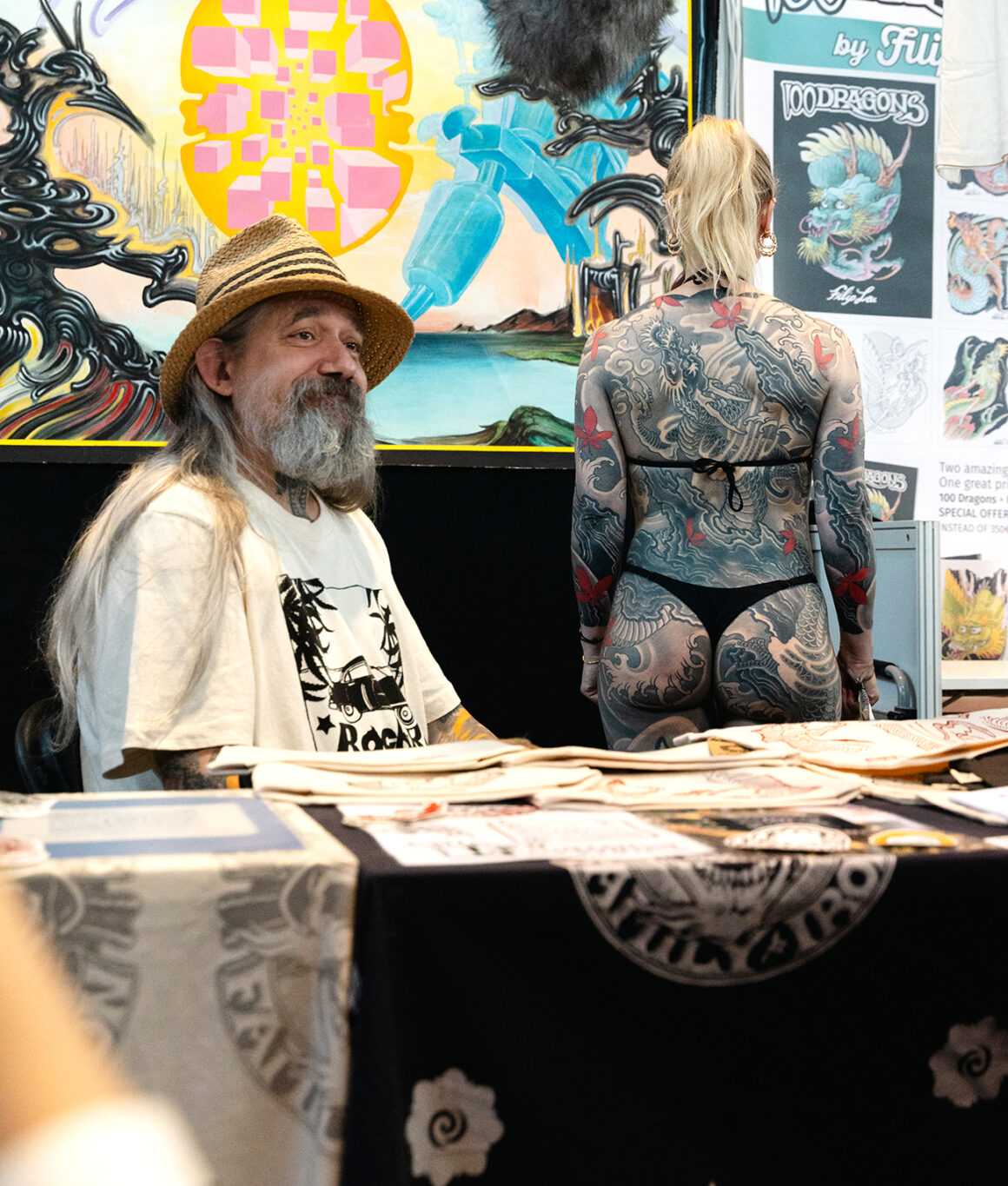
Equally important was the presence of tattoo suppliers, organized into real “islands” throughout the venue. Among others, we had the chance to meet Tattoo Life’s partners such as CAM Supply, Bishop Rotary, H2Ocean, Tattoo Safe and Premier Products, EZ Tattoo, Dragonhawk, Allegory Ink, Intenze, World Famous Tattoo Ink, Cheyenne, Barber and Killer Ink, each accompanied by their own roster of artists.

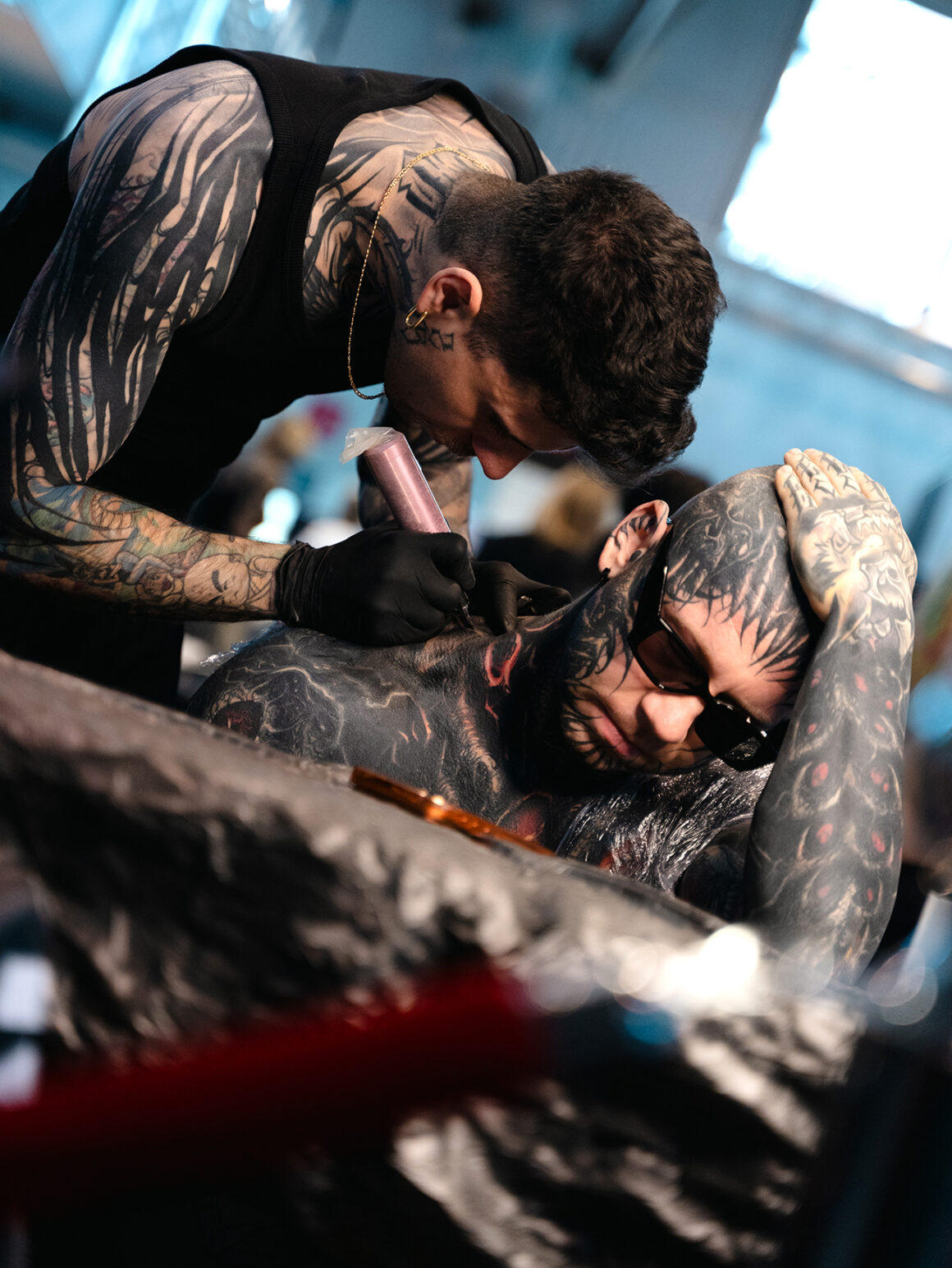
Together with them, we also met some of the leading figures of our book series The Great Books on The Art of Tattooing: from Filip Leu—who held a signing session at our booth for the latest volume created with us, 100 Dragons—to Robert Borbas, author of Incubus, Stizzo, author of Time We’ll Remember, as well as masters such as Shibuya Horiken, Horihiro, Antonio Macko, and Paul Dobleman, just to name a few. A valuable opportunity to see these artists at work and to explore firsthand the technical aspects related to products.
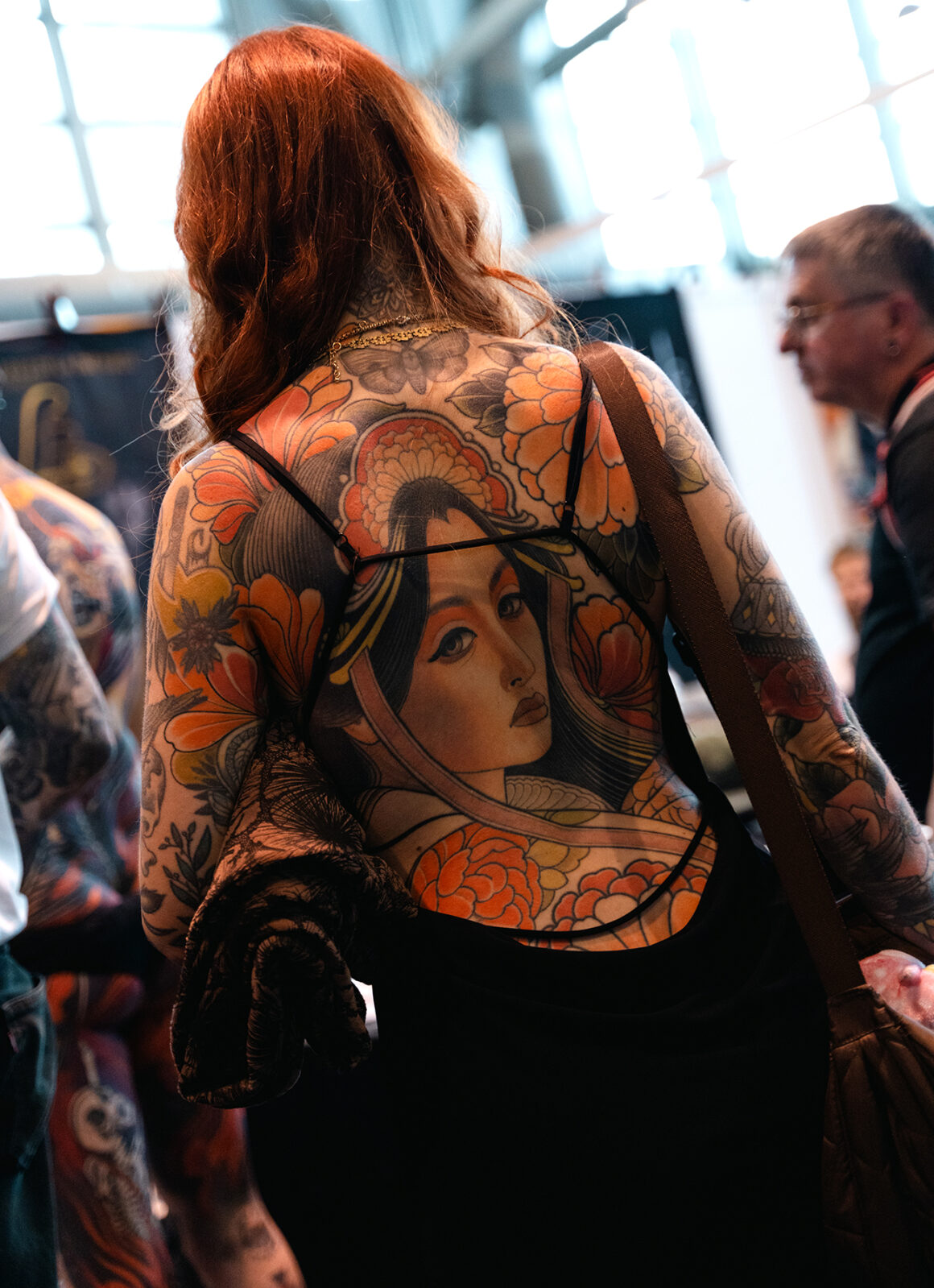
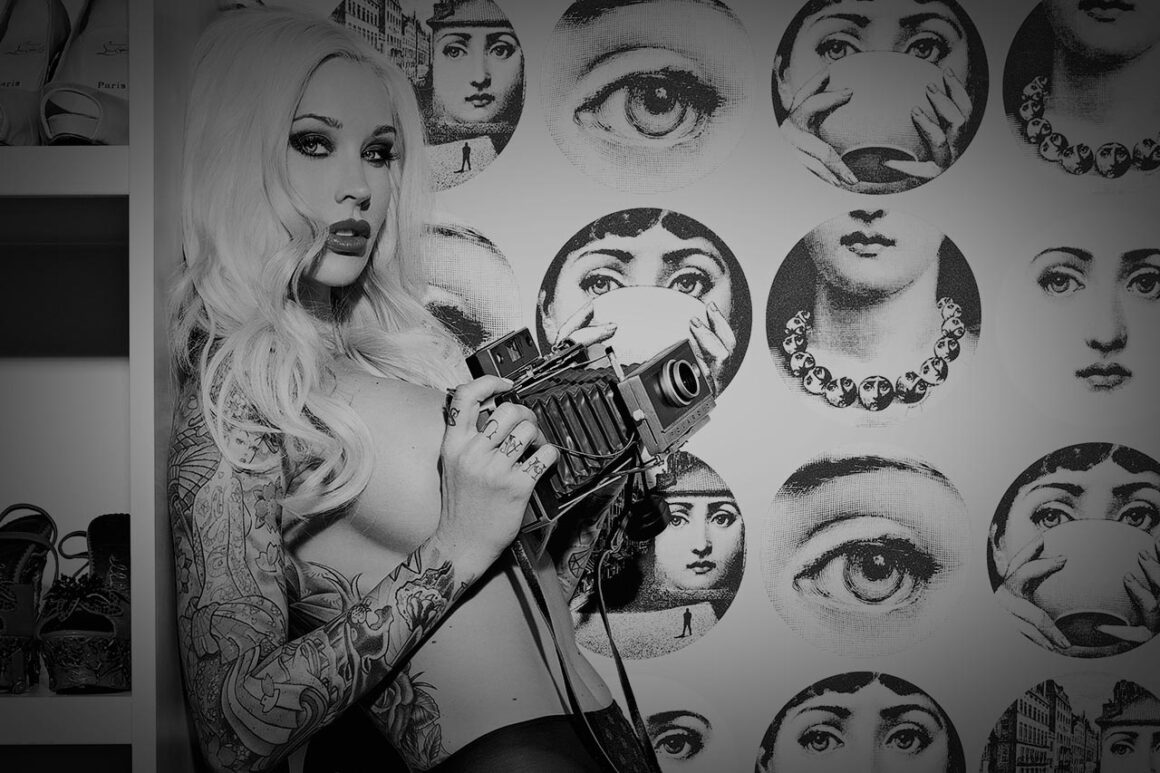
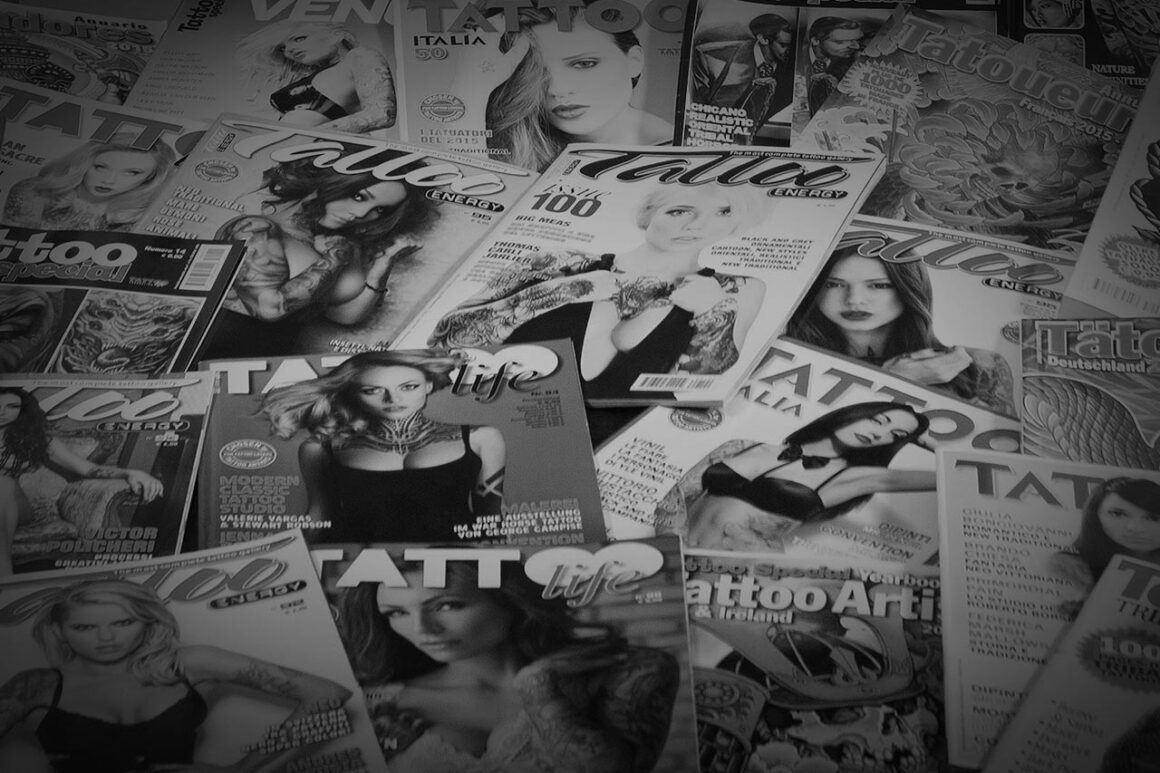
For us, it was also an unmissable opportunity to scout outstanding talent among tattoo artists, personalities, news, and those tattoo models you will soon discover in Tattoo Life magazine and on tattoolife.com in the coming months. We took you around Gods of Ink during the event through our @tattoolifemagazine channel, and we will bring you back there throughout the year—when, flipping through the pages of the magazine or reading our articles, you might find yourself saying: “I’ve seen that person before!” It might even be you, reading us now.
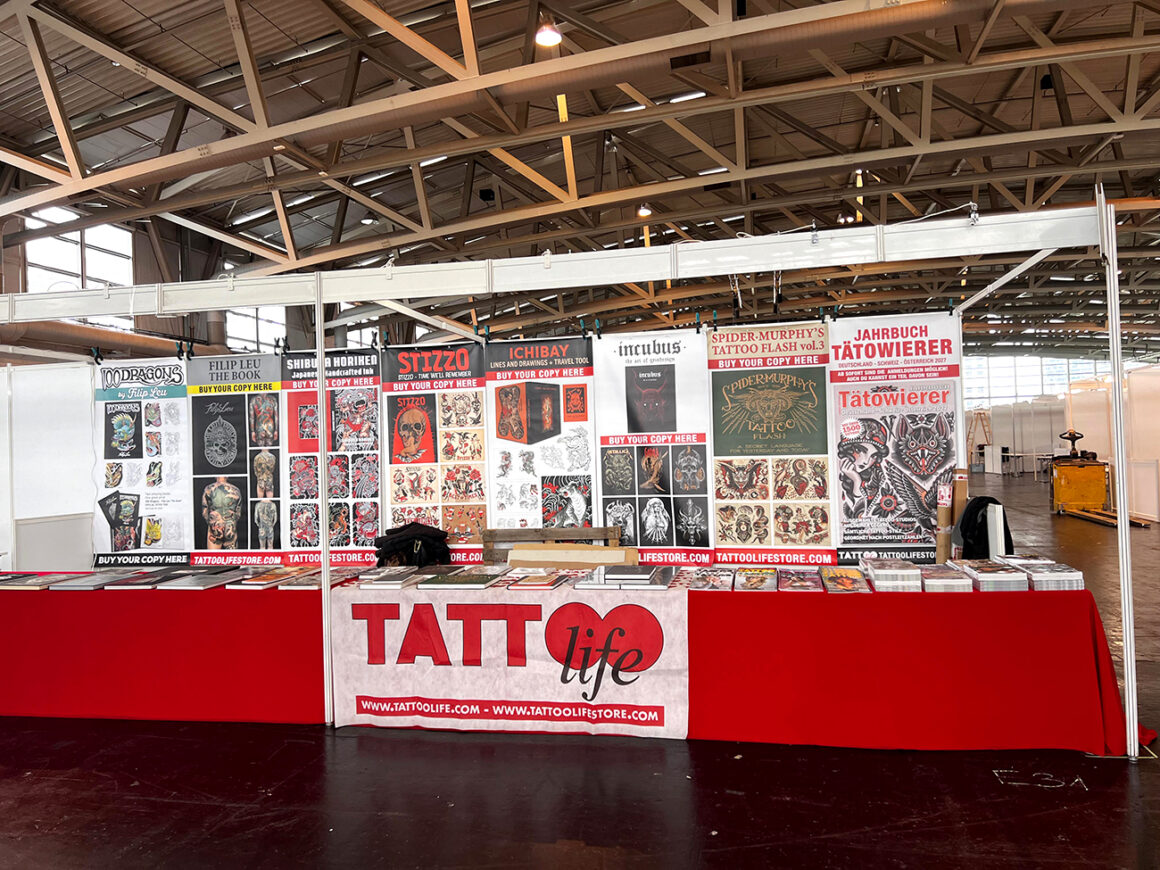
Gods of Ink is not just a celebration of tattooing: it is a powerful demonstration of how this language, now more than ever, speaks of inclusion, identity, and global connection.