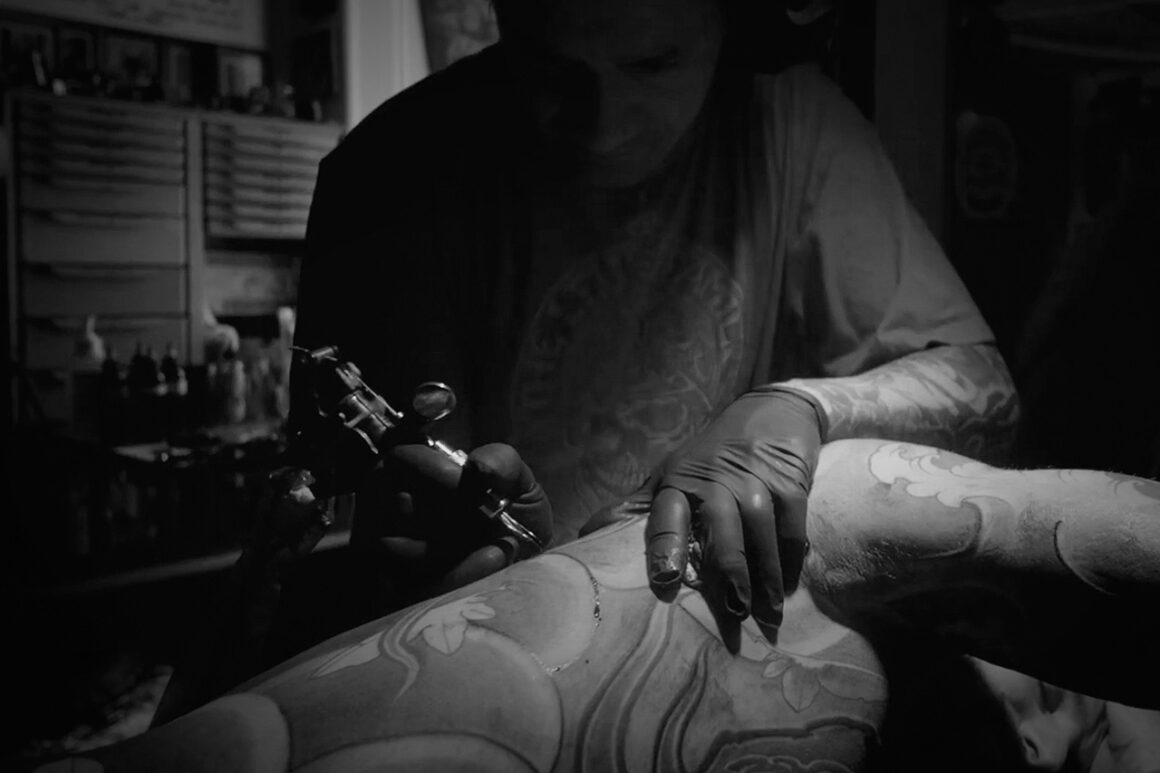





As an observer of the tattoo scene, I see styles transforming and multiplying today more than ever before. New languages emerge, distant traditions cross-pollinate, labels take shape which in the space of just a few years evolve from personal definitions into internationally recognized categories — constantly aligning with the speed at which this industry’s vocabulary evolves.
If in the 90s the definitions were few and relatively clear — Traditional, Japanese, Tribal, Realistic — today the landscape is infinitely more nuanced. Every artist develops their own expressive signature and, understandably, feels the need to name it. This gives rise to new denominations, subtle distinctions, new variations that enrich the language but, at the same time, risk making it ever more fragmented. In this issue, we talk about Neo-Japanese not once but twice — yet in two very different ways.
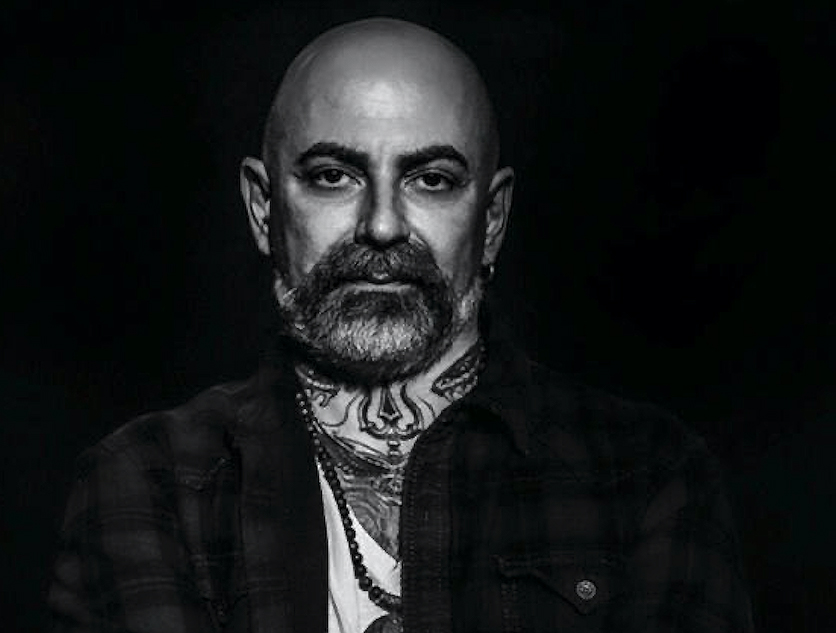
For Aries Rhysing, it is tied to the romanticism of form, an almost Art Nouveau sensibility that softens and reinterprets Japanese aesthetics. For Korean artist Uno Own, however, Neo-Japanese is a conscious reinterpretation of the classical canons of Japanese visual tradition: a respect for structure, composition, and iconographic balance, reinterpreted through a contemporary lens. And then Japan appears once more in the work of Luis El Rostro, who builds three-dimensional visual allegories from skulls and powerful symbols, speaking — as he himself puts it — “the Japanese language” through an entirely personal vocabulary. The same applies to the broad umbrella of Ornamental. For Ulises Indo, ornament is root, memory, pre-Hispanic culture resurfacing through his tattoo work.
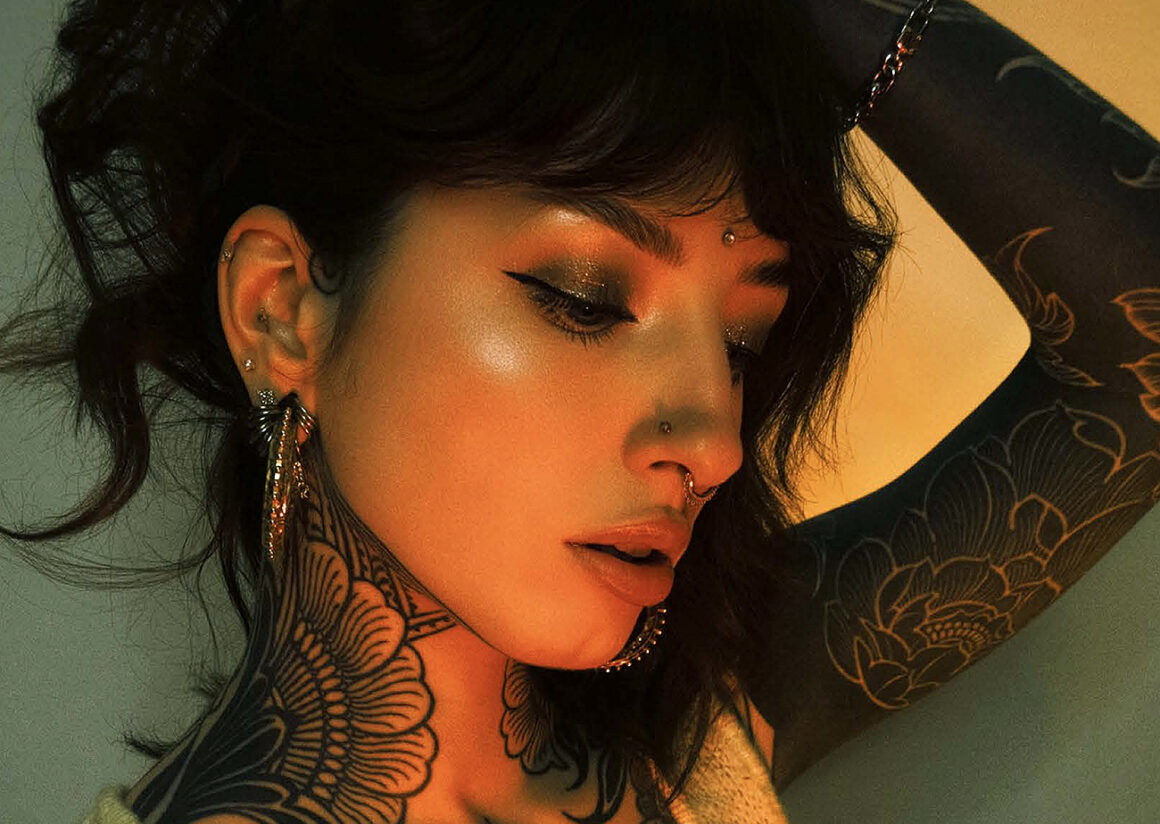
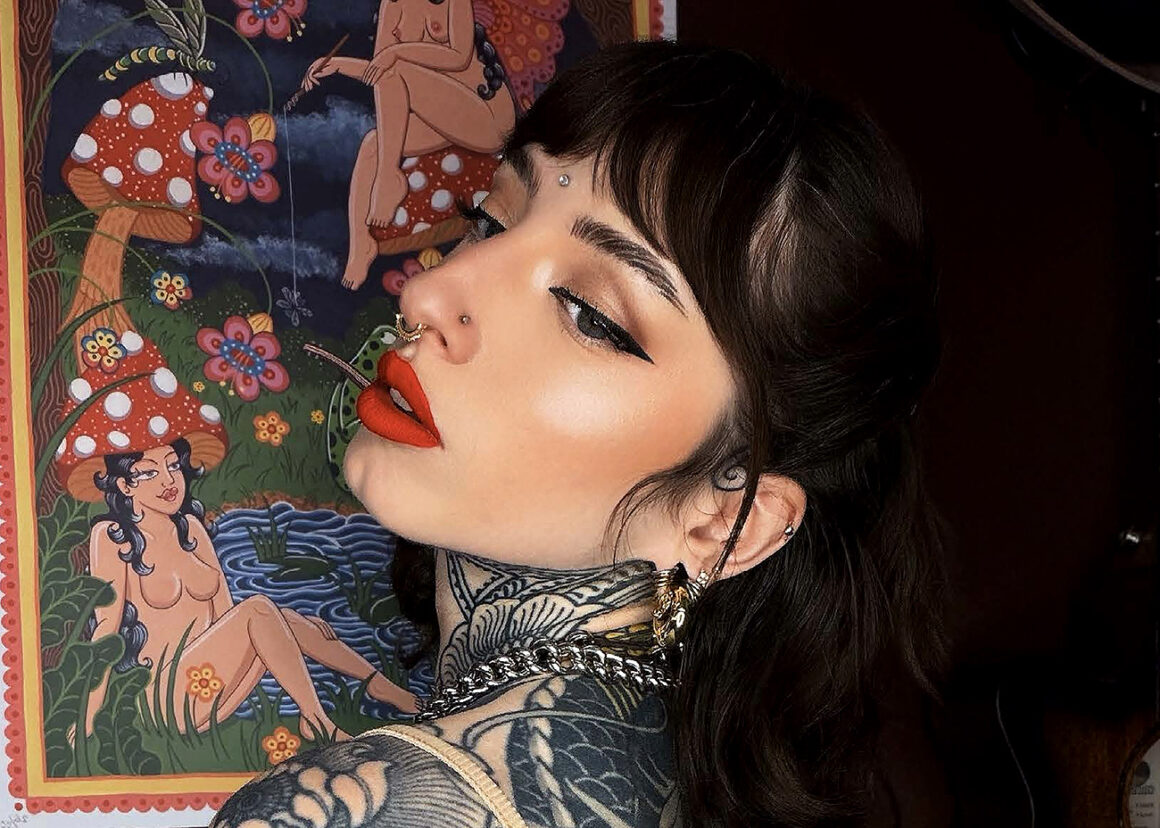
For our cover girl Alexa Tamaska, Ornamental manifests on the body as an interweaving of floral and geometric motifs, an aesthetic construction in dialogue with anatomical form. A shared label, different intentions — and this is not a problem. It is the natural evolution of a living language. But it is also the point at which it becomes necessary to pause and bring clarity. Today every artist can legitimately define themselves according to whichever sensibility feels right to them. There is the risk, however, is that labels multiply to the point of losing precision, generating interpretations that grow ever more distant from one another. When a style becomes too broad a container, it stops truly guiding the viewer. And this is where Tattoo Life comes in.
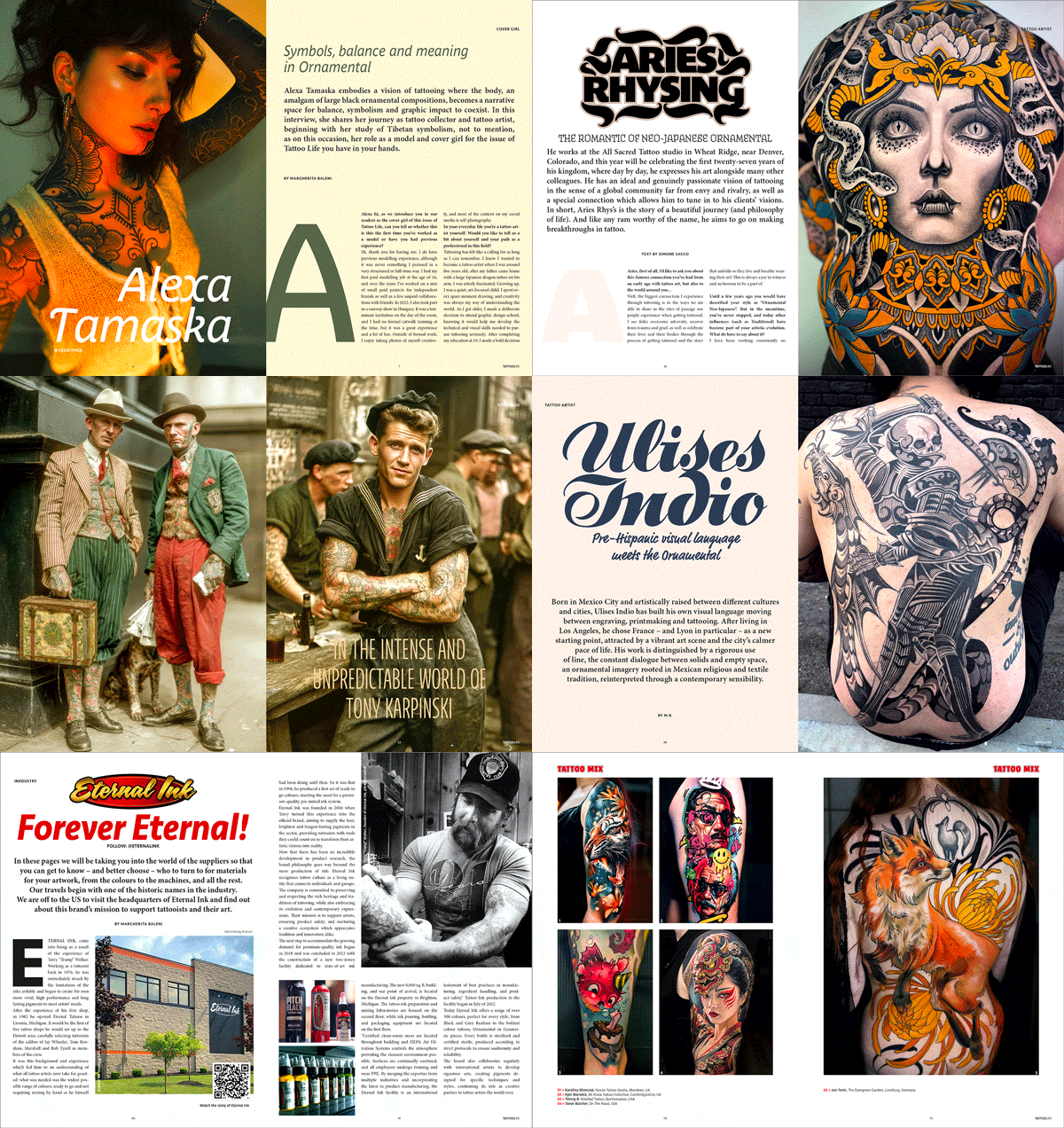
Our task is not to simplify, nor rigidly catalogue, but to narrate, contextualize, explain differences, and offer tools for understanding. To educate the eye and help the reader — whether tattooer, collector, or enthusiast — to navigate the many meanings that today coexist under the same definition. Because tattooing is a complex language, composed of cultural roots, technical evolution, aesthetic choices, and profound personal intentions. T|o understand it means going beyond the word written beneath a post or next to a biography. If style is the way in which an artist speaks, we want to help readers understand not just the language, but also its phrases and idioms. Because it is only by knowing the differences that we can truly appreciate its richness.
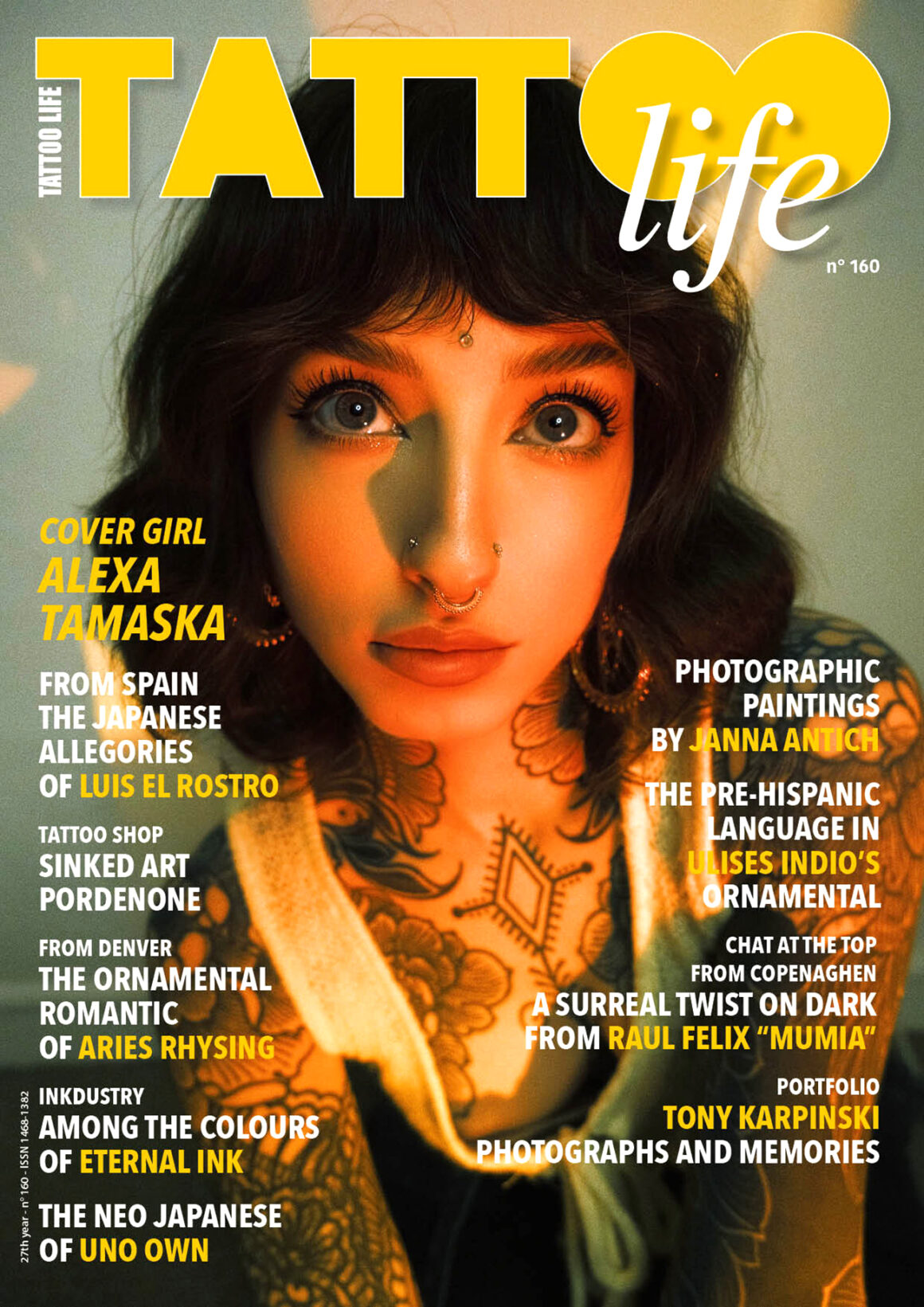
SHOP IT NOW!
Don’t miss to have this amazing issue. Choose and shop now your version…