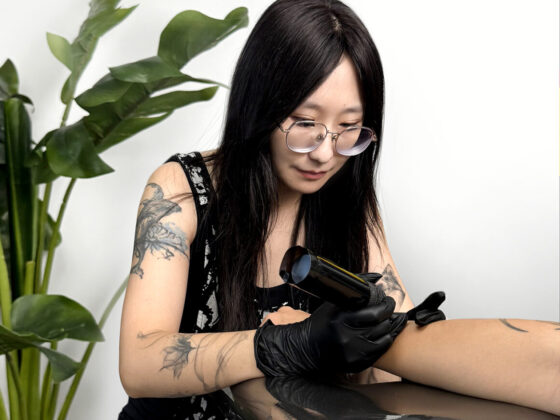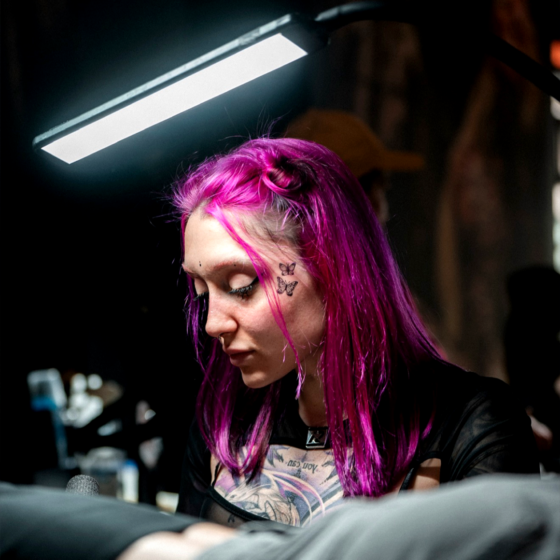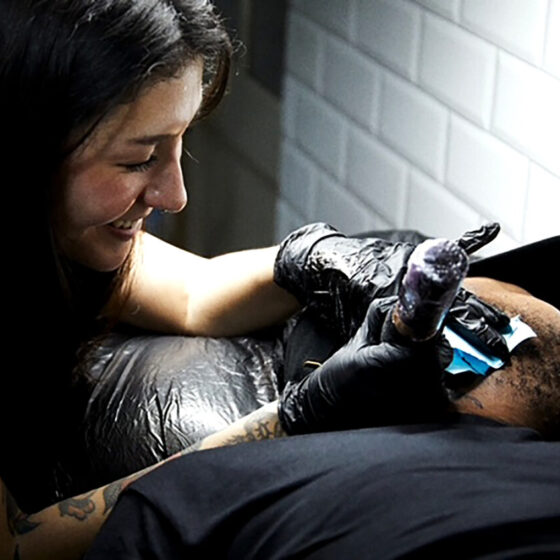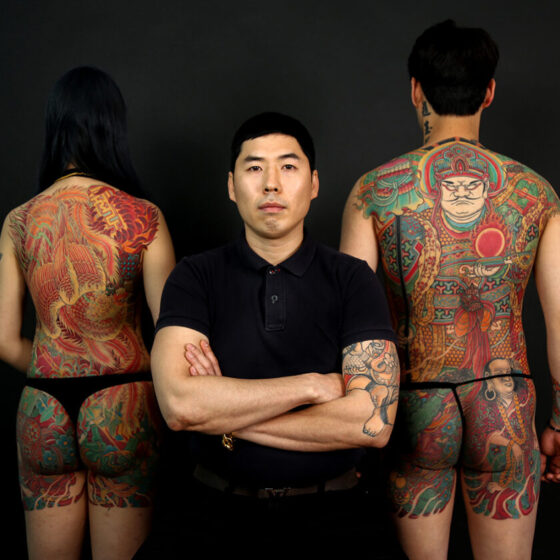






Like Gulliver facing giants, Taiki Masuda has shown that one man’s determination can shake even the most deeply entrenched system of justice. Originally from Osaka, the Japanese tattoo artist is best known for his landmark campaign, “Save Tattooing in Japan.” In 2020, the Supreme Court of Japan ruled that tattooing did not constitute a medical act. Since his victory, the 37-year-old has continued his involvement with the Japanese Tattoo Artists Association, working to defend and promote the profession.
Can you tell me about your artistic journey? Did you attend art school?
I never studied art formally or learned to draw from anyone. I simply kept drawing, without ever stopping, right up to the present day. I started when I was very young. I remember copying drawings from the manga I read, although I can no longer remember exactly which ones. In high school, I had the opportunity to watch a tattoo artist work right in front of me. It was a real shock. Until then, I had drawn freely, following my inspiration. From that moment on, I began looking at tattoo magazines and flash designs, creating actual designs intended to be tattooed. Naturally, I bought myself a tattoo machine and started tattooing my own body. That was how I decided to become a tattoo artist.
How did you learn to tattoo, and did any artists help you along the way?
I learned the techniques of tattooing entirely on my own. I was never an apprentice and never received any formal training from a tattoo artist. Since I taught myself everything, there were many difficulties and frequent failures. I took a rather roundabout path to learning the trade, but looking back, I ultimately think it was the path that suited me best. That said, whenever I encountered difficulties or didn’t understand something, certain people took the time to give me advice. In particular, there was Naoki from TNS studio in Osaka, who tattooed me himself. There was also Kowhey from Balance Tattoo in Miyazaki. Both of them helped me whenever I needed answers, even though they were never my masters in the traditional sense of the term.
What’s your favorite tattoo style? And why?
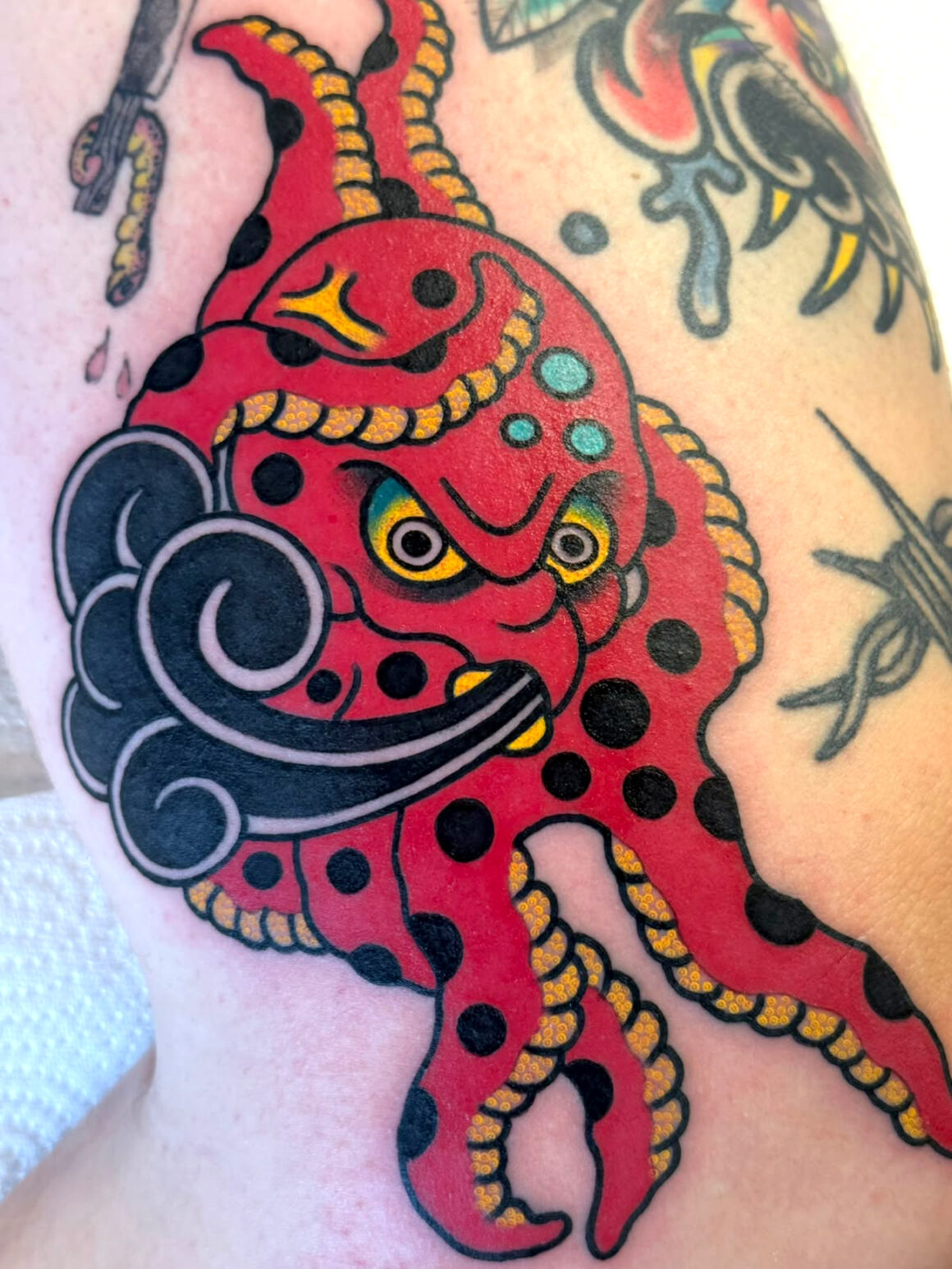
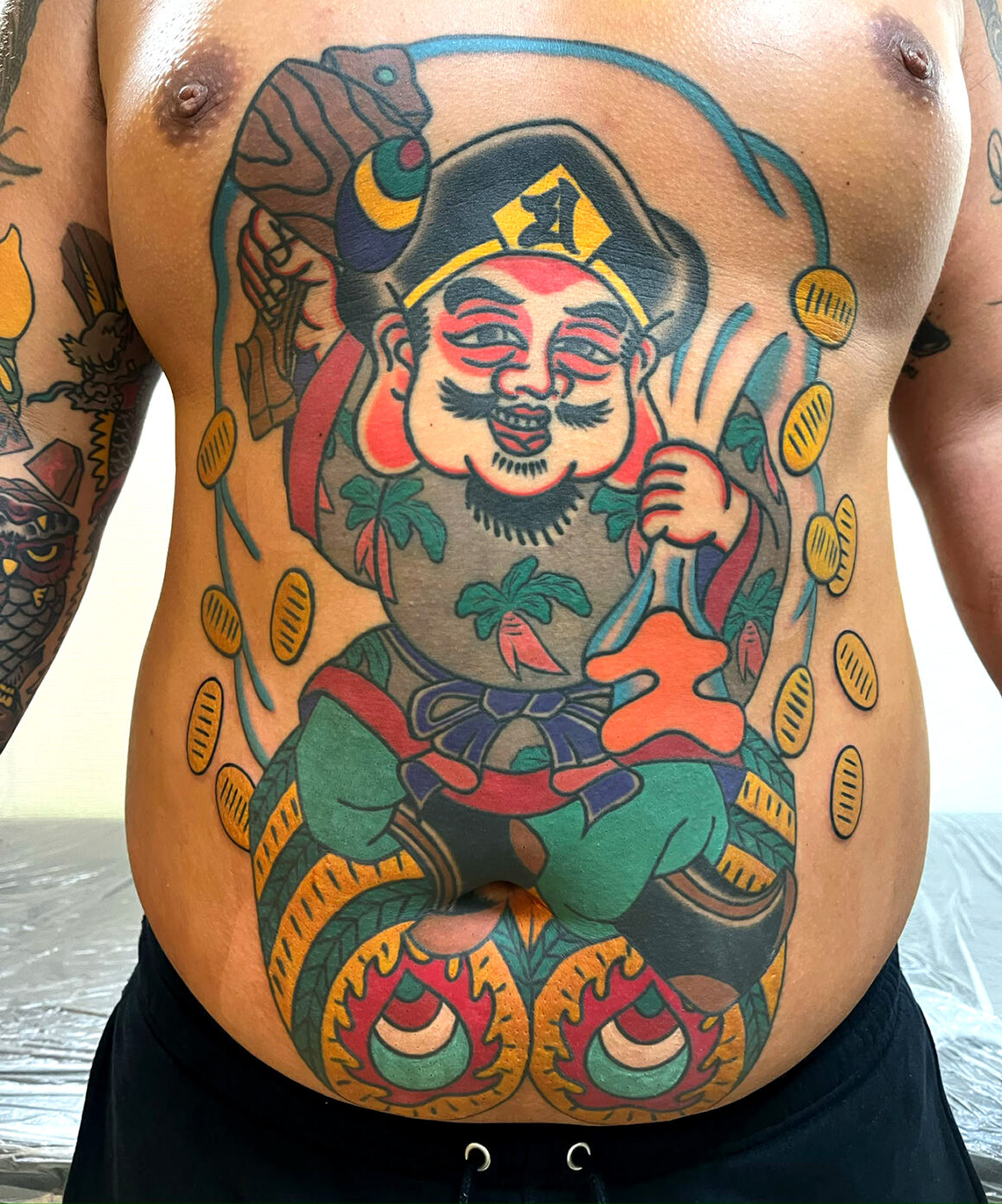
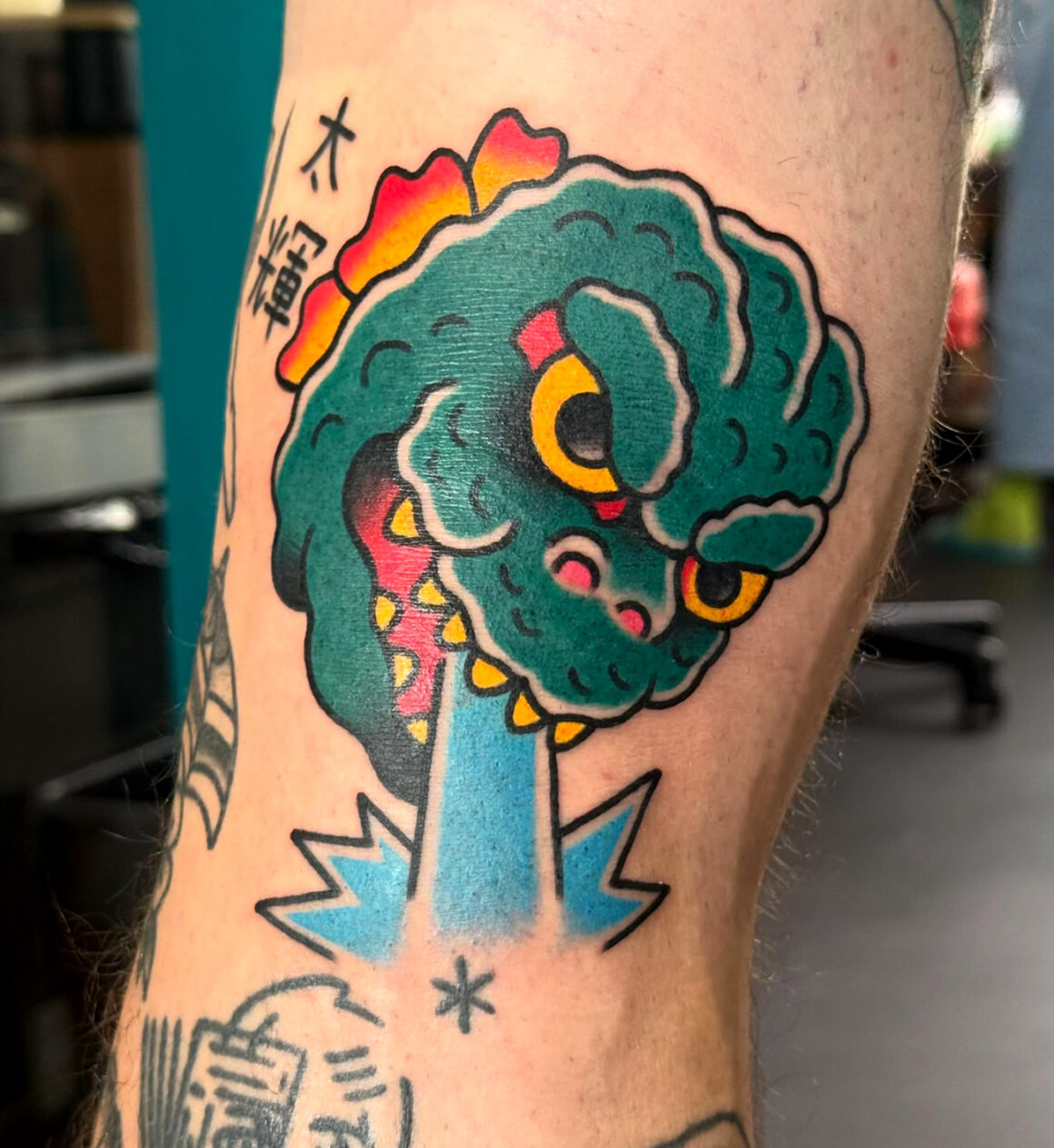
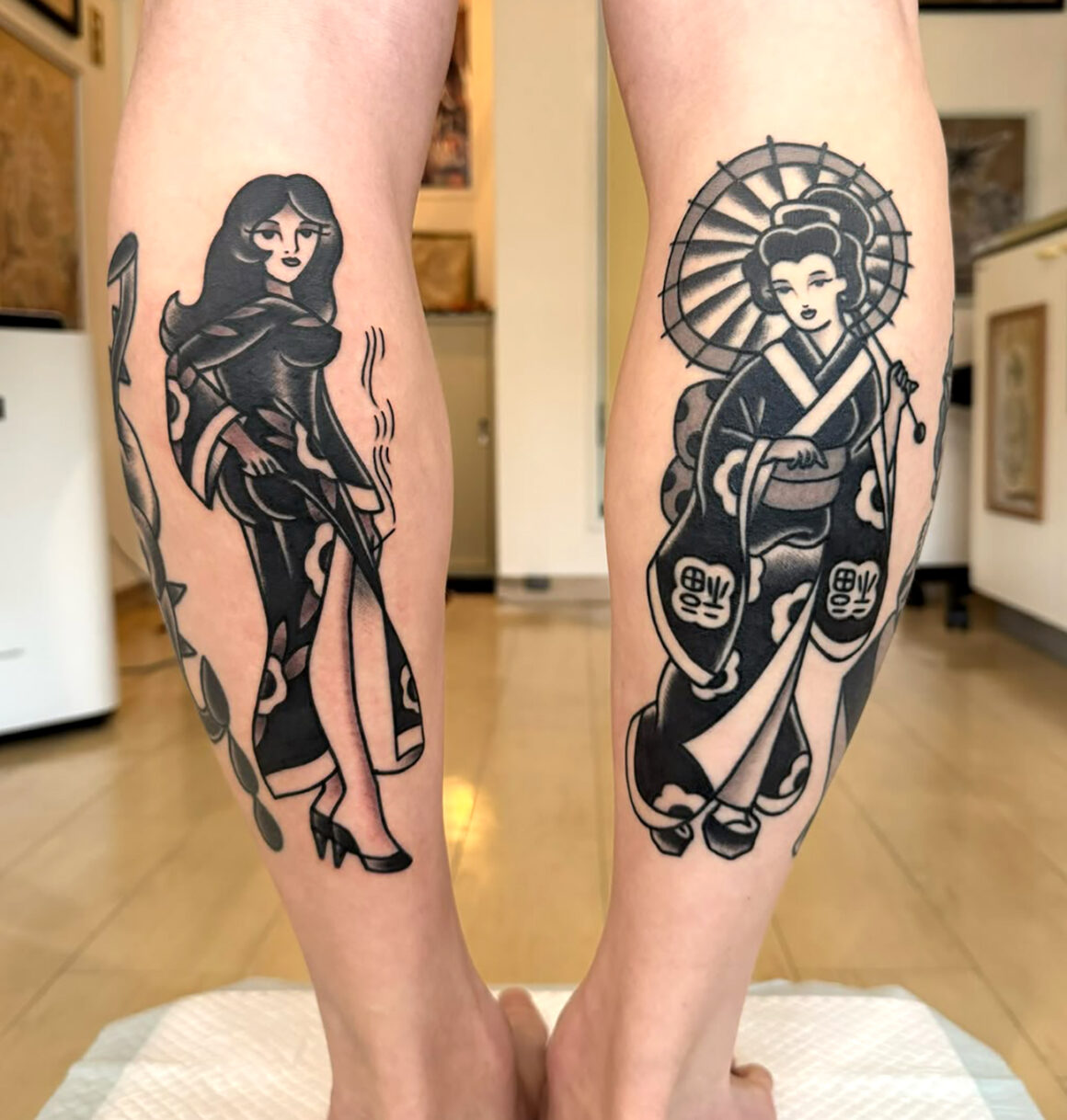
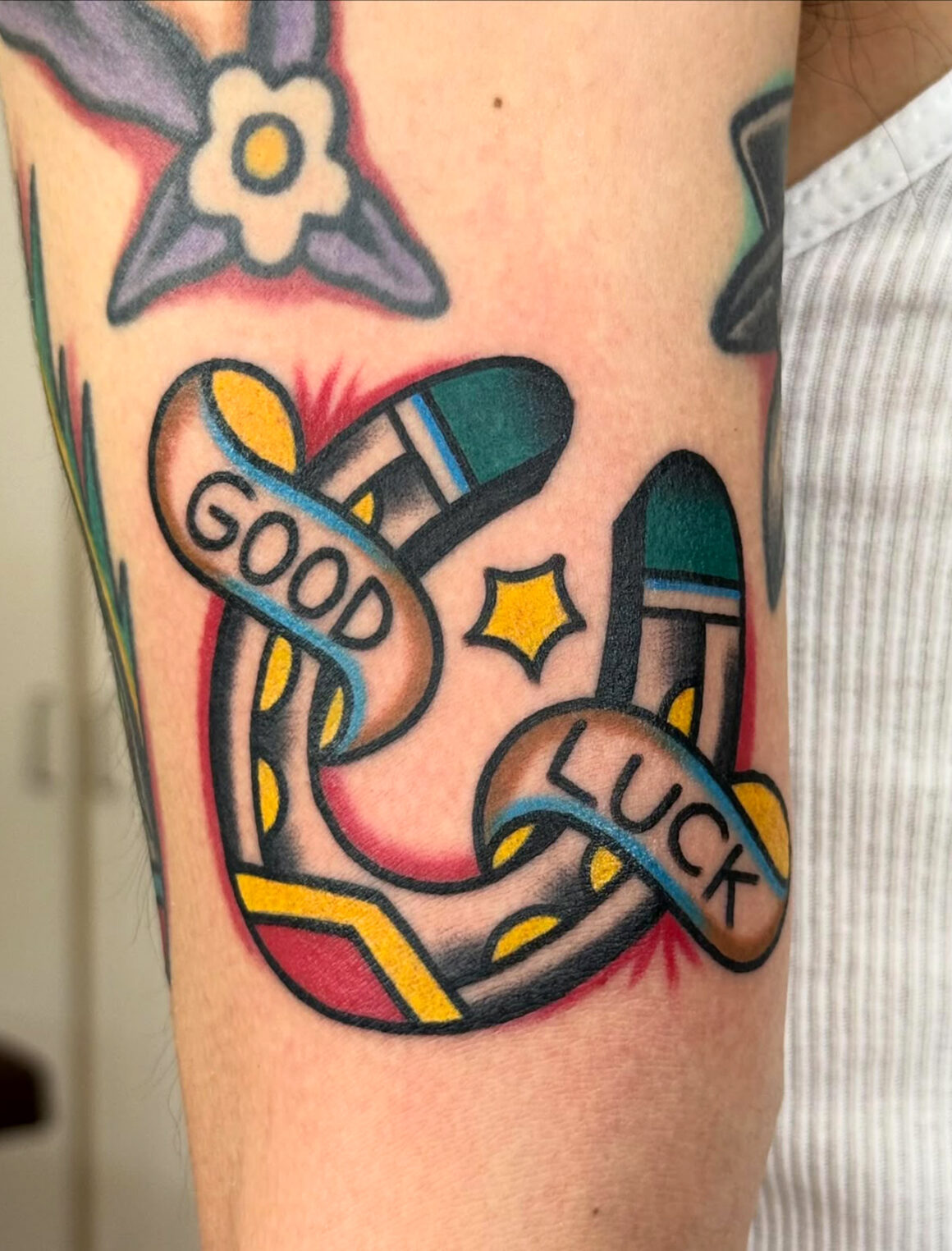
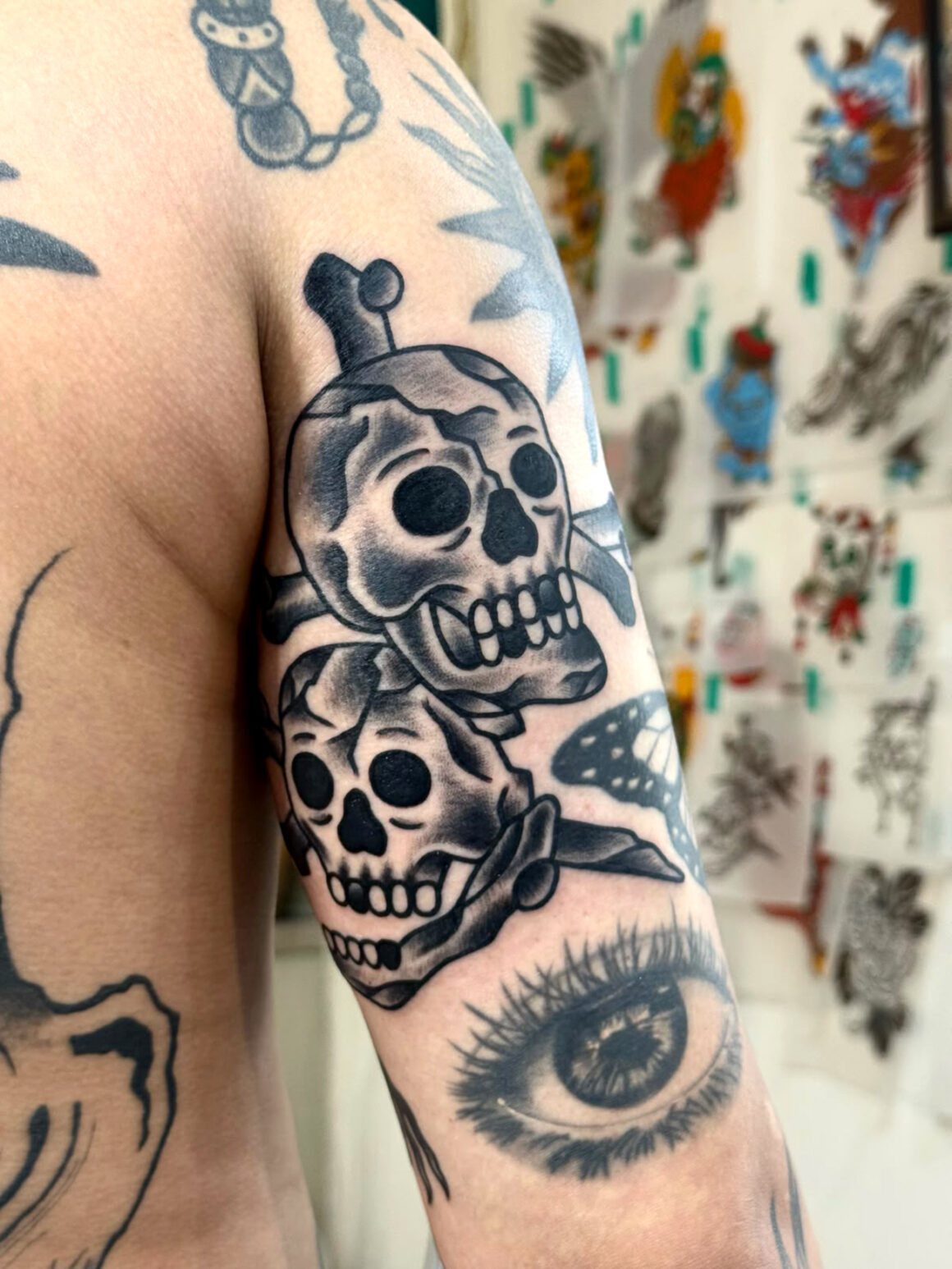
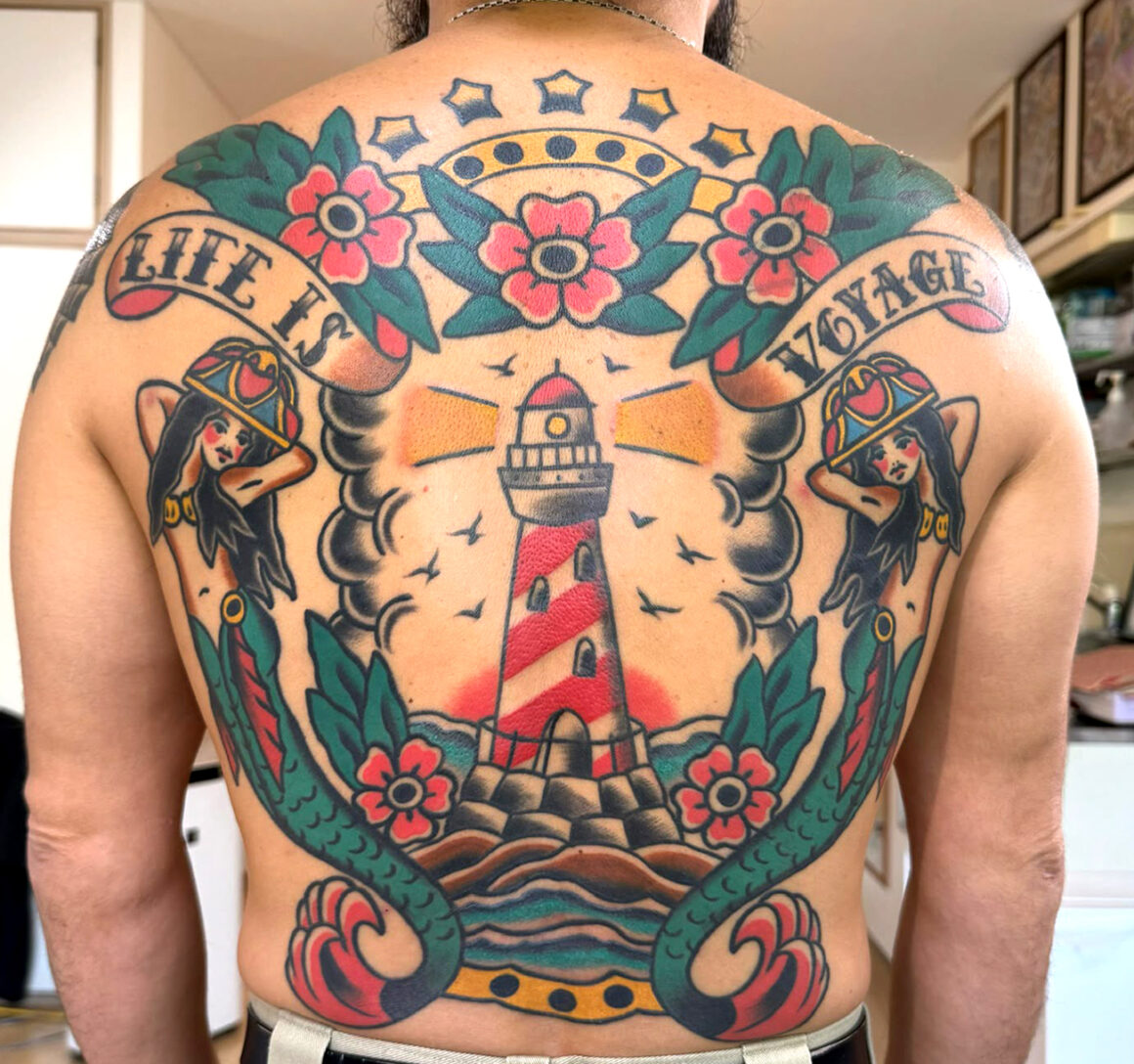
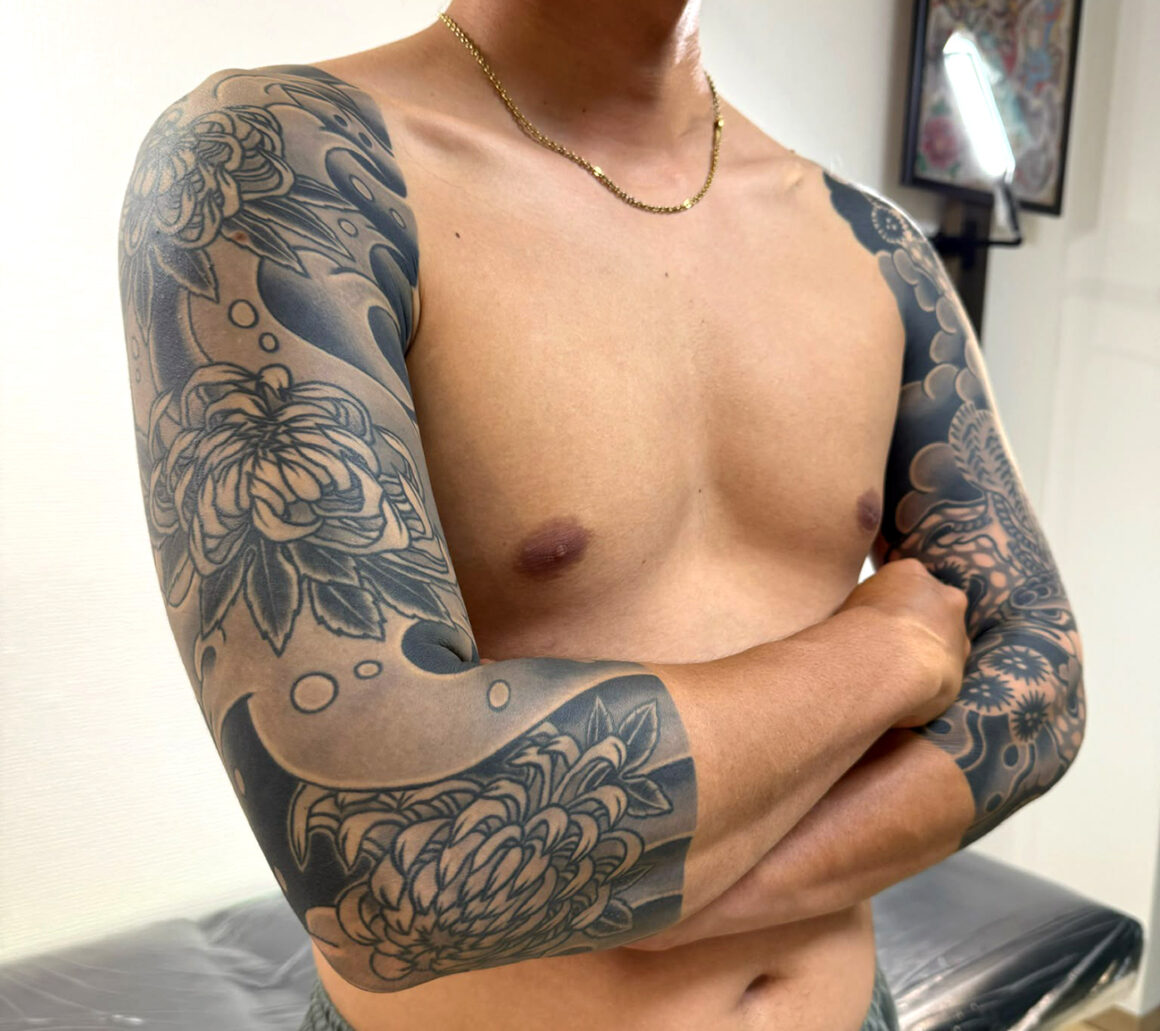
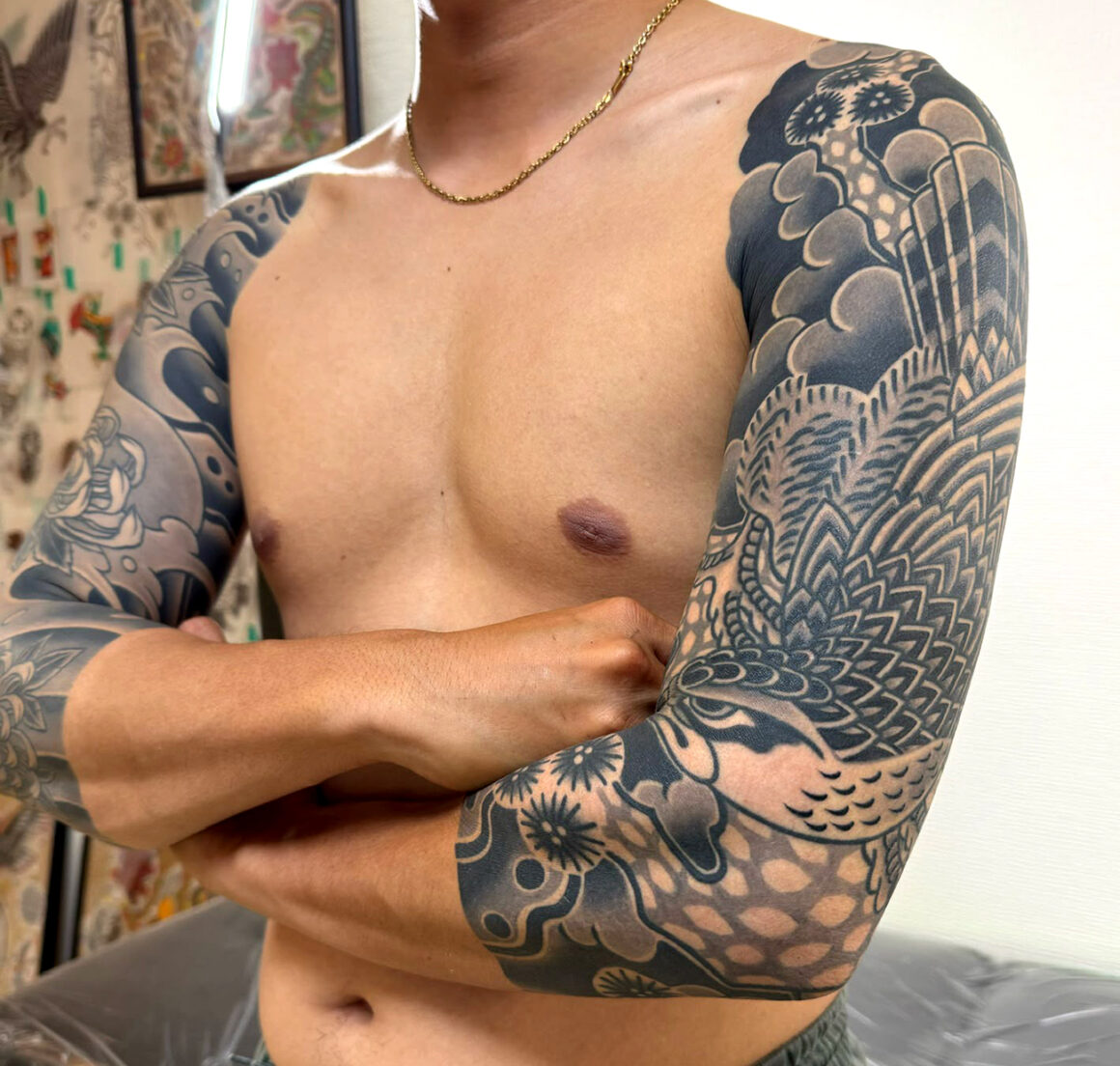
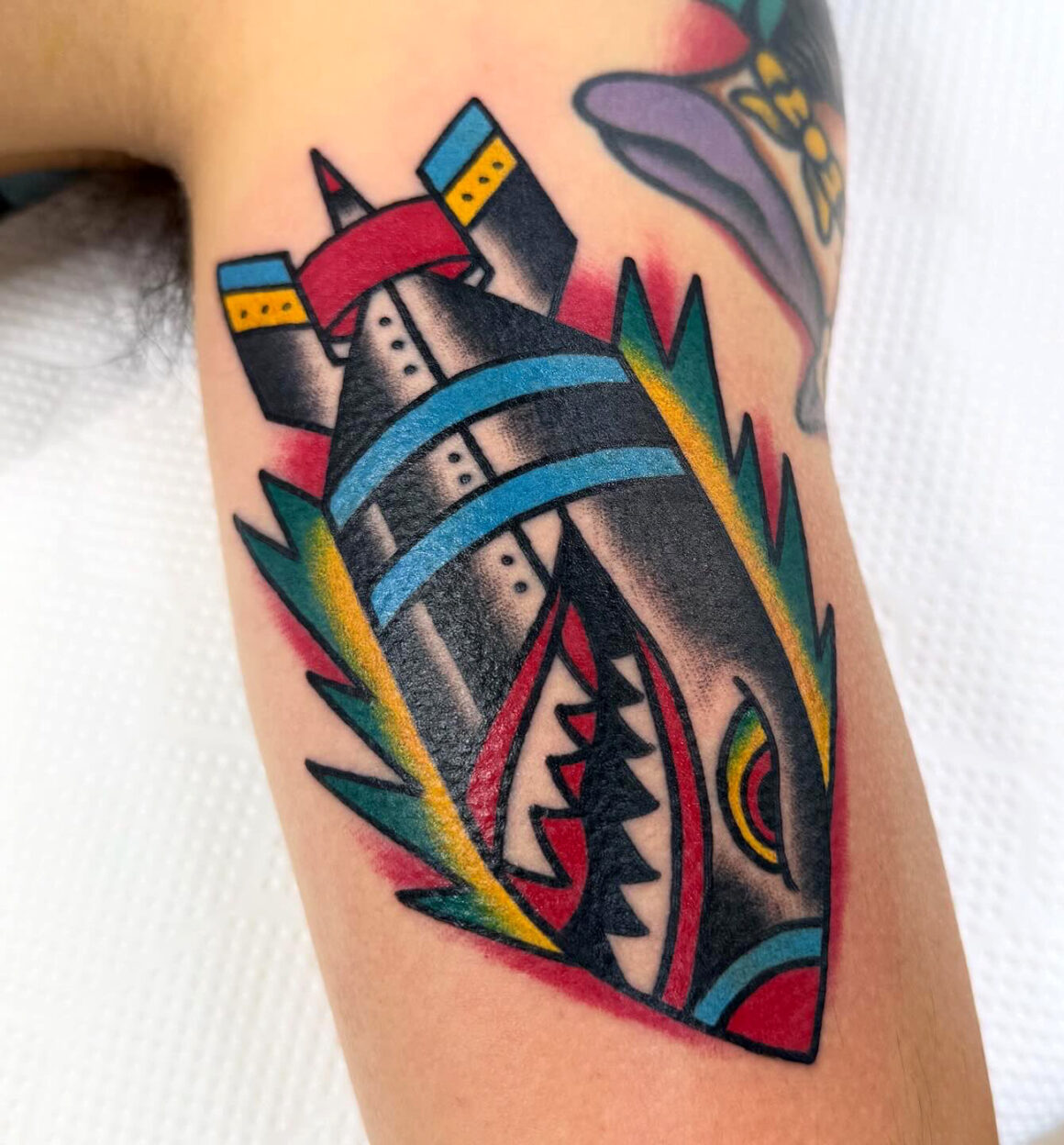
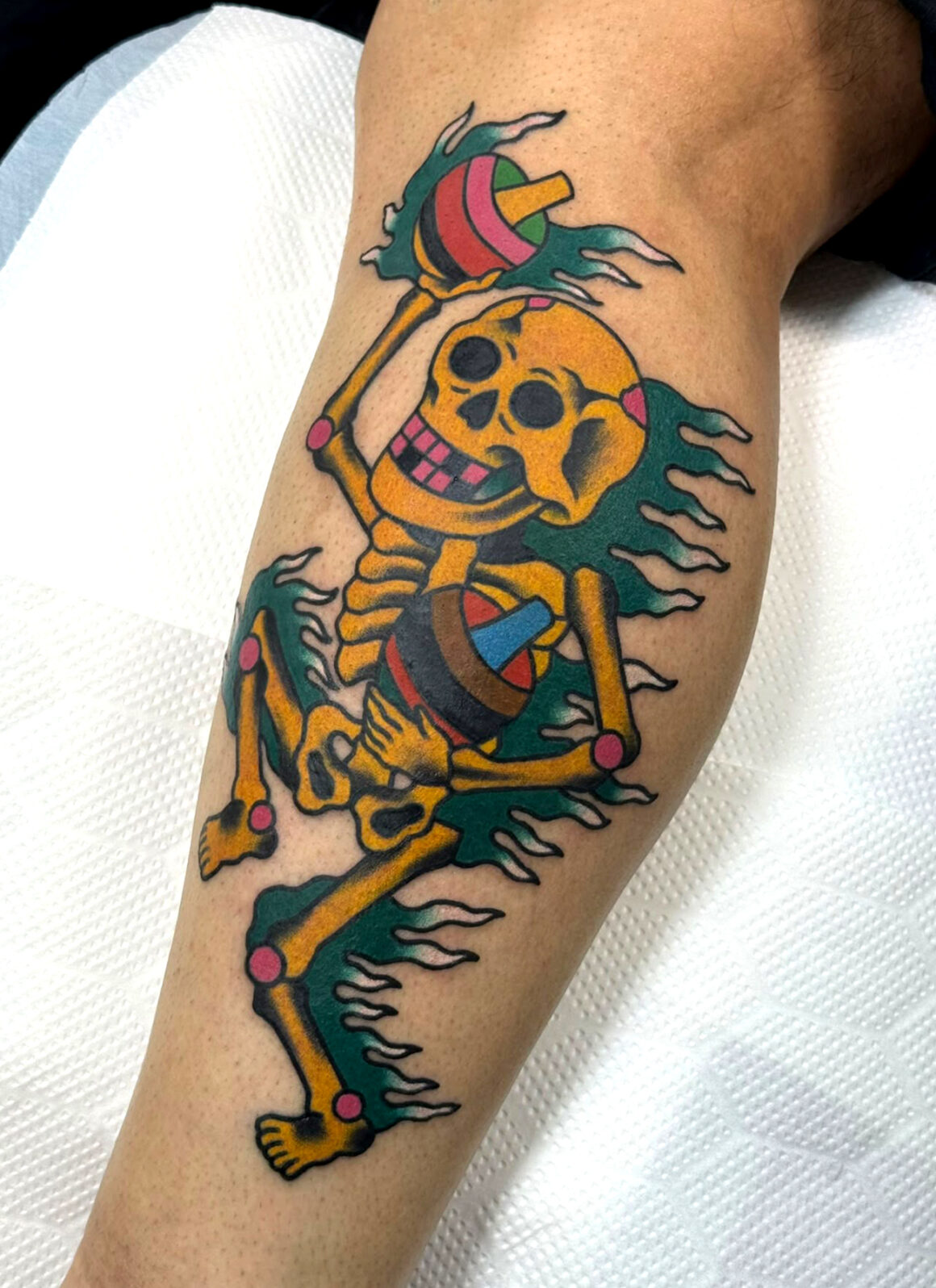
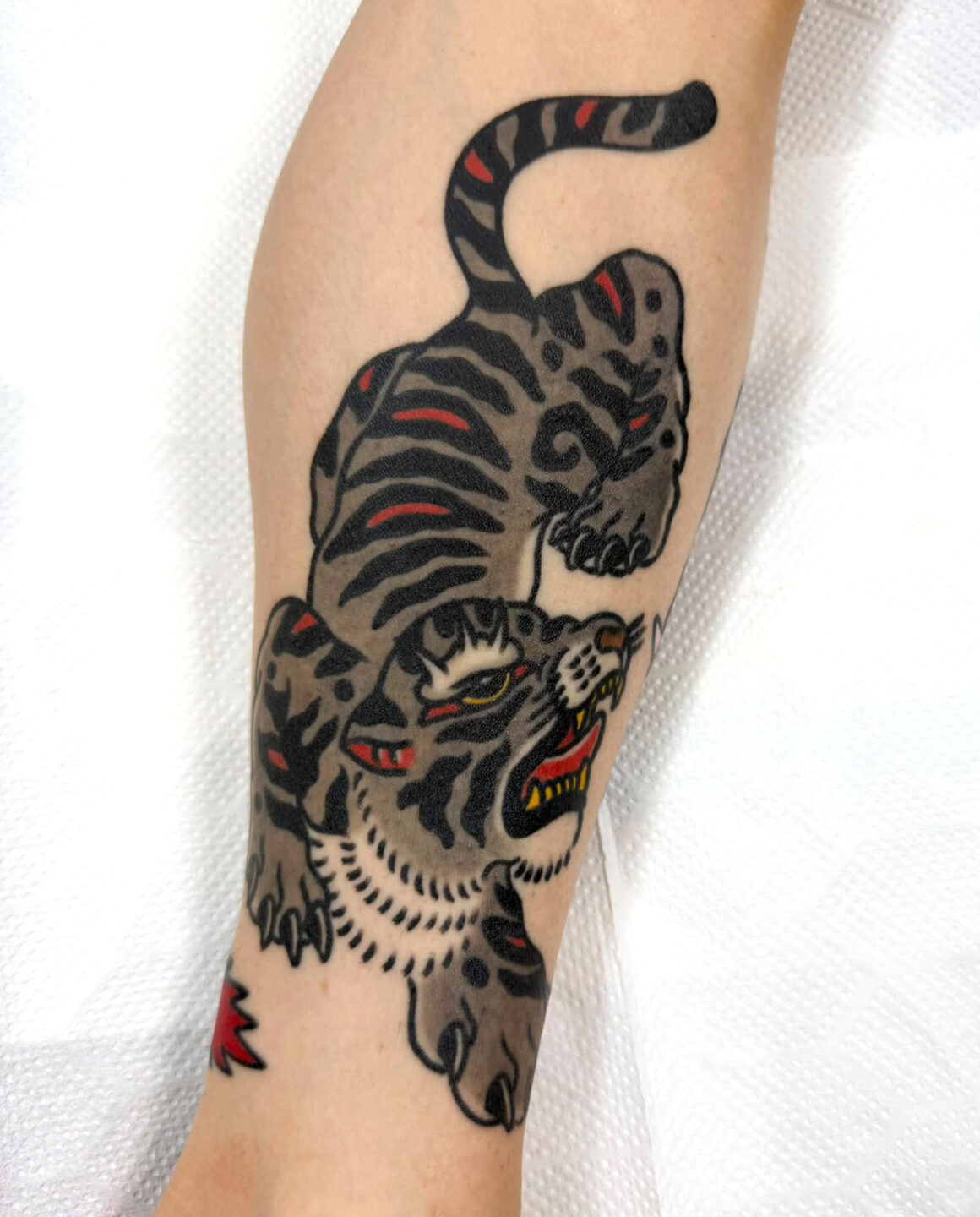
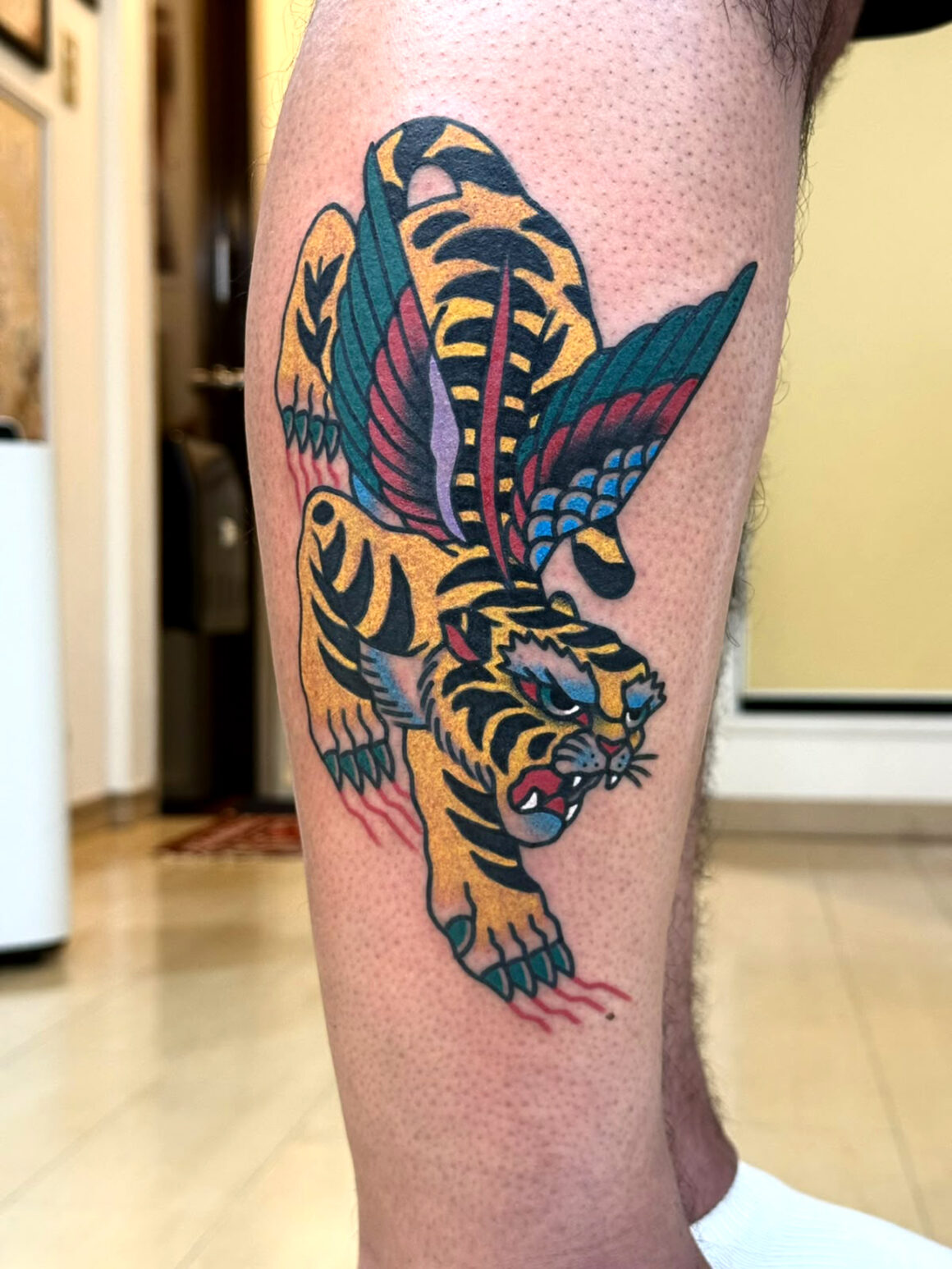
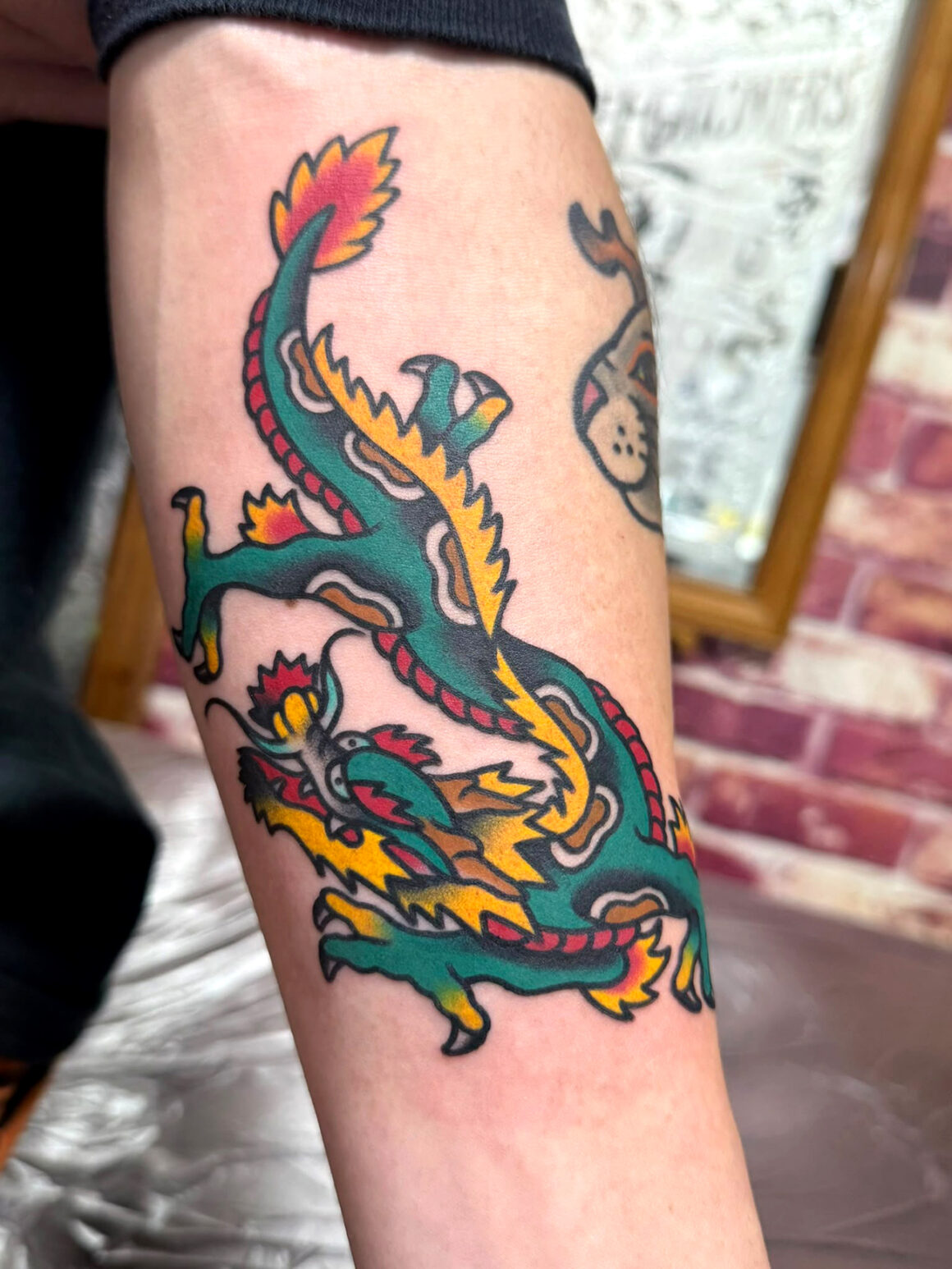
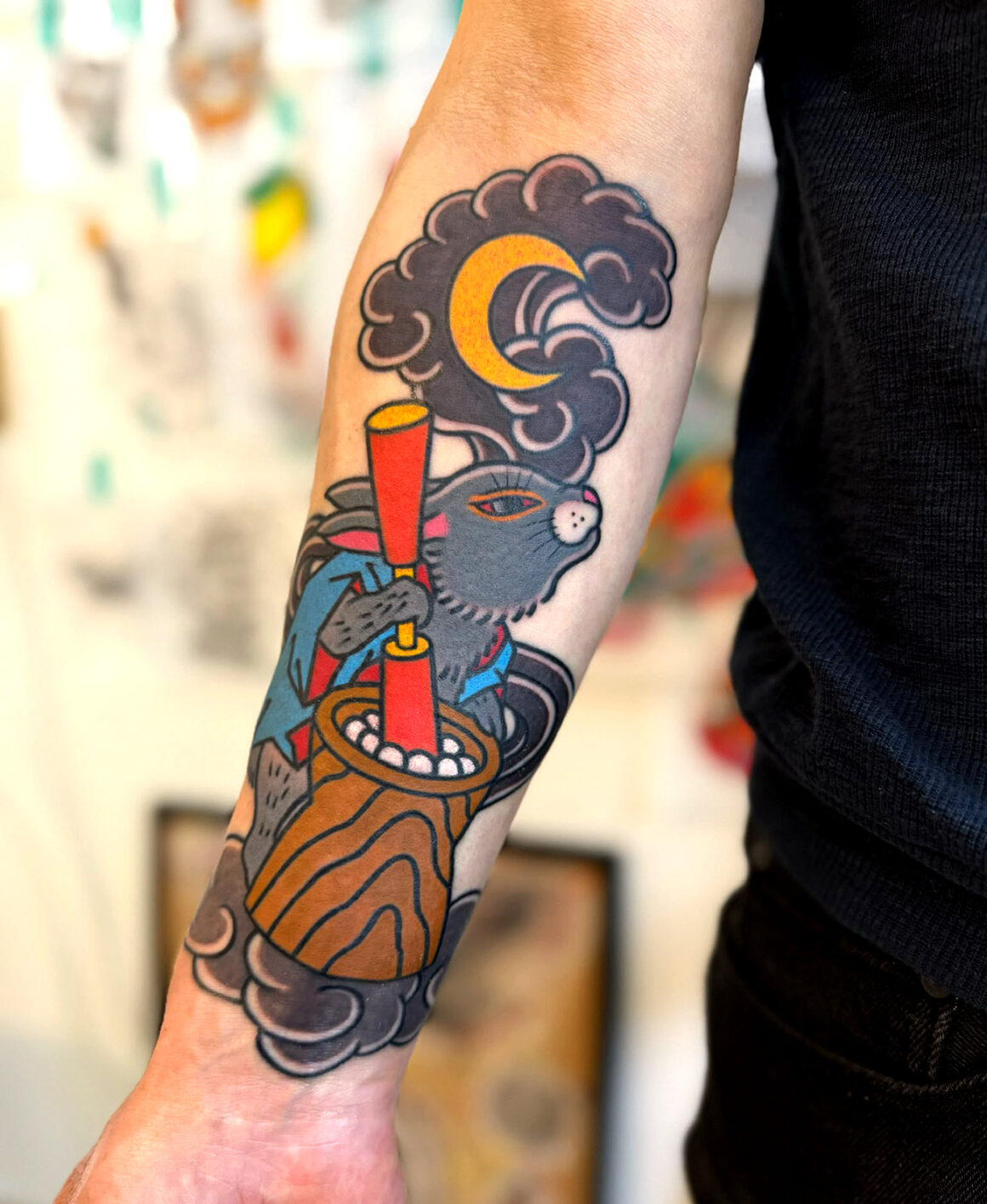
The styles I prefer are American traditional tattooing and traditional Japanese tattooing (wabori). I’m drawn to anything that has a history and a legacy behind it. At first glance, these two styles may seem very different, but what they have in common is that they have been passed down from generation to generation.
It is this rich history that fascinates me and that now forms the foundation of my own style.
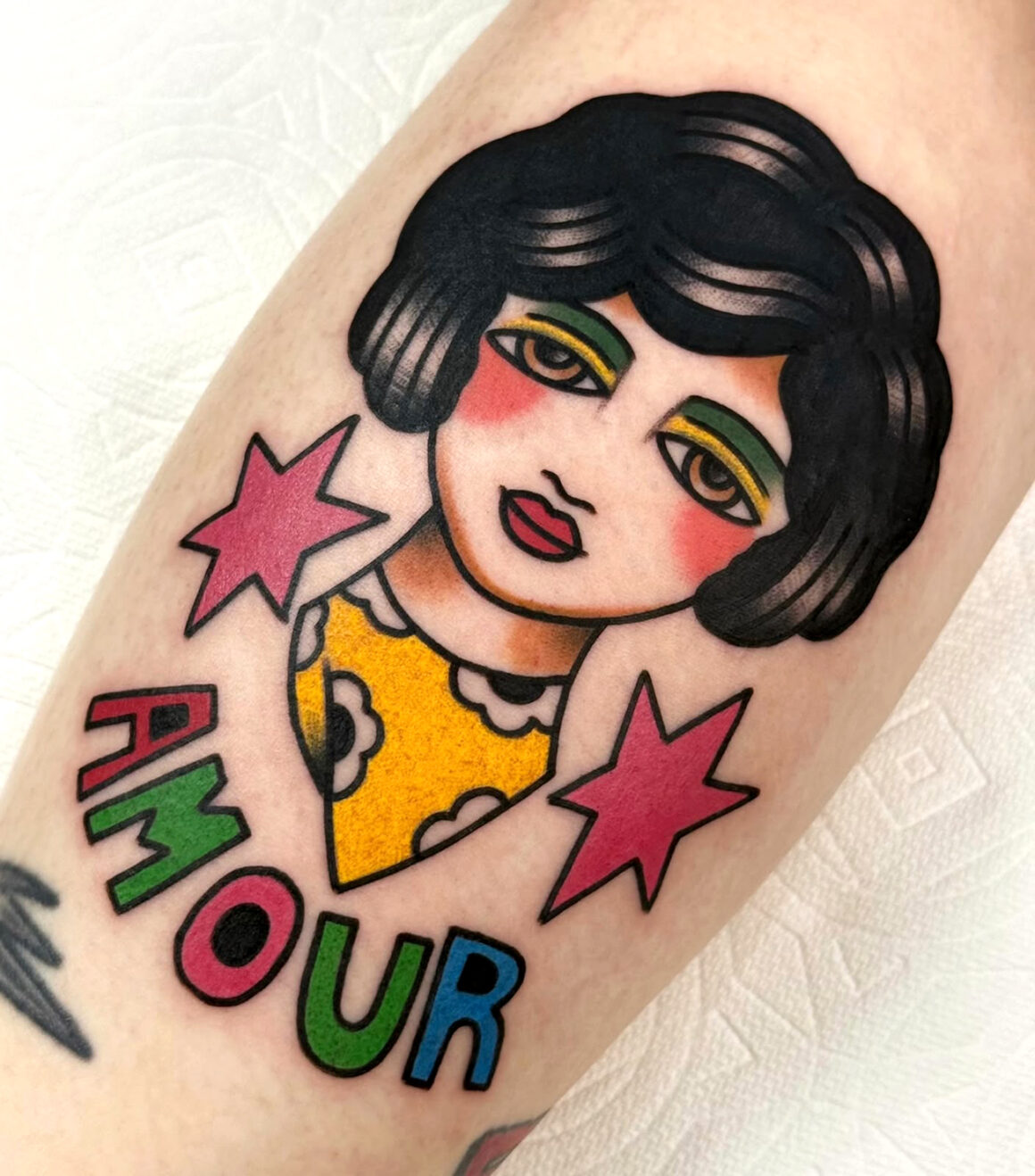
How would you describe your approach to tattooing? Do you consider yourself more of a craftsman or an artist, and what place do tattooing and your other creative activities occupy in your journey?
If I had to choose, I would say that I have more of a craftsman’s temperament. That probably suits me best. Tattooing is much more than simply a means of expression for me: it is an integral part of my life. I place great importance on human relationships, and tattooing has this unique ability to bring people together and create a genuine sense of community. At the same time, I’m developing other graphic design projects. I create logos, visuals for clothing brands, and I also occasionally paint murals. All of these practices naturally complement one another and fuel my creativity, even though tattooing remains at the heart of my work.
Do you remember exactly when the police raided your studio?
I don’t remember the exact date, but it was about eleven years ago. A large-scale crackdown was suddenly carried out in Osaka. At the center of the case was a specialized pharmacy that supplied products to tattoo artists. Most tattoo artists across Japan were registered as customers of this pharmacy. I was one of them. The pharmacy was selling online products that, by law, had to be sold in person. This constituted a violation of Japan’s pharmaceutical and medical product regulations, so the Osaka Prefectural Police raided the pharmacy. The pharmacy had a list of the tattoo artists registered as customers. Based on this list, a large-scale series of raids targeting tattoo artists began in Osaka.
Five police officers came to raid my studio. Because I had also purchased a product online whose sale over the Internet was prohibited — a disinfectant used for the initial sterilization of tattooing equipment — I became the subject of a further investigation. During the raid, because I did not hold a medical license, the case was reframed as an alleged violation of the Medical Practitioners’ Act. My tattooing equipment, mobile phone, computer, and client lists were among the items temporarily seized. They were returned to me later. I was not arrested, but the investigation and the taking of statements continued while I remained free. I was subsequently subjected to summary prosecution, which led me to take the case to court.
Did you ever consider giving up the fight? What motivated you to take the case to court rather than pay the fine and continue quietly?
I never considered abandoning the legal proceedings. My criminal trial lasted five years. I knew it would be difficult, but it was even more gruelling than I had imagined. I went through moments of frustration and suffering. Yet as long as people continued to support me, I was determined to prevail. I was convinced that what I was doing was right, and it was with that conviction that I faced the trial. In my case, I did have a choice: I could have paid the fine and left it at that, or I could request a full trial. I refused to pay because I found it absurd to require a tattoo artist to hold a medical degree. Not everyone may be in a position to take on such a fight, but when you are faced with an unjust situation, you have to find the courage to make your voice heard. I was fortunate not to be alone: people were willing to stand alongside me and fight this battle together.
Today, looking back, I feel proud of having fought this legal battle.
Is the perception of tattooing changing among younger generations?
Attitudes are changing among younger generations. I have gradually noticed this shift since the end of my trial. Young people have fewer prejudices. More and more people are getting tattooed as a fashion accessory or as a form of personal expression. Slowly but surely, the Japanese tattoo scene is moving in a positive direction. Personally, I believe it is essential to preserve traditions while also knowing how to evolve with the times. The world is constantly changing, and it is important to know how to adapt to these transformations.
Has the verdict really changed the daily lives of Japanese tattoo artists?
I believe the verdict in this case had a considerable impact. Before the ruling, customs authorities would sometimes even block the import of needles, machines, or tattoo inks. Today, the Supreme Court has recognized tattoo artists as professionals engaged in a legitimate occupation. The tools of the trade, such as needles and machines, are now officially recognized as well. We are also seeing many young tattoo artists entering the field. I am convinced that, without this trial, the tattoo scene in Japan would not exist in its current form.
Have you noticed any concrete changes since the ruling?
Since the ruling, more and more companies have become willing to employ people with tattoos. Of course, there are still many issues surrounding tattooing in Japan, but attitudes and perceptions are gradually changing. Today, I serve on the board of directors of the Japanese Tattoo Artists Association.
My work there focuses primarily on hygiene and safety.
What concerns you most about the future of tattooing in Japan?
What concerns me most about the Japanese tattoo industry is the growing number of tattoo artists who lack sufficient knowledge and training. Japan still has no professional licensing system for tattoo artists. Under these circumstances, problems are inevitable. Through the Tattoo Artists Association, we want to create an environment where everyone can enjoy tattooing safely and with confidence. There is still no specific law regulating tattooing. However, since the court’s ruling, tattooing has officially been recognized as a legitimate profession. In that sense, tattooing is now considered a legal occupation in Japan.
And Barcelona, 15th to 18th october.
8th October 〜 10th October @bisousbisousparis
13th October 〜 14th October @landscapetattoo_bastille
16th October 〜 17th October @109barcelona
22th October 〜 24th October @tstparis