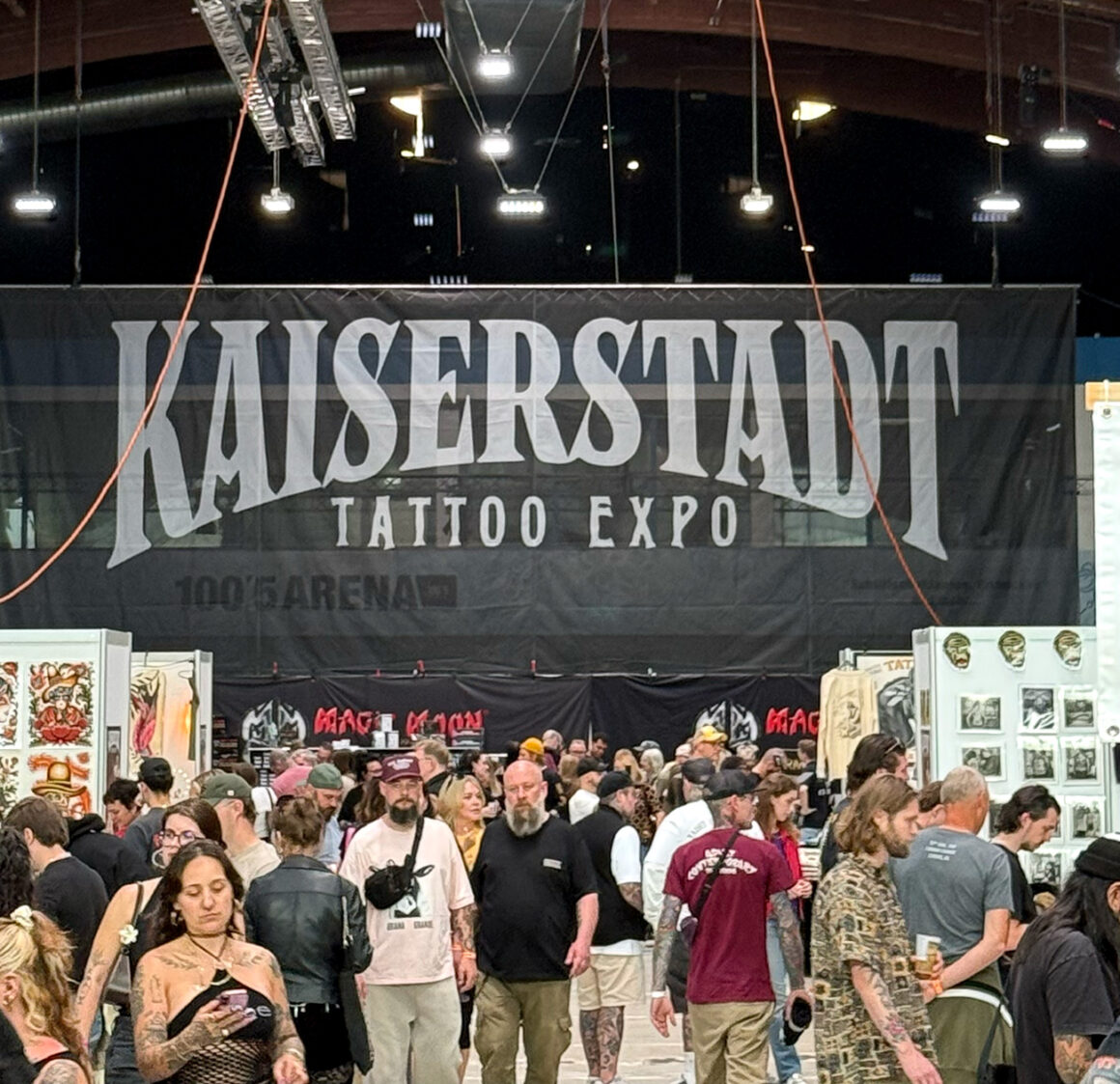


From 18 to 20 September 2026, Aachen hosted the tenth edition of the Kaiserstadt Tattoo Expo, a convention that over the years has built its identity around one clear idea: putting tattooing, and above all the quality of tattooing, at the heart of the event.
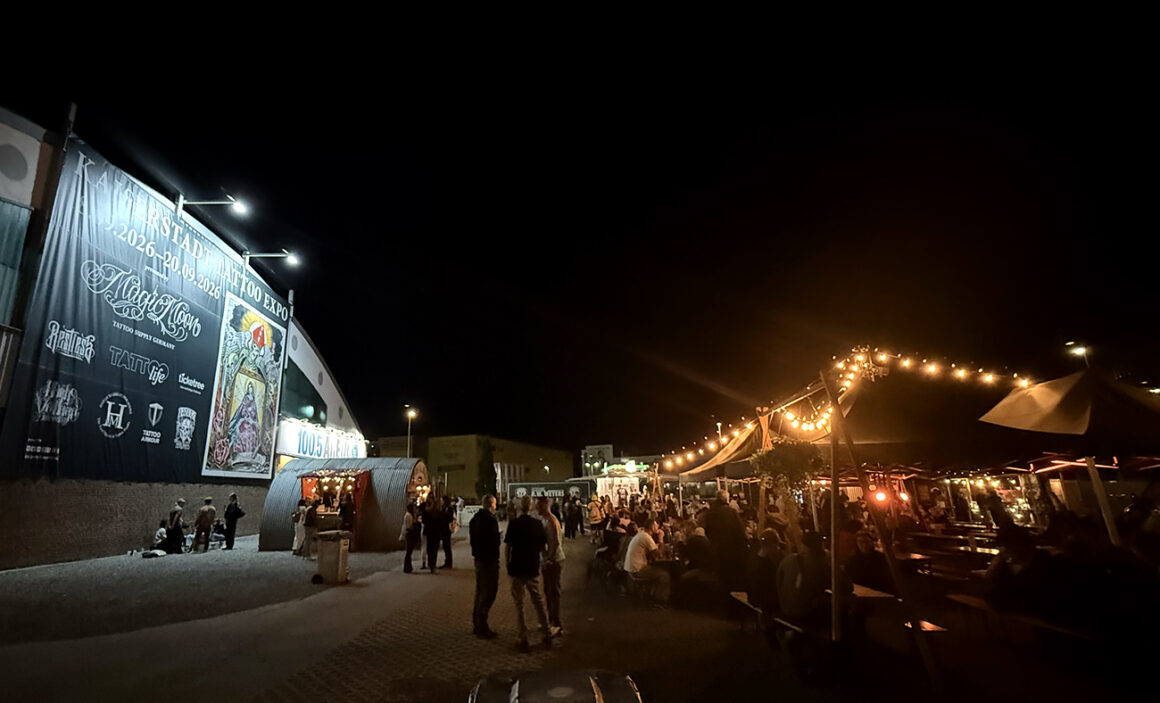
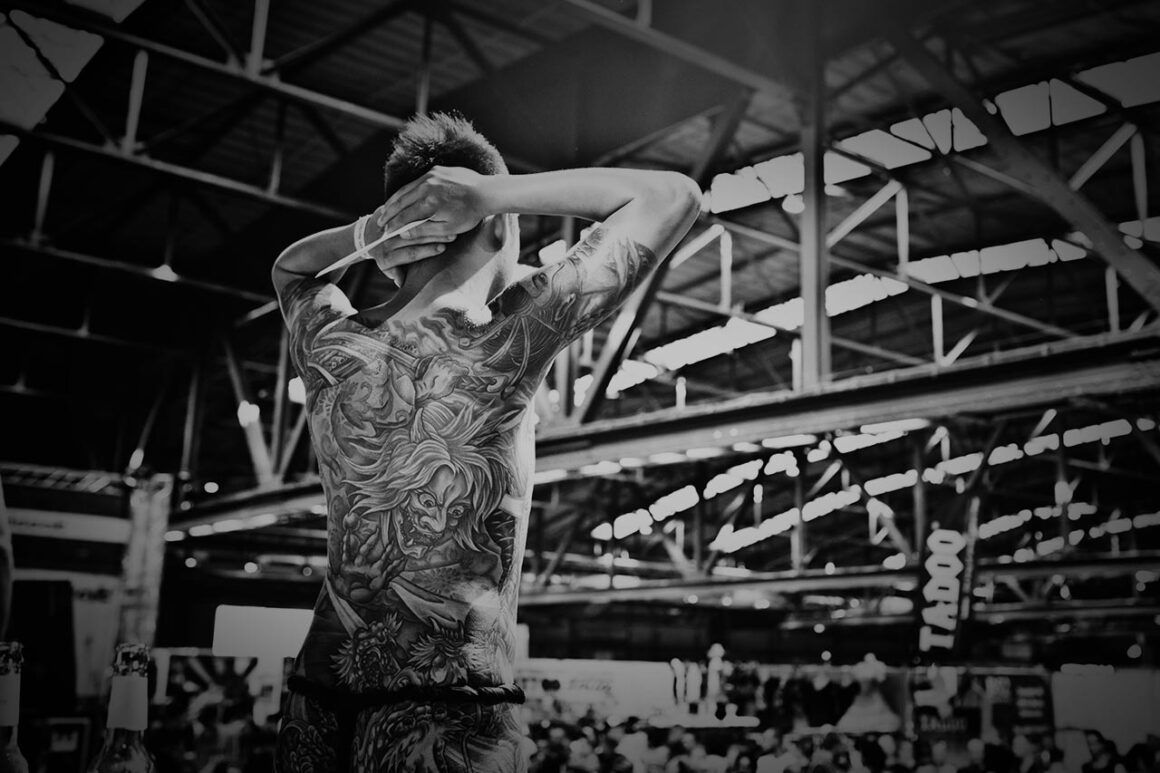
The convention is organised by Andreas Coenen, a tattoo artist and the founder of The Sinner & The Saint Tattoo, a long-established studio in Aachen. It brought together more than a hundred tattoo artists and, for three days, turned the German city into an international meeting point for artists, enthusiasts and tattoo collectors. As in previous years, the tenth edition took place at the 100,5 Arena, a venue normally used for ice sports.
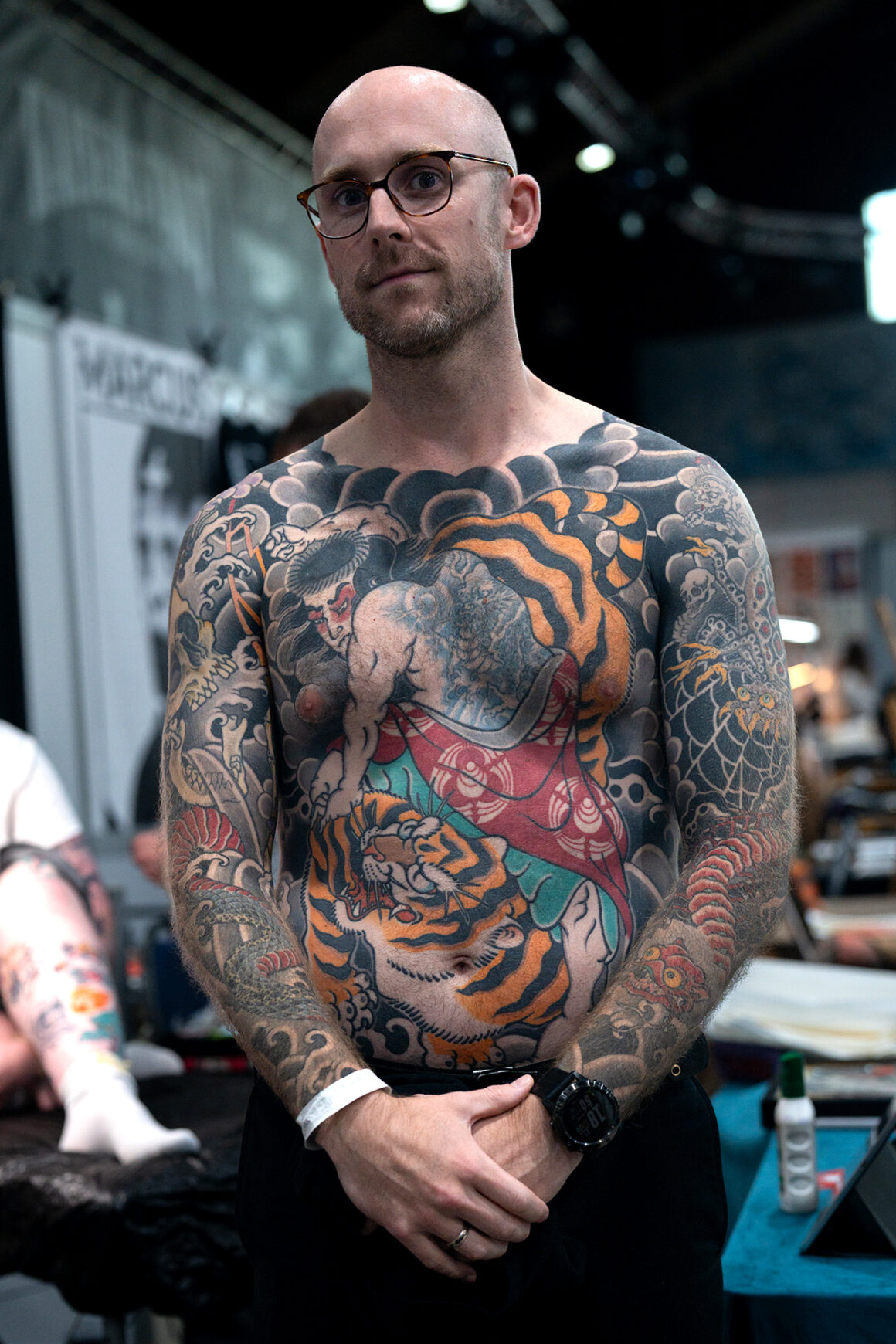
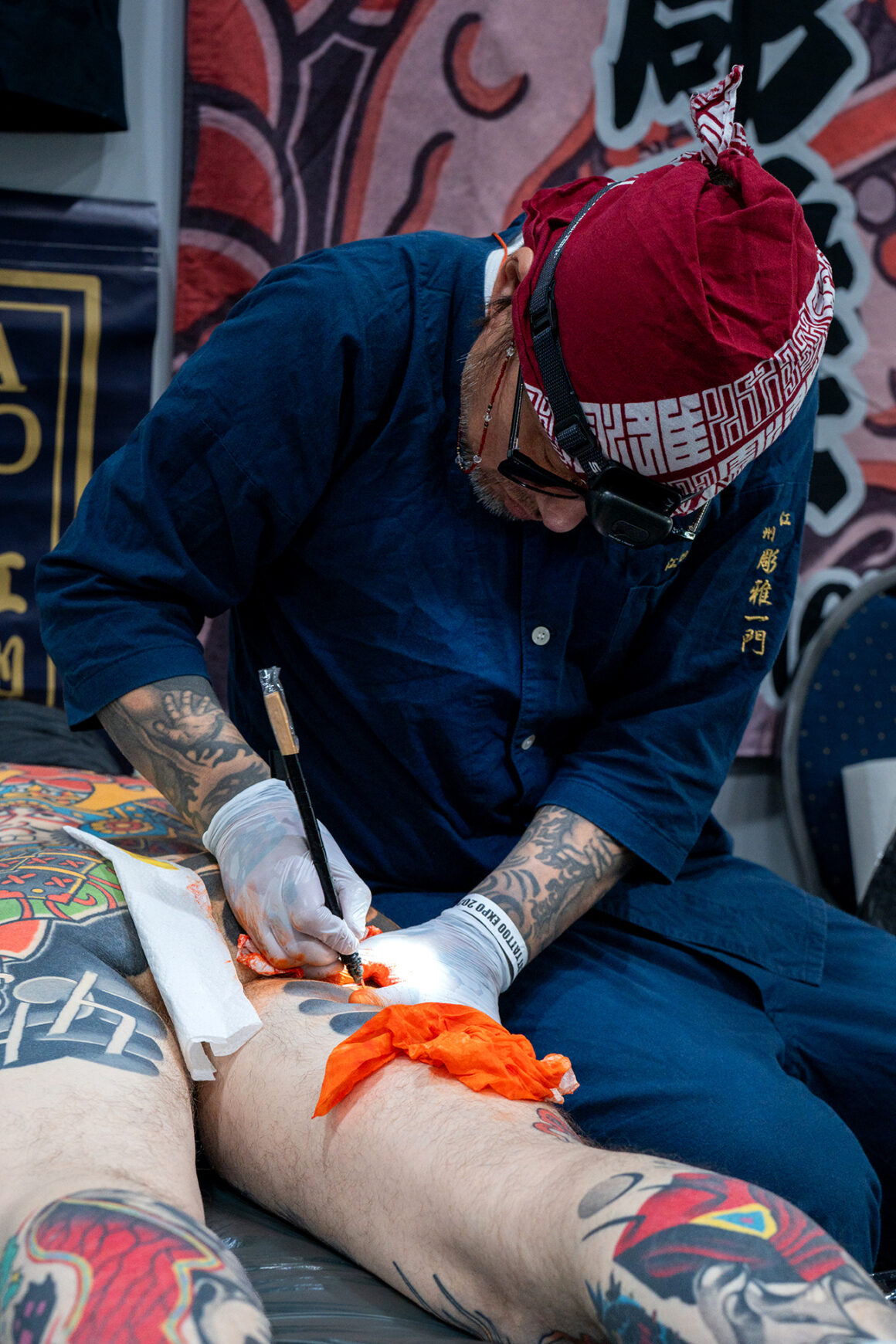
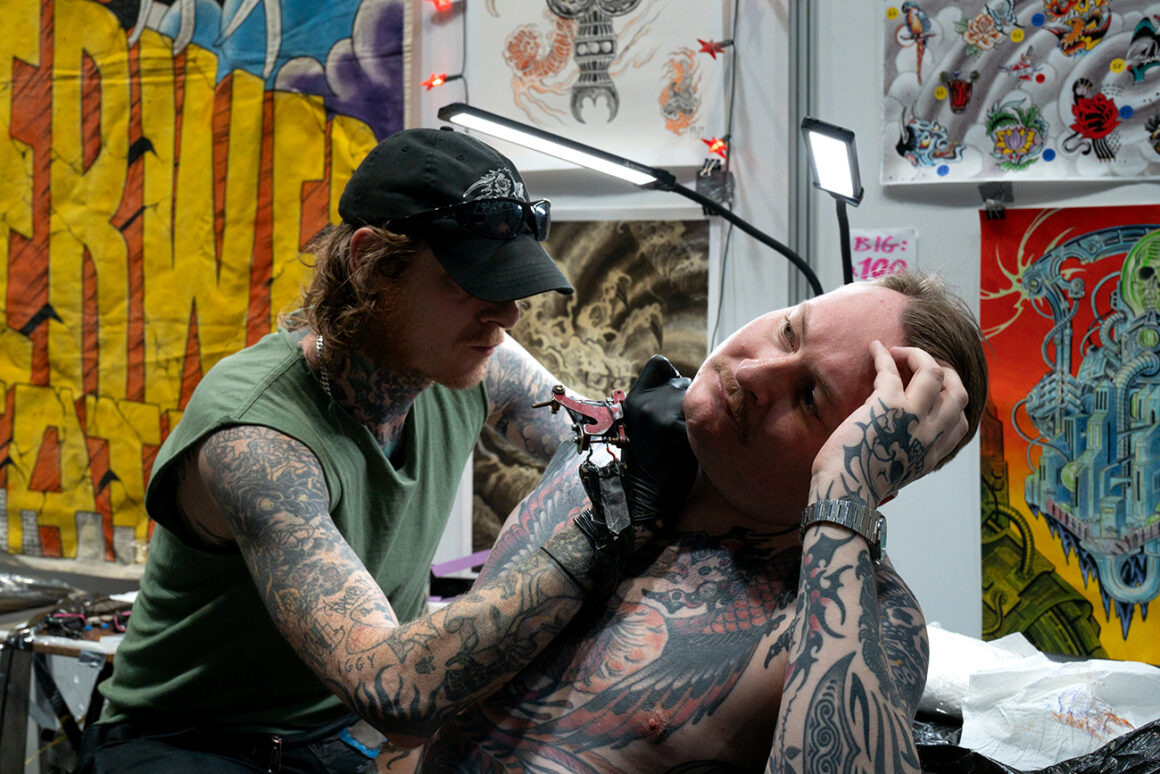
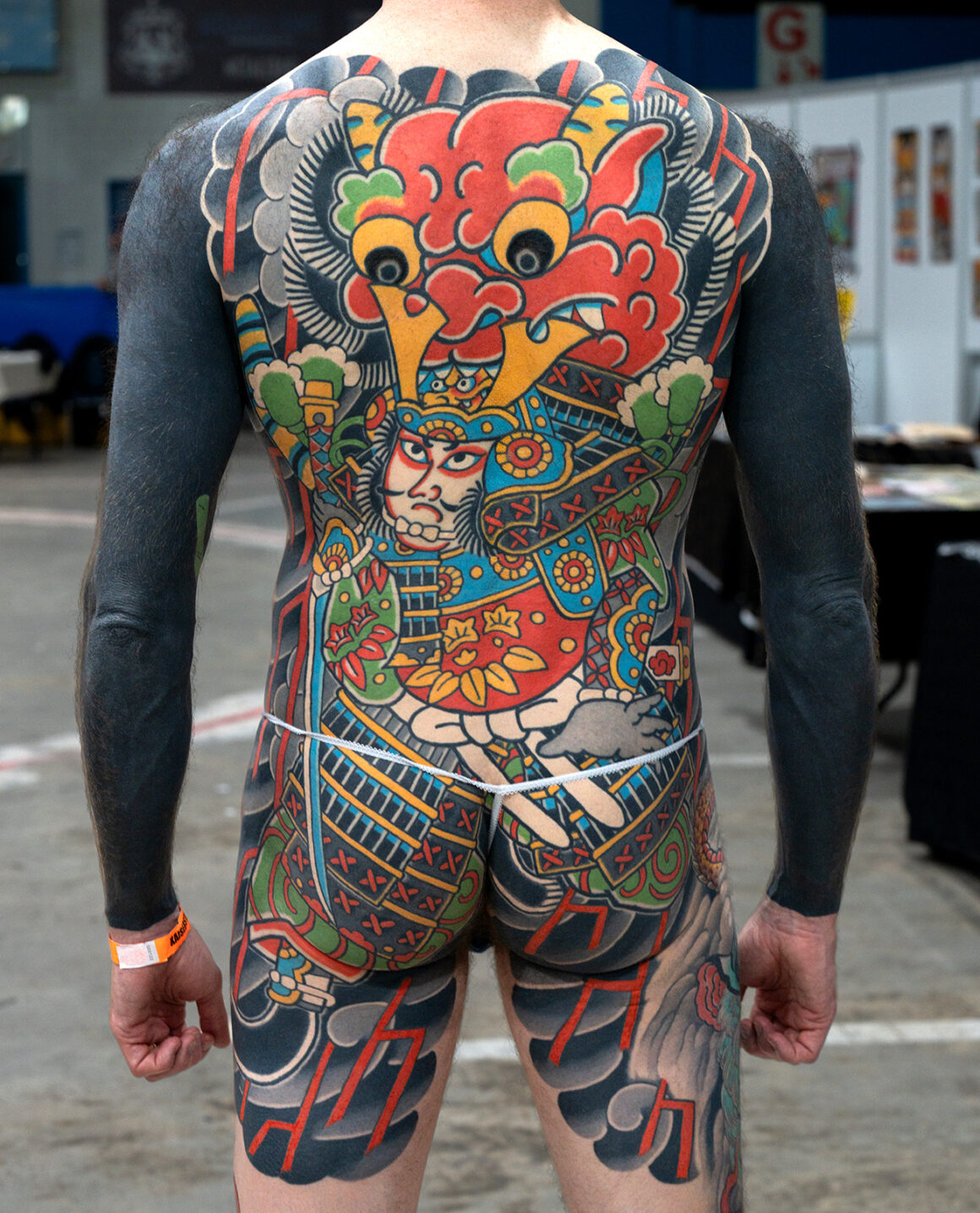
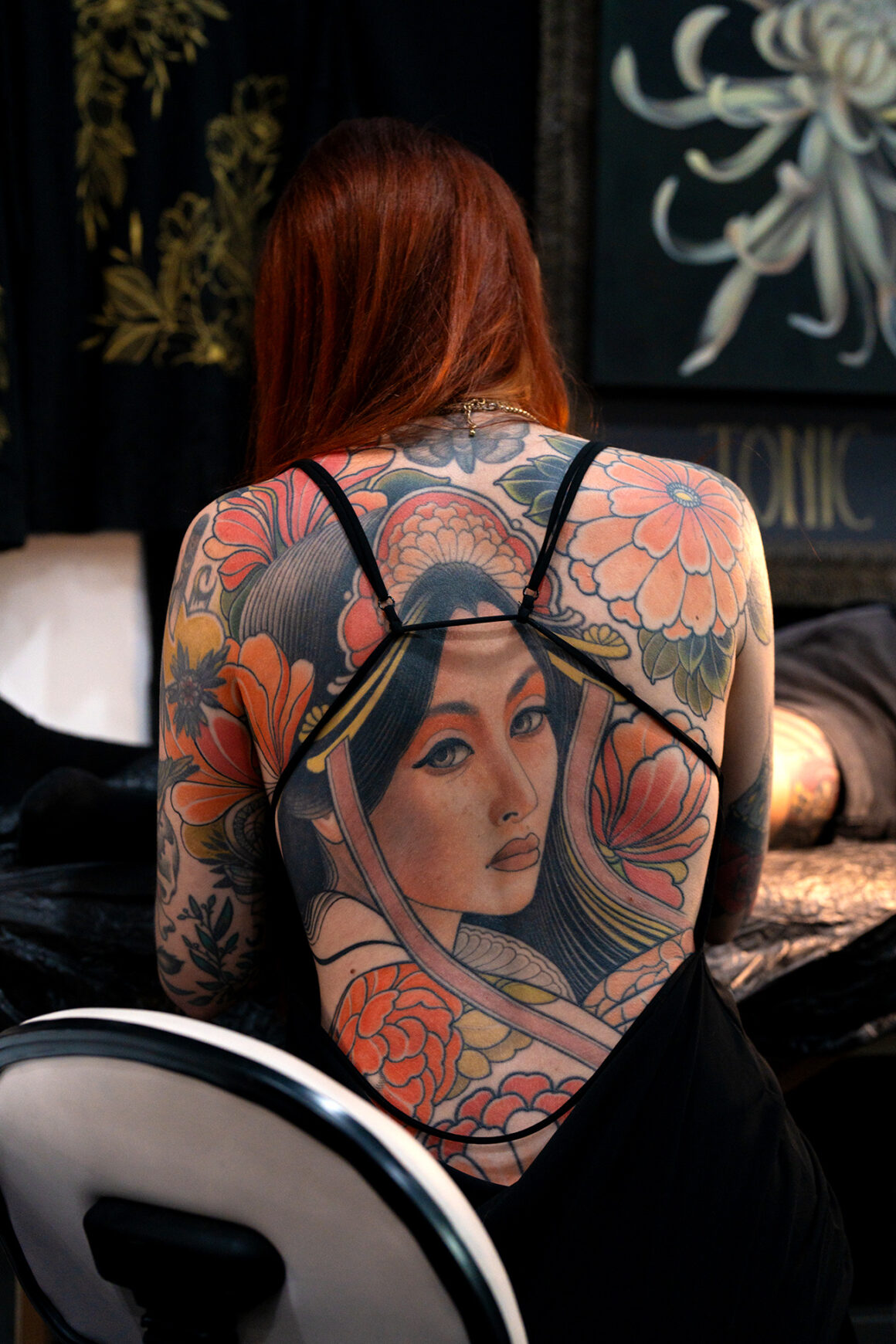
What strikes you from the moment you walk in is the line-up. The Kaiserstadt Tattoo Expo doesn’t seem interested in chasing numbers or spectacle. Instead, it offers a carefully curated programme with a strong focus on tattoo culture and quality. Traditional, Oriental and Japanese tattooing, blackwork and techniques rooted in tradition are among the styles that define the event most.
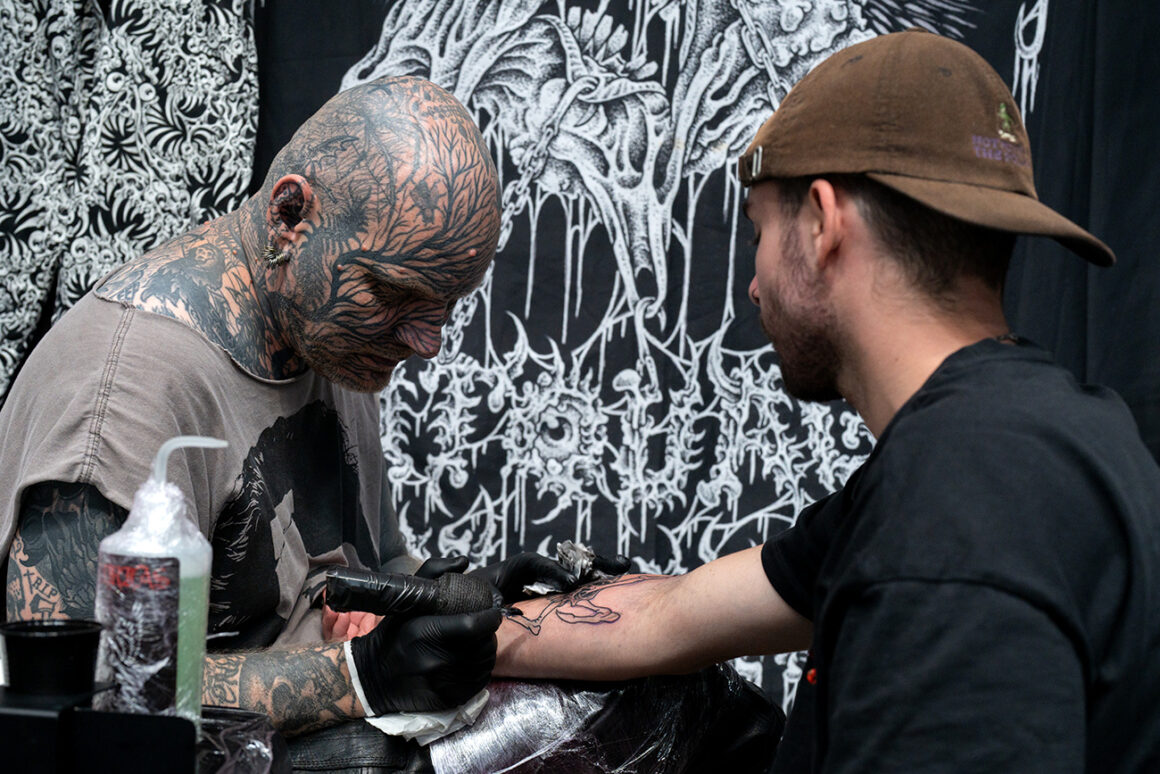
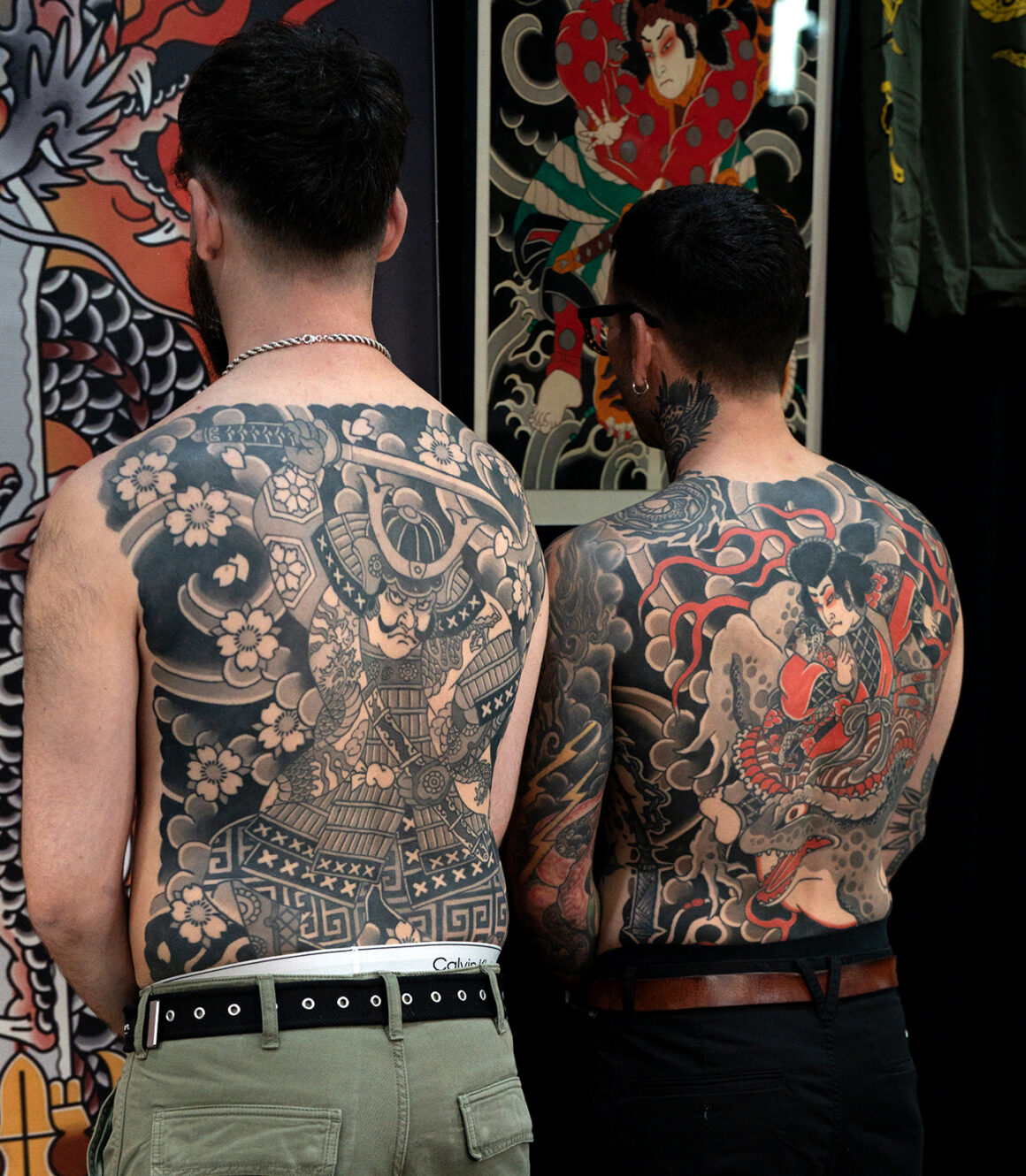
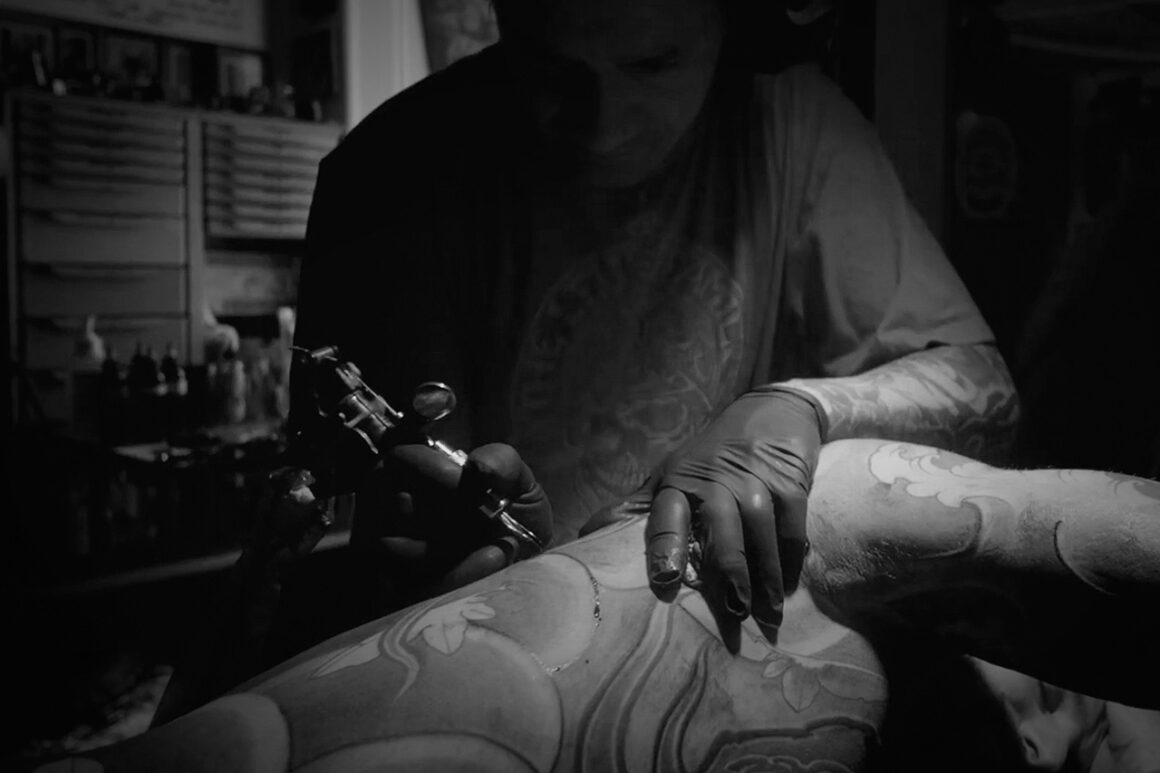
Japanese tattooing and traditional techniques received particular attention. Several artists worked on tatami mats using the tebori technique, creating a space where visitors could watch up close a practice that belongs to the oldest history of Japanese tattooing. Among the artists present were Monta Morino, Horishige 5, Horiyen, Bunshin Horitoshi and Horikyo III.
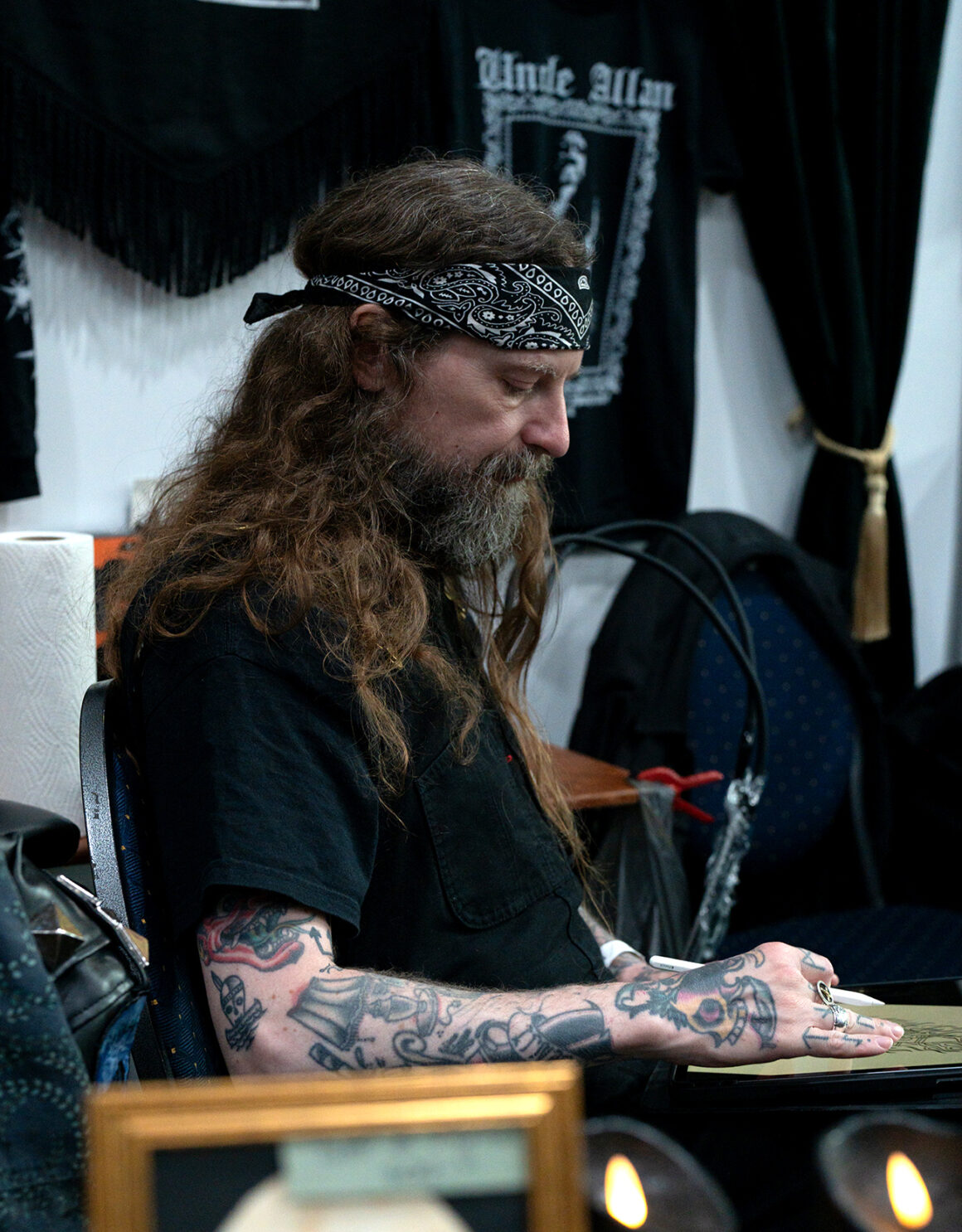
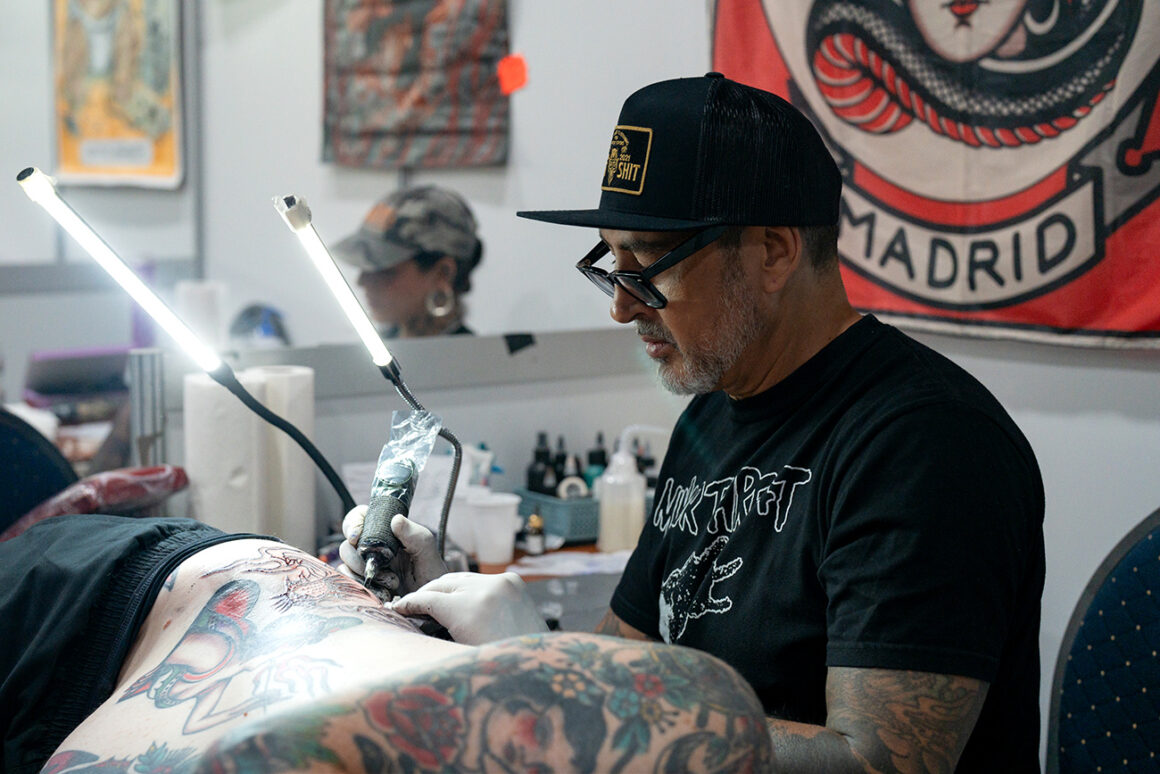
Its international reach is one of the show’s defining features. Artists with different backgrounds, styles and traditions travelled from across Europe and America: Gordon Combs, Scott Sylvia, Paul Dobleman, Derek Noble, Beau Brady, Eiland Hogan, Laurent Trelaun, Tina Platis, Juan Puente, Kylie Greene, Henning Jorgensen, Clemens Hahn, Pino Cafaro, Jen Tonic, Marode, Jens Schnettler, Mick Tattoo, Luke Atkinson, Sway, Deno, Hide Ichibay and many more. This international presence becomes, above all, an opportunity for direct exchange between professionals.
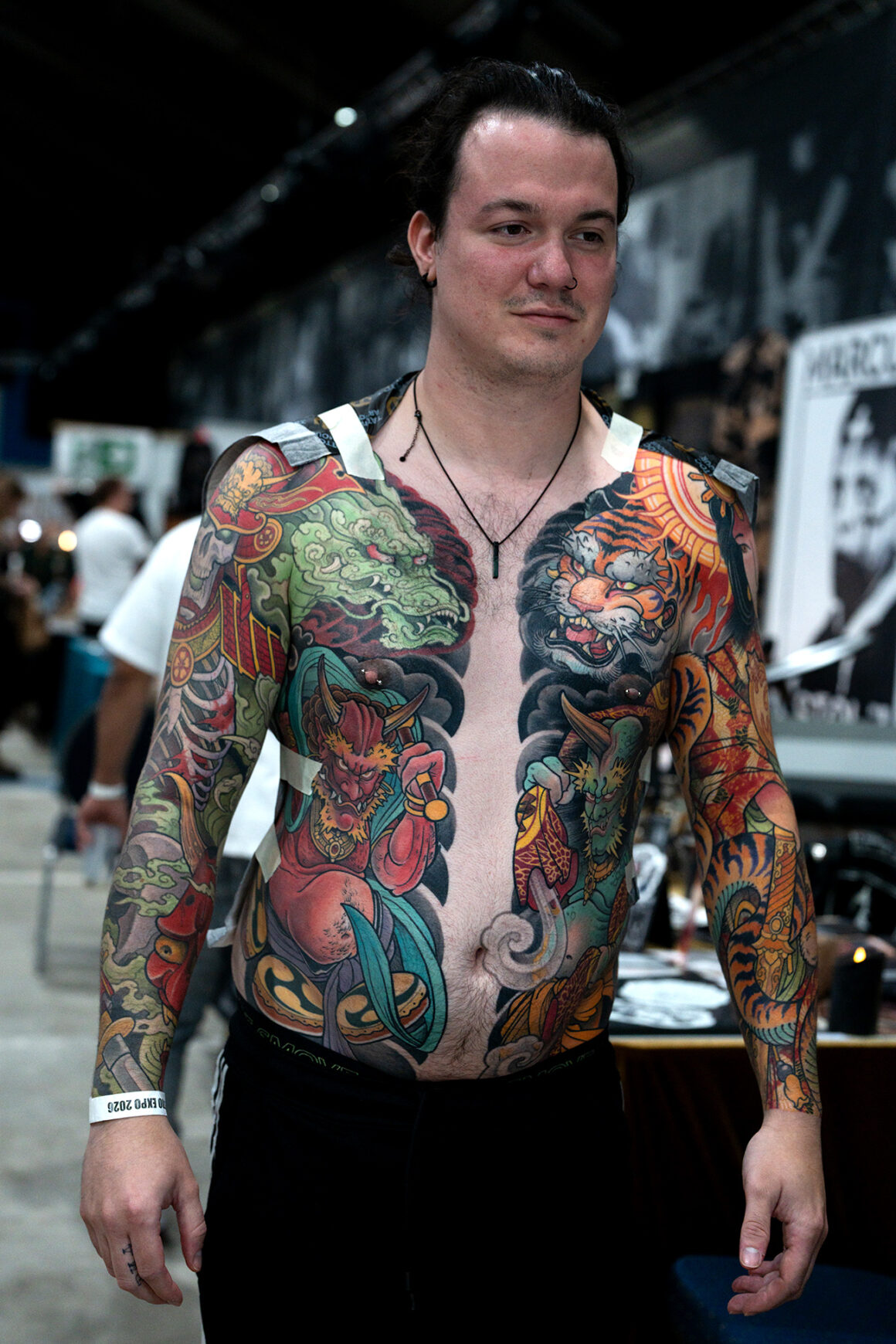
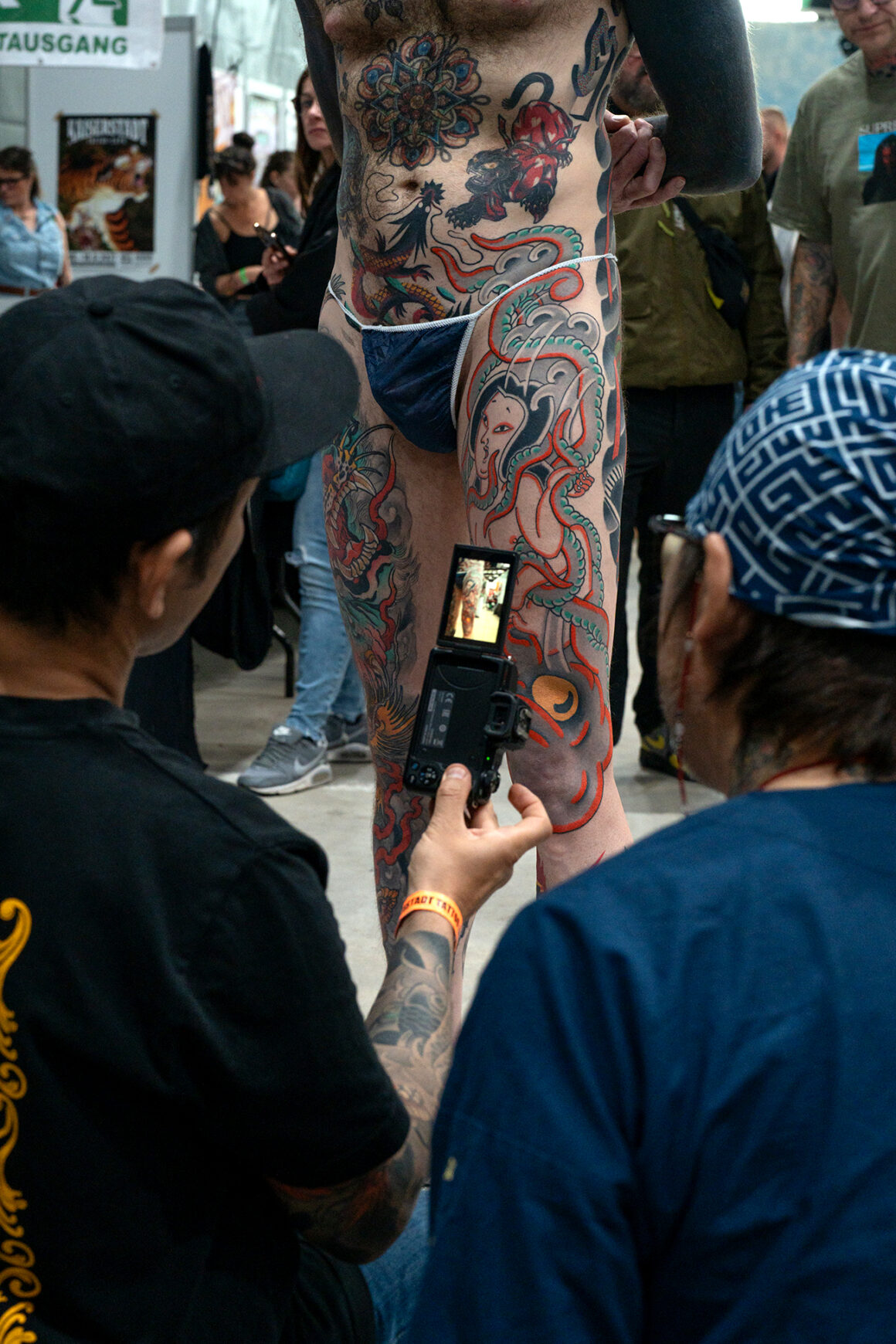
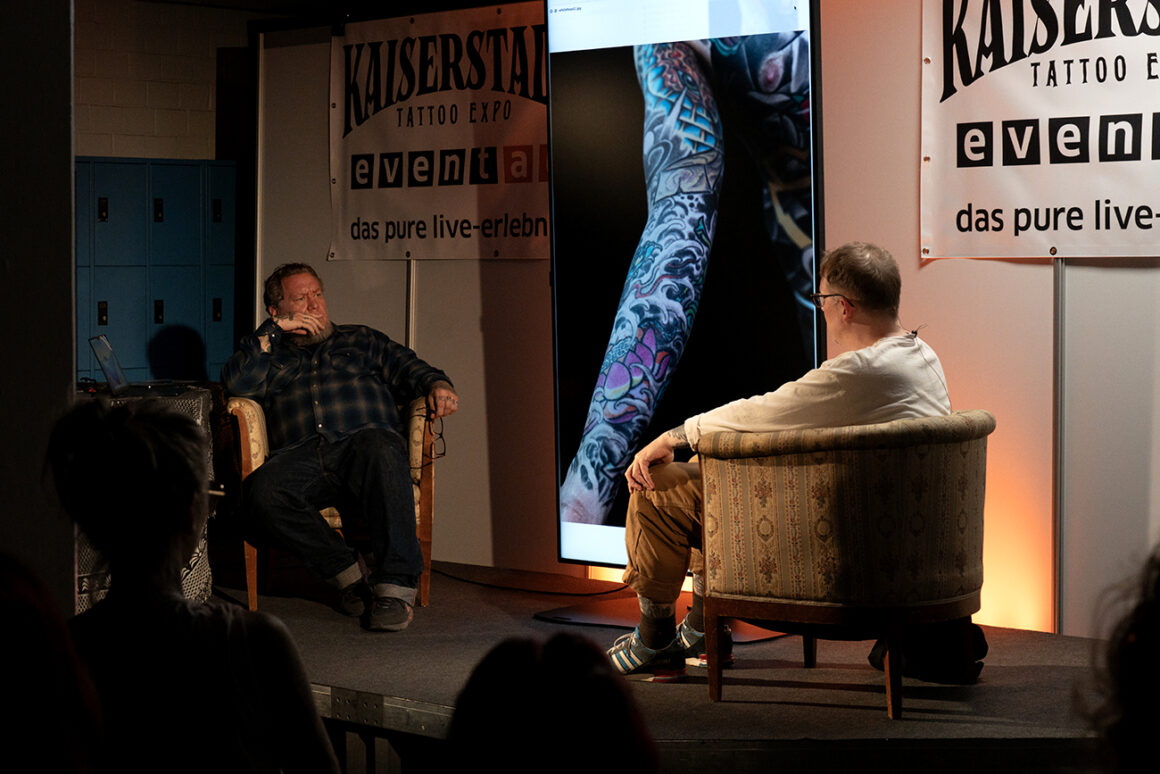
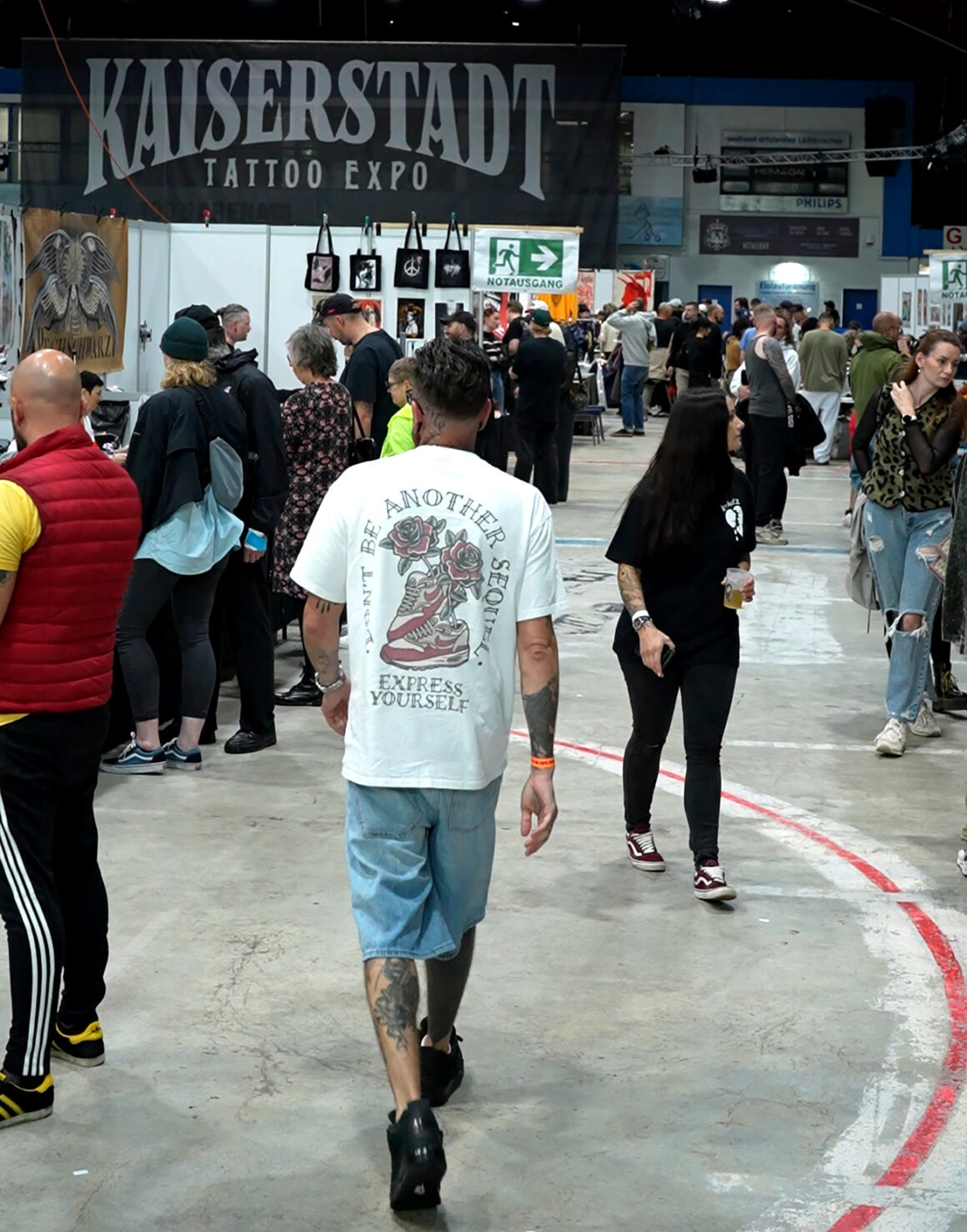
The visitors seem to reflect the same approach. Many are tattoo collectors: people who know the artists and choose them for their style and artistic vision. Walk-ins are of course welcome too, but the overall atmosphere is that of a crowd interested in tattooing as an art form, not simply in the convention as entertainment. And this is exactly where Aachen stands out. There are no contests punctuating the days, no shows, no main stage constantly pulling the crowd’s attention elsewhere. The music, with plenty of 1980s tracks, sets the mood without taking centre stage. The result is an environment built around two main activities: getting tattooed and talking about tattooing.
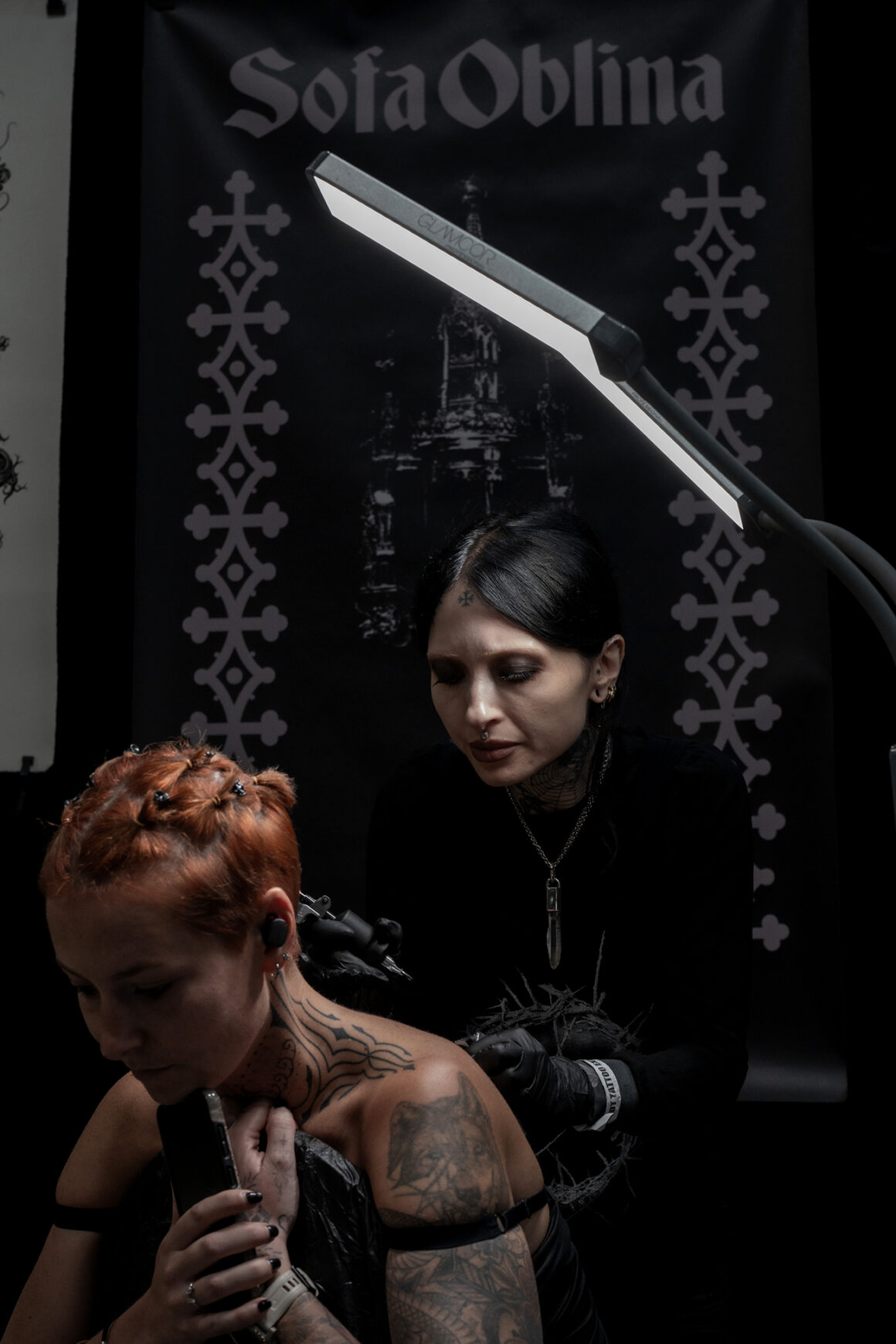
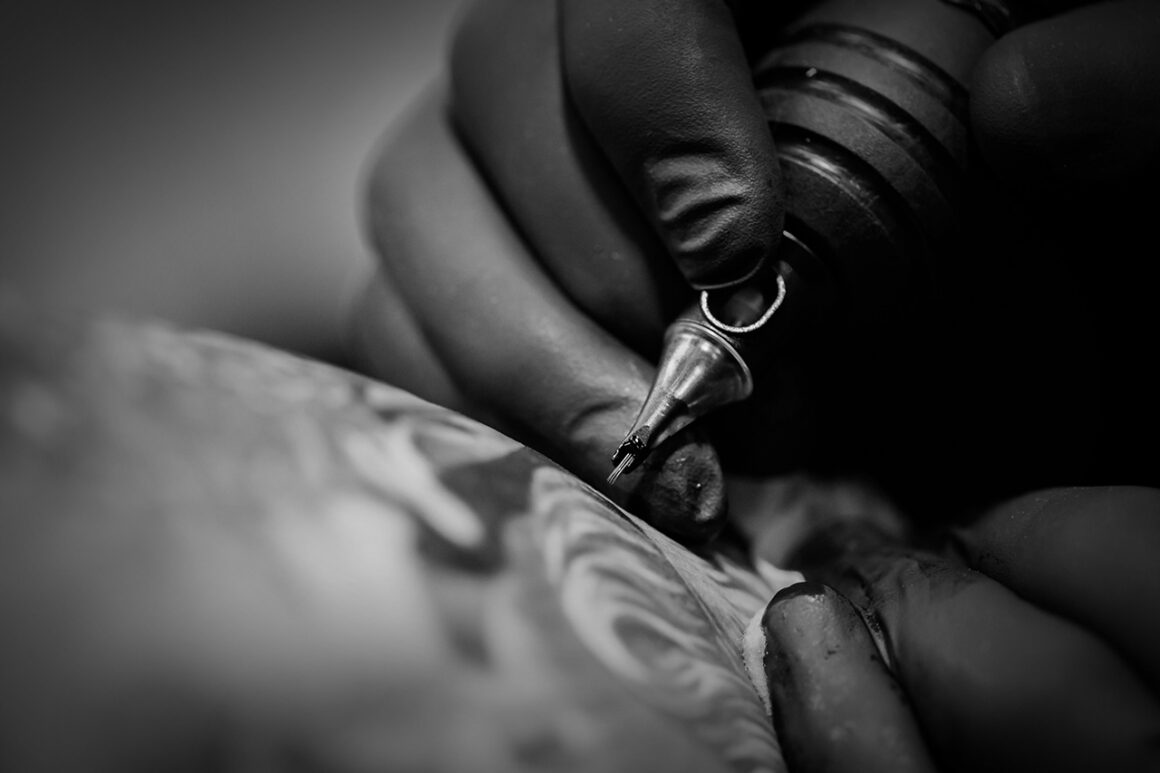
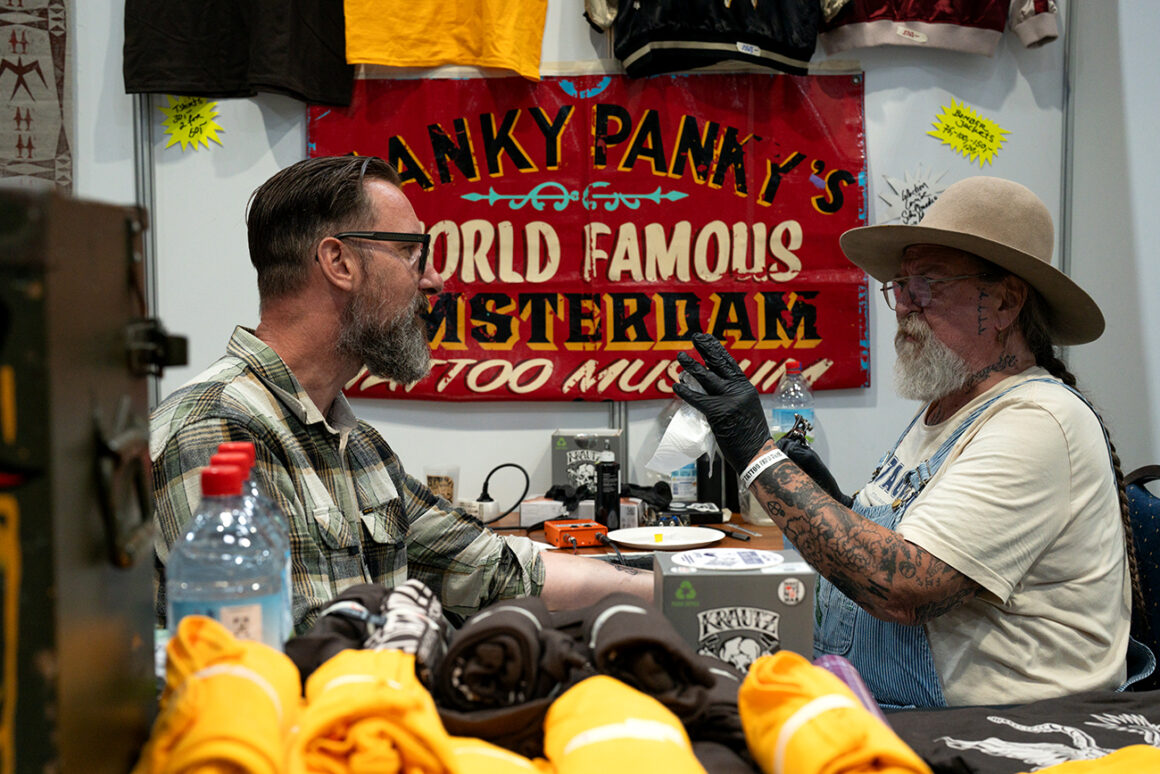
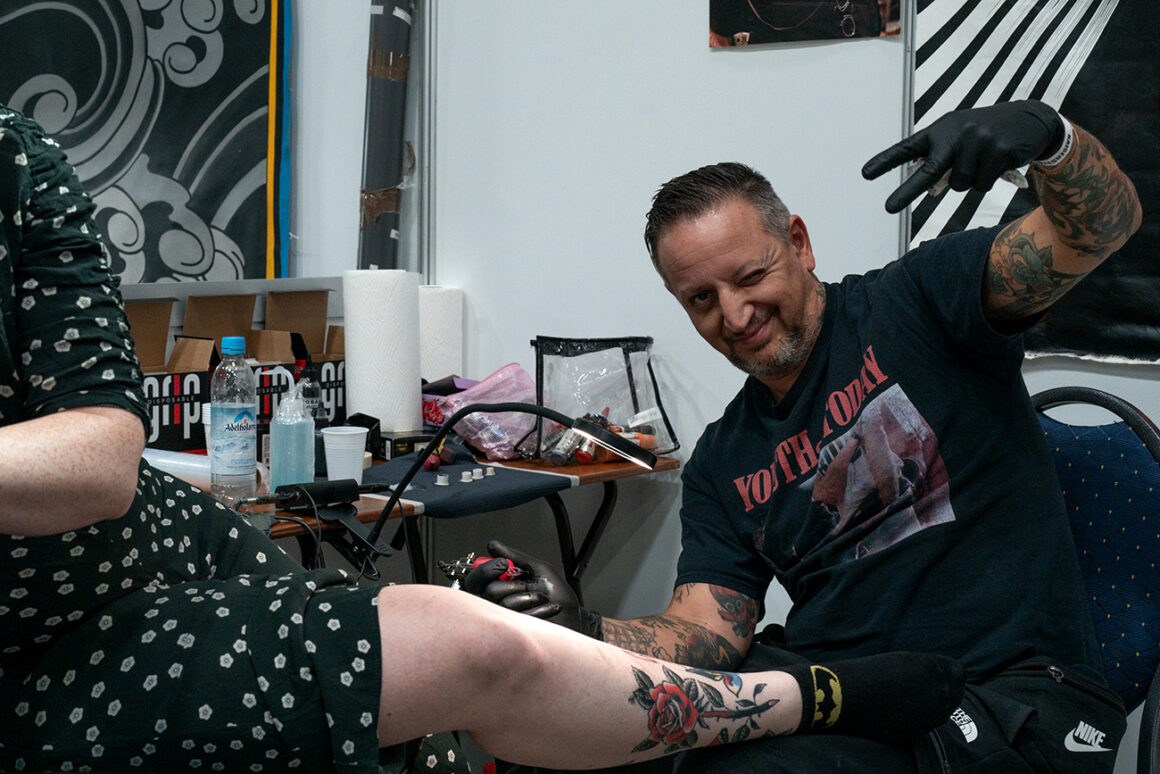
Artists can focus on their work, while visitors are free to wander between booths, watch tattoos in progress, talk to the artists and discover different techniques and styles. The event’s friendly character also comes through outside tattooing hours. This was especially clear at the Saturday night party, where artists and visitors kept meeting in a more informal setting.
In fact, the convention had begun the day before the official opening. On Thursday 17 September, San Francisco’s Black Heart Tattoo held an exhibition at the Fireplace in Aachen, with several of the studio’s artists on hand to show and sell their work. The Black Heart artists attending the convention included Kahlil Rintye, Laurent Trelaun, Derick Montez, Fernando Casillas and Carolyn Lebourgeois.
The evening continued with a welcome party at a venue in the city centre, the same one that hosted the Saturday night party. Perhaps it is this continuity between tattooing, art and socialising that best defines the spirit of the Kaiserstadt Tattoo Expo. It is a convention that doesn’t need to keep building things around tattooing, because it chooses to leave room for tattooing itself.
For three days at Aachen’s 100,5 Arena, more than a hundred artists worked, talked and shared techniques and experiences, while collectors and enthusiasts had the chance to meet them in a setting that was international yet very direct. The tenth edition thus confirms a clear formula: fewer distractions, less spectacle and more attention to what really happens between artist, machine and collector.