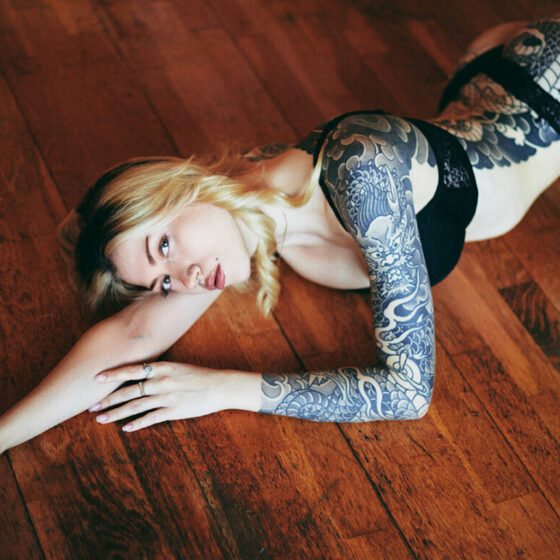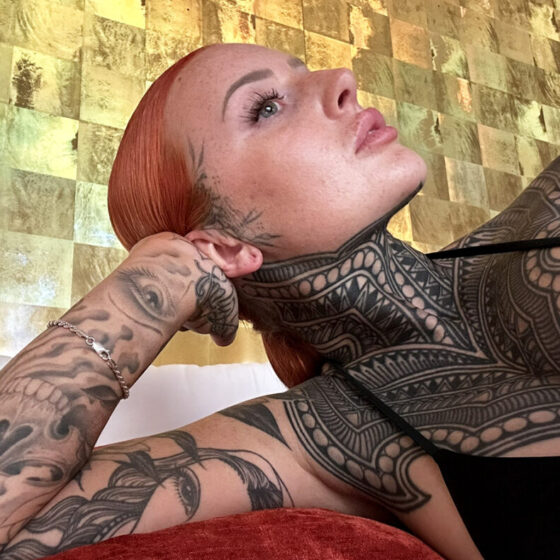
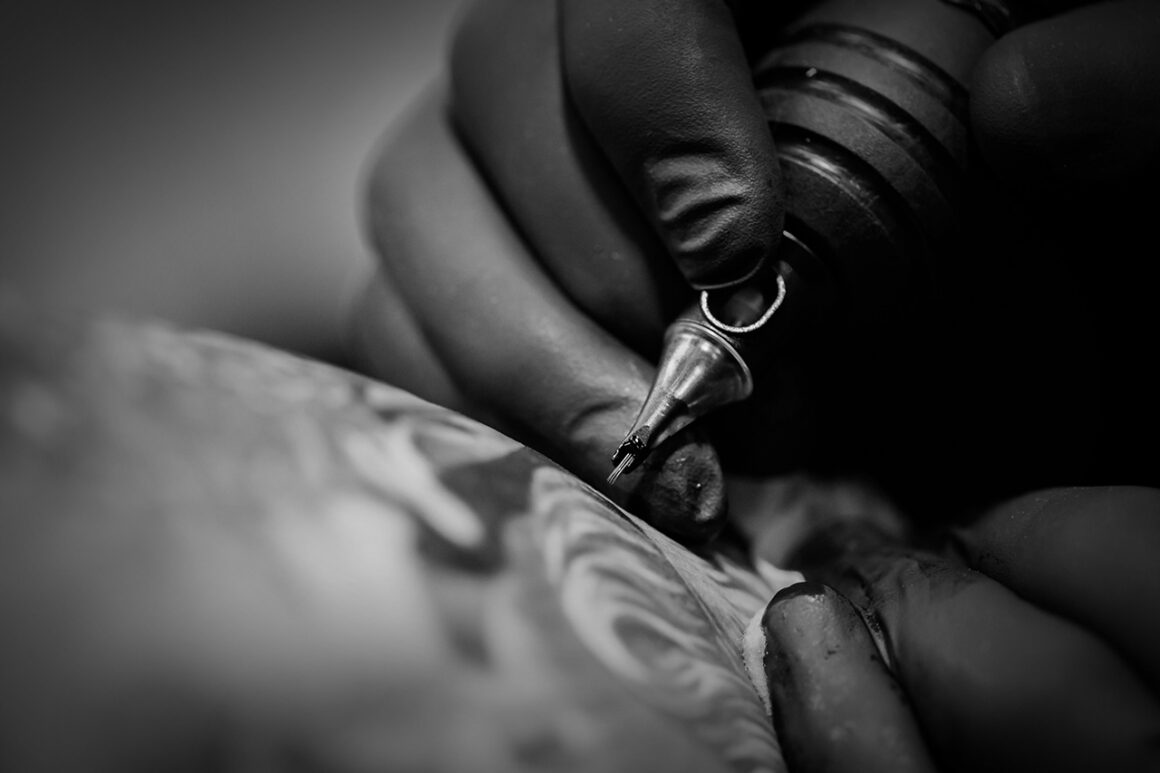

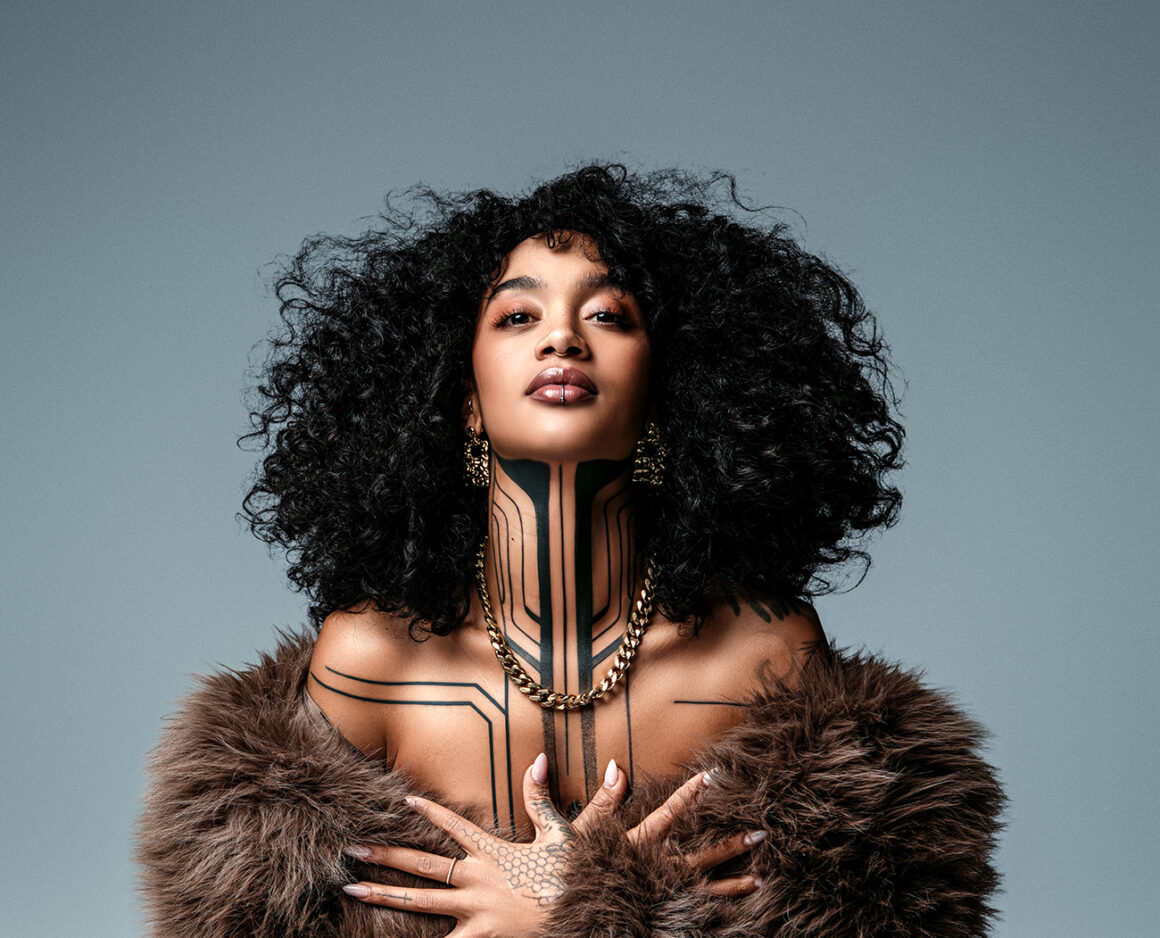
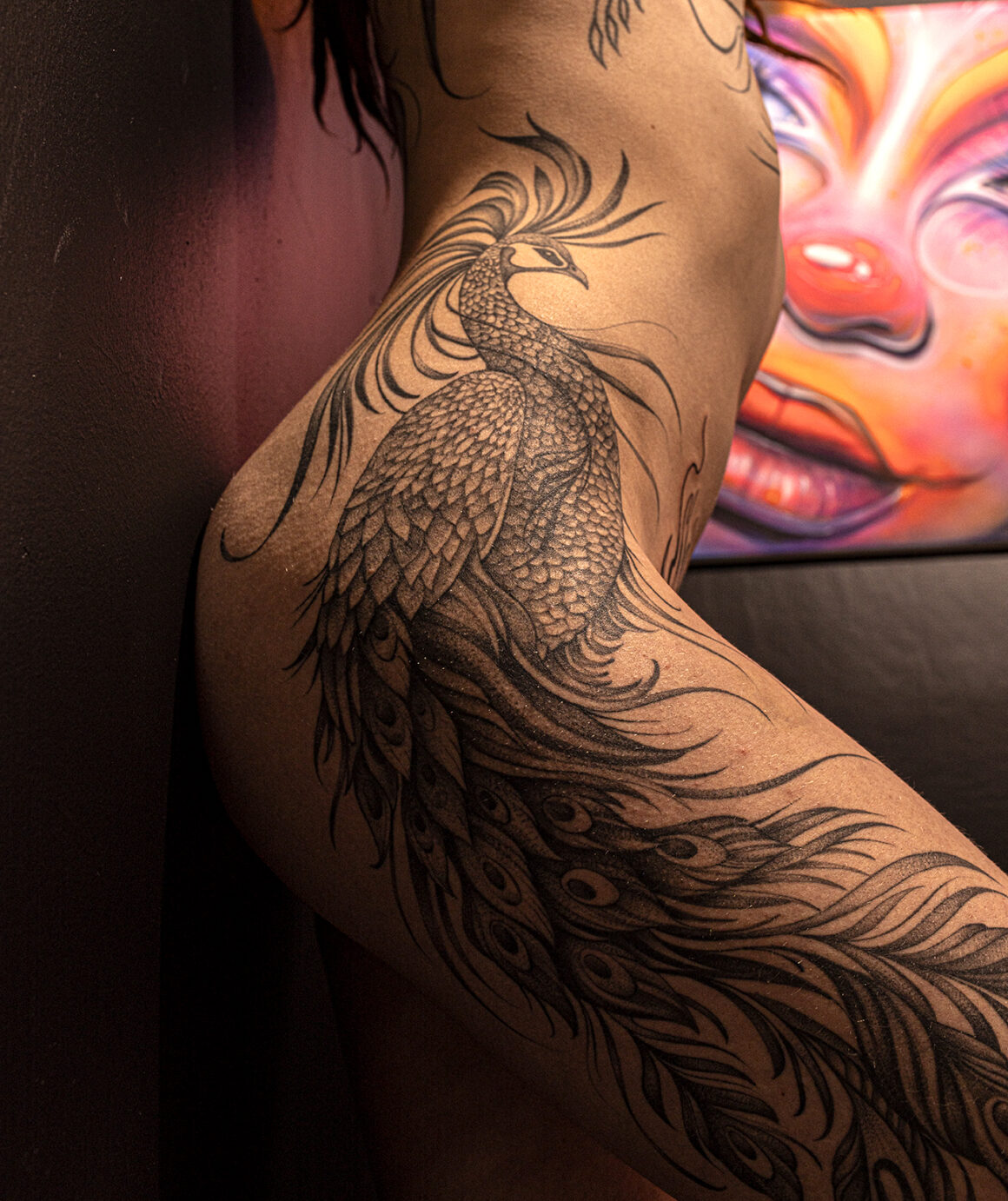
For Iolanda Leali, tattooing is not simply an image on the skin, but a language capable of engaging in a dialogue with the body. “I wouldn’t necessarily talk about beauty, but rather about enhancement,” she explains. “A tattoo becomes interesting when it is designed in relation to the body, its lines, its volumes and its movement.”
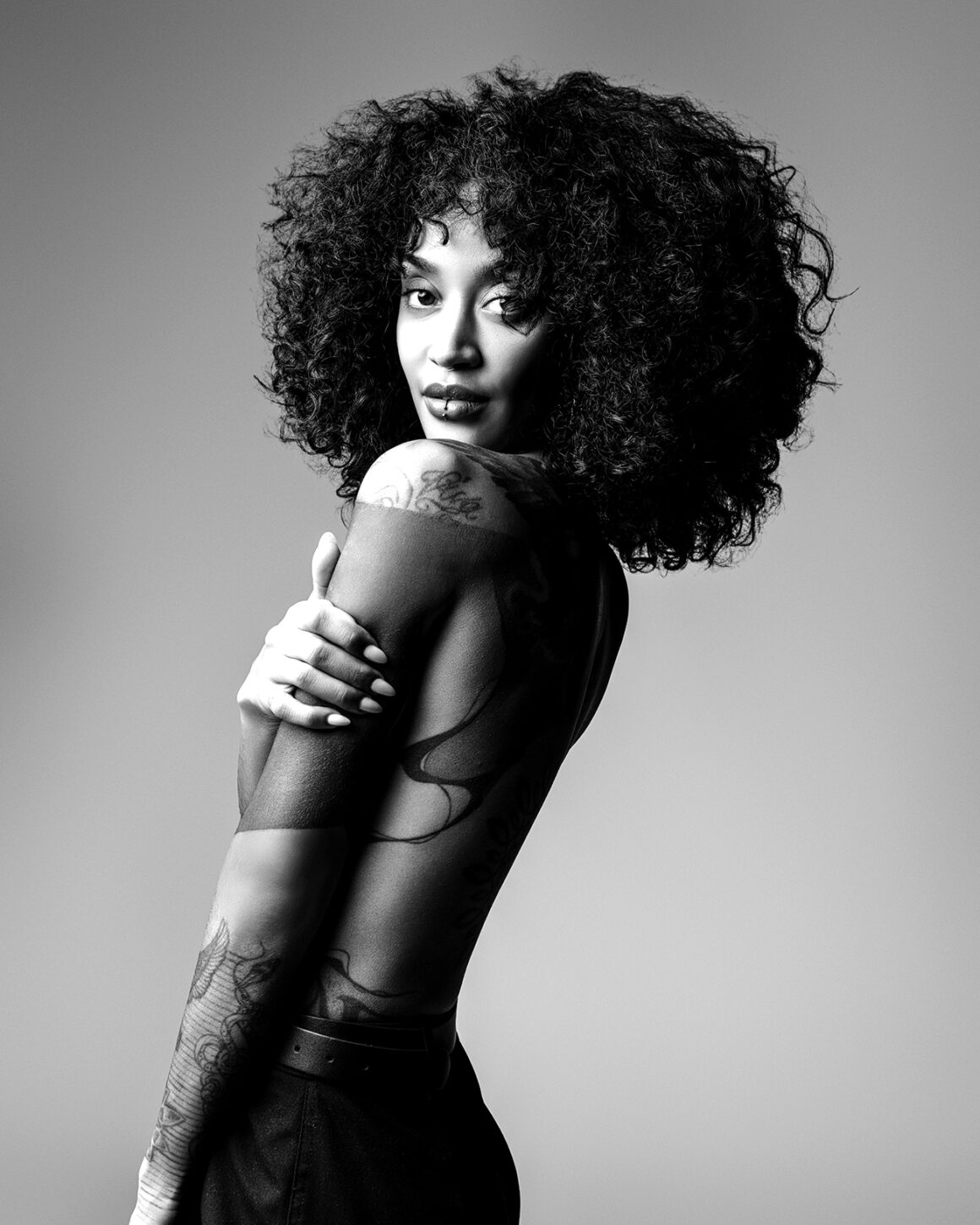
An Italian tattoo artist, 32 years old, with Guinean (Guinea-Conakry) roots on her mother’s side, Iolanda has been living in France since she was nineteen. It was there that she began her journey into tattooing, almost naturally. Always drawn to drawing and every form of artistic expression, she grew up in a family where tattoos were a familiar presence: both of her parents are tattooed, and this allowed her to approach the world of tattooing without seeing it as something distant or unfamiliar.
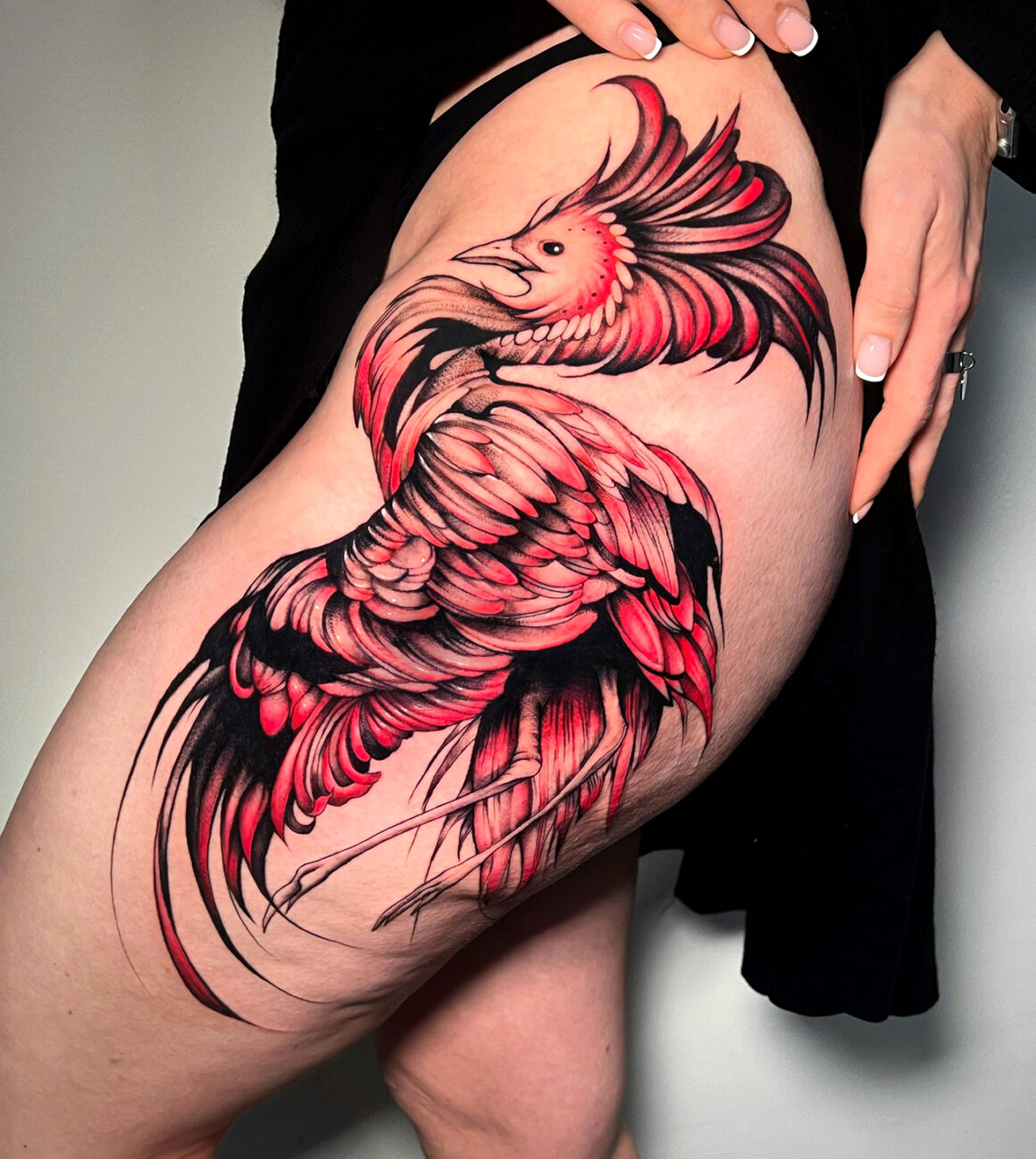
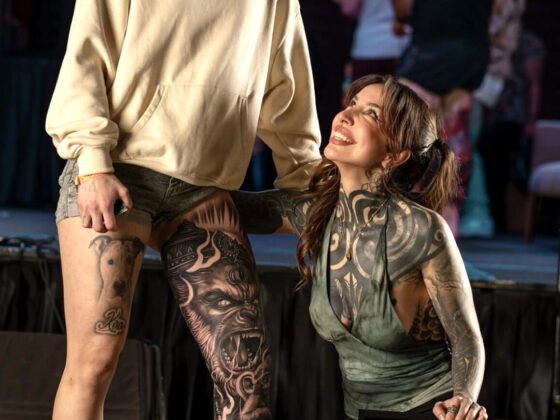
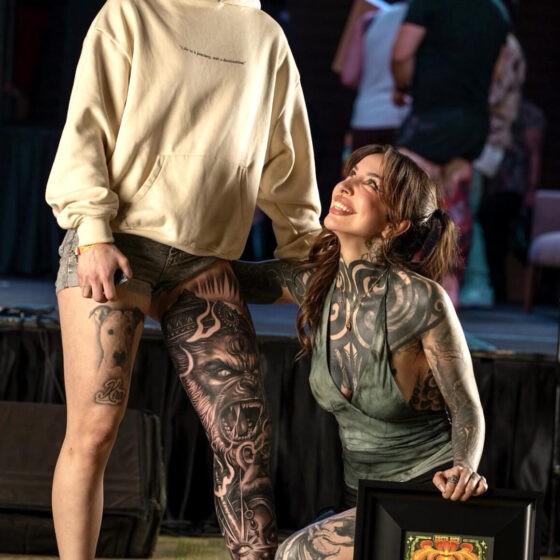
Today she works as a guest artist at L’Aiguillette, a tattoo studio in Vannes, Brittany, where over the years she has built a strong relationship, both personally and professionally. Last February she attended the Mondial du Tatouage in Paris together with the studio’s team. “Taking part in the convention with them felt completely natural. These are always moments I really enjoy: meeting up with the team again, sharing the energy of the event and meeting new people through tattooing.”
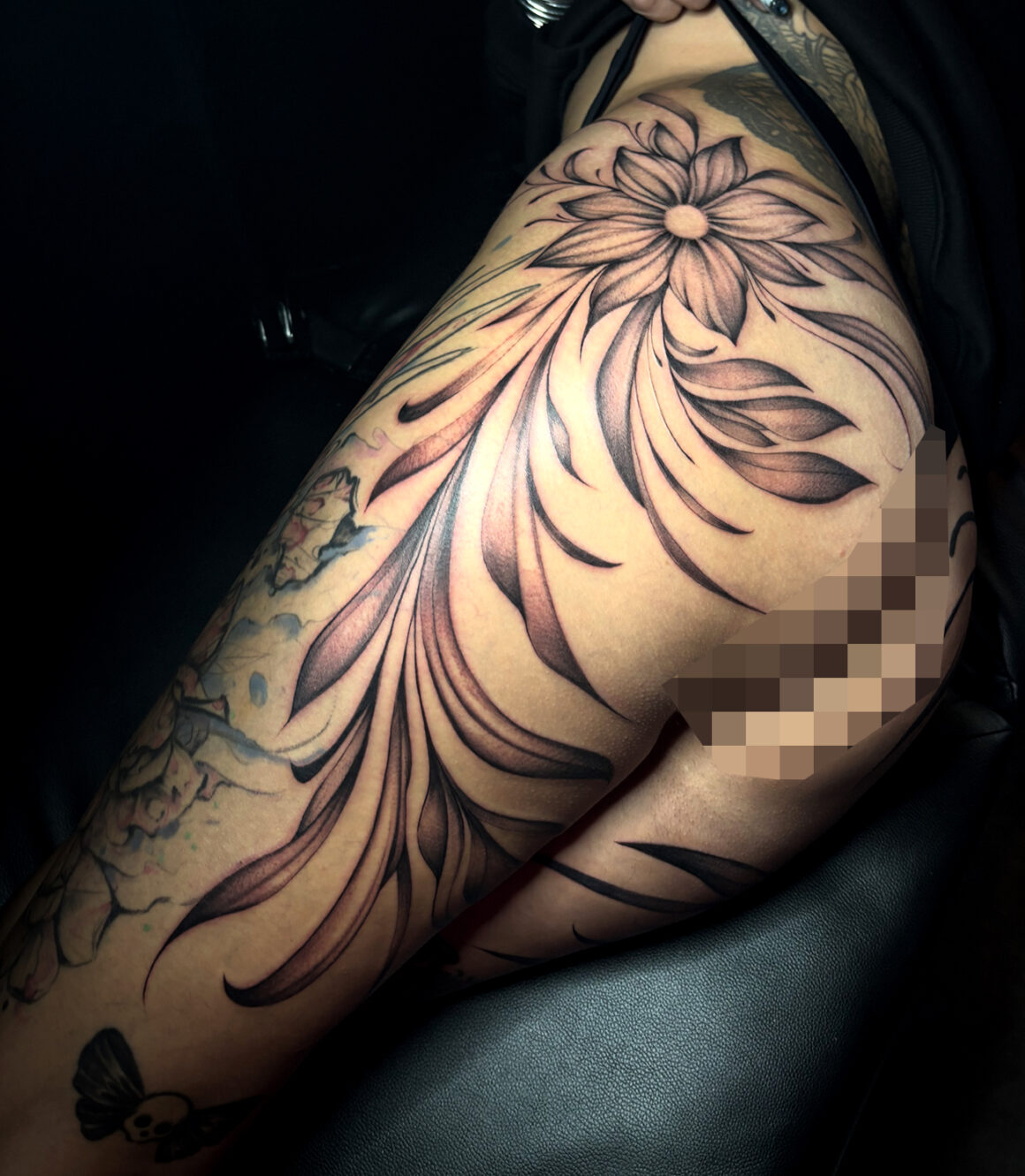
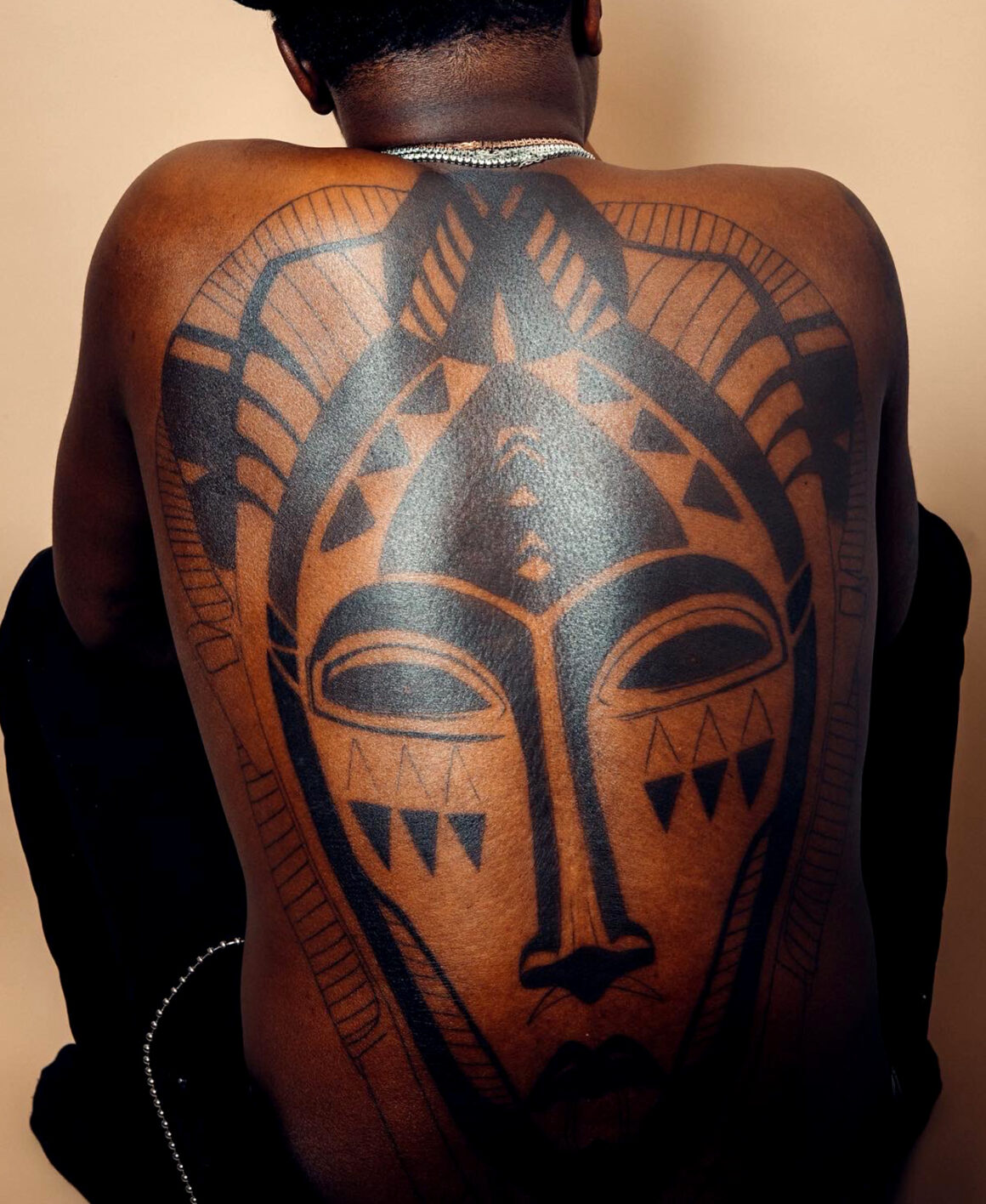
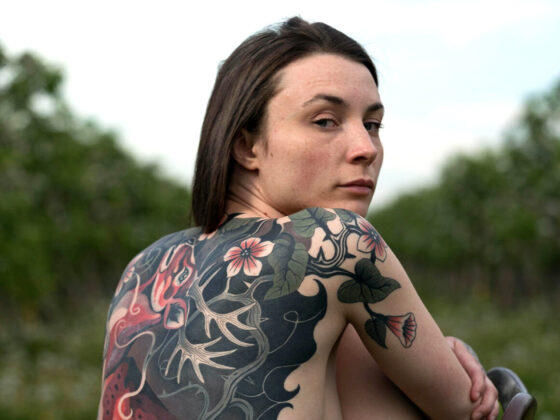
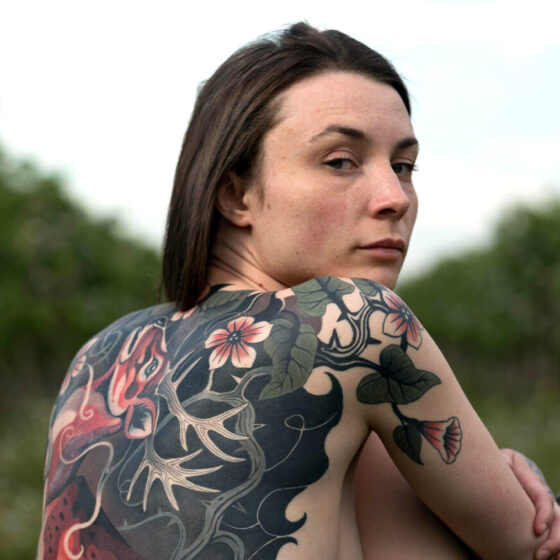
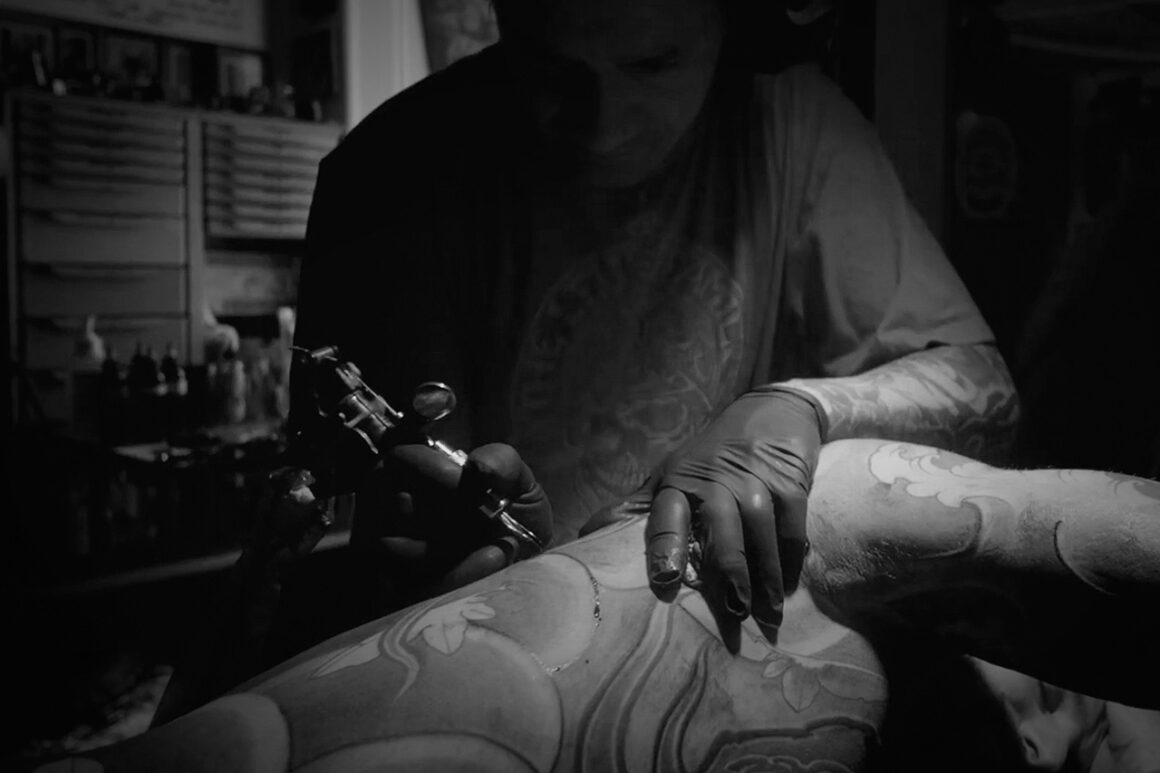
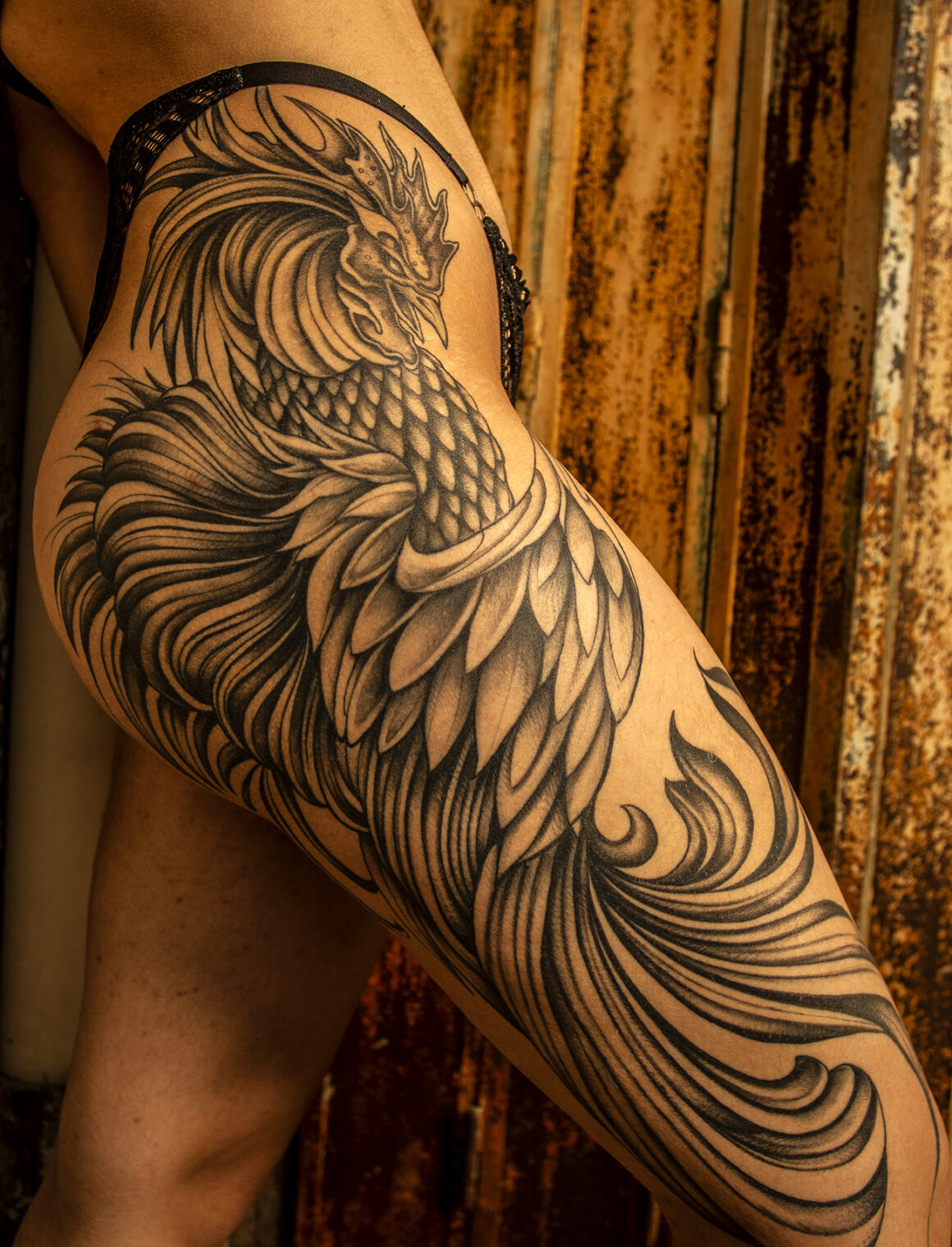
Her artistic research is deeply connected to the relationship between tattooing and the body’s morphology. For several years she has worked mainly in freehand, drawing directly onto the skin before tattooing. “Every body has its own lines, its own movements and its own balance,” she explains. “For me, tattooing has to engage with all of that.” This approach allows her to create custom compositions that follow each person’s anatomy and natural movement.
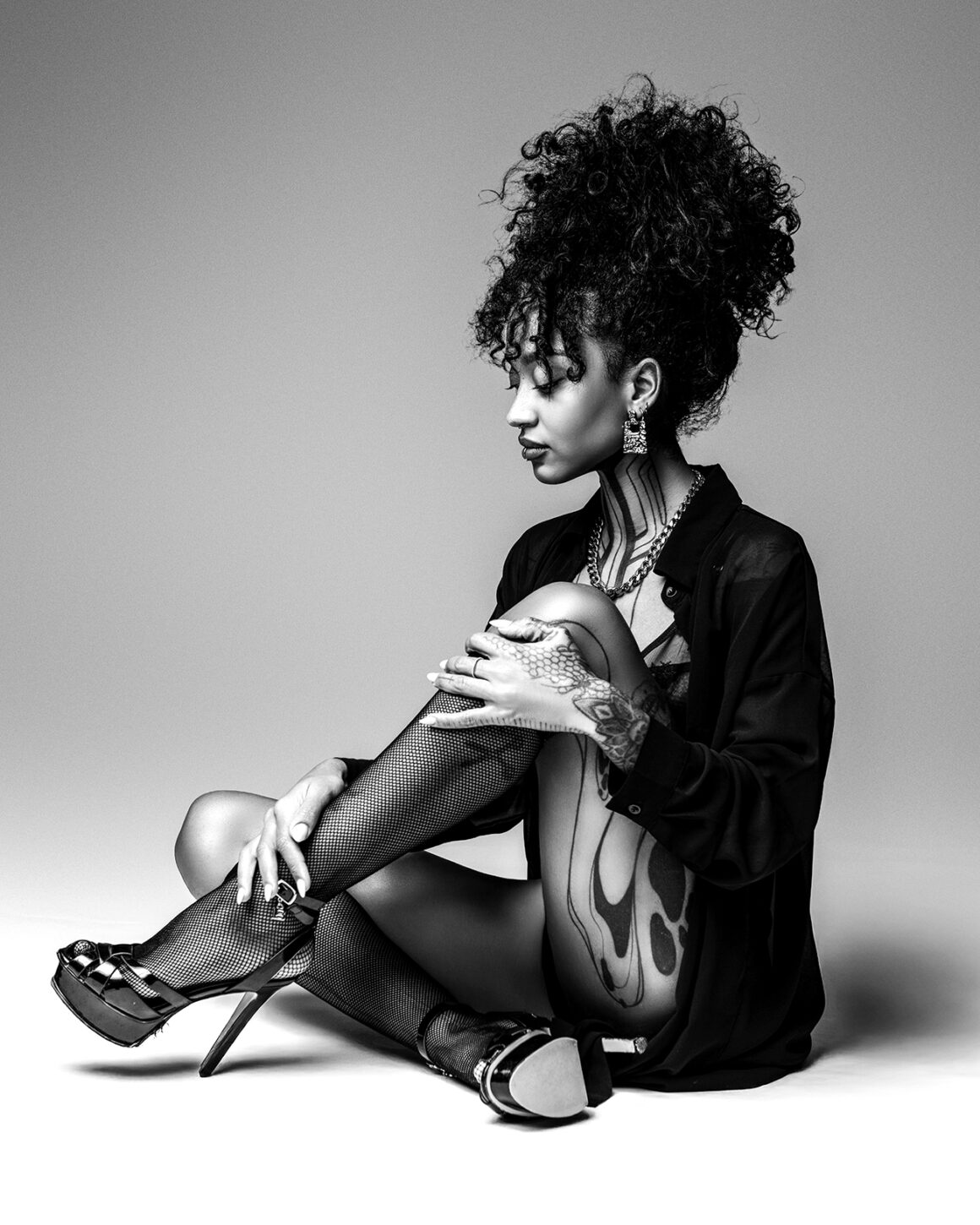
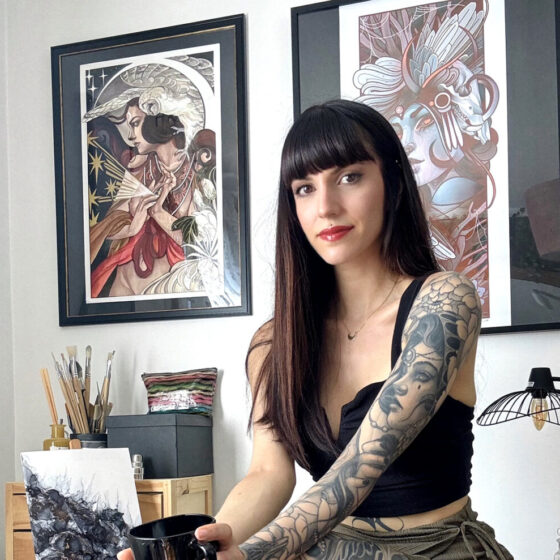
Alongside freehand work, she also creates figurative pieces designed on an iPad, a process that allows her to develop more structured and detailed compositions. After more than fourteen years of experience, she sees these two approaches as complementary: on one side, the instinct and freedom of drawing directly on the body; on the other, the precision and visual storytelling of a carefully prepared design. The goal, however, always remains the same: to create tattoos that integrate naturally with the person wearing them.
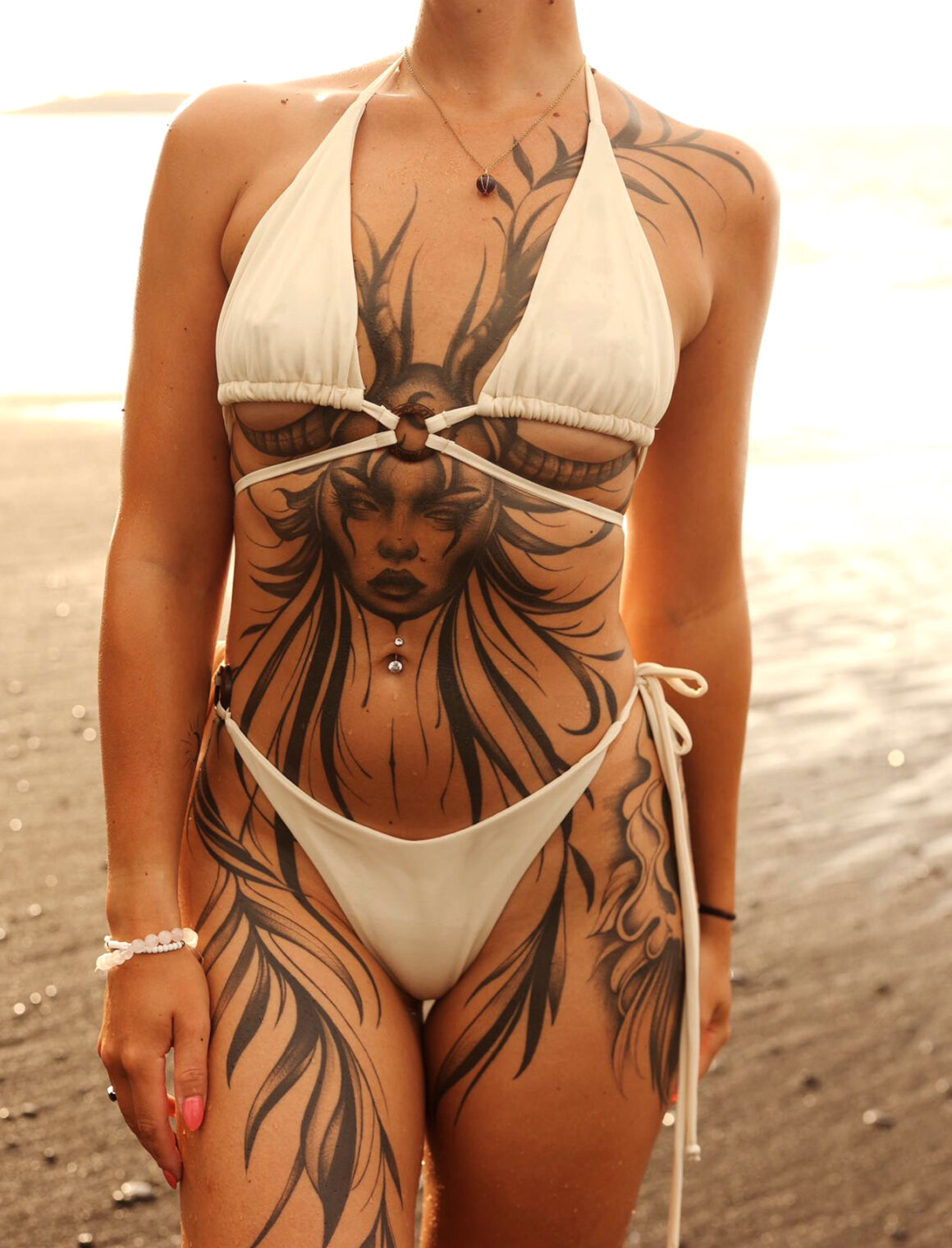
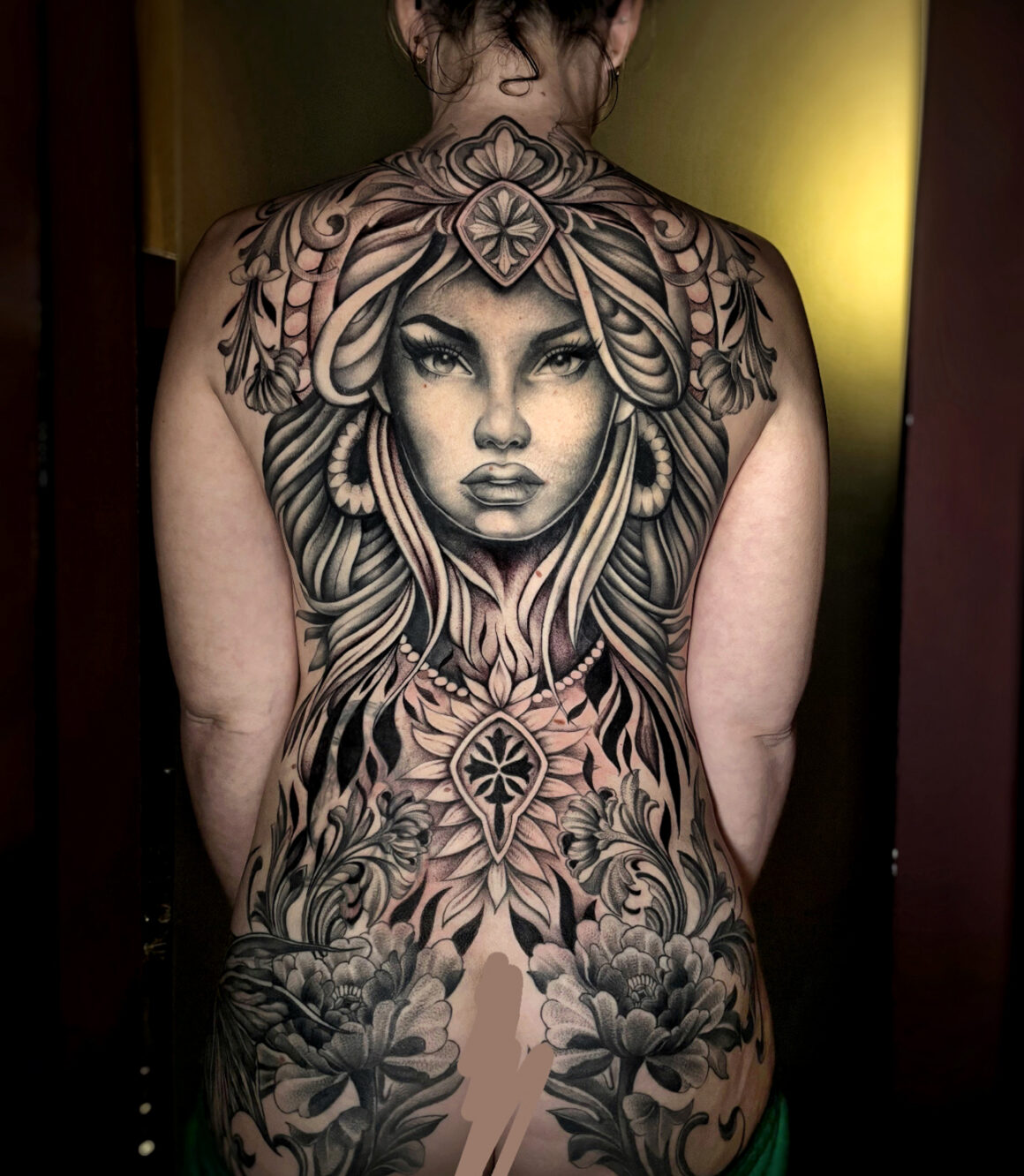
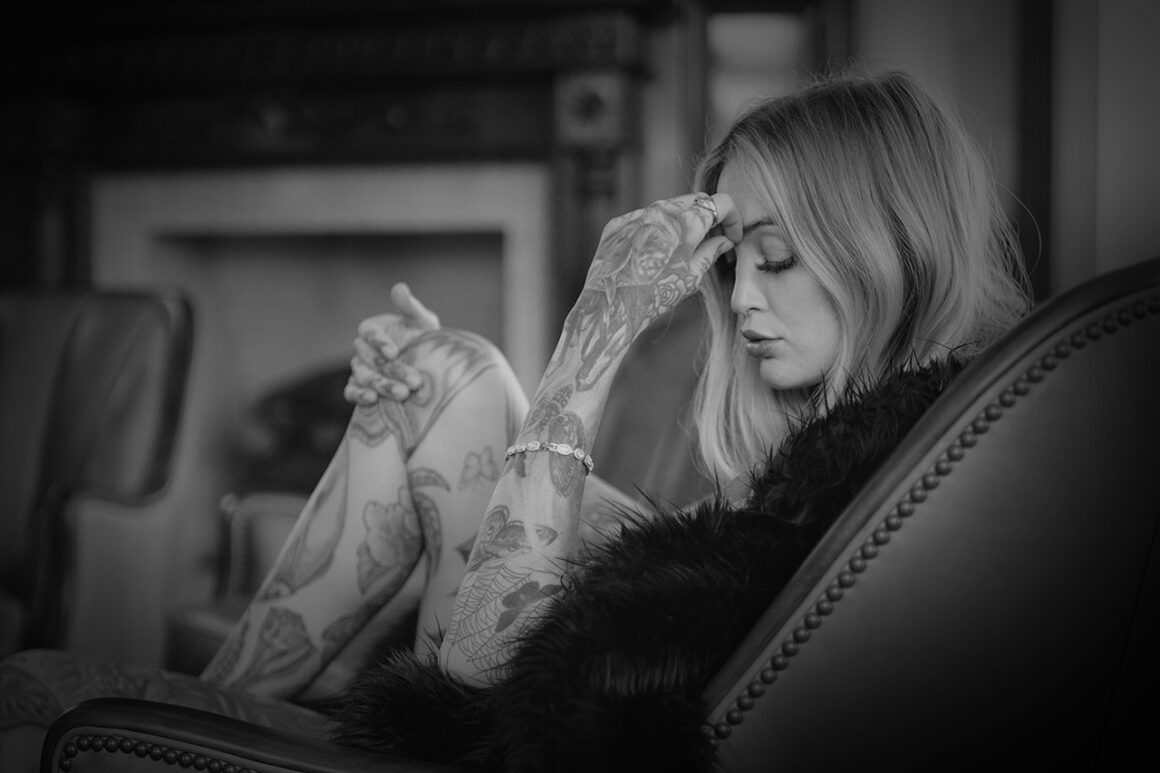
The tattoos she wears on her own body reflect the same philosophy. Her ornamental work, in particular, began as a personal need for self-expression, but has evolved alongside her artistic research. “Today I see my body almost as a living artwork, where the patterns interact with the body’s forms.”
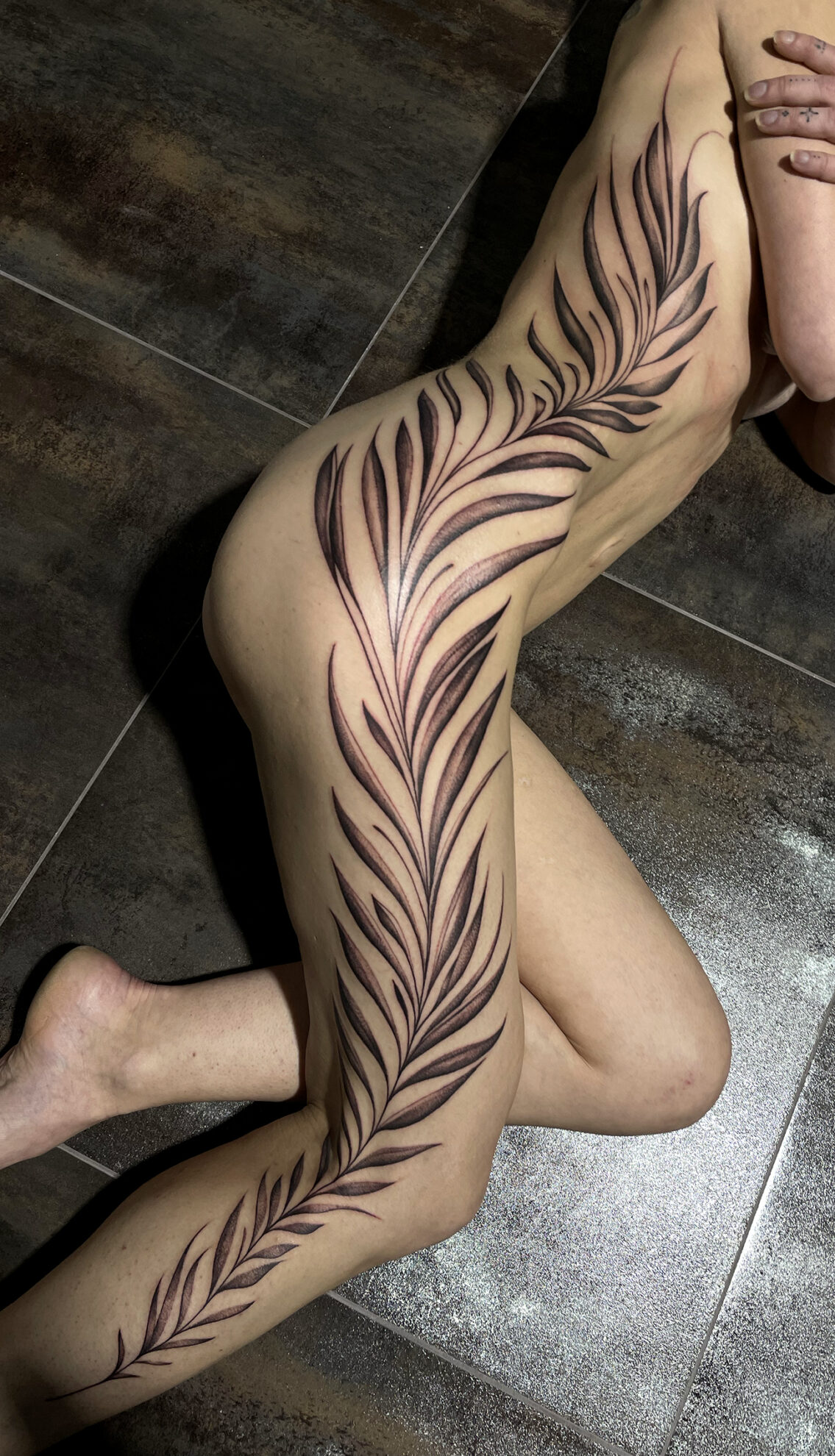
Although she describes herself as “creative above all,” Iolanda also emphasises how fundamental technique is in tattooing. Creativity is the starting point, but technique is what ensures that a tattoo remains clear, balanced and solid over time. “Creativity alone is not enough,” she says. “Technique is what allows an artistic idea to become a lasting tattoo.”
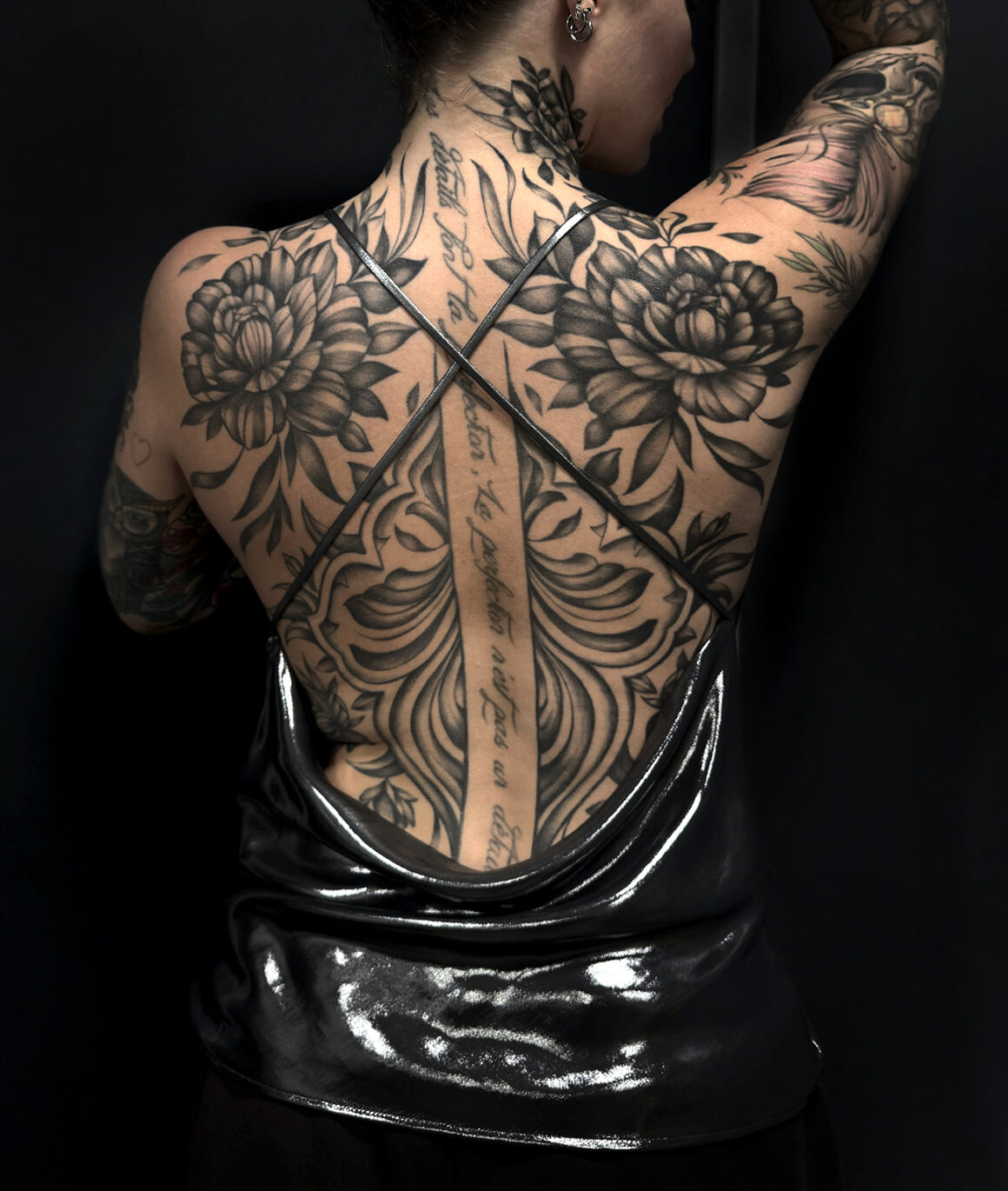
What she loves most about her work is the relationship that develops with each client. “When that artistic match happens, the creative process becomes almost natural.” From that moment on, her role is to transform “an idea, an emotion, a vision” into something tangible on the skin, guiding the project all the way to its final result.
Even in her free time, she continues to nurture her creativity. She paints, writes and explores music—different activities, all driven by the same need to give shape to her inner world.
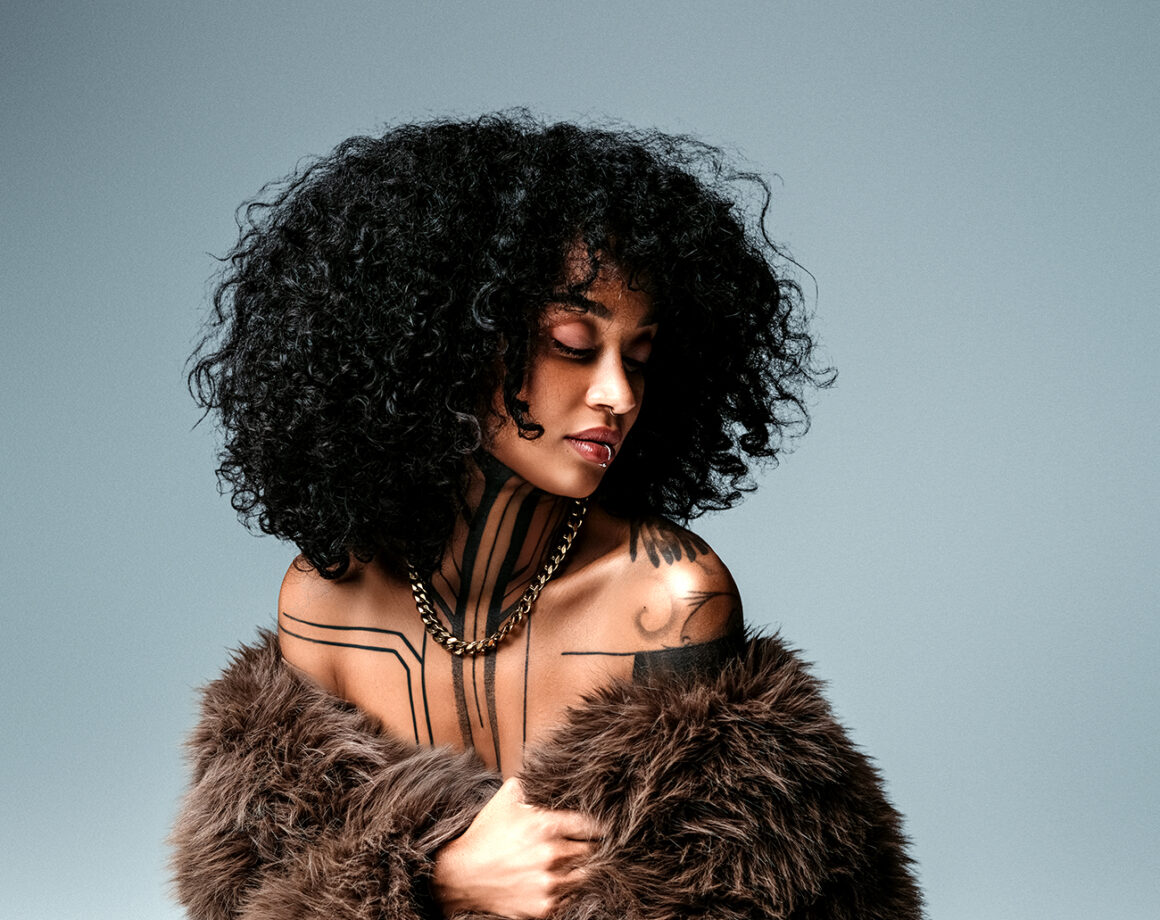
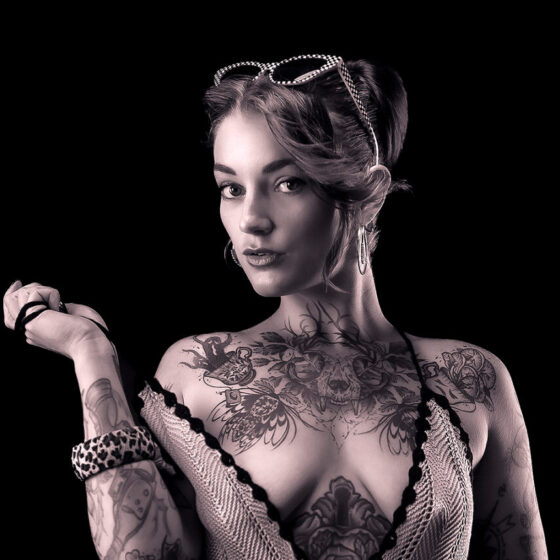
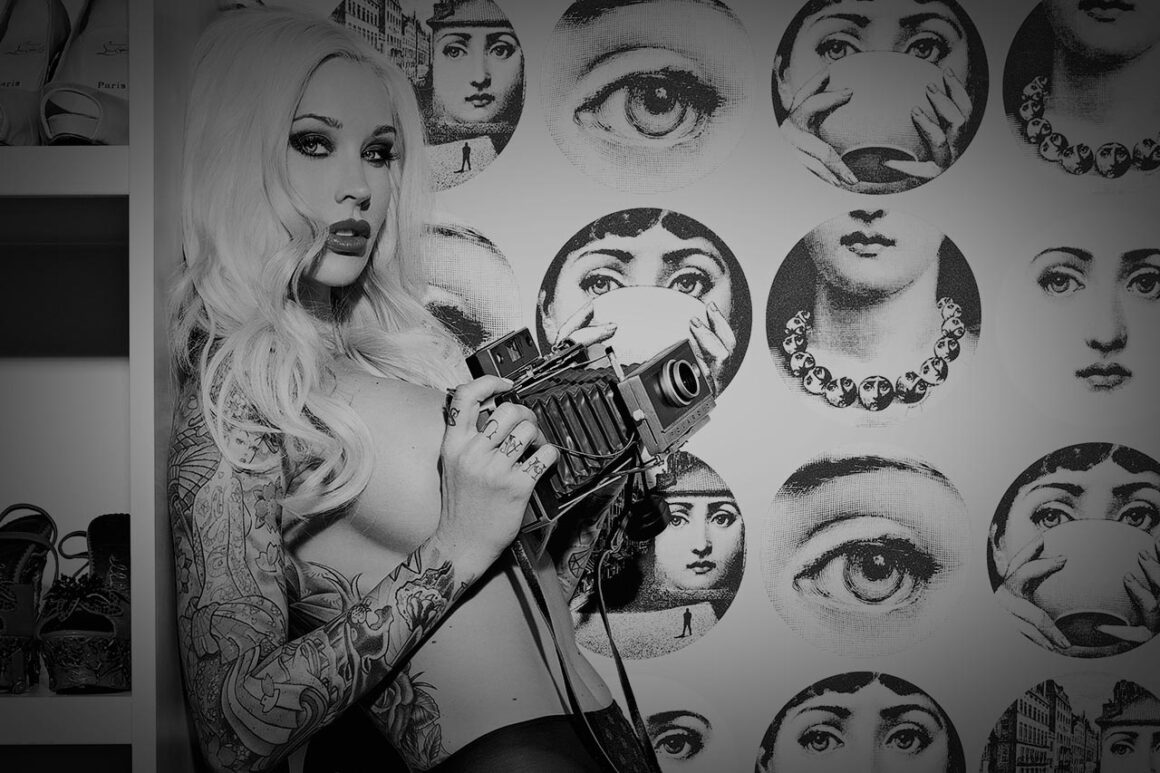
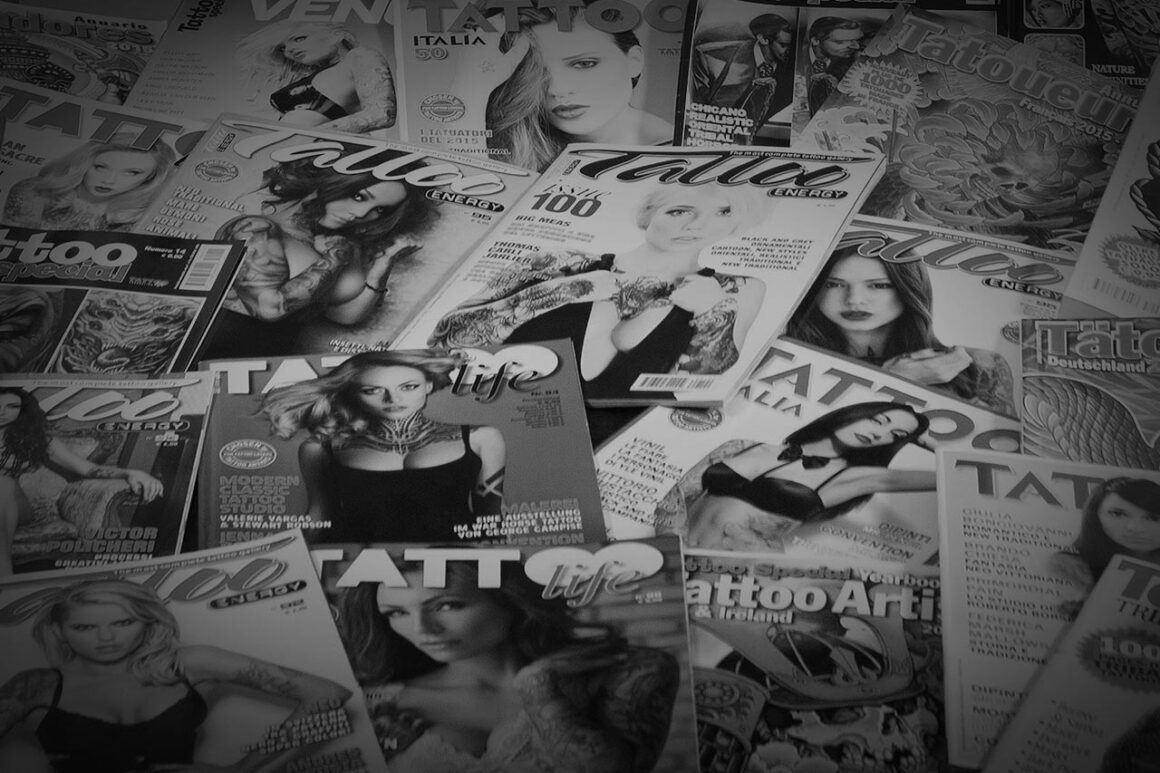
Featured on the cover of Tattoo Life, Iolanda says she has never considered herself a professional model, although she has occasionally collaborated with photographers on artistic projects. She approached those experiences with curiosity and an open mind, always ready to embrace new challenges whenever there is a genuine creative vision behind them.