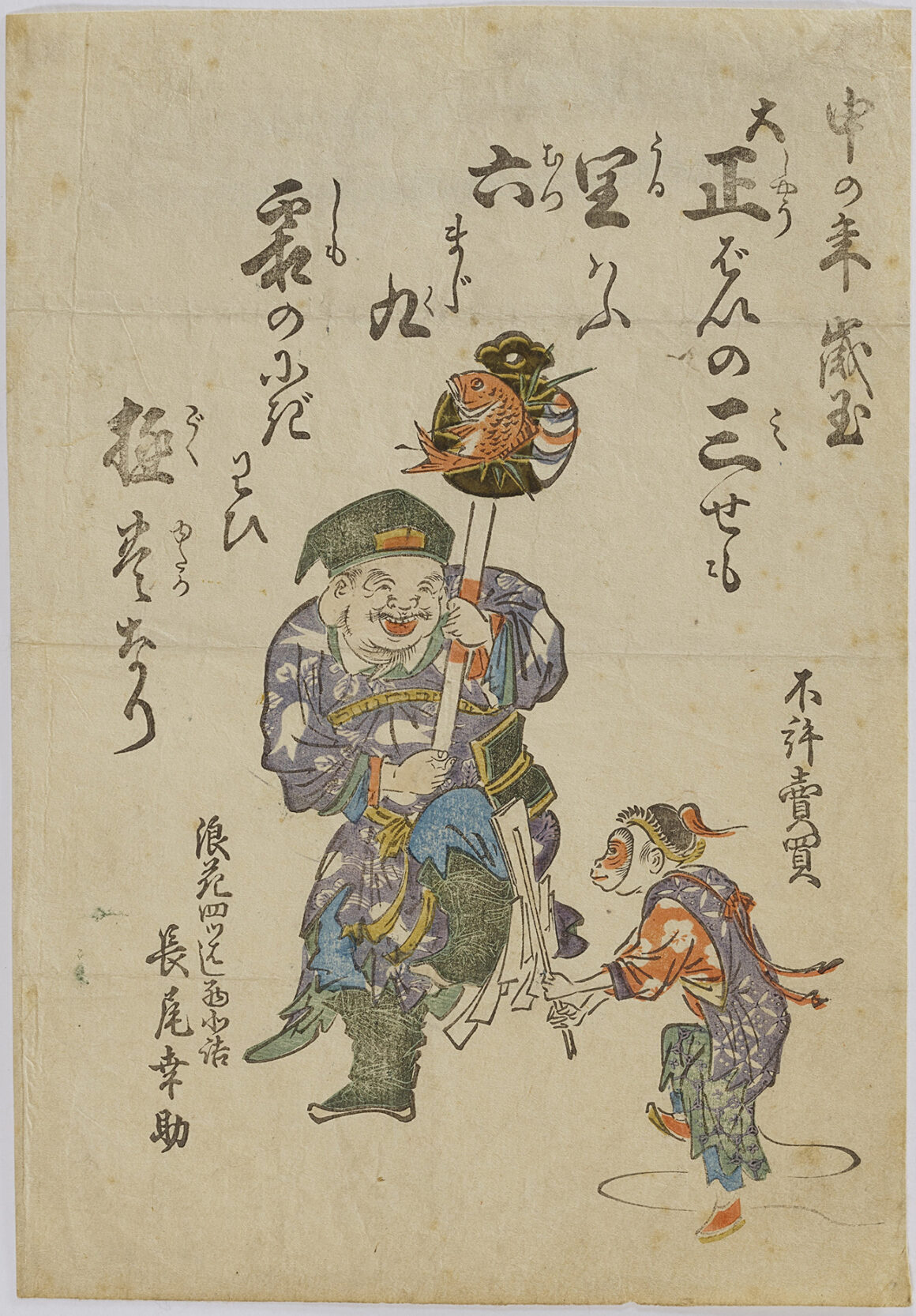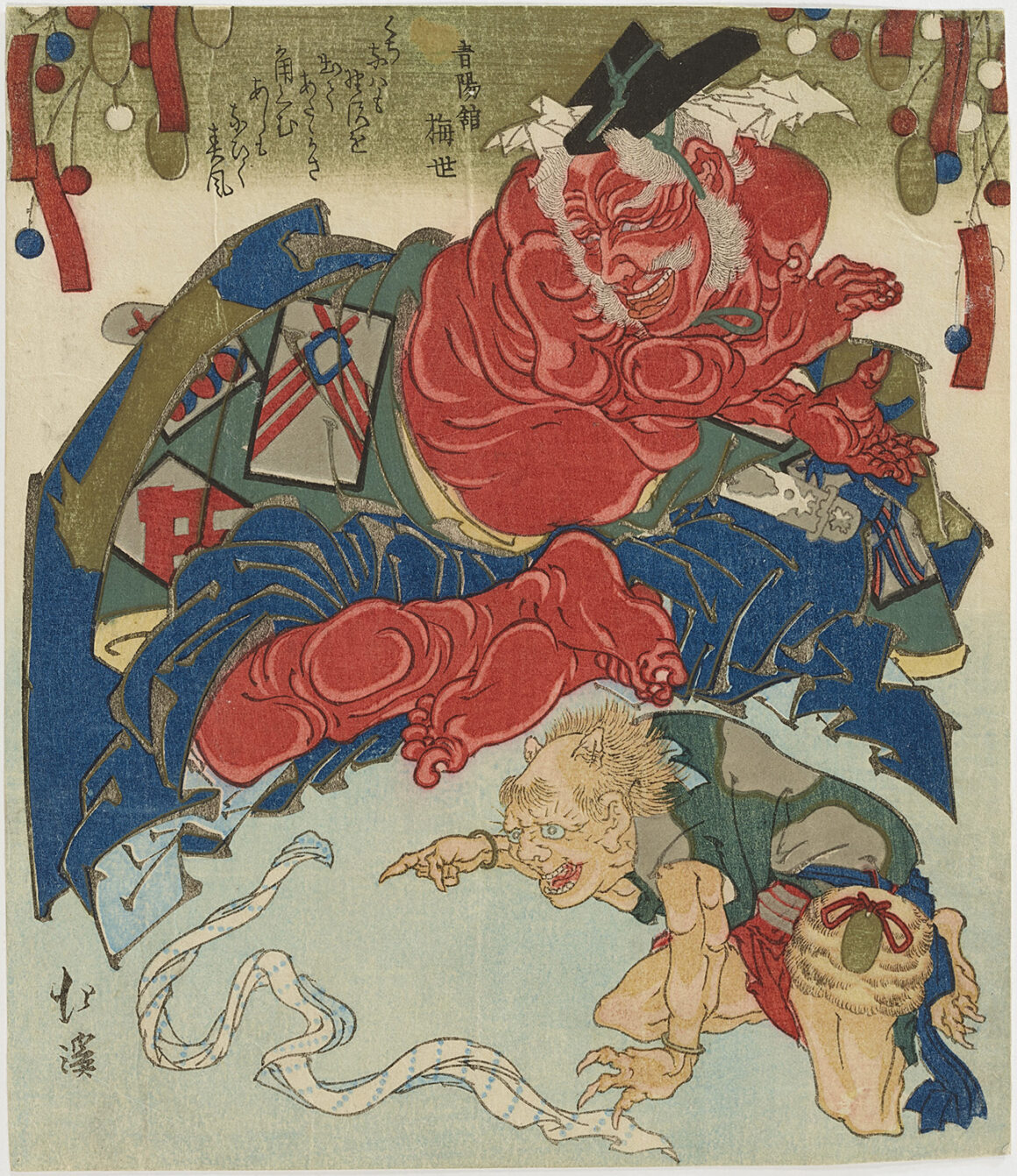





One of the most refined and lesser-known expressions of Japanese printmaking—surimono—is the subject of a stunning exhibition at the Museum Rietberg in Zurich. Japan de luxe – The Art of the Surimono Prints (26 September 2025 – 12 July 2026) brings these exquisite polychrome woodblock prints, produced between the late eighteenth and mid-nineteenth centuries, into the spotlight, revealing their elegance, visual sophistication, and technical virtuosity.
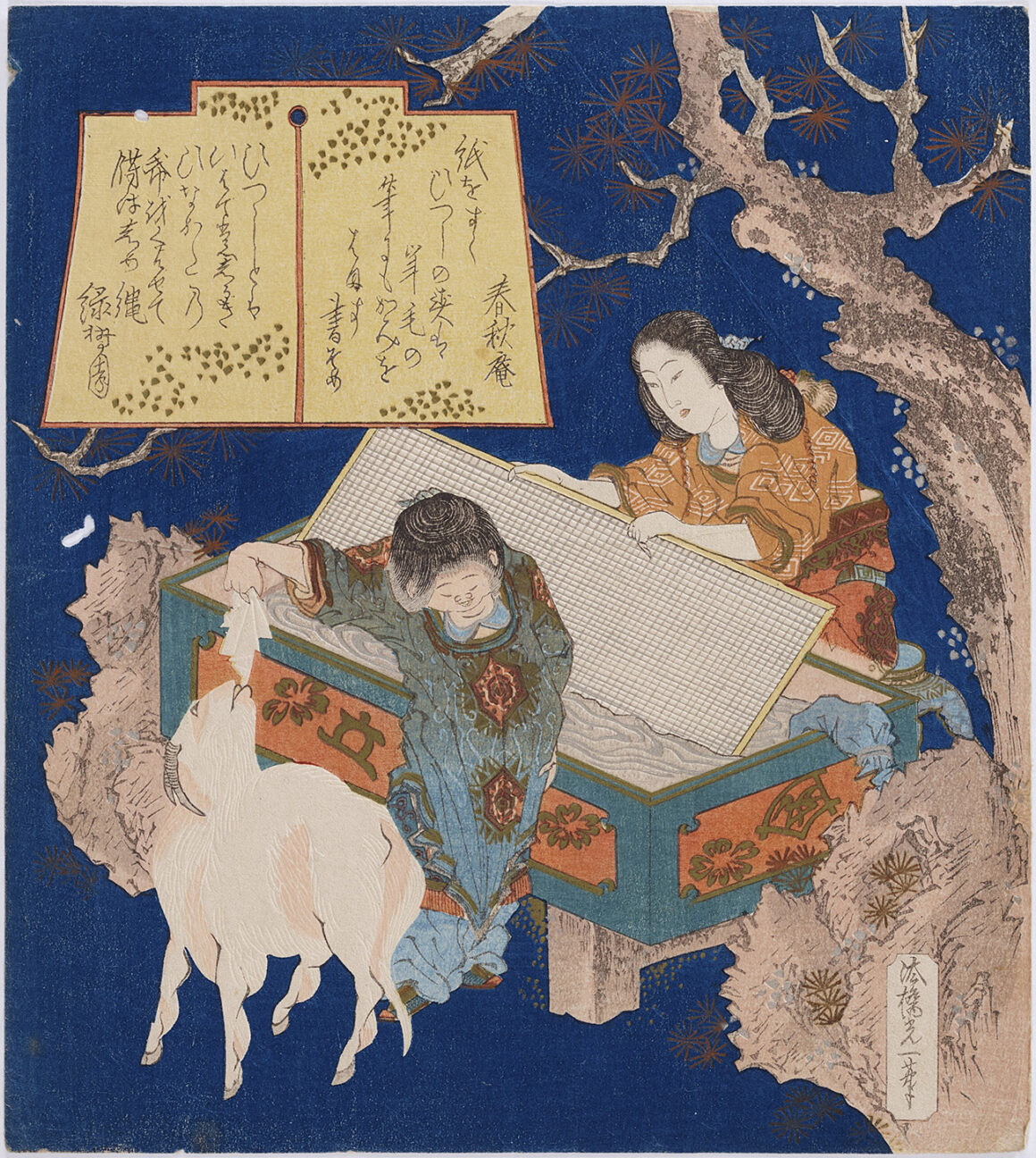
The term surimono simply means “printed things,” yet one glance is enough to understand that these works belong to another realm entirely. Printed on precious hōsho paper and enriched with embossing, blind printing, and metallic powders in gold and silver, surimono are small collectible masterpieces, issued in highly limited editions (50–500 impressions) and commissioned by the urban bourgeoisie as exclusive gifts. Each sheet forms a microcosm in which poetry, calligraphy, and image converse in remarkable harmony.
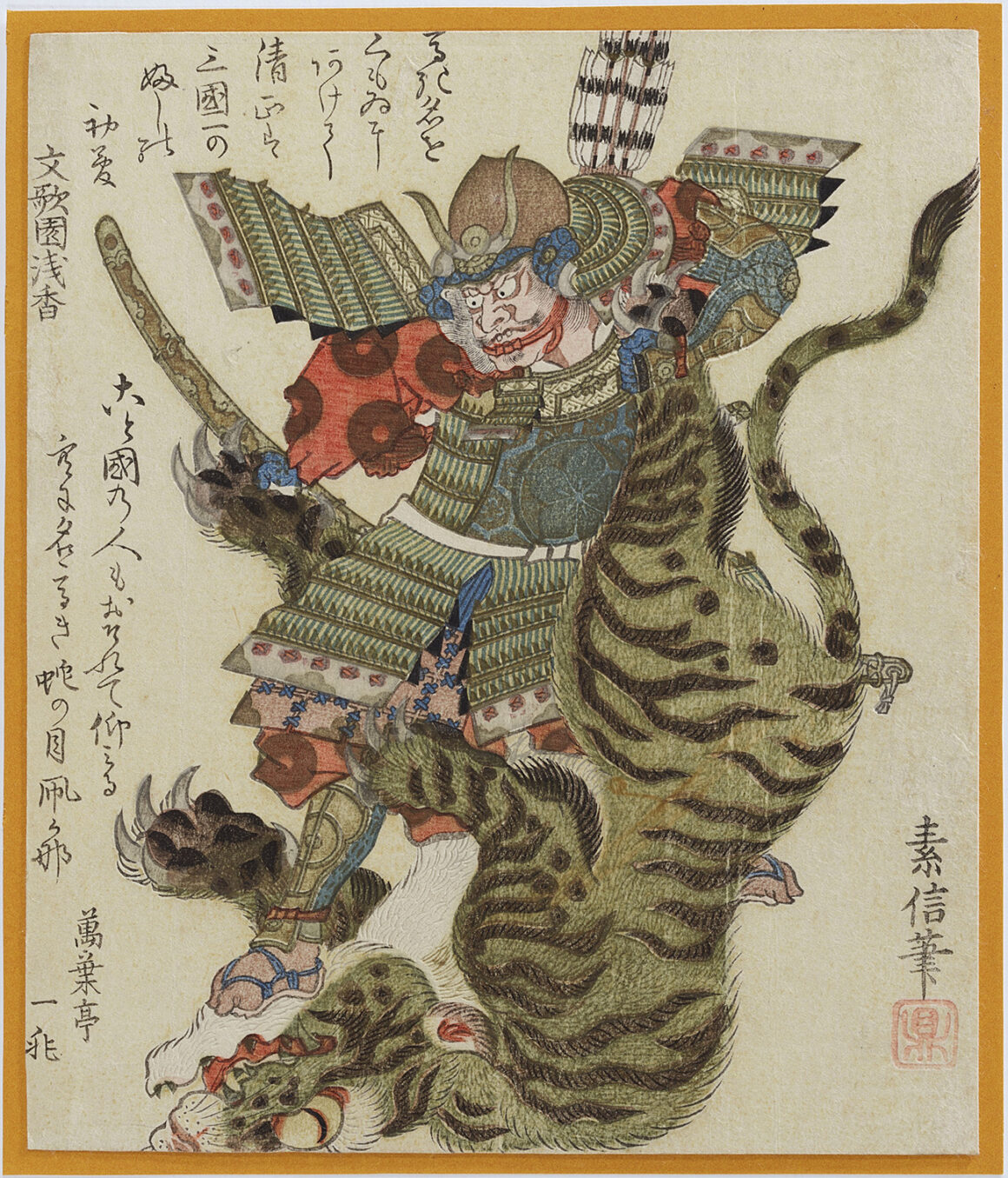
Literary circles used them to celebrate poetry competitions: in Kyoto and Osaka, light and allusive haikai were preferred; in Edo (now Tokyo), satirical kyōka flourished, illustrated with extraordinary finesse by masters such as Katsushika Hokusai, Utagawa Kunisada and Kubo Shunman.
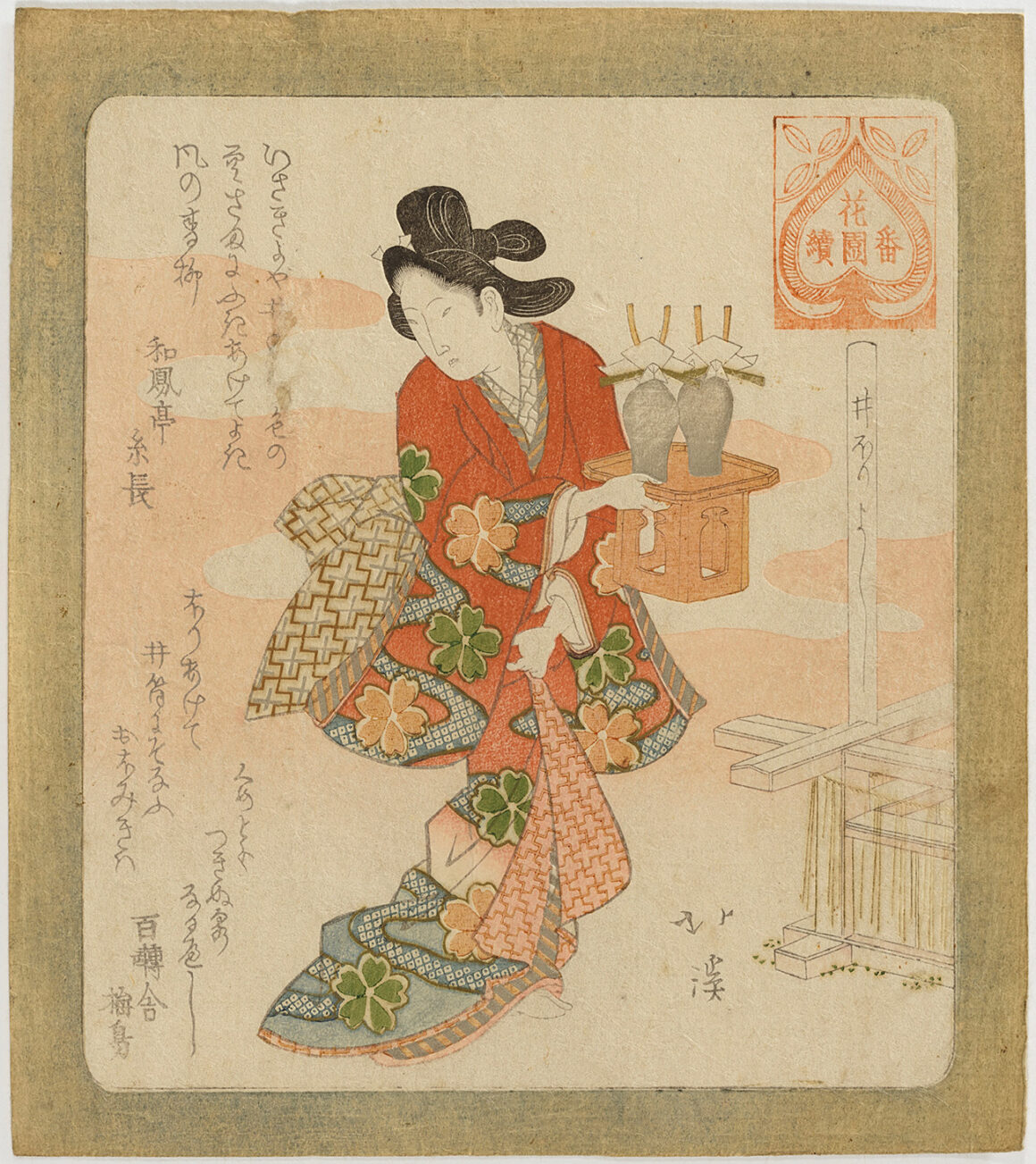
Kabuki theatre also embraced surimono to commemorate premieres and actors’ birthdays, celebrating star performers as icons of style and beauty. Many of the surviving examples are New Year’s cards, rich in auspicious symbolism—subtle visual clues that reveal the tastes, rituals, and aspirations of Japanese urban society between the eighteenth and nineteenth centuries.
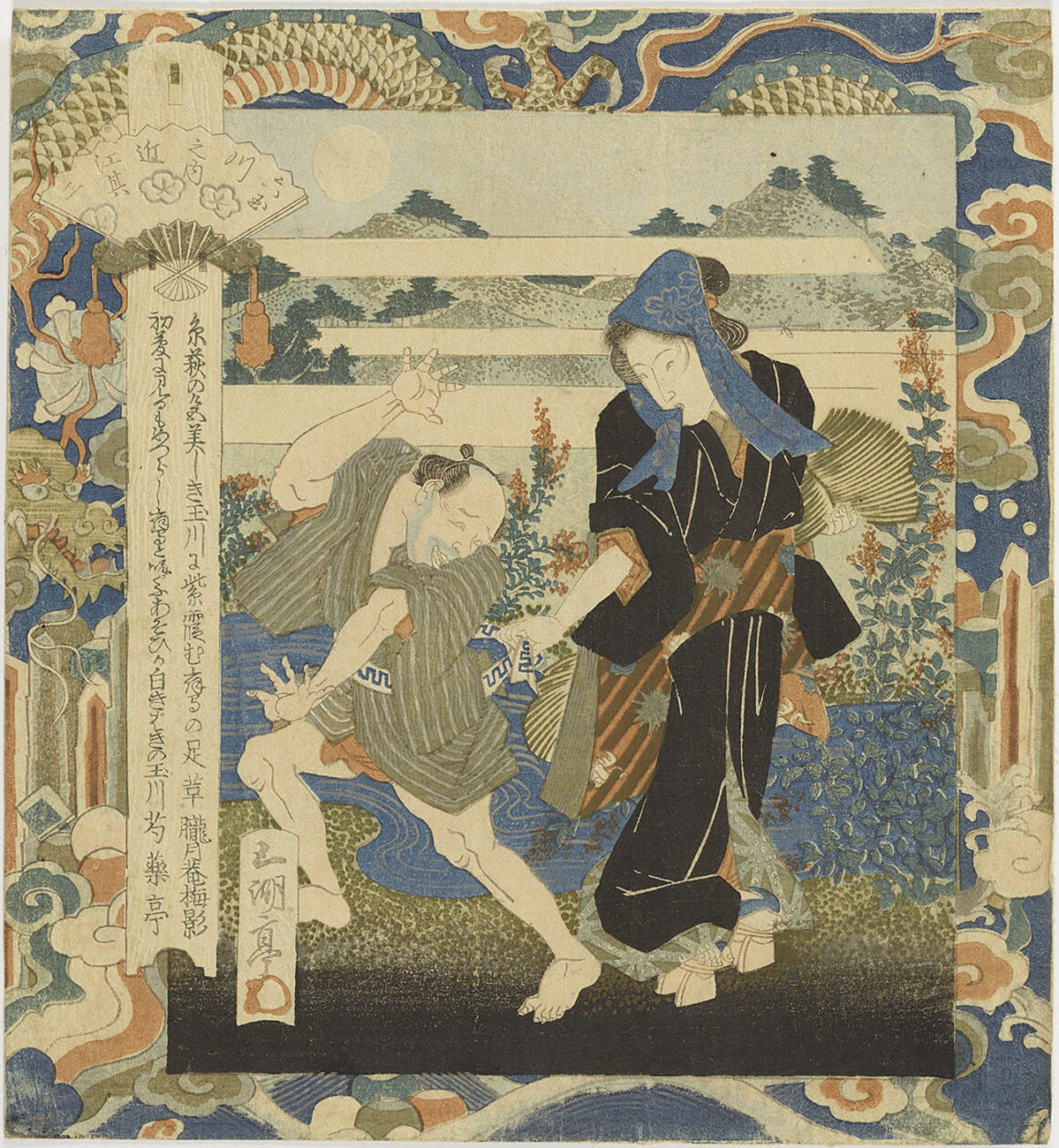
The exhibition presents over one hundred works—most of them donations from Gisela Müller and Erich Gross, shown here for the first time—capturing the full complexity of this cultivated and dazzling universe. The experience extends beyond contemplation: an interactive station within the exhibition allows visitors to experiment with the printing process, layering five colours in sequence to create their own surimono to take home. A simple gesture that makes one almost physically aware of the precision and patience these works demand.
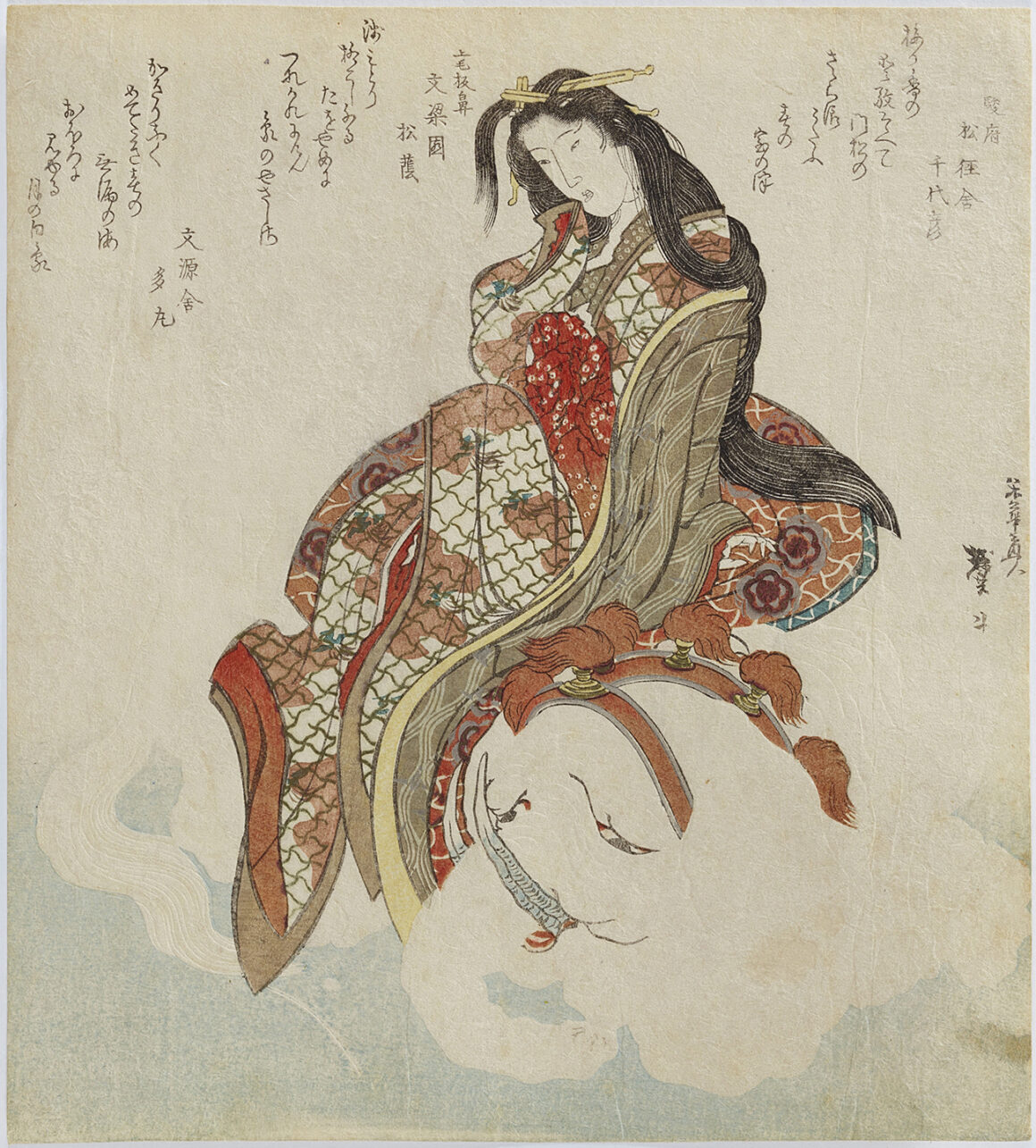
For conservation reasons, the exhibition unfolds in two rotations (26 September 2025 – 15 February 2026 and 19 February – 12 July 2026): the display remains unchanged, but the works are entirely replaced midway, offering two chapters of the same visual narrative. An implicit invitation to be enchanted twice by an art form that is intimate, precious, and strikingly refined in its contemporary resonance.