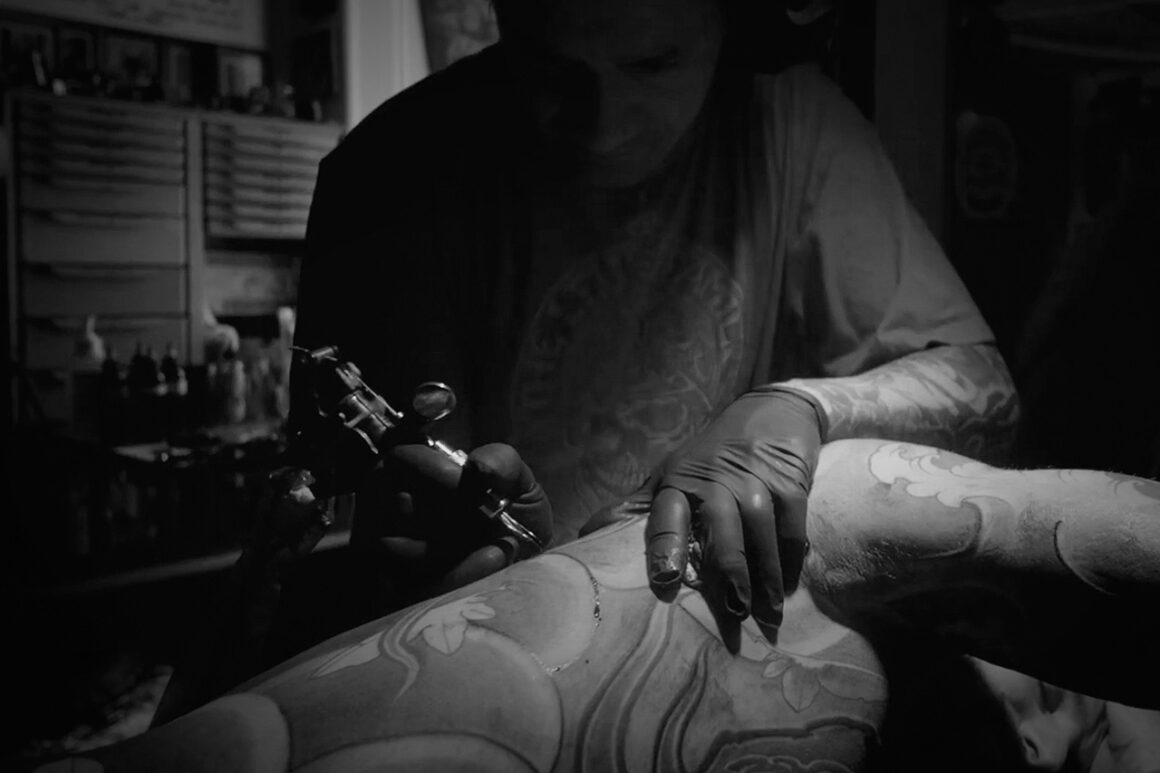

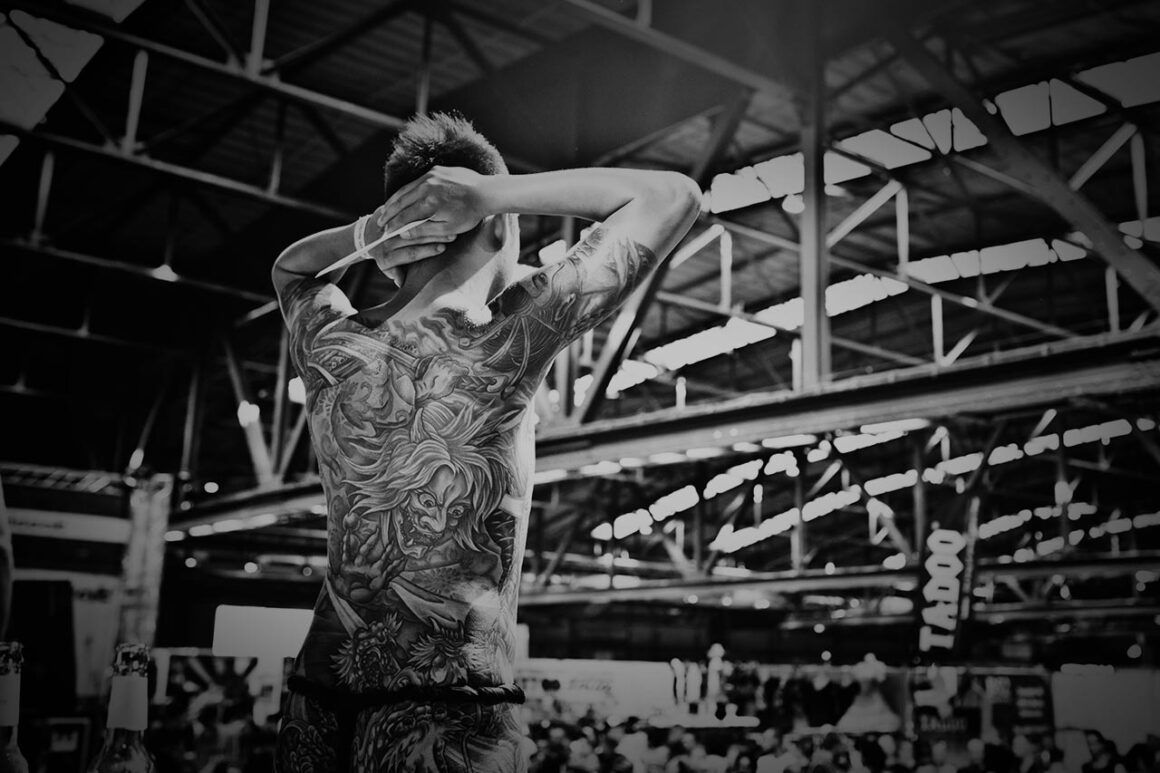

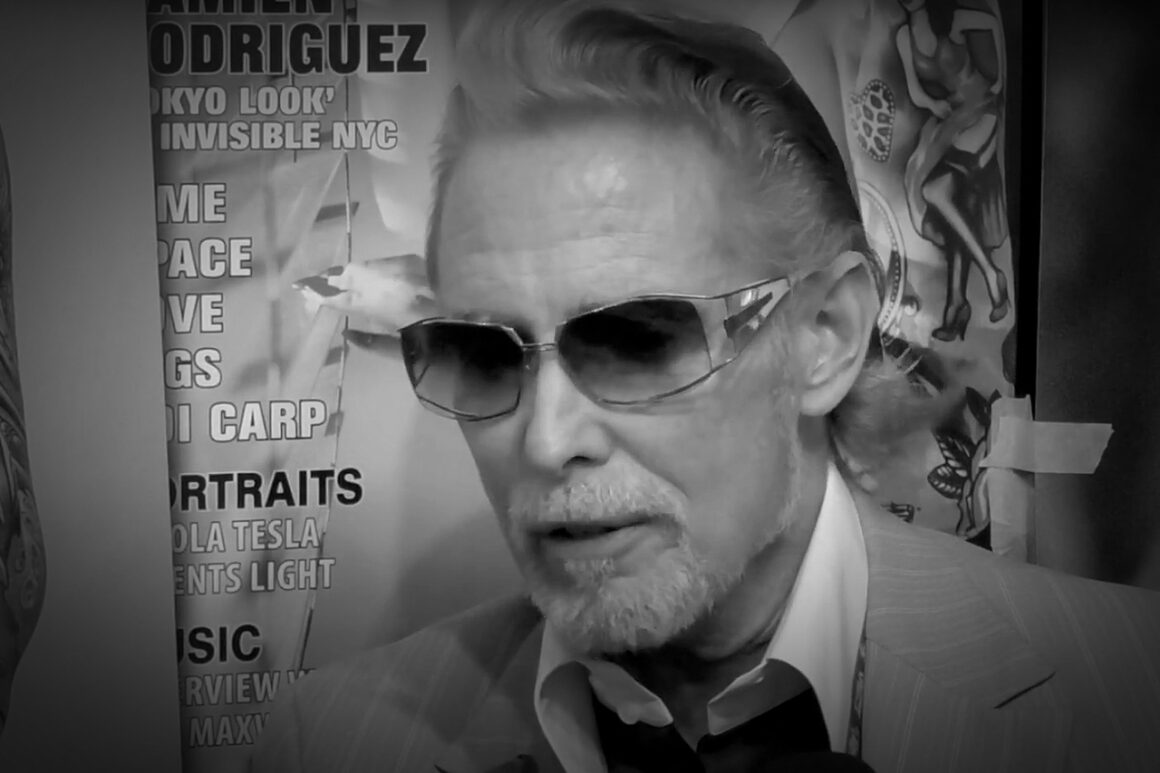





In 35 years of working in the tattoo world, I believe I’ve taken part in more than 500 tattoo conventions: from Europe to Polynesia, from China to the United States, from Russia to Indonesia. I’ve also personally organized conventions in several parts of Europe, for a total of 31 editions. So, I can confidently say that I know the convention scene well and have witnessed its evolution over time.
Tattoo conventions began to spread toward the late 1980s, with a more commercial vision compared to the simple gatherings of tattoo clubs, and then rapidly expanded throughout Europe in the early 1990s. Their meaning, however, was very different from what it is today. Until the early 2000s, conventions were certainly a meeting point for tattooers who already knew each other, but they were also an opportunity to reunite, party, share ideas, and observe one another’s progress, and above all, they were events designed for the public.
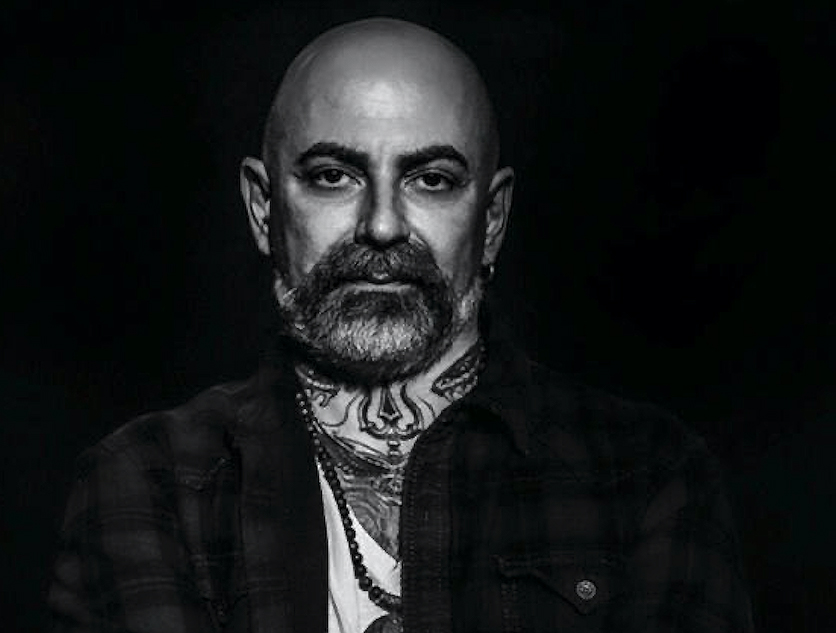
Tattooing was still an underground world, full of charm, magic, and mystery. People attended conventions because they could watch tattooers from all over the world at work and choose directly who they wanted to be tattooed by. Booths were set up like small studios: on the tables were artists’ portfolios and specially drawn flash designs, ready to be tattooed. By the late 1990s, it wasn’t unusual to see 10,000 visitors at a convention. There were few events like these around, and they represented a unique opportunity, especially the major ones, to get tattooed by top artists without having to travel thousands of kilometers to reach their studios.
Tattooers created what were known as “convention tattoos,” generally medium-small-sized pieces, precisely to accommodate as many clients as possible. After all, that was the main purpose of attending. Today, everything has changed. Tattooing has become anything but underground, and clients often see going to a tattoo studio much like visiting a beautician or a hairdresser. Every city has dozens of studios, and attending a tattoo convention is no longer something special. More importantly, I believe the real reason why audiences are shrinking dramatically, making conventions increasingly difficult to organize, lies with the tattooers themselves.
By now, 80–90% of tattooers no longer attend conventions to tattoo the public, but rather to showcase their skills through collaborations with other artists. As a result, over several days they may tattoo at most three people, working in pairs, or they arrive with all their appointments already booked before the event even starts. The outcome is that the public is denied the primary reason for attending a convention in the first place: getting tattooed. This is leading to the disappearance of many events, even historic ones, and that’s a real shame. Only tattooers can reverse this trend, for example by leaving room for a couple of medium-small appointments to offer visitors. It would be a concrete way to breath new life into the true spirit of tattoo conventions, which for more than forty years have represented a fundamental meeting point between artists and the public.
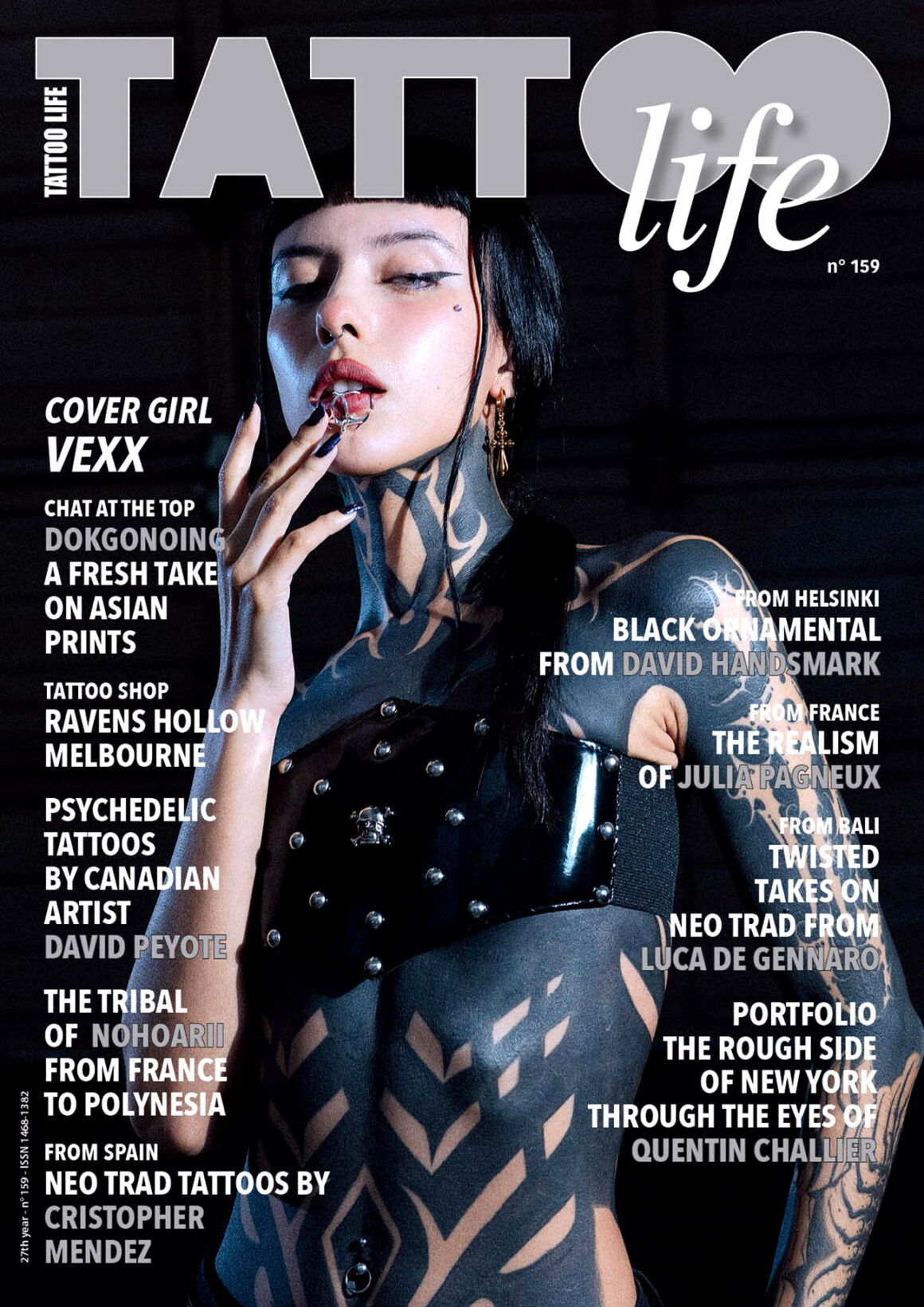
SHOP IT NOW!
Don’t miss to have this amazing issue. Choose and shop now your version…