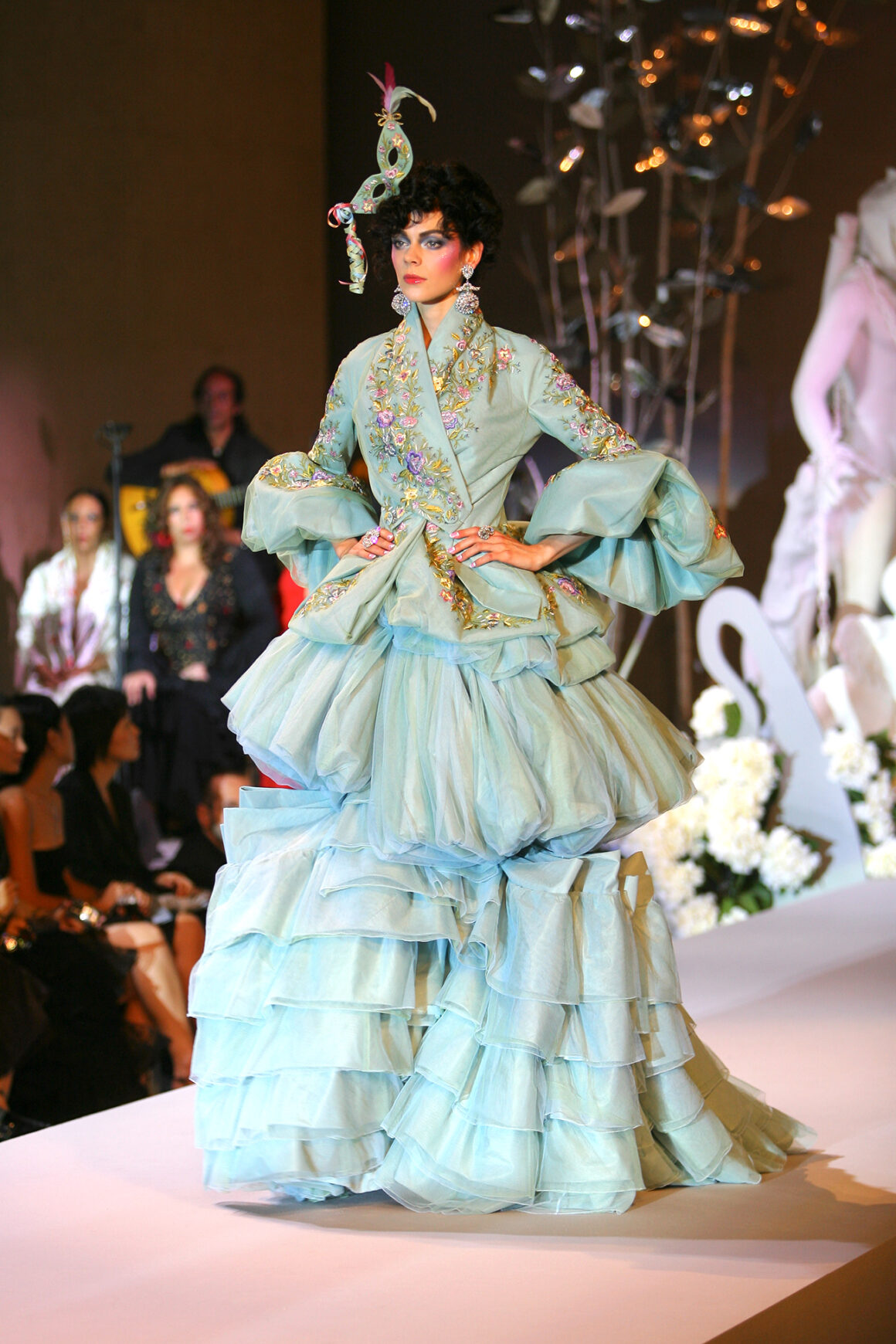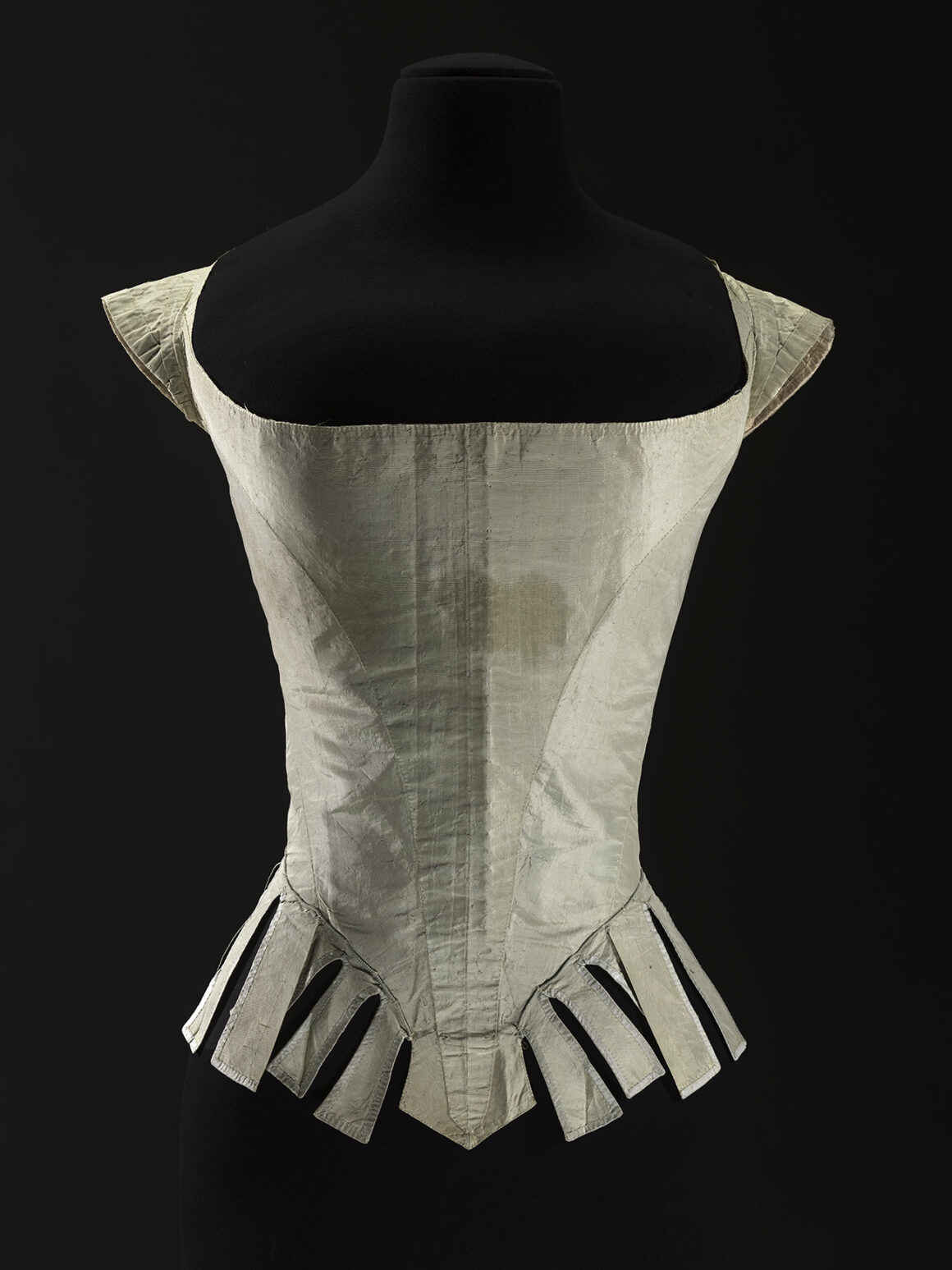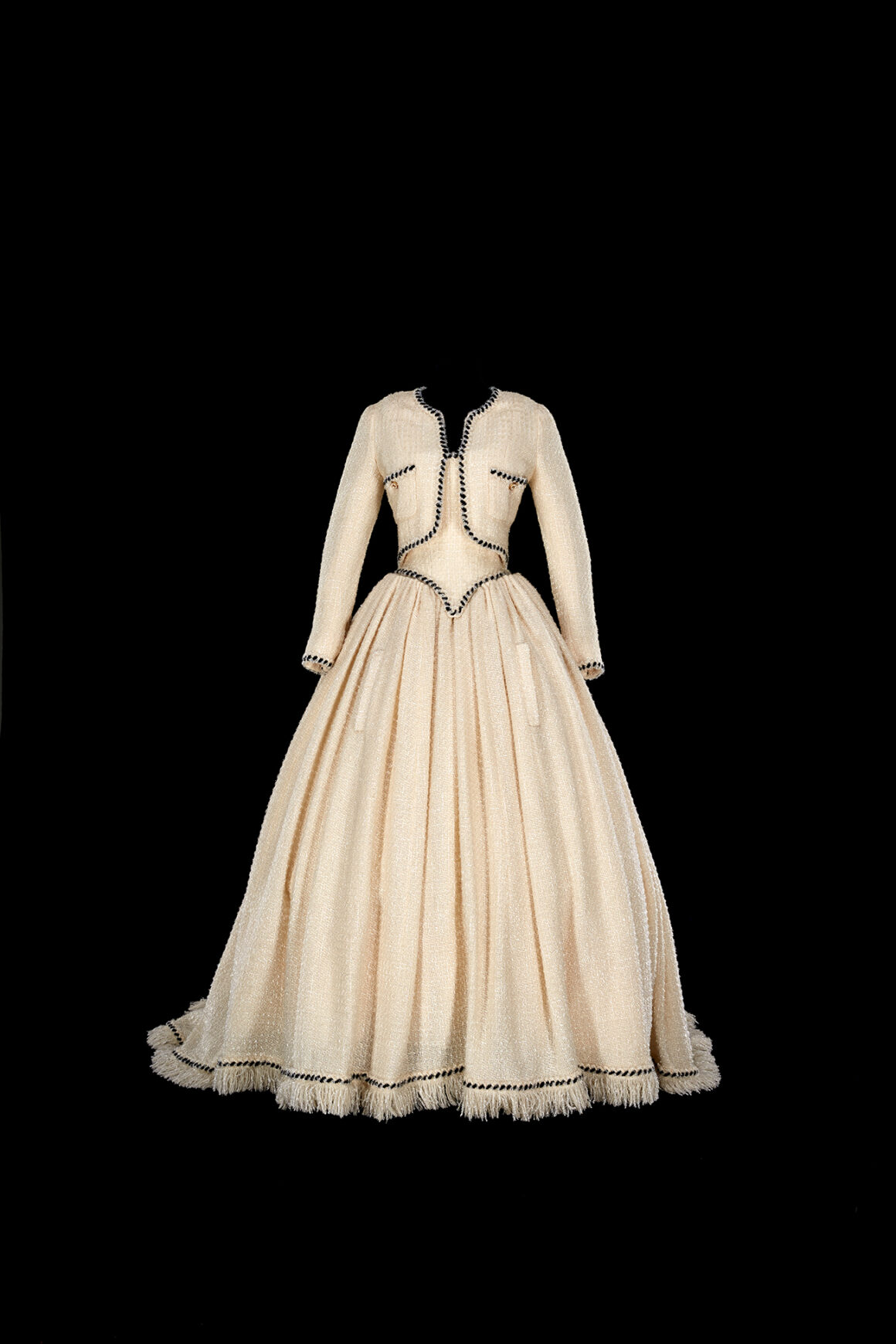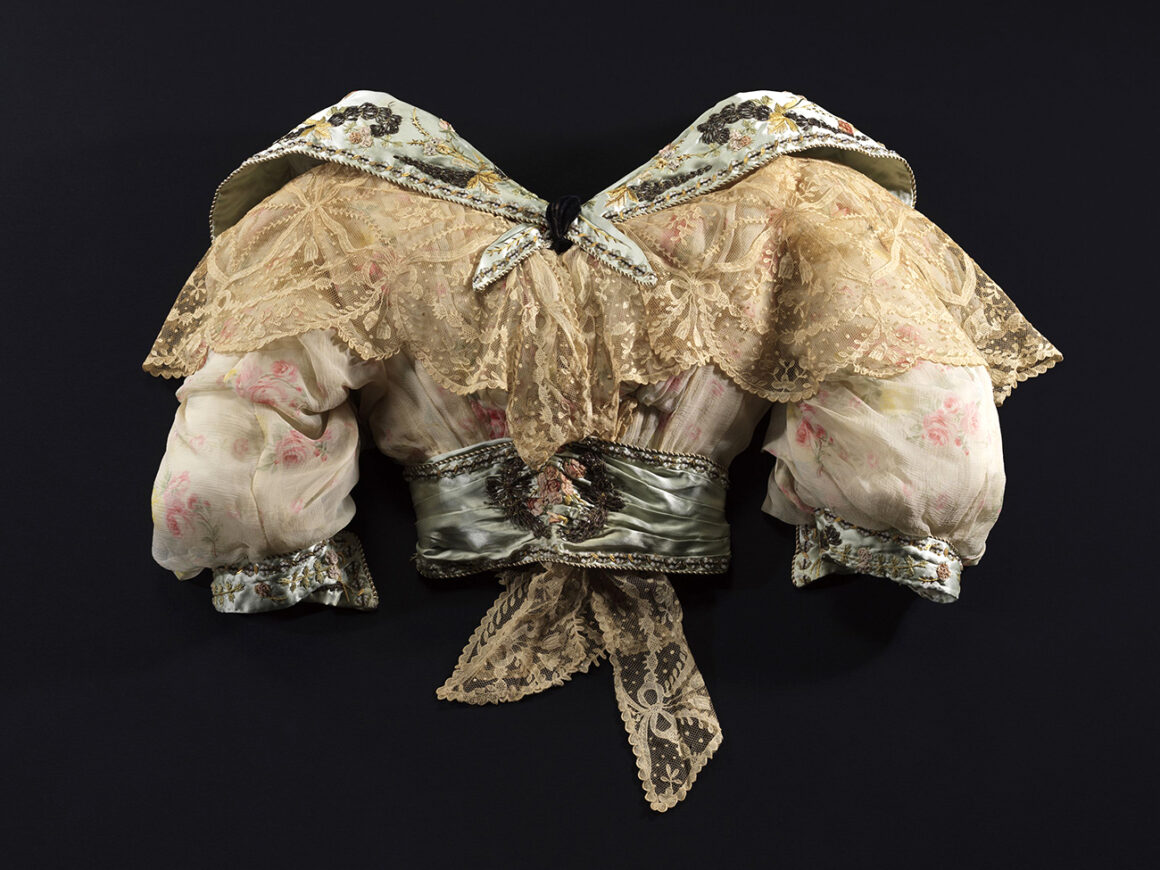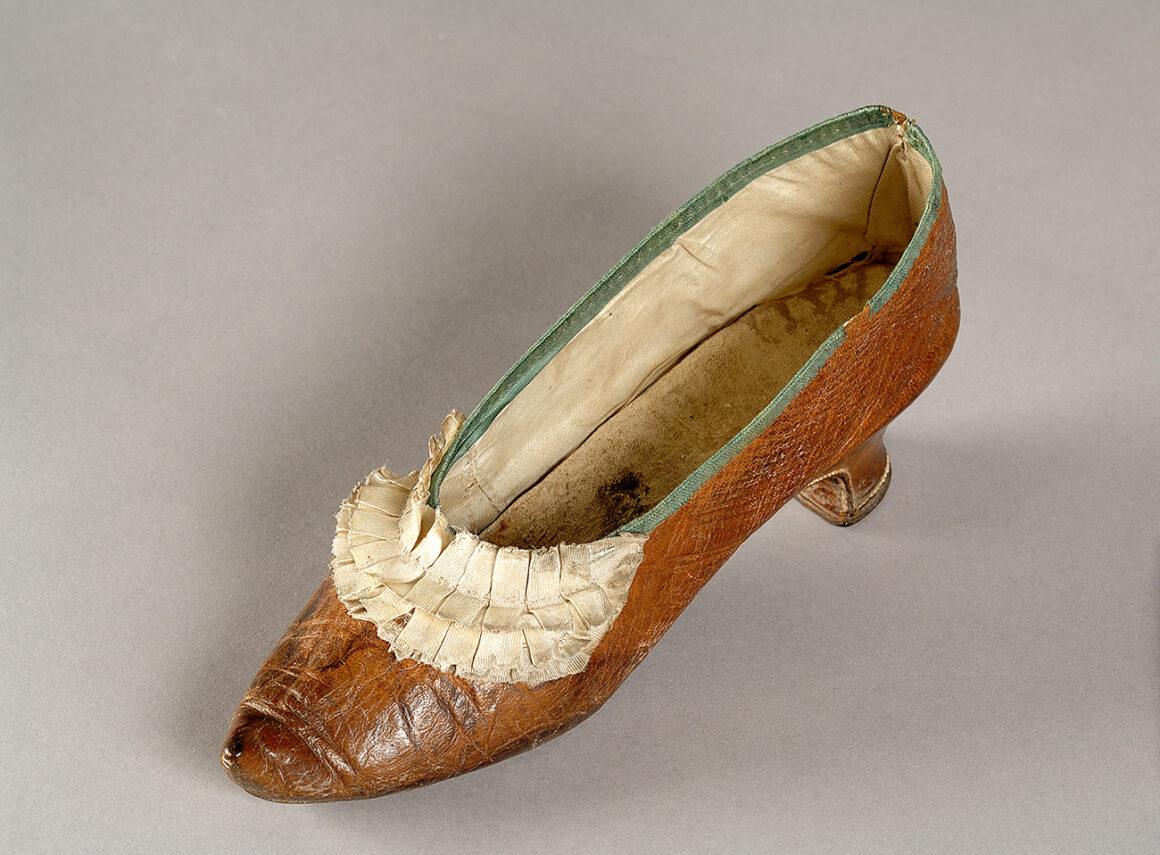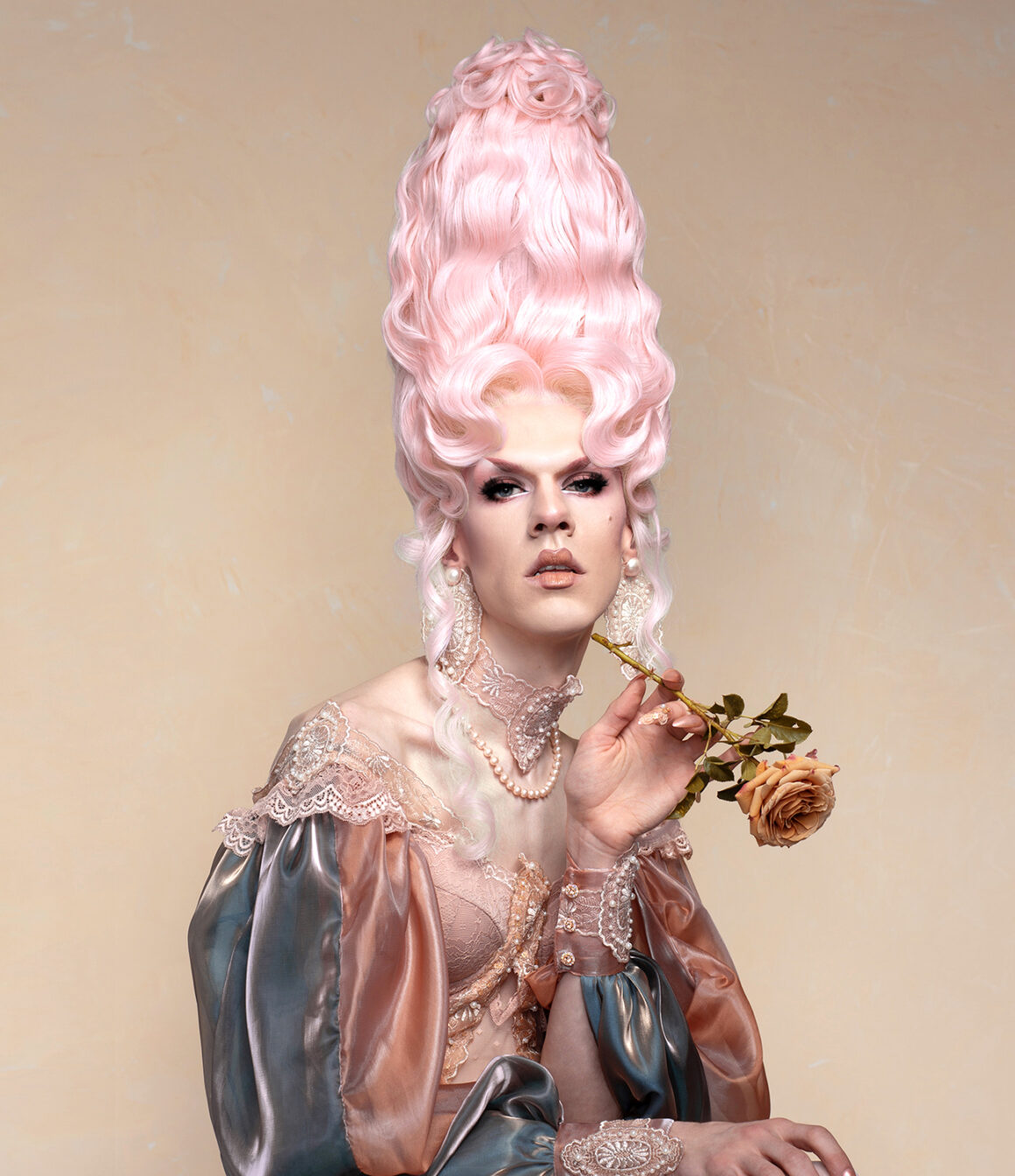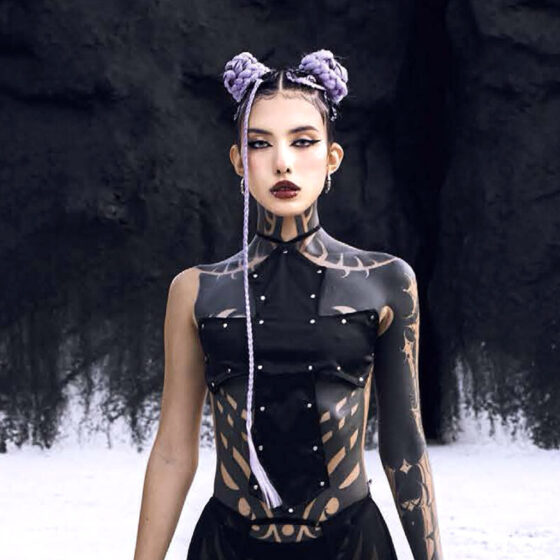



From March 14 to July 12, 2026, the Palais Galliera in Paris presents La mode du 18e siècle. Un héritage fantasmé, an exhibition exploring the legacy of 18th-century women’s fashion and its continuous reinterpretations up to the present day. Often regarded as a distant and even dusty century, the 18th century in fact represents a crucial stage in the evolution of feminine appearance, whose influences still resonate today in fashion, popular culture, visual imagery, and tattoo iconography.
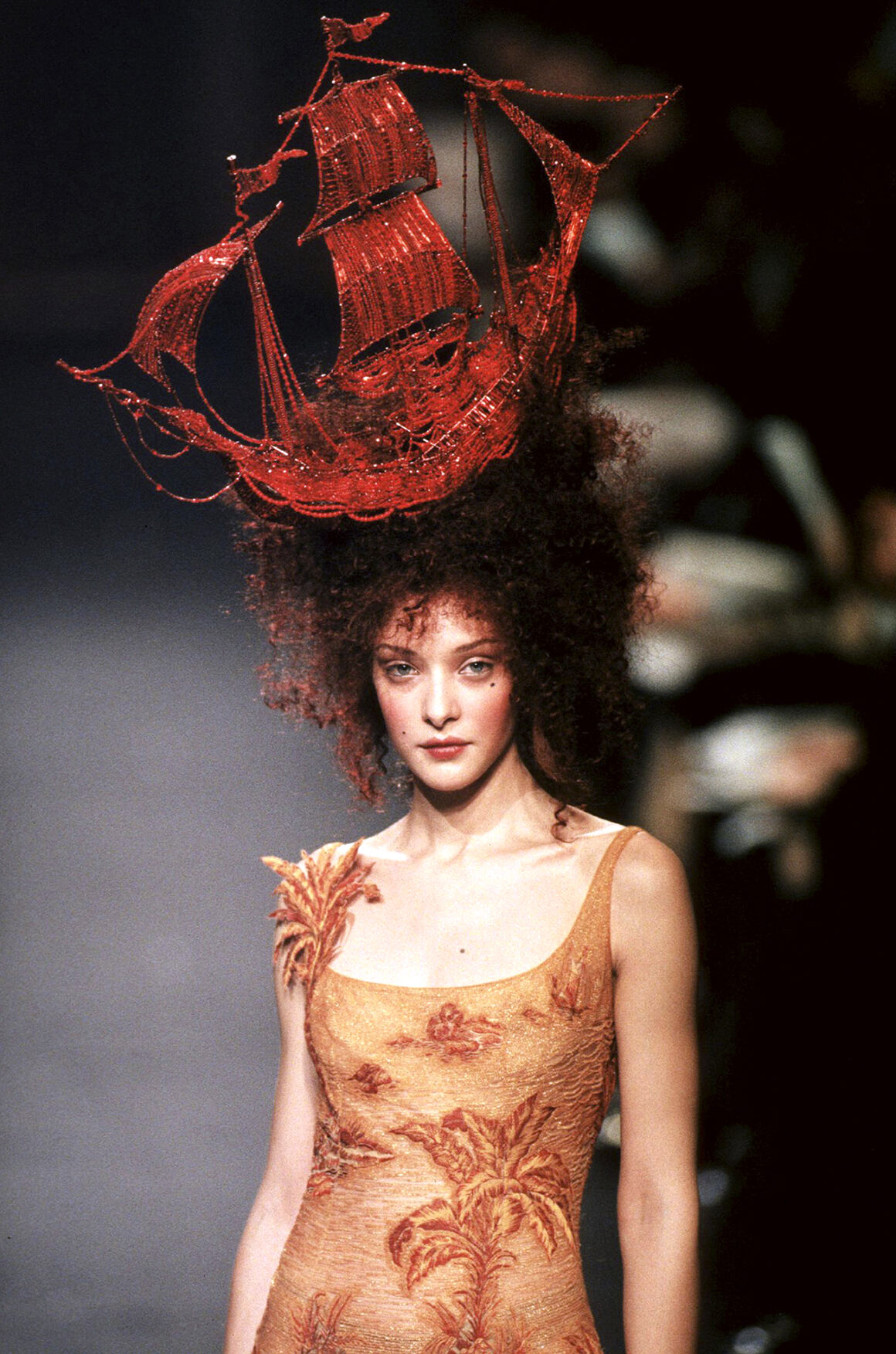
An era of extraordinary creative effervescence, the 18th century stands out for its variety of silhouettes, the richness of its fabrics, and the opulence of hairstyles and ornaments. It also marks the end of a dress model inherited from previous centuries, paving the way for a new conception of the body and appearance.
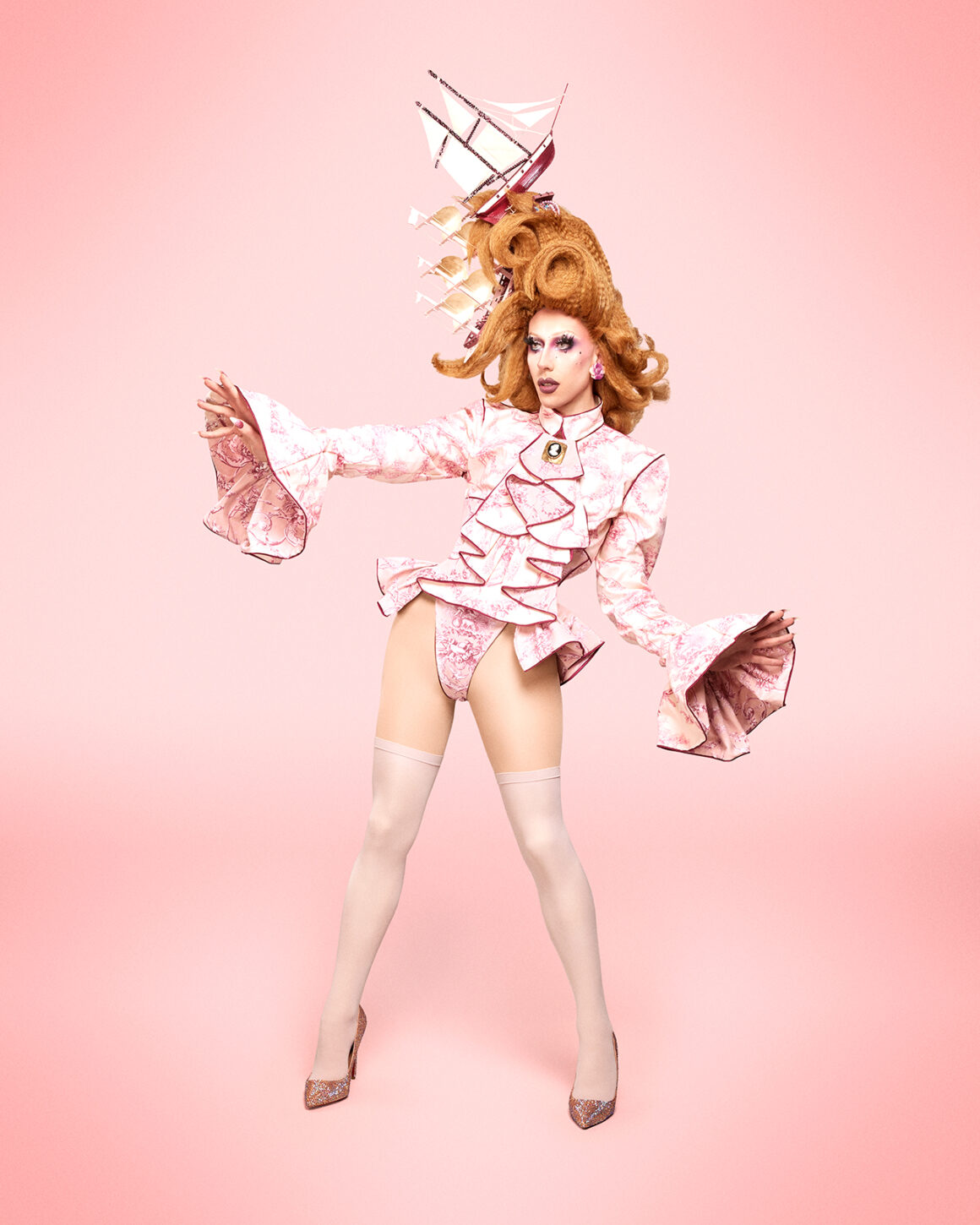
Beginning with the Second Empire, Enlightenment aesthetics became a privileged source of inspiration, fueling nostalgia for a supposed “lost paradise” of elegance and refinement. After the Second World War, French haute couture once again turned to the savoir-faire of 18th-century luxury to reaffirm its central role on the international stage. The widespread circulation of images through the press, cinema, and entertainment transformed this heritage into an immediately recognizable visual code.
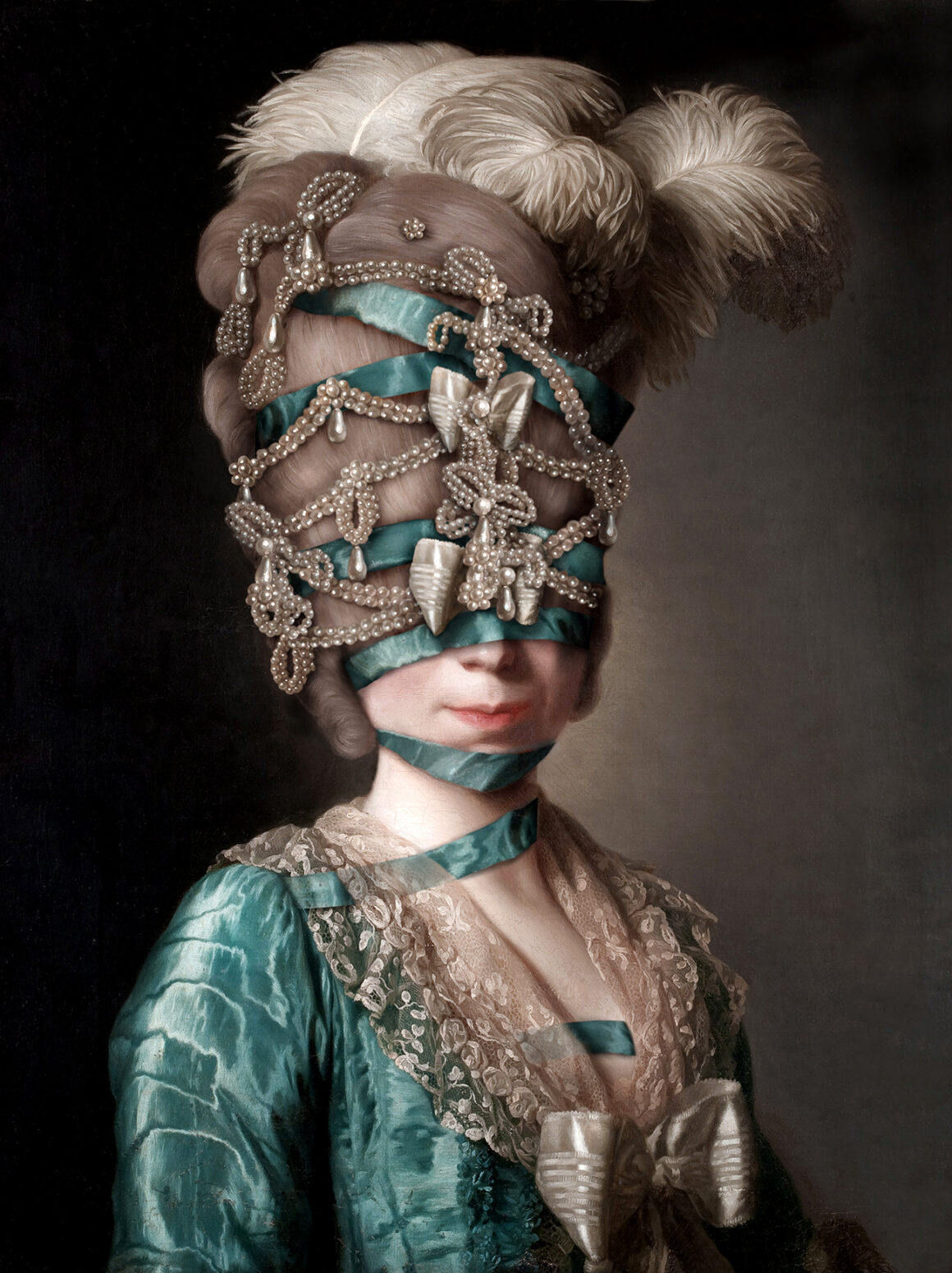
With more than seventy silhouettes, alongside accessories, textiles, graphic works, and photographs, the exhibition sets 18th-century garments in dialogue with iconic contemporary creations by Chanel, Christian Dior, Louis Vuitton, Christian Lacroix, Vivienne Westwood, and Dries van Noten. Among the most precious pieces on display is the corset of Marie Antoinette, exceptionally exhibited despite its fragility.
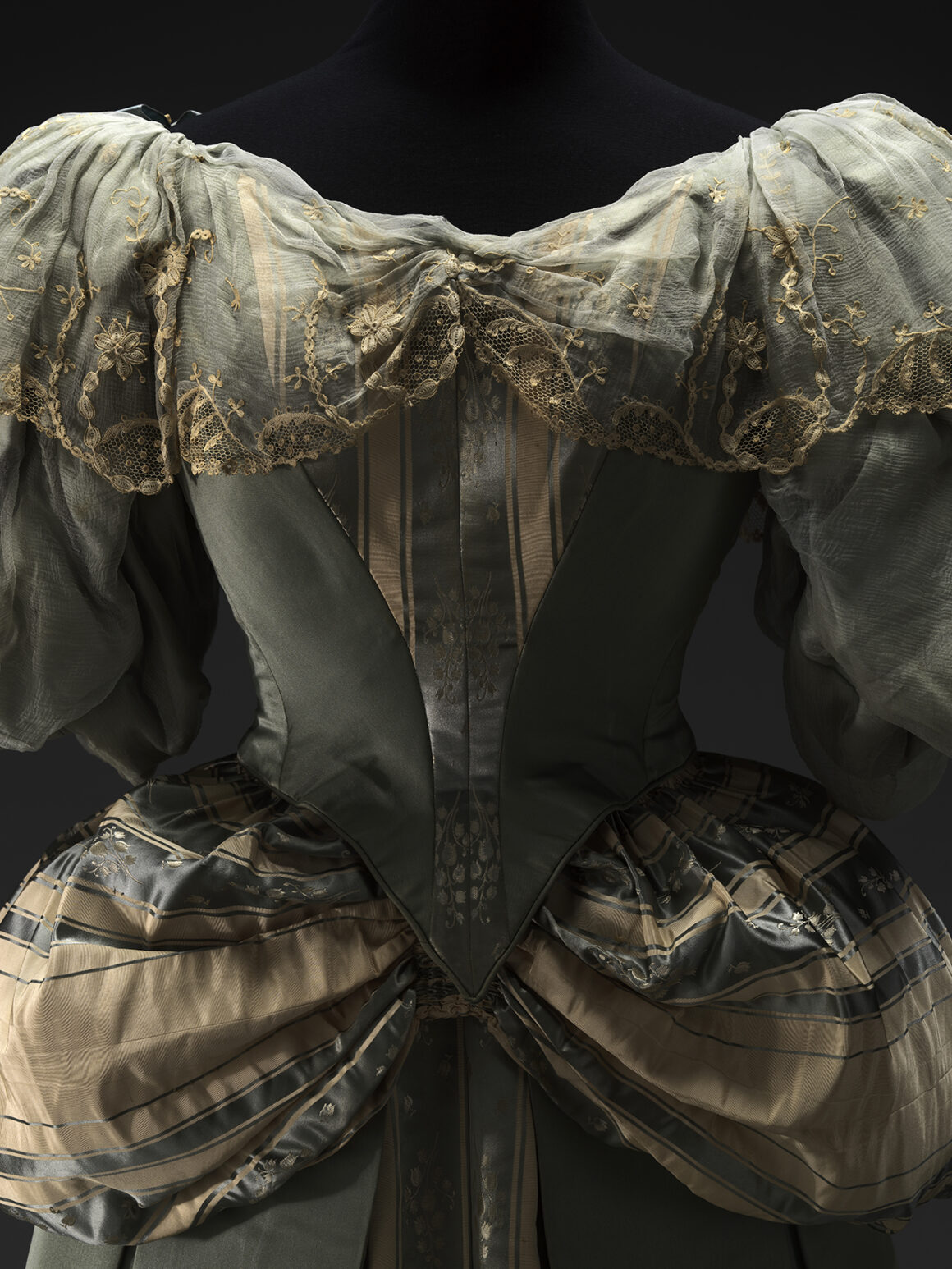
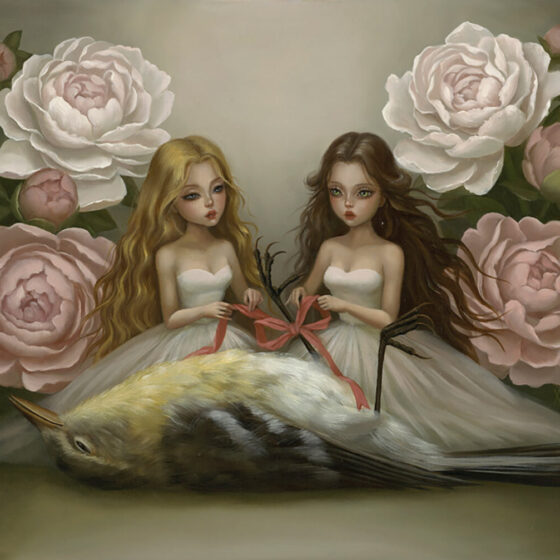
Through three centuries of creation, the Palais Galliera reveals how 18th-century fashion has shifted from historical reference to a fully-fledged aesthetic, constantly reinvented through memory, fantasy, and creative freedom, and reflected across many forms of art. Today, this imagery also engages with kitsch, camp, and queer sensibilities, confirming the enduring vitality of a legacy that has never truly faded.